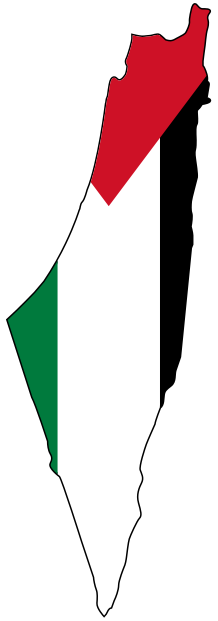
Nassir El-Deen Massacre
The Nasir al-Din Massacre (1948)
The Nasir al-Din Massacre was committed by Zionist Haganah forces in the village of Nasir al-Din, in the Tiberias district, on . The village was chosen as the target of a show of force meant to terrorize the city of Tiberias and the surrounding villages. A number of its residents were killed, its houses were blown up and burned, and those who remained were later expelled.
The Village
Nasir al-Din was located about 3 kilometers west of Tiberias, on a hill overlooking Lake Tiberias (the Sea of Galilee) and the city. It was named after the shrine of Nasir al-Din, which stood to its north; according to local legend, he was killed in battle against the Crusaders and buried there.
- Population: about 90 residents in 1945, all of them Muslim.
- Houses: 35 houses in 1931.
- Economy: residents raised livestock and grew cereals. A total of 4,172 dunums of land belonging to Nasir al-Din and the neighboring village of al-Manara was planted with cereals.
The Massacre
The Haganah chose Nasir al-Din as an example to spread terror in Tiberias and the villages around it, in preparation for the capture of the city.
On , two platoons of the Golani Brigade set out from the Jewish quarter of Tiberias toward the village. They attacked it, blew up most of its houses, and burned the rest.
Estimates of the number of victims vary between sources:
- Palestinian historian Aref al-Aref states that ten villagers were killed and that the village's houses were burned.
- Another Palestinian source lists the names of seven villagers who were killed.
- Yossef Nachmani, a Zionist settlement official in Tiberias, wrote in his diary that the attacking forces killed 18 wounded men, and described this as a crime.
- Palestinian accounts in circulation state that the Irgun and Stern gangs sent a force disguised in Arab clothing, which opened fire on the residents and killed about 50 people.
Expulsion and Aftermath
Some villagers stayed in their homes after the massacre, but Zionist forces forced them to leave on .
The capture of Nasir al-Din helped cut Tiberias off from the large village of Lubya and from the Arab centers to the west. The massacre was a decisive factor in the flight of Arab residents from the area, and Tiberias fell on .
Today, no visible trace of the village remains; neighborhoods of the city of Tiberias have been built on part of its land.
More from the archive
 Download Our Palestine App
The whole archive in the palm of your hand: depopulated villages, the Nakba, the massacres and Al-Aqsa — free, with no ads to erase the story.


Comments
No comments yet — be the first to write one.
Add your comment
Name and email are optional. Comments appear after review.