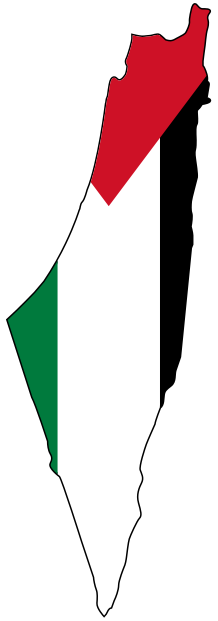
The siege of Beirut in the summer of 1982 was the longest war the Palestinian revolution fought against the Israeli occupation army, and the first siege the occupation laid to an Arab capital after Jerusalem. The Israeli invasion of Lebanon began on 6 June 1982 under the name “Peace for Galilee,” and within a week occupation forces had encircled West Beirut, where the leadership of the Palestine Liberation Organization and the revolution’s forces had dug in alongside the Lebanese national forces. [1][2][3]
For some eighty-eight days, from the start of the invasion until Yasser Arafat left Beirut on 30 August, the city held out under bombardment from land, sea and air and the cutting of water, electricity, food and medicine, while its defenders beat back attempts to storm it at the airport, Ouzai and the Museum crossing. The fighters left only under an agreement that let them go with their personal weapons, and Arafat called those days “the longest Arab–Israeli war.” [4][5][2]
But the fighters’ departure opened the way for the occupation to storm West Beirut and, just weeks later, for the Sabra and Shatila massacre of defenceless refugees, one of the most atrocious war crimes of modern times. [1]
Contents
- The siege at a glance
- Background: the revolution in Lebanon
- The pretext: 3–5 June
- 6 June: the invasion
- Beaufort Castle: the fortress that did not surrender
- Battles on the road to Beirut
- 13–14 June: Beirut encircled
- Life under siege
- The decision to hold out and the city’s defence
- The great battles of the siege
- The negotiations and the Habib plan
- 21–30 August: the revolution leaves Beirut
- After the exit: Beirut stormed, and Sabra and Shatila
- The toll
- Besieged Beirut in memory and literature
- What the resistance meant
- Differences between the accounts
- Timeline
- Frequently asked questions about the 1982 siege of Beirut
The siege at a glance
| Item | Details |
|---|---|
| Invasion begins | 6 June 1982 (Operation “Peace for Galilee”) |
| Beirut encircled | 13–14 June 1982 |
| Fighters begin leaving | 21 August 1982 |
| Arafat leaves | 30 August 1982 |
| Length of resistance | About 88 days from the invasion, and about 70 days of direct siege of West Beirut |
| Defenders | The forces of the Palestinian revolution, the PLO factions and the Palestine Liberation Army, and the Lebanese national forces |
| Besieging forces | About 3,500 troops, more than 300 tanks and 100 guns around West Beirut, with air and naval support |
| Main battles | Airport, Ouzai and Burj al-Barajneh (1 August), the Museum (4–5 August), the airport (8–10 August) |
| Heaviest bombardment | 12 August 1982: 11 hours without pause |
| Fighters who left | About 14,000 |
| After the exit | West Beirut stormed and the Sabra and Shatila massacre (16–18 September 1982) |
Background: the revolution in Lebanon
After the forces of the Palestinian revolution left Jordan in the early 1970s, Lebanon became their main base, from which they waged operations against the occupation across Palestine’s northern border. In July 1981 the artillery war ended in a ceasefire, and the United Nations recorded only one incident of shelling from Lebanon on the border after that. [7]
Yet Menachem Begin’s government and his defence minister Ariel Sharon had prepared for a wide war with these aims: to destroy the PLO’s military and political infrastructure in Lebanon, set up a security strip about 40 kilometres deep, push out the Syrian forces and install a friendly Lebanese government. [1]
The pretext: 3–5 June
On 3 June 1982 the occupation’s ambassador in London, Shlomo Argov, survived an assassination attempt carried out by a splinter group hostile to the PLO, and the PLO declared it had nothing to do with the attack. The occupation government nonetheless seized on it as a ready-made pretext for war. [1][8]
On 4 June waves of F-16s struck Beirut and south Lebanon, hitting four Palestinian refugee camps, a sports stadium, a training school and Beirut airport. Three of the camps, home to 125,000 refugees, were heavily damaged, and the Nazareth Children’s Hospital near Sabra camp took a direct hit. Lebanese government figures put the toll at 60 dead and 200 wounded. On 5 June artillery and aircraft pounded 55 areas and villages in the south and east of Beirut. [8][1]
6 June: the invasion
At dawn on Sunday 6 June 1982 occupation forces crossed the Lebanese border in four armoured columns with more than 250 tanks and thousands of troops, broke through the lines of the UN peacekeeping force, and landed amphibious units on the coast. The occupation government claimed the operation was limited to a depth of 40 kilometres and ignored the Security Council’s call for a ceasefire in Resolution 508. [1][5]
That same day two F-16s flew low over Beirut and each fired two missiles at the Sports City; the people of Beirut understood that the big war had begun. [5]
Read also: The 1982 Israeli invasion of Lebanon.
Beaufort Castle: the fortress that did not surrender
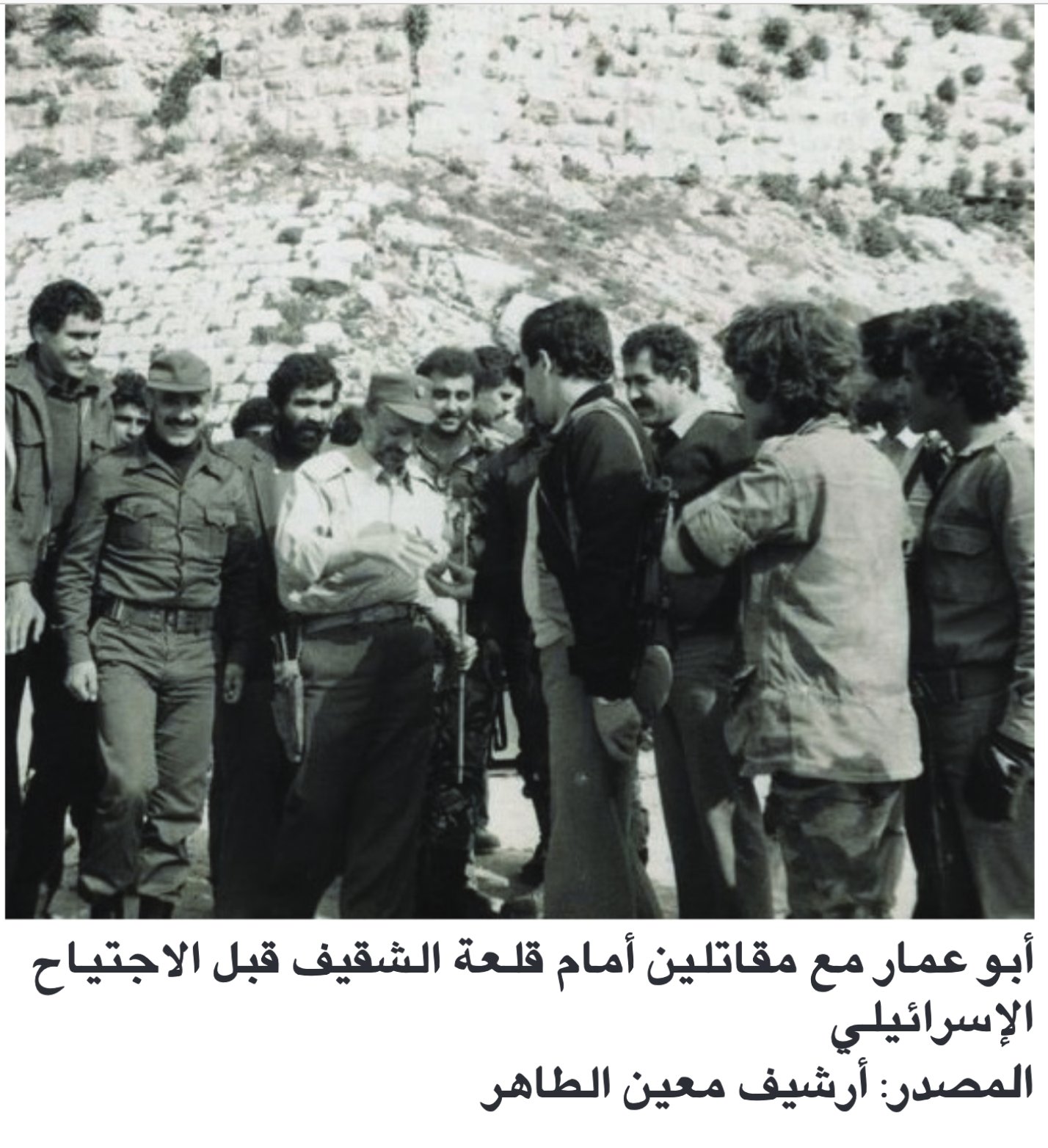
Before the occupation’s tanks could reach Beirut, they had to get past Beaufort Castle (Qal’at al-Shaqif, at Arnoun), the Crusader fortress standing some 700 metres above the Litani valley and overlooking Upper Galilee and the Golan Heights. From after 1967 the castle was a main military position and forward observation post of the Palestinian revolution, so much so that Hebrew media called it “the beast on the mountain” and the occupation army made “neutralising” it a precondition for invading Lebanon. [9][10][11]
The fortifications and the defenders
In 1981 occupation air strikes wrecked the castle and its entrance, so over several months the fighters dug trenches, bunkers and a tunnel some 150 metres long inside it. Hundreds of Palestinian camp residents and Lebanese university students took part in the digging, engineering students supervised the technical work, and the fida’i Ali Abu Tawq drew up the defence plan. The fighter Muhammad al-Qarout recalls fixing a long ladder himself so the fighters could climb into the castle after its entrance was destroyed. [11][12]
The castle was defended by Fatah’s Jarmaq Battalion, which led the fighting in the area in 1982. Moein al-Taher, then commander of the joint Lebanese–Palestinian forces in Nabatieh and Beaufort, says those inside the castle numbered between 30 and 35 fighters, Palestinians, Lebanese and Yemenis. The Israeli account itself puts them at 27. [11][10][13]
6 June: fire and a captured pilot
From 4 June the castle came under continuous air, artillery and missile bombardment, including cluster munitions. On the morning of 6 June the fighters shot down an occupation warplane and captured its pilot, according to Moein al-Taher, who described the castle that day as “a mass of fire.” When al-Taher tried to reach the castle to check on the fighters, a shell hit his car and he was wounded. [10][11]
The night of the assault: Golani on the narrow road
On the night of 6 June the Golani Brigade’s reconnaissance unit was ordered up the narrow, winding mountain road to the castle. The assault force numbered more than 1,200 troops backed by tanks and aircraft; the brigade’s deputy commander at the time was Gabi Ashkenazi, later the occupation army’s chief of staff, who called taking the castle “a symbolic and sovereign goal.” [9][12][11]
The attacking force split into two wings; its commander was killed early in the fighting along with several of his men, and the occupation sent in reinforcements. The fighting raged at very close range inside the trenches and concrete fortifications, in what the Lebanese press later called one of the bloodiest operations in the occupation army’s history, “a victory at an unbearable price.” [12][9]
72 hours: down to the last two fighters
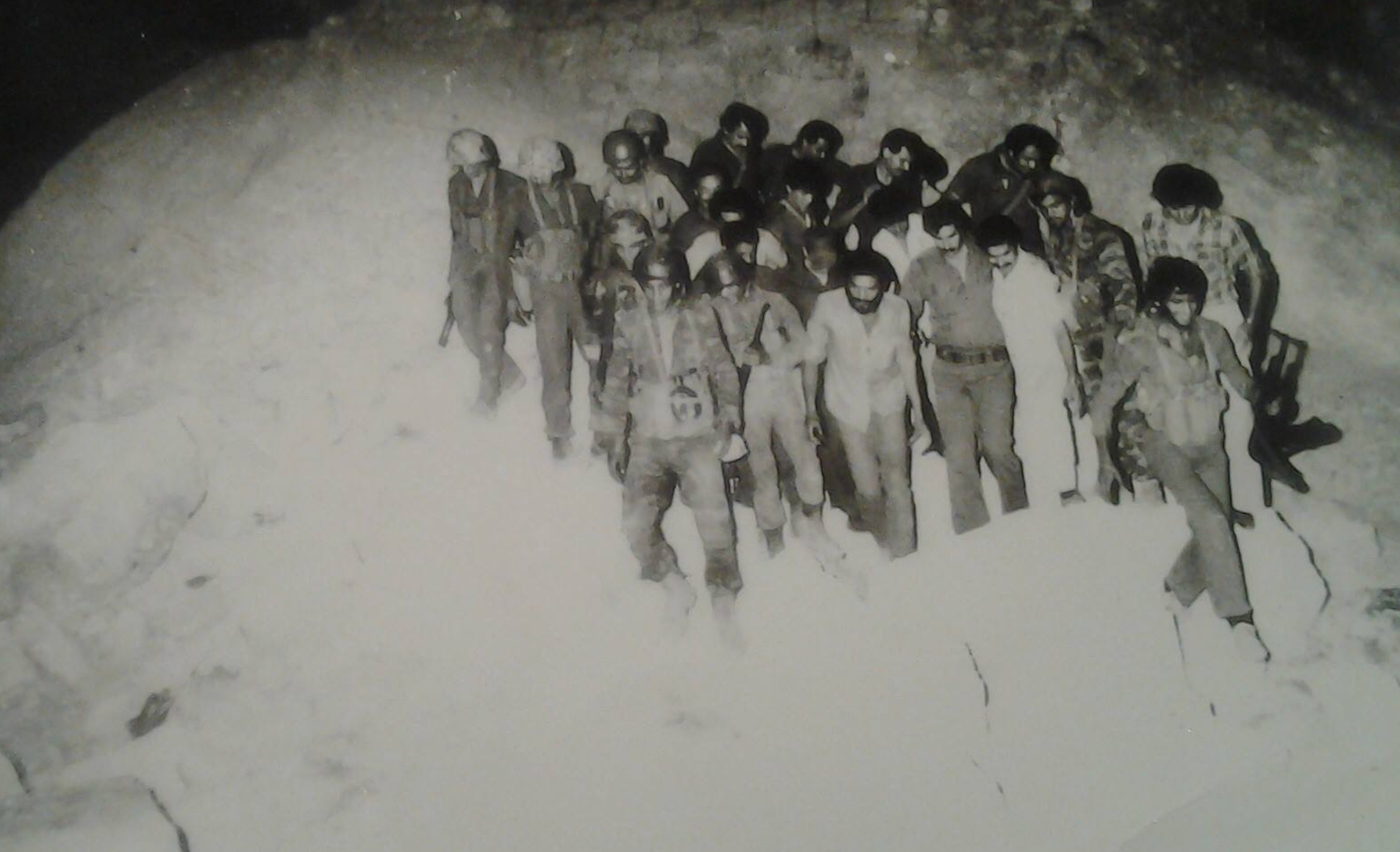
The defenders held out for more than 60 hours of fighting in the trenches; then the last two fighters battled on alone for another 12 hours, killing seven soldiers and wounding 17, until they were martyred on the morning of Monday 7 June. Everyone inside the castle was killed, and to this day no complete record of their names, nationalities and factions has been compiled. [12][11][10]
When Sharon visited the position, an occupation lieutenant told him: “Six of my comrades were killed right where you are standing.” Begin visited the castle after it fell and asked on camera, “Did they have rifles?” A soldier answered, “Lots of rifles,” and when he asked whether any of them had surrendered, the reply came: “None of them surrendered.” According to the Al Jazeera Encyclopedia, Begin grasped the scale of the “disaster,” left, and did not return to Lebanon for the rest of the war. [12][10]
After the battle: “the bloody road”
The castle remained an open wound for the occupation. After it pulled back to the “border strip” in 1985, Beaufort became an isolated position, and the road to it became known on the Israeli side as “the bloody road” because of the attacks and roadside bombs aimed at its soldiers, dozens of whom were killed or wounded there. In May 2000 the occupation withdrew from south Lebanon, evacuating the castle in secret and blowing it up with tons of explosives. [9][12]
Jarmaq Battalion commander Moein al-Taher has sought to document the battle in a study that gathers the Palestinian account and engages with the Israeli one, as a contribution to collecting the Palestinian memory of resistance. The fighter Muhammad al-Qarout says the stand at Beaufort became a symbol of defiance in the revolution’s history. [13][11]
Battles on the road to Beirut
The Tyre camps: Burj al-Shemali, Rashidieh and al-Bass
On 4 and 5 June the Tyre area and its camps came under air raids and naval shelling. On 6 June occupation armour approached Burj al-Shemali camp flying Lebanese flags as camouflage; the fighters at first took them for Lebanese army units until the deception was uncovered, and small groups armed with RPG launchers took up positions at every entrance to the camp. [14]
Over two days the fighters destroyed some 14 tanks and armoured vehicles, among them four at the first entrance and three at the second, plus a bulldozer and a tank at the eastern entrance, and captured four soldiers at the southern entrance. On 7 June the occupation repeated its surrender demands, then pounded the entrances from eight in the morning until one in the afternoon; its tanks advanced and the fighters stopped them. [14][15]
Between five and eight in the evening of 7 June occupation aircraft struck the camp’s shelters and caves with incendiary and phosphorus bombs, killing 125 of its people, most of them women, the elderly and children, within a few hours. The Nadi al-Hawla shelter took the worst of it: 94 of the roughly one hundred civilians sheltering there burned to death and it became a mass grave; 21 were killed in the Ramez Abu Khanjar cave, 7 in the Rawdat al-Najda al-Ijtima’iyya shelter and 3 in the cave of the Maghariba quarter. Fayez Hassan Younes lost his wife and eight children; the mukhtar Kamal Hassan al-Dhib lost some 37 relatives. [14][15]
On the night of 7–8 June the commanders decided to withdraw in fighting formations after booby-trapping the wrecked tanks. Some 75 fighters gathered, then about 600 on the banks of the Litani, where villagers brought them food, and they pushed on towards Sidon. In a clash near Ghazieh some 35 of them were killed, among them eight from Burj al-Shemali and 16 volunteers from Bangladesh. The occupation entered the camp only on 17 June, after the fighters had left, and Burj al-Shemali came to be known as “the camp of the martyrs.” [14][15]
On 7 June the occupation surrounded the al-Bass and Rashidieh camps. Rashidieh’s boys stood up to the tanks so boldly that the media dubbed them “the RPG children,” and the invasion destroyed most of the camp. Journalists who visited Tyre called it a “bombed-out shell,” and its occupation-appointed military governor estimated that 30% of its buildings had been destroyed. [5][16][17][18]
Sidon
The battle of Sidon began on 7 June with attacks from the south and the mountains and an airborne landing on the Awali bridge. [5]
After the city fell, the occupation ordered men aged 17 to 55 to report to its headquarters and arrested many of them; some 90 busloads of Palestinians were taken away for interrogation, and the city’s Palestinian Red Crescent hospital was left with a single doctor for 58 patients after its doctors were arrested. The occupation also barred UN forces from delivering food to trapped civilians, and Sidon’s people went days without food. [18][17]
Damour and Khalde: the southern gates of Beirut
On 8 June the fighting reached Damour, where the occupation army’s deputy chief of staff, Major General Yekutiel Adam, was killed in an ambush. Battles flared at the Khalde triangle south of Beirut between 9 and 13 June under Colonel Abdullah Siyam; the resistance fighters dug into the surrounding hills foiled an occupation landing and slowed its advance on the capital. [5][17][19][1]
The Syrian army’s battles in the Bekaa
The Syrian army fought fierce battles along the Beirut–Damascus highway, while occupation aircraft destroyed 17 Syrian missile batteries in the Bekaa and the Syrian air force lost dozens of planes in ferocious air battles. [1][17]
By 10 June the occupation army had admitted 68 of its soldiers killed and 424 wounded, while the PLO put Arab casualties at about eight thousand, most of them civilians. [17]
13–14 June: Beirut encircled
On 13 June 1982 occupation forces reached the outskirts of Baabda and Burj al-Barajneh, cut the Beirut–Damascus road, and entered Ain al-Rummaneh and Furn al-Shubbak. On 14 June they took Baabda and linked up with their allies in the Lebanese right-wing militias, closing the ring around the revolution’s forces inside West Beirut, while their navy shut the port. [1][2][18]
That same day Sharon visited Beirut and claimed his army had “no intention” of entering it. By then the Lebanese police count stood at 9,583 dead and 16,608 wounded since the air raids began 11 days earlier, and the occupation army admitted 170 of its soldiers killed and 700 wounded. [18]
On 24 June the occupation seized Bhamdoun, cutting off the Syrian units in Beirut, and Syrian forces fell back to Aley. [7]
Life under siege
The besiegers ringed West Beirut with about 3,500 troops, more than 300 tanks and 100 guns. Earth barriers rose along the lines of contact from the port to the Lebanese University, and the crossings shrank to a handful, the best known being the Museum crossing. [1][5]
The occupation turned water, electricity and food into weapons. On 24 June it cut water to four hours every two days and electricity to four hours a day, then cut both off completely in early July. The occupation army first denied it, then had to admit it after journalists found its soldiers inside the switching station. By 6 July West Beirut had flour for only about ten days, oxygen and gas were scarce, and the danger of cholera and typhoid was growing. [7][20][1]
Canned food vanished from the shops, petrol stations ran dry and hospitals ran out of anaesthetics. The political and military forces organised rubbish collection, flour deliveries to small bakeries and makeshift clinics, and children queued for water. Berbir Hospital was hit again and again until it had lost 75% of its staff. [5][20][3][21]
On 3–4 July occupation aircraft dropped leaflets urging civilians to leave the city, part of a psychological war waged alongside the bombardment; the occupation let residents out and then barred their return. Some 70,000 people were displaced within Beirut alone. [1][7]
The decision to hold out and the city’s defence
When the occupation tightened the siege, Yasser Arafat secretly decided to fight for six months while regional and international positions and the balance of forces became clearer, and on 6 July he refused to leave under American supervision or aboard Sixth Fleet ships. [4][20]
The defence of West Beirut was shared among the forces of the Palestinian revolution and its factions, units of the Palestine Liberation Army, among them the Hittin and Qadisiyya forces that held the front lines, and the Lebanese national forces. The fighters dug trenches and fortifications among the buildings and relied on RPG launchers and Malyutka anti-tank missiles against the tanks. [19]
The Soviet Union let the revolution down: it refused to issue a serious warning to the occupation, send a destroyer to the Lebanese coast or a ship to evacuate the wounded, and its ambassador advised Arafat to leave Beirut “even aboard American destroyers.” The Arab states took no practical action. [4][3]
The great battles of the siege
June–July: endless bombardment
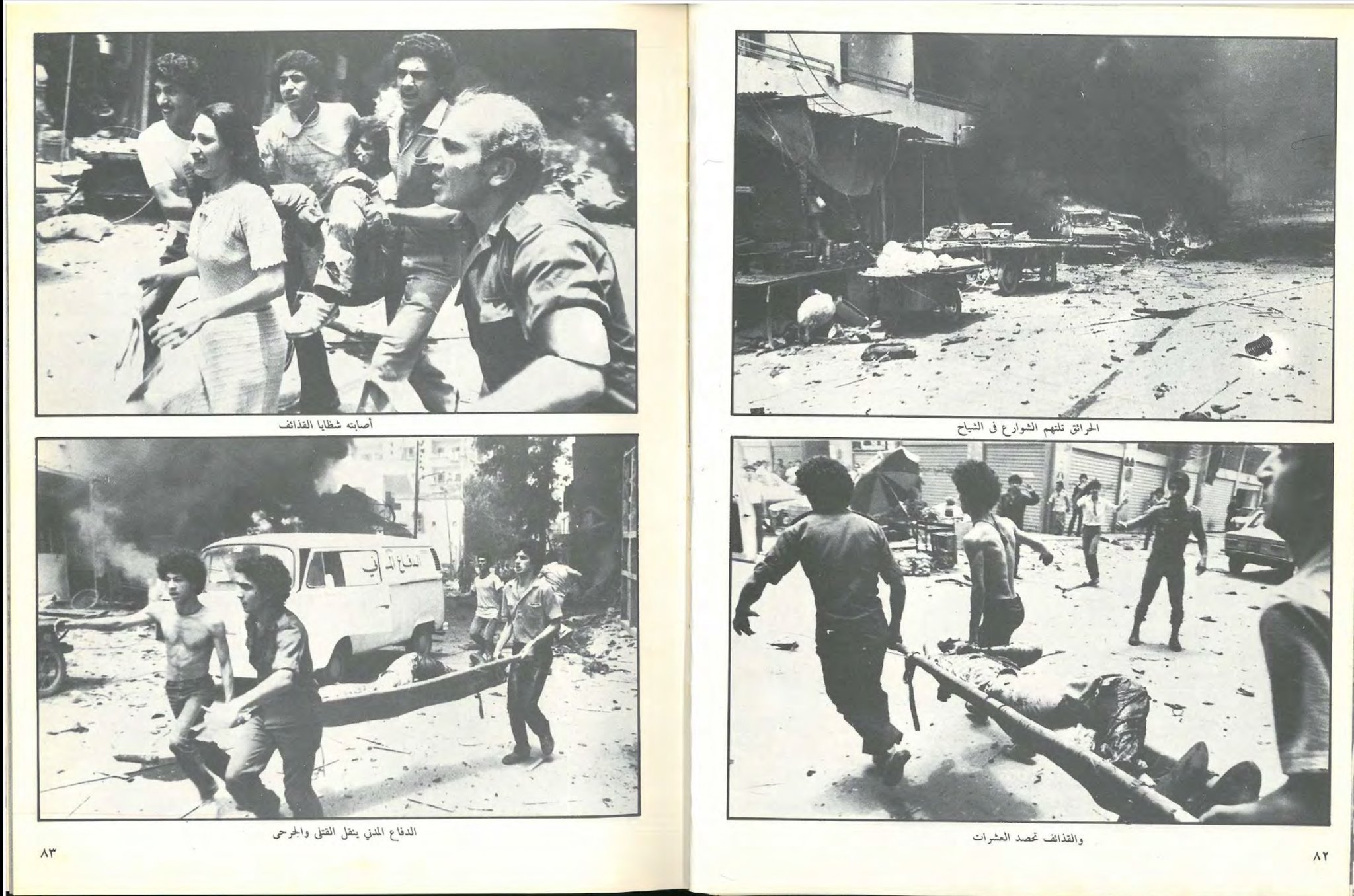
Throughout June and July gunboats, aircraft and artillery pounded West Beirut’s neighbourhoods and camps. On 24 June jets “pulverised” the working-class Fakhani district, gunboat fire killed 17 people and 50 buildings were damaged on the Corniche Mazraa. On 6 July, the fourth day of the tightened blockade, shelling hit the presidential palace and ammunition stores in Burj al-Barajneh. The ceasefire of 27 July was the seventh since the war began and did not hold; on 30 July Burj al-Barajneh, Sabra, Shatila and Ras al-Nabaa were shelled. [7][20][1]
1 August: the battle of the airport and Ouzai
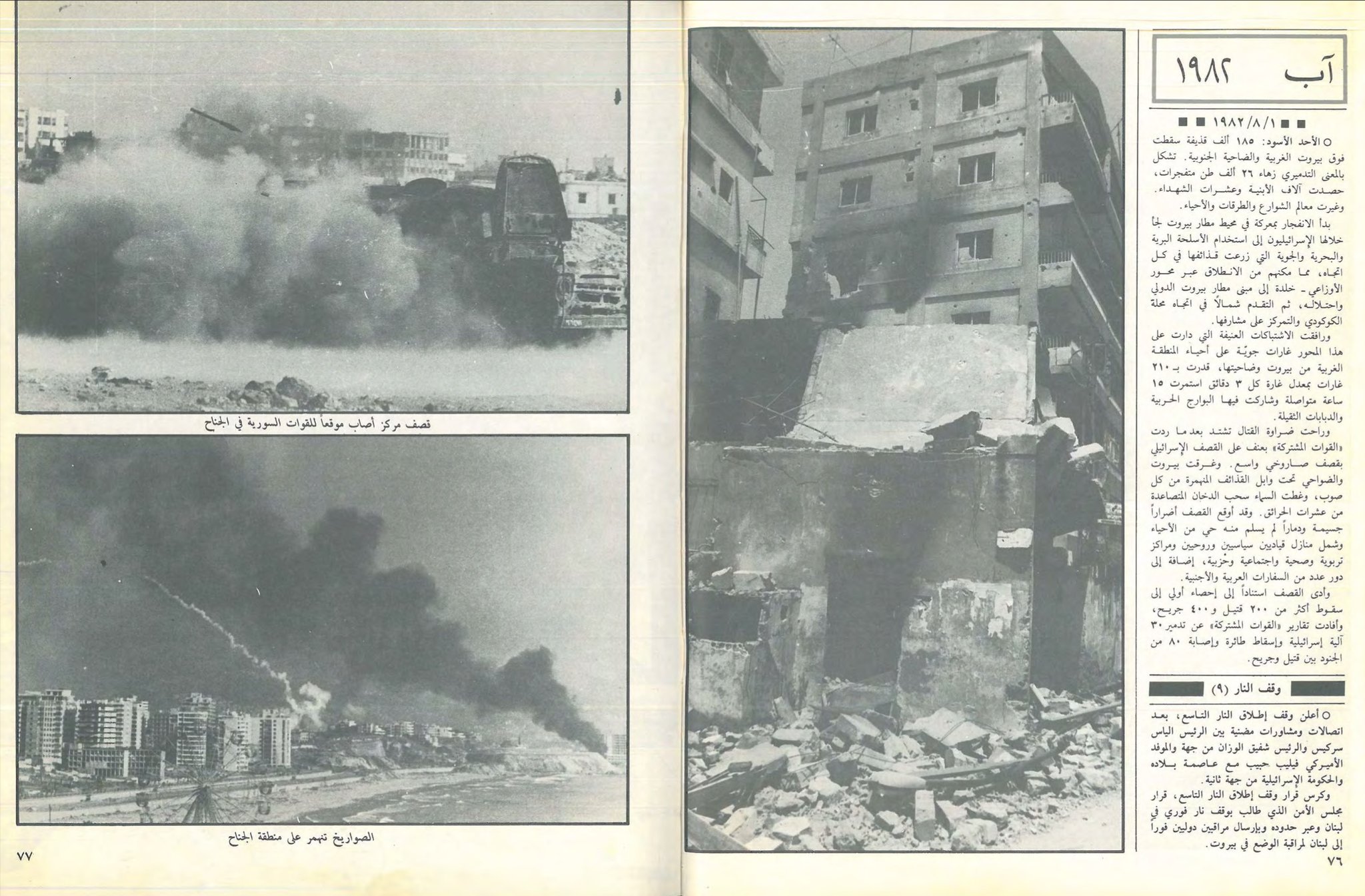
On 1 August 1982 the occupation launched its fiercest assault since the invasion began. It bombarded West Beirut for 14 hours without pause, in some 150 air raids that dropped about 260 tons of bombs, occupied Beirut International Airport and drew near the edge of Burj al-Barajneh camp. But it made only slight gains against the fighters’ positions in the camps south of the airport and on the coastal road from Ouzai, and the fighters repelled a landing attempt on the coast. [22]
The PLO announced that 30 tanks and armoured personnel carriers had been destroyed and that 80 occupation soldiers had been wounded, while the occupation army admitted nine wounded. Lebanese police put the bombardment’s toll at 200 dead and 400 wounded. [22]
4–5 August: the battle of the Museum
On 2 August the occupation massed its tanks near the Museum, Galerie Semaan and port crossings, and its commander warned West Beirut’s residents to leave “before it is too late.” It then launched its great assault on the crossings, with elite units and the Golani Brigade, after a heavy howitzer barrage. [21][19]
At the Museum crossing the attack was met by Battalion 412 of the Palestine Liberation Army’s Hittin forces, which destroyed the first tank with a Malyutka missile; a Palestinian account says more than 36 vehicles were destroyed with their crews within minutes and that the occupation admitted 19 soldiers killed. At the racecourse occupation tanks broke through a wall towards the Ras al-Nabaa highway, and Fatah fighters under Saad Sayel ambushed them with B-7 rockets; the clash was decided in about a quarter of an hour, while Sharon watched in fury from the Alexander Hotel. [19][5]
The occupation failed to advance into West Beirut through the Museum gate, making this battle its last major attempt to storm the city by land. [19][5]
8–10 August: the airport again
Between 8 and 10 August heavy fighting resumed around the airport; the fighters hit an armoured personnel carrier, killing three soldiers and wounding nine, and there were reports that the occupation used internationally banned weapons. On 9 August the occupation launched an air, sea and land attack on West Beirut, and its tanks shelled the fighters’ positions near the Museum. [1][23]
12 August: Black Thursday
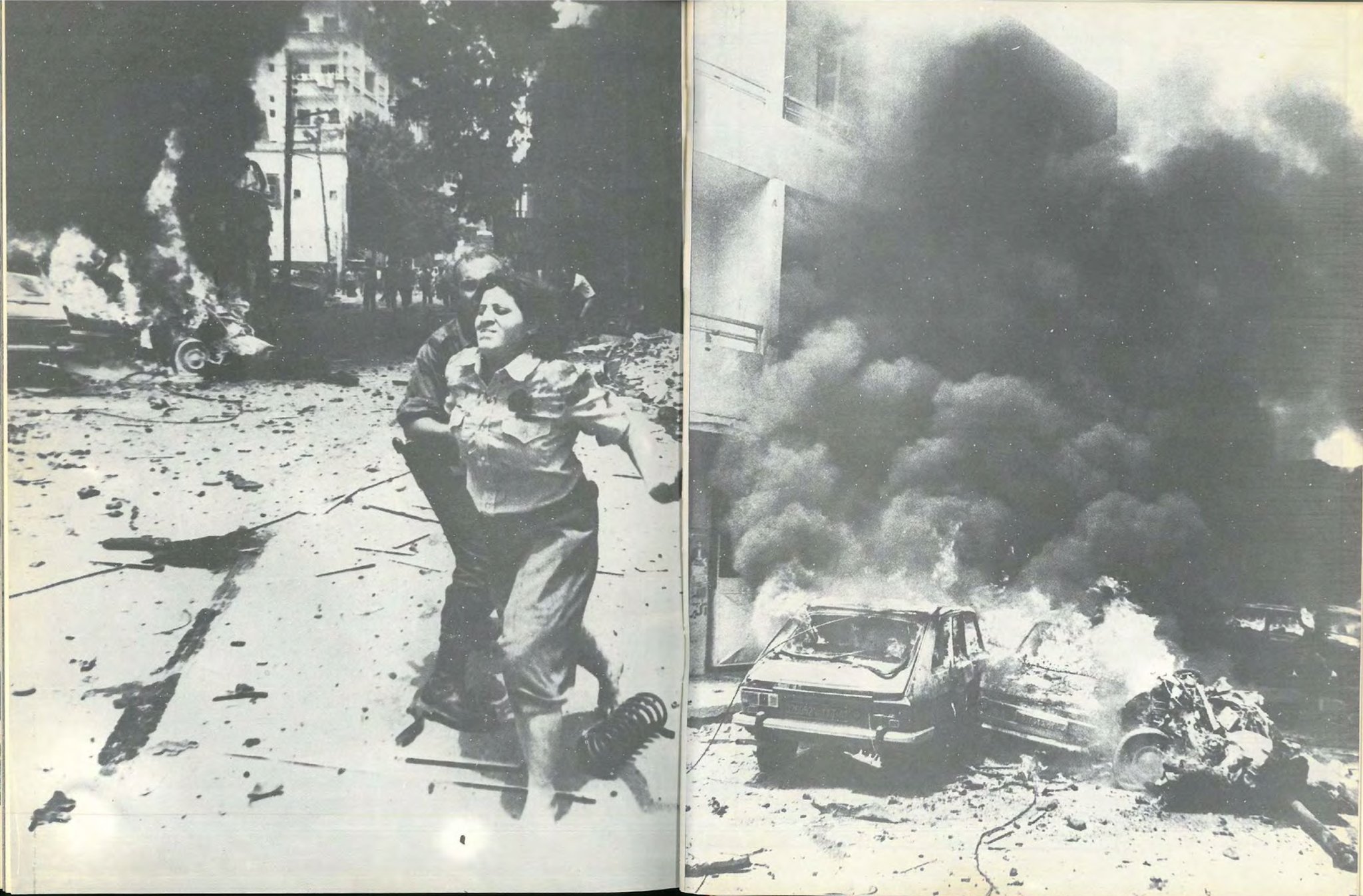
On 12 August 1982 the occupation unleashed on West Beirut its heaviest air bombardment since the invasion began, lasting 11 hours without pause after artillery fire that had begun the previous day. Lebanese police put the toll at 128 dead and more than 400 wounded, and Berbir Hospital took a direct hit. [6]
The bombardment provoked international outrage: US President Ronald Reagan told Begin of his “outrage” and threatened to pull out of the negotiations, and King Fahd telephoned Reagan. The occupation halted the bombing at five in the afternoon, and its cabinet moved to curb Sharon’s authority to order strikes. [6]
The negotiations and the Habib plan
The fighting was shadowed by negotiations led by US envoy Philip Habib through Lebanese Prime Minister Shafiq al-Wazzan. On 23 June the Reagan administration rejected a proposal from Arafat, and a French initiative put forward by President Mitterrand was blocked. On 30 June Habib presented his plan, which provided that: [2]
- The Palestinian leadership and fighters leave Beirut with their personal weapons, by a route and to a destination of their choice.
- All non-Lebanese armed forces leave Beirut.
- The Lebanese army enters West Beirut and the southern suburbs to take over security and receives the heavy weapons.
- A multinational force from France, Italy and the United States oversees the departure at the Lebanese government’s request.
- Prisoners are handed over to the occupation through the International Committee of the Red Cross.
The logistical details were completed on 9 August at the Lebanese Defence Ministry, while the occupation kept up its bombardment to pressure the negotiators. On 19 August the occupation government approved the evacuation plan, and the Lebanese government formally asked the United States, France and Italy to send troops. [23][24]
21–30 August: the revolution leaves Beirut
At dawn on 21 August 1982 the fighters began to leave. The first group, including the wounded and sick, sailed from Beirut port at five in the morning for Cyprus and on to Jordan and Iraq, and overland convoys set out for Syria. Their comrades fired into the air in salute, under the watch of French troops. [2][25]
In the days that followed group after group left: for Tunisia on 22 August, when 265 fighters also reached Jordan, then for South Yemen on 24 August and North Yemen on 25 August. By 29 August some 8,500 had left, among them 1,230 by road to Damascus and 500 by sea to Tartus. Lebanese army trucks carried the fighters from the municipal stadium to the port. [2][26][27][5]
On 30 August 1982 Yasser Arafat left Beirut. He bade farewell to the Lebanese national and Islamic leaders and held a press conference at Walid Jumblatt’s house; then Shafiq al-Wazzan and Saeb Salam accompanied him to the port, where he boarded a Greek ship for Greece and from there his new exile in Tunisia. [28][5][4]
In all about 14,000 fighters left, dispersed to Syria, Jordan, Iraq, Yemen, Tunisia, Sudan and Algeria, where the leadership settled as guests of President Habib Bourguiba. Arafat later said that holding out for three months in Beirut was “a victory.” [2][4][29]
After the exit: Beirut stormed, and Sabra and Shatila
After the fighters left, Bashir Gemayel was elected president of Lebanon on 23 August and then assassinated in a bombing on 14 September 1982. The occupation used his killing as a pretext to storm West Beirut, now left without defenders. [1]
At sunrise on 16 September 1982 the occupation army sealed the entrances to the Sabra and Shatila camps and sent in Lebanese militias allied to it, which over some three days committed a massacre of the defenceless refugees, most of them Palestinians. Estimates of the dead range from 750 to 3,500, because of mass graves, burials under rubble and hundreds of abducted people who were never found. [1]
Yet Beirut did not submit to the occupation. Its people kept firing on its soldiers at night, and the resistance fighter Khaled Alwan carried out the Wimpy café operation on Hamra Street, killing an occupation soldier, a turning point. Occupation soldiers were heard calling over loudspeakers: “People of Beirut, don’t shoot… we are withdrawing.” The occupation ended its presence in Beirut on 29 September 1982. [3][2]
The toll
| Item | Figure | Source |
|---|---|---|
| Air-raid casualties in the first 11 days | 9,583 dead and 16,608 wounded | Lebanese police, 14 June |
| Lebanese civilians killed in the war | 26,506, including 11,840 children and 868 women | UNICEF, per the Al Jazeera Encyclopedia |
| White phosphorus burn victims | 2,994 | Al Jazeera Encyclopedia |
| Arafat’s tally on 30 August | 5,000 dead, 48,000 wounded and 9,000 detained | Arafat’s press conference |
| Toll of the 1 August bombardment | 200 dead and 400 wounded | Lebanese police |
| Toll of Black Thursday, 12 August | 128 dead and more than 400 wounded | Lebanese police |
| Occupation army dead to 14 June | 170 killed and 700 wounded | Occupation army’s own admission |
| Sabra and Shatila dead | Between 750 and 3,500 | Al Jazeera Encyclopedia |
Besieged Beirut in memory and literature
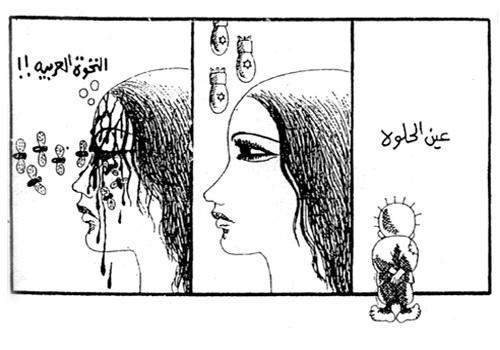
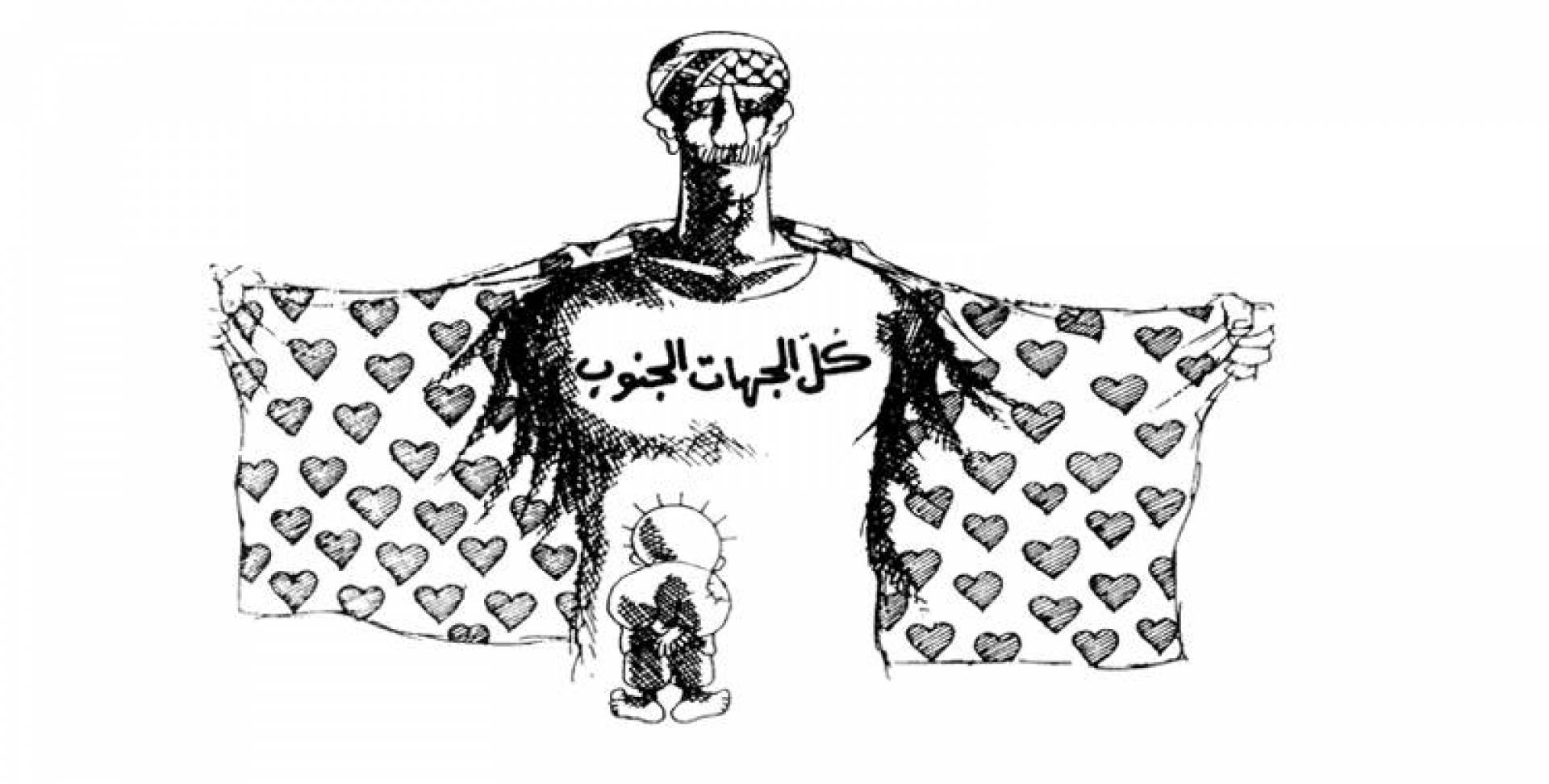
The siege was not only a battle of arms. Arab writers, poets and journalists from many countries stayed in Beirut and recorded its days. Among them was the Jordanian poet Amjad Nasser, who in his book Beirut Small as the Palm of a Hand: Diary of the 1982 Siege called the invasion “a little Armageddon” and its shelling something that “exceeds revenge,” aimed at annihilation and subjugation; he also recounted the scene of Sharon sitting behind the Lebanese president’s desk at Baabda Palace. The book opens with words from Yasser Arafat, who wrote that he wept when he left the city and felt like a wounded bird. [30]
The poet Mahmoud Darwish wrote of the siege in his prose work Memory for Forgetfulness, which describes and dissects a single day of the siege of Beirut interwoven with fragments of his own life, in a style that blends narrative, poetry and reportage. [31]
What the resistance meant
The Palestinian revolution left Beirut, but the occupation failed to storm the city by force throughout the siege and had to accept the fighters’ departure with their personal weapons instead of a surrender. The siege showed the world the occupation bombarding an Arab capital and cutting off its water and medicine, and it shook public opinion inside the occupation state itself. [5][3]
Nor did the invasion achieve its long-term aims: the 17 May 1983 agreement the occupation sought to impose on Lebanon collapsed, and out of the occupation was born a Lebanese resistance that eventually forced it out of the south in 2000. Beirut 1982 remains in Palestinian memory a symbol of a besieged revolution that never raised the white flag. [1][3]
Differences between the accounts
The sources count the length of the siege differently: Arafat spoke of 88 days from the invasion on 6 June to his departure on 30 August, while the Al Jazeera Encyclopedia speaks of 70 days of direct siege of West Beirut from mid-June. Some sources date Arafat’s departure to 29 August; 30 August, as given in the Palestine Chronology, is more likely. [4][1][32][28]
Accounts also differ on the date of the Museum battle, 4 or 5 August, and on the occupation’s losses there: the Palestinian account gives figures not confirmed by independent sources, while the occupation routinely understated its losses. Overall death tolls also vary from source to source depending on the period each count covers. [5][19][22]
Timeline
| Date | Event |
|---|---|
| 3 June 1982 | Attempt on the occupation’s ambassador in London; the PLO denies involvement [1] |
| 4 June | Air raids on Beirut and the camps: 60 dead and 200 wounded [8] |
| 6 June | The invasion begins with more than 250 tanks in four columns [1] |
| 6 June | An occupation warplane downed and its pilot captured near Beaufort [11] |
| 6–7 June | Battle of Beaufort: 30–35 fighters hold out for about 72 hours [12] |
| 7 June | Al-Bass and Rashidieh camps surrounded; the battle of Sidon begins [5] |
| 7 June | Burj al-Shemali shelter massacre: 125 killed by incendiary bombs [14] |
| 17 June | The occupation enters Burj al-Shemali after the fighters withdraw [14] |
| 8 June | Battles at Damour; the occupation army’s deputy chief of staff killed [5] |
| 9–13 June | The battle of Khalde; the landing foiled [19] |
| 13–14 June | West Beirut encircled and the Beirut–Damascus road cut [2] |
| 24 June | Water and electricity rationed; Bhamdoun taken [7] |
| 30 June | Philip Habib presents his plan [2] |
| Early July | Water and electricity cut off completely from West Beirut [20] |
| 3–4 July | Leaflets urge civilians to leave [1] |
| 27 July | The seventh ceasefire collapses [1] |
| 1 August | 14 hours of bombardment; the battle of the airport and Ouzai [22] |
| 4–5 August | The battle of the Museum and the racecourse [19] |
| 8–10 August | Battles at the airport [1] |
| 12 August | Black Thursday: 11 hours of air bombardment [6] |
| 19 August | The occupation government approves the evacuation plan [24] |
| 21 August | The fighters begin to leave Beirut [25] |
| 23 August | Bashir Gemayel elected president [1] |
| 30 August | Yasser Arafat leaves Beirut [28] |
| 14 September | Bashir Gemayel assassinated [1] |
| 16–18 September | The Sabra and Shatila massacre [1] |
| 29 September | The occupation ends its presence in Beirut [2] |
Frequently asked questions about the 1982 siege of Beirut
When did the siege of Beirut begin and end?
The invasion began on 6 June 1982, West Beirut was encircled on 13–14 June, the fighters began leaving on 21 August, and Arafat left on 30 August 1982. [1][2][28]
How many days did Beirut hold out?
About 88 days from the invasion to Arafat’s departure, and about 70 days of direct siege of West Beirut. [4][1]
What were the main battles of the siege?
The battle of the airport, Ouzai and Burj al-Barajneh on 1 August, the Museum battle on 4–5 August and the airport fighting of 8–10 August, preceded by Beaufort and Khalde on the road to Beirut. [22][19][1][12]
What happened at Beaufort Castle in 1982?
Some 30–35 Jarmaq Battalion fighters held out for about 72 hours against more than 1,200 Golani Brigade troops and were all killed, none of them surrendering. [11][12][10]
What was the Burj al-Shemali shelter massacre?
On 7 June 1982 occupation aircraft struck the shelters of Burj al-Shemali camp near Tyre with incendiary bombs, killing 125 civilians, 94 of them in the Nadi al-Hawla shelter. [14]
What was Black Thursday?
12 August 1982, when the occupation bombarded West Beirut for 11 hours without pause, killing 128 and wounding more than 400. [6]
How many fighters left Beirut, and where to?
About 14,000, dispersed to Syria, Jordan, Iraq, Yemen, Tunisia, Sudan and Algeria, where the leadership settled. [2]
When did Yasser Arafat leave Beirut?
On 30 August 1982, aboard a Greek ship to Greece and from there to Tunisia. [28][5]
How is the siege linked to the Sabra and Shatila massacre?
After the fighters left, the occupation stormed West Beirut, and on 16 September 1982 it sealed the two camps and sent in allied militias that massacred the defenceless refugees. [1]
Read also on Palestinuna
The chapters
13 parts- Life under the 1982 Siege of Beirut: Hunger, Thirst and Zionist Massacres In the summer of 1982 death in West Beirut did not come from the aircraft alone. It came from a tap that ran dry, a bakery whose fire went out, a hospital that ran out of oxygen, a pile of r... Read the chapter
- Battle of Beaufort 1982: 72 Hours of Resistance and "None of Them Surrendered" In the first days of June 1982, before the Israeli occupation’s tanks reached Beirut, some thirty fighters of the Palestinian revolution stood on a mountain in south Lebanon, in an old Crusa... Read the chapter
- Nadi al-Hawla Shelter Massacre 1982: The Battle of Burj al-Shemali On 6 and 7 June 1982, the first two days of the Israeli invasion of Lebanon, the Palestinian revolution’s fighters in Burj al-Shemali camp near Tyre fought one of the fiercest battles of the... Read the chapter
- Battle of Khalde 1982: Four Days at Beirut's Southern Gate and the Martyrdom of Abdullah Siyam The Battle of Khalde was the last of the great battles on the road to Beirut in June 1982. It was fought between 9 and 13 June at the Khalde triangle, the Lebanese capital’s southern gateway... Read the chapter
- Battle of Beirut Airport and Ouzai 1982: 14 Hours of Bombing That Failed to Break the Camps On 1 August 1982, after seven weeks of siege, the Israeli occupation army launched its fiercest assault on West Beirut since the invasion began. It bombarded the city for 14 hours without pa... Read the chapter
- Battle of the Museum 1982: The "Final Battle" That Stopped the Storming of West Beirut Fighters in one of the battles of Beirut during the war years (1982–1985). Source: Palestinian Museum Digital Archive, Palestine Red Crescent Society Collection.At dawn on Wednesday 4 August... Read the chapter
- The Bombing of Beirut, 12 August 1982: Eleven Hours of Fire and a "Holocaust" An Israeli occupation air raid on the Sports City in Beirut in 1982. Source: Palestinian Museum Digital Archive, described by WAFA photojournalist Yousef al-Qutob.On Thursday 12 August 1982,... Read the chapter
- Beirut's Hospitals under the 1982 Siege: Shelling, Medicine Blockade and "Begin Amputations" Wounded at a Palestine Red Crescent Society hospital in Beirut, summer 1982. Photograph by Luc Chessex. Source: ICRC Audiovisual Archives, ref. V-P-LB-D-00040-10.In the summer of 1982 the ho... Read the chapter
- The Philip Habib Negotiations 1982: The PLO's Departure from Beirut and the Broken Guarantee Evacuation of wounded in Beirut, 1982. Photograph by Luc Chessex. Source: ICRC Audiovisual Archives, ref. V-P-LB-D-00036-15.For more than two months of the 1982 siege of Beirut, a second bat... Read the chapter
- The Departure of the Fighters and Yasser Arafat from Beirut, 1982: "To Palestine" aboard the Atlantis Yasser Arafat aboard the Greek ship Atlantis after leaving Beirut on 30 August 1982. Photograph by the Lebanese photographer Fouad Elkoury. Source: Middle East Eye.At dawn on Saturday 21 Aug... Read the chapter
- The Wimpy Operation 1982: Khaled Alwan and "Don't Shoot, We Are Withdrawing" Less than two weeks after the Israeli occupation army stormed West Beirut in September 1982, and days after the Sabra and Shatila massacre, an officer and soldiers of the occupation army sat... Read the chapter
- Ansar Detention Camp 1982–1983: Thousands Held behind the Occupation's Wire in South Lebanon On the ground of a small airstrip near the town of Ansar in the Nabatieh district of south Lebanon, the Israeli occupation army set up in July 1982 the largest mass detention camp of the inv... Read the chapter
- Literature of the 1982 Siege of Beirut: Words behind the Barricades The 1982 siege of Beirut was not a battle of arms alone. In the besieged city remained Palestinian, Lebanese and Arab poets, writers and journalists who refused to leave when leaving was sti... Read the chapter
Sources and references
- “The 1982 Israeli Invasion: The War That Drove the PLO out of Lebanon,” Al Jazeera Encyclopedia, 12 July 2024 (in Arabic).
- Ibrahim Hamidi, “Israel Besieges Beirut…” (part 3 of 8), Al Majalla, 23 October 2024 (in Arabic).
- “When the Israelis Said ‘Don’t Shoot, We’re Withdrawing’: Lessons for Gaza from the 1982 Siege of Beirut,” Arabi Post, 19 November 2023 (in Arabic).
- Ghassan Charbel, “Arafat Decided to Fight for Six Months… His Greatest Disappointment Came from Moscow,” Asharq Al-Awsat, 29 August 2023 (in Arabic).
- Farouk Itani, “Summer 1982: Israel Besieges Beirut and Deports Yasser Arafat,” Al Majalla, 3 July 2023 (in Arabic).
- Institute for Palestine Studies, Palestine Chronology, “Thursday, August 12, 1982”.
- Institute for Palestine Studies, Palestine Chronology, “Thursday, June 24, 1982”.
- Institute for Palestine Studies, Palestine Chronology, “Friday, June 4, 1982”.
- “‘The Beast on the Mountain’: The Beaufort Battle That Never Left Israeli Memory,” Annahar, 28 May 2026 (in Arabic).
- “‘Beaufort Castle 1982: Two Narratives’ and an Open Green Wound,” Asharq News, 3 June 2026 (in Arabic).
- “44 Years On, Two Palestinian Fighters Recount the Battle of Beaufort Castle,” Annahar (from AFP), 6 June 2026 (in Arabic).
- “Beaufort Castle: A History of Confronting the Israeli Occupation,” Al Jazeera Encyclopedia, 1 June 2026 (in Arabic).
- Moein al-Taher, a study of the 1982 Battle of Beaufort Castle between the Israeli and Palestinian narratives, Dar al-Mandumah (in Arabic).
- Jaber Suleiman, “Fifteen Years after June 1982: Testimonies on the Battle of Burj al-Shemali and the Israeli Bombing Massacres,” Majallat al-Dirasat al-Filastiniyya, no. 32, Autumn 1997 (in Arabic).
- Encyclopedia of Palestinian Camps, “Burj al-Shemali Camp: Camp of the Martyrs” (in Arabic).
- Encyclopedia of Palestinian Camps, “Rashidieh Camp” (in Arabic).
- Institute for Palestine Studies, Palestine Chronology, “Thursday, June 10, 1982”.
- Institute for Palestine Studies, Palestine Chronology, “Monday, June 14, 1982”.
- Ali Badwan, “The Battle of the Museum, Pride of Palestinian Arms,” Diwan al-Arab, 7 April 2022 (in Arabic).
- Institute for Palestine Studies, Palestine Chronology, “Tuesday, July 6, 1982”.
- Institute for Palestine Studies, Palestine Chronology, “Monday, August 2, 1982”.
- Institute for Palestine Studies, Palestine Chronology, “Sunday, August 1, 1982”.
- Institute for Palestine Studies, Palestine Chronology, “Monday, August 9, 1982”.
- Institute for Palestine Studies, Palestine Chronology, “Thursday, August 19, 1982”.
- Institute for Palestine Studies, Palestine Chronology, “Saturday, August 21, 1982”.
- Institute for Palestine Studies, Palestine Chronology, “Sunday, August 22, 1982”.
- Institute for Palestine Studies, Palestine Chronology, “Sunday, August 29, 1982”.
- Institute for Palestine Studies, Palestine Chronology, “Monday, August 30, 1982”.
- Report of the UN Secretary-General on the situation in the Beirut area, UN document S/15382, 2 September 1982.
- “Amjad Nasser and a Diary of the Siege of Beirut,” Al Jazeera Net (from Reuters), 16 November 2012 (in Arabic).
- Mahmoud Darwish, Dhakira lil-Nisyan (Memory for Forgetfulness), al-Ahliyya (book page on Abjjad) (in Arabic).
- Ibrahim Hamidi, “Secret Documents on Arafat’s Exit from Beirut,” Al Majalla, 19 May 2024 (in Arabic).
Photo gallery


More from the archive
 Download Our Palestine App
The whole archive in the palm of your hand: depopulated villages, the Nakba, the massacres and Al-Aqsa — free, with no ads to erase the story.
Comments
No comments yet — be the first to write one.
Add your comment
Name and email are optional. Comments appear after review.