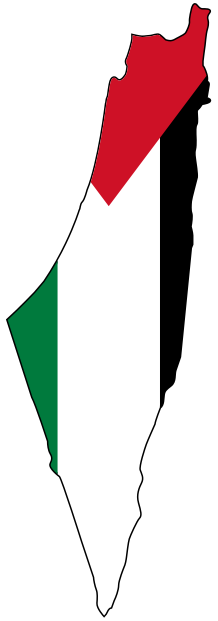
Arab al-Mawasi Massacre 1948: Young Men Executed Near Eilabun
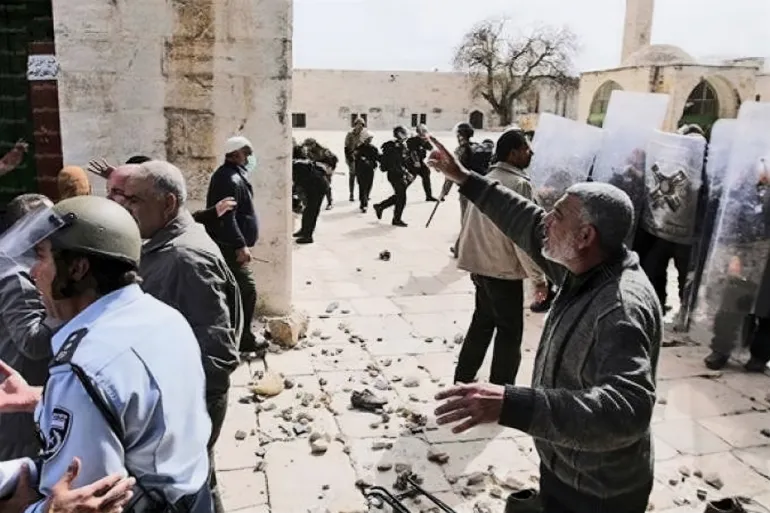
On 2 November 1948 the Israeli occupation army arrested young men of Arab al-Mawasi near the village of Eilabun in the Galilee, accused them of collaborating with the Arab Salvation Army, led them away at gunpoint, and shot them. Between 15 and 17 young men were killed. [1] [2] [3]
The massacre came just days after the Eilabun massacre, during the occupation of the Galilee, and it is one of the Zionist massacres against the Palestinian people.
The Arab al-Mawasi massacre at a glance
| Item | Details |
|---|---|
| Date | 2 November 1948 [1] |
| Place | The encampments of Arab al-Mawasi near Eilabun in the Galilee [2] [3] |
| Perpetrator | The Israeli occupation army [1] [2] |
| Pretext | “Collaborating with the Arab Salvation Army” [1] |
| Method | Young men arrested and led away at gunpoint, then shot [1] [2] |
| Killed | 15 to 17 young men [2] [1] [3] |
| Burial | The people of Eilabun buried them in a cave near the village [3] |
Arab al-Mawasi
Arab al-Mawasi is a Palestinian Arab tribe whose homes were spread across the Galilee, with encampments near Eilabun in the Lower Galilee, [2] including a community at Mazra’at Hittin. [3] Read also: Tiberias before the Nakba.
The massacre: 2 November 1948
After Israeli forces occupied Eilabun and committed a massacre there on 30 October 1948, executing 14 of the village’s young men and expelling its people towards Lebanon, [1] their patrols turned to the nearby encampments of Arab al-Mawasi. [2]
On 2 November 1948 the troops arrested the young men on charges of collaborating with the Arab Salvation Army. [1] Local testimonies recount that the soldiers took advantage of a feast celebrating a birth: tanks surrounded the site, 36 young men, all under forty, were arrested and taken to the Mughar Hazzur area for sorting; 17 were chosen for execution, 13 were sentenced to life imprisonment, and the fate of the rest remains unknown. [3]
In Al Jazeera Net’s account, the patrols led 15 men away at gunpoint, and they were “executed in cold blood.” [2] WAFA records that the troops shot 16 young men dead on the spot. [1]
Those spared execution were imprisoned in Tiberias, and some later managed to escape and reach Syria. [3]
The testimony of a martyr’s son
Sheikh Saud Atiya al-Mawasi (Abu Atiya) was about ten years old on the day of the massacre. He lost his father, Atiya, and his brothers Mu’ajjal and Muqbil. [2]
The cave and the remembrance
The people of Eilabun found the bodies and buried them all in a cave near the village, sealing its entrance with stones and mud. [3]
Abu Atiya still takes part every year in the march commemorating the Eilabun massacre, which stops at the graves of the martyrs of both massacres. [2]
Conclusion
The occupation army arrested the young men of Arab al-Mawasi on a ready-made pretext, executed them without trial, and left their bodies to the people of Eilabun, who had lost their own sons days earlier. The massacre stands as evidence that the occupation of the Galilee in 1948 was not only battles but field executions of civilians.
Frequently asked questions about the Arab al-Mawasi massacre
When did the Arab al-Mawasi massacre take place?
It took place on 2 November 1948.
How many people were killed in the Arab al-Mawasi massacre?
Between 15 and 17 young men, depending on the source.
What pretext did the occupation give?
It accused the young men of collaborating with the Arab Salvation Army.
Where were the Arab al-Mawasi martyrs buried?
The people of Eilabun buried them in a cave near the village.
Is it related to the al-Mawasi massacres in Khan Yunis?
No. Arab al-Mawasi is a tribe in the Galilee, while al-Mawasi in Khan Yunis is a coastal area of the Gaza Strip.
Sources and references
Arabic-language sources are listed with translated titles.
More from the archive
 Download Our Palestine App
The whole archive in the palm of your hand: depopulated villages, the Nakba, the massacres and Al-Aqsa — free, with no ads to erase the story.
Comments
No comments yet — be the first to write one.
Add your comment
Name and email are optional. Comments appear after review.