Tell es-Samak in Haifa

Tell es-Samak in Haifa
Tell es-Samak in Haifa: The Phoenician City of Purple at the Foot of Carmel
Tell es-Samak ("the Mound of the Fish") is an archaeological mound on a rocky headland between Mount Carmel and the Mediterranean, at the southern edge of Haifa, inhabited almost continuously from the Late Bronze Age, around 1600 BCE, to the 7th century CE. The mound is famous as one of the largest centres of purple dye production in the Levant: it yielded the largest assemblage of purple-stained Iron Age vessels found anywhere around the Mediterranean, and in the Roman and Byzantine periods a town stood here, probably "Porphyreon", the "City of Purple", whose houses were adorned with mosaic floors. This guide covers the mound's history, industry and finds.
Quick facts
| Arabic name | تل السمك – حيفا |
|---|---|
| Meaning of the name | "The Mound of the Fish" |
| Location | Rocky headland between Carmel and the sea, southern Haifa |
| Area | About 2 acres (8 dunams) |
| Occupation | From about 1600 BCE to the 7th century CE |
| Late Bronze Age | Possible coastal temple |
| Iron Age | Major purple dye production centre (10th–7th century BCE) |
| Roman and Byzantine | Dye pools and villas with mosaic floors |
| Probable ancient name | Porphyreon, "City of Purple" |
| Abandoned | 7th century CE |
The name
The mound bears the Arabic name "Tell es-Samak", "the Mound of the Fish", for its seaside position and link with fishing. In the Roman and Byzantine periods scholars believe the town on it was known as "Porphyreon", from the Greek word for purple, reflecting the industry it was famous for, while the area was also known as "Sycaminum".
Location
The mound lies on a rocky headland between the foot of Mount Carmel and the Mediterranean, at the southern edge of Haifa, south of Stella Maris Monastery and its lighthouse. This sheltered coastal position gave its ancient inhabitants a natural anchorage and an abundant supply of the murex sea snail from which purple dye was extracted.
History through the ages
- Late Bronze Age (about 1600–1200 BCE): the site was probably a coastal or maritime temple, judging by unique finds from it.
- Iron Age (10th–7th century BCE): the mound became a major industrial centre for dyeing wool purple, with a Phoenician character, along with buildings, defensive walls and olive presses.
- 6th–4th century BCE: settlement continued on the mound in the Persian period.
- Roman period (3rd–4th century CE): industrial dyeing pools were built.
- Byzantine period (4th–5th century CE): luxurious villas with mosaic floors were built.
- 7th century CE: the site was abandoned.
The purple dye industry
Purple dye extracted from the murex sea snail was one of the most precious commodities of the ancient world, the colour of kings and elites, for which the Phoenicians and Canaanites of the Levantine coast were famed. Tell es-Samak yielded an unparalleled number of purple-stained Iron Age pottery vessels, the largest such assemblage around the Mediterranean: thick-walled jars bearing soot from being heated during dyeing. Analysis showed the dye came from the murex snail. A single storeroom held more than 200 loom weights and 60 spindle whorls, pointing to a large workforce spinning wool for dyeing. The industry flourished between the 10th and 7th centuries BCE and ended near the close of the 7th century BCE, perhaps because of the upheaval of the Assyrian and Babylonian invasions. Abundant Cypriot pottery reveals extensive trade links with Cyprus.
The Roman and Byzantine town
Purple dyeing returned to the mound in the Roman period: industrial pools of the 3rd and 4th centuries CE have been uncovered, with purple-stained soil and murex shells, and a rock-cut pool with dams probably used to keep the snails. In the 4th and 5th centuries luxurious villas with mosaic floors and carvings were built, suggesting wealth perhaps derived from the purple trade, which has led scholars to identify the town as "Porphyreon". The site was abandoned in the 7th century CE.
From Tell es-Samak to Arab Haifa
Near the mound later grew "old Haifa" (Haifa al-Atiqa), the small Arab coastal town, before Sheikh Zahir al-Umar al-Zaydani built new Haifa to its east in the 18th century, becoming the city we know. From the Canaanites, the first to settle and build up the Haifa area, to Arab Haifa, some 95% of whose people were expelled in April 1948, Tell es-Samak bears witness to the continuous history of this Palestinian coast.
The mound today (2026)
Tell es-Samak remains an open archaeological site on Haifa's southern shore, where remains of buildings, walls and mosaic floors can be seen, while most of its finds have been moved to museums. The site is mostly presented to visitors without reference to Haifa's Arab history, though it is part of the layered history of a Palestinian city whose expelled people still call for their return.
Frequently asked questions
Where is Tell es-Samak?
On a rocky headland between Mount Carmel and the Mediterranean, at the southern edge of Haifa.
What is Tell es-Samak famous for?
Purple dye production from the murex snail; it yielded the largest assemblage of purple-stained Iron Age vessels around the Mediterranean.
When was Tell es-Samak inhabited?
From the Late Bronze Age, around 1600 BCE, to the 7th century CE.
What was the Byzantine town at Tell es-Samak called?
Scholars believe it was "Porphyreon", the "City of Purple", after its industry.
Are there mosaics at Tell es-Samak?
Yes, mosaic floors from Byzantine villas of the 4th and 5th centuries CE.
Conclusion
At the foot of Carmel, on a rock struck by the waves of the Mediterranean, the people of Tell es-Samak dyed wool purple three thousand years ago, and later built mosaic villas in the "City of Purple". The mound remains a witness to the depth of the Haifa coast's history, and to a land that has been a cradle of unbroken civilisation since the Canaanites and Phoenicians.
More from the archive
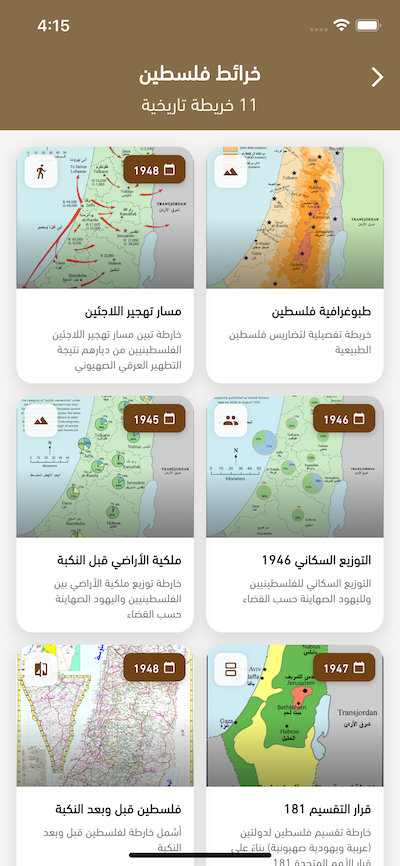
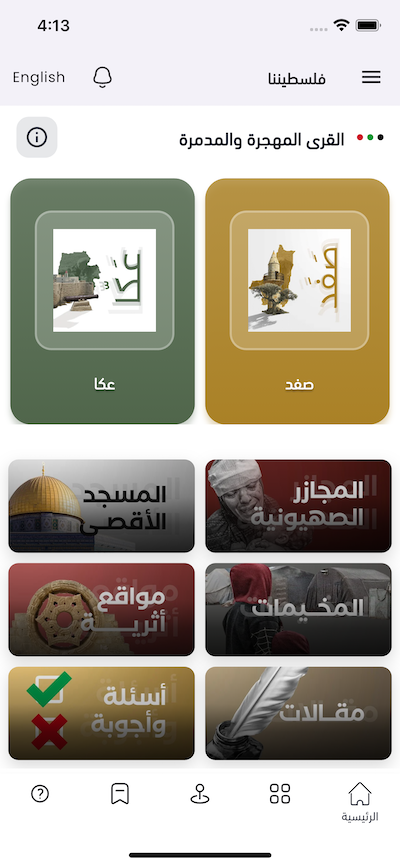
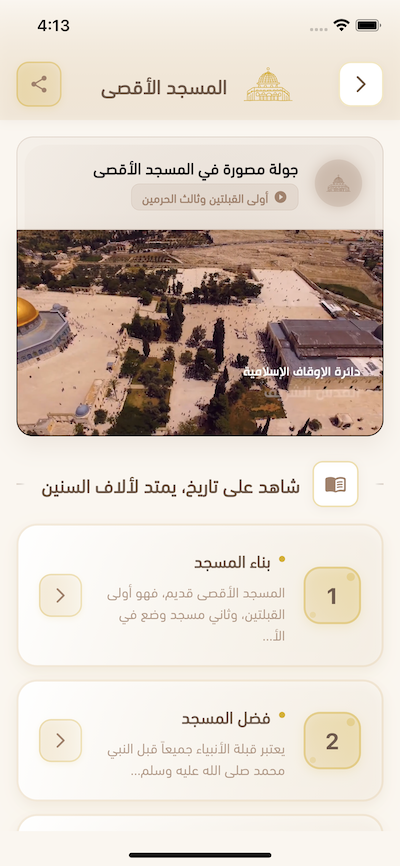
 Download Our Palestine App
The whole archive in the palm of your hand: depopulated villages, the Nakba, the massacres and Al-Aqsa — free, with no ads to erase the story.
Comments
No comments yet — be the first to write one.
Add your comment
Name and email are optional. Comments appear after review.