
Solomon's Pools
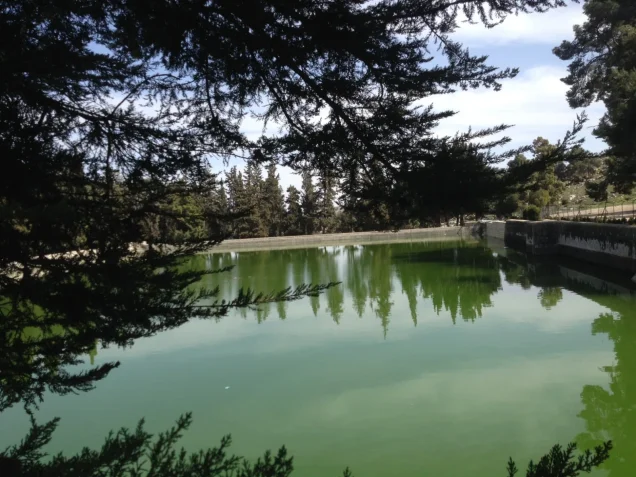
Solomon's Pools
Solomon's Pools near Bethlehem: History, Engineering, Murad Castle and the 2026 Takeover Threat
In the hills south of Bethlehem, on the historic road between Jerusalem and Hebron, Solomon's Pools (Burak Sulayman) bear witness to engineering genius that has endured for more than two thousand years. The three huge stepped reservoirs, holding about 290,000 m³, were the heart of a water system that carried life to Jerusalem and Bethlehem through some 80 km of aqueducts, using gravity alone. Despite their name, there is no evidence linking them to the prophet Solomon: their oldest parts date to the 2nd century BCE, and the name is often linked to the Ottoman sultan Suleiman the Magnificent. In 2026 Israeli ministers and settlers launched a campaign to seize the site, although it lies in Area A under Palestinian control. This guide covers its history, engineering, landmarks and situation today.
Quick Facts About Solomon's Pools
| Arabic name | برك سليمان |
|---|---|
| Location | About 3.5 km south-west of Bethlehem, between Artas and al-Khader |
| Type | Ancient water reservoirs and aqueduct system |
| Number of pools | Three stepped pools, each about 6 m above the next |
| Dimensions | 118–179 m long; 8–23 m deep |
| Capacity | About 290,000 m³ |
| Dating | Oldest parts 2nd century BCE; lower pool rebuilt 1483 CE |
| Aqueducts | About 80 km in total, to Jerusalem, Bethlehem and Herodium |
| Nearby | Murad Castle (Qal'at al-Burak), built 1618 |
| Status | Area A (Palestinian control); on Palestine's tentative World Heritage list since 2026 |
The Name: Folk Tradition and History
Although they are famous as "Solomon's Pools", there is no archaeological evidence that the prophet Solomon built them; the name became attached to him in Palestinian folk tradition, which also calls the nearby Artas valley "the Gardens of Solomon". Many historians link the name instead to the Ottoman sultan Suleiman the Magnificent, who restored the pools and brought them back into use in the 16th century. The original construction is far older.
Location
The pools lie south-west of Bethlehem, between the village of Artas and the town of al-Khader, on the historic road linking Jerusalem and Hebron, about 3.5 km from Bethlehem. The site was chosen carefully, in a valley between the hills where water collects naturally, making it an ideal place to store and transport water.
History Through the Ages
- Hasmonean and Herodian periods: Scholars date the oldest parts of the system to the 2nd century BCE. The upper two pools were probably begun in the Hasmonean period and completed under Herod, and the Lower Aqueduct to Jerusalem dates to the 1st century BCE.
- Roman period: The masonry of one pool and newly discovered aqueduct sections date to the early Roman period, and the long Arrub aqueduct was added to bring water from the south.
- Mamluk period: The Lower Pool was rebuilt in 1483 CE under the Mamluk sultan Qaytbay.
- Ottoman period: Sultan Suleiman the Magnificent restored the pools and aqueducts in the 16th century, and in 1618 Sultan Osman II built a fortress beside them to guard the water and the pilgrimage road.
- British Mandate: The British built a pumping station below the middle pool that sent water by pipe to the Old City of Jerusalem.
Architecture and Engineering
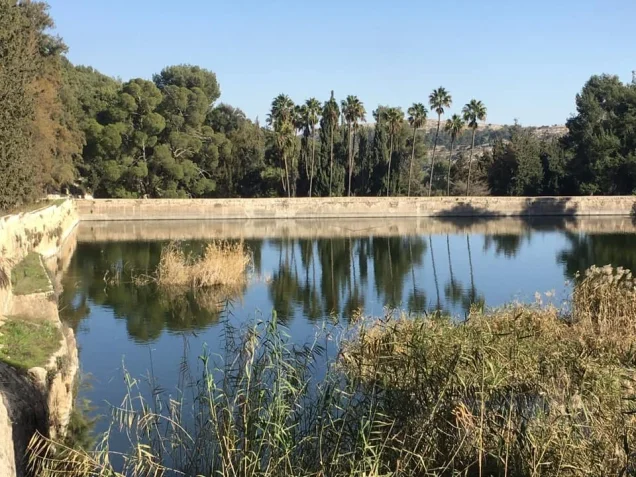
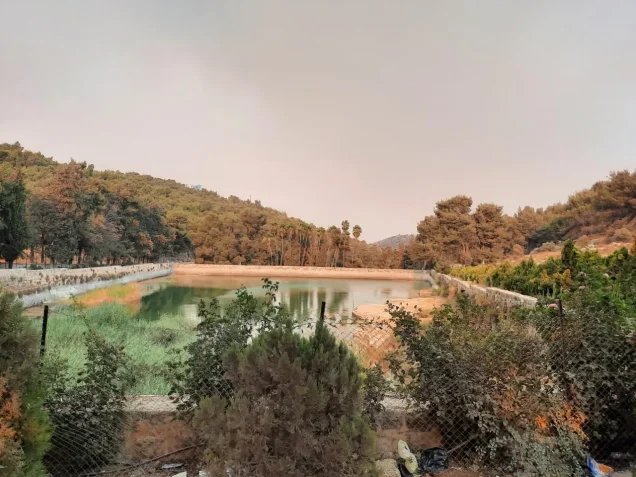
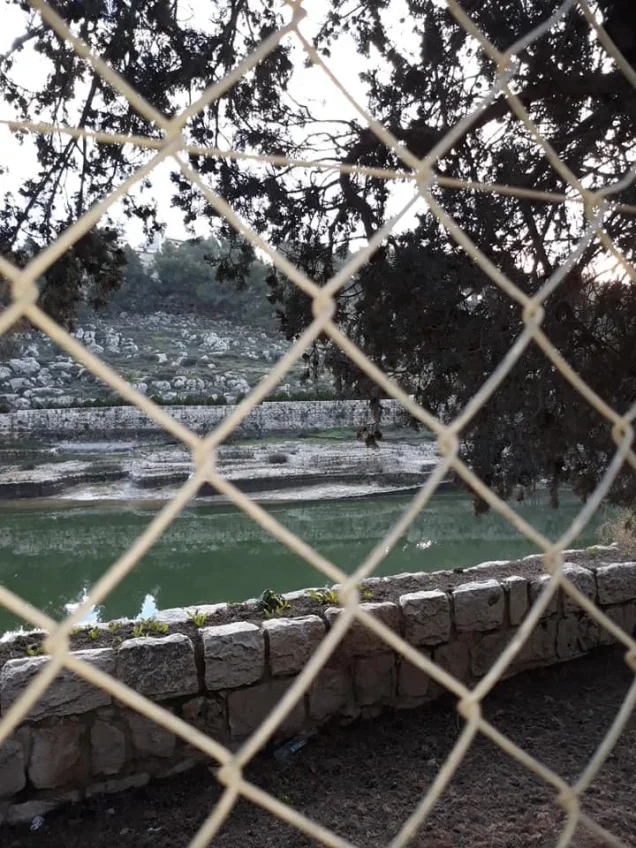
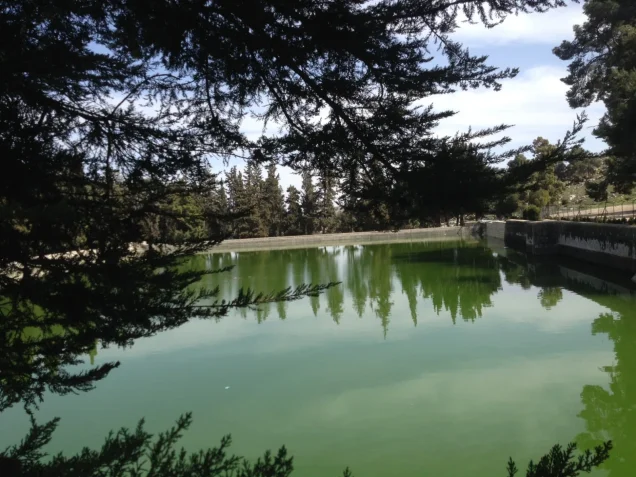
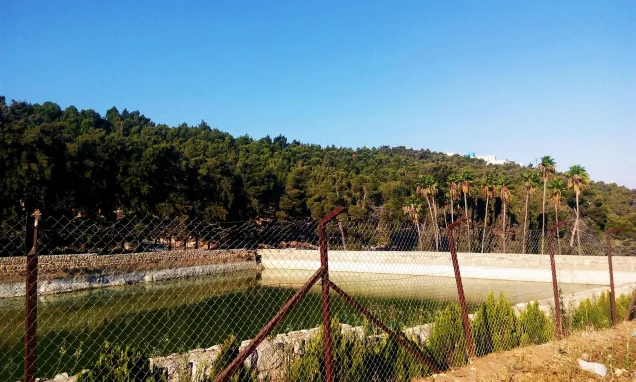
Solomon's Pools consist of three huge stepped pools, each about six metres higher than the next, with water from the upper pool flowing into the middle and then the lower through channels. They range from 118 to 179 metres in length and from 8 to 23 metres in depth; a 2018 survey measured the Lower Pool at 23 metres deep rather than the earlier figure of 16. Together they hold about 290,000 cubic metres. They were built by combining rock-cutting with stone masonry and worked entirely by natural gravity, without pumps.
The Water System and Aqueducts
The pools were not mere reservoirs but part of an integrated water system, among the greatest of the ancient world. They were fed by natural springs, rainwater and channels from the surrounding hills, and connected to a network of aqueducts totalling about 80 km:
- The Lower Aqueduct (1st century BCE) carried water to Jerusalem and the Temple Mount area, passing through Bethlehem.
- The Upper Aqueduct began at the upper pool and ran towards Jerusalem at a higher level.
- The Arrub Aqueduct, about 39 km long, brought water from the Arrub springs to the south.
- The Wadi al-Biyar Aqueduct, partly cut as a tunnel, brought water from the south-west.
- A branch supplied Herod's palace-fortress at Herodium.
The system relied on precise calculations of gradient, reflecting an advanced level of engineering knowledge. It supplied Jerusalem, on and off, for about two thousand years, until 1967.
Surrounding Landmarks
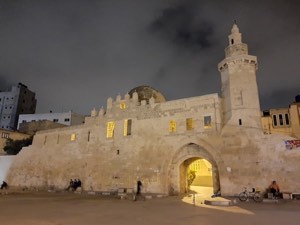
- Murad Castle (Qal'at al-Burak): A rectangular Ottoman fortress with four square corner towers, built in 1618 to guard the pools. It served as barracks, a caravanserai and a staging post for pilgrims to Mecca, and today houses a heritage museum.
- The Artas Valley: Known for its fertile farmland and springs, it is called "the Gardens of Solomon" in some traditions and has played an important role in the region's agriculture throughout history.
Decline After 1967 and Restoration
After Israel occupied the West Bank in 1967, the pools stopped supplying Jerusalem, the aqueduct beyond Bethlehem was destroyed, and modern water systems replaced the old one. Between 1967 and the 1990s nearby quarries and factories drew water from the pools, and the site went through periods of neglect and decay. Several people have drowned in the pools since the 1990s, and a wall of one pool collapsed in 2016. Since 2009 the site has been managed by the Palestinian Convention Palace Company, a pumping station below the lower pool still supplies water to Bethlehem, and restoration work, including a project funded in 2017, has reopened it as a heritage and tourist site.
The 2026 Takeover Campaign
Although the pools lie in Area A, under full Palestinian civil and security control under the Oslo Accords, in 2026 Israeli ministers and settler groups launched a coordinated campaign to seize them:
- May 2026: On 25 May the Israeli Finance Minister and Knesset members entered the site under military protection, called Palestinian management "unacceptable" and pledged to change it. Another minister said Israel must stop thinking in terms of Areas A, B and C.
- June 2026: A Security Cabinet member toured the site with the head of the Efrat settlement council and called for it to be "returned to Israeli hands". On 26 June Israeli forces dispersed Palestinian families with stun grenades and tear gas during a settler incursion.
- July 2026: On 7 July the Israeli Heritage Minister announced that his ministry would allocate NIS 10 million, take control of the site and raise the Israeli flag over it. Israeli forces then prevented the Palestinian Prime Minister from reaching the site and blocked a ceremony to lay the foundation stone of a planned mosque.
- August–October 2026: Israeli forces closed the area on 5 August, and on 7 August settlers performed Talmudic rituals at the second and third pools under military protection. Raids continued into October.
The Bethlehem governor formed a committee of government, local and civil representatives to confront the plans, which he says aim to expand the Efrat settlement. The Israeli archaeology NGO Emek Shaveh warned that a takeover would set a precedent for hundreds of heritage sites in Areas A and B.
Legal Protection and UNESCO
In 2026 Solomon's Pools were included, as part of the "Jerusalem water system: Qanat es-Sabeel", on Palestine's tentative list for UNESCO World Heritage. As part of occupied territory, the site is protected by the Fourth Geneva Convention and the 1954 Hague Convention for the Protection of Cultural Property in the Event of Armed Conflict, which bar an occupying power from seizing or altering cultural property, while the Oslo Accords place Area A under Palestinian civil authority.
Significance
Solomon's Pools are a unique example of ancient engineering genius and an integrated water system powered by gravity alone. For more than two thousand years they sustained life in Jerusalem and Bethlehem, making them a living witness to the continuity of civilisation in Palestine and to the deep relationship between people and their environment.
Frequently Asked Questions About Solomon's Pools
Where are Solomon's Pools?
About 3.5 km south-west of Bethlehem, between Artas and al-Khader, on the historic road between Jerusalem and Hebron.
Did the prophet Solomon build Solomon's Pools?
There is no archaeological evidence for this. The oldest parts date to the 2nd century BCE, and many historians link the name to the Ottoman sultan Suleiman the Magnificent, who restored them.
How big are Solomon's Pools?
The three pools are 118–179 m long and 8–23 m deep, holding about 290,000 cubic metres of water in total.
Where did the water from Solomon's Pools go?
Through about 80 km of aqueducts to Jerusalem, Bethlehem and Herod's fortress at Herodium, using gravity alone, until 1967.
Why are Solomon's Pools in the news in 2026?
Israeli ministers and settlers launched a campaign to seize the site, though it lies in Area A under Palestinian control, including a pledge to take it over and raise the Israeli flag.
Conclusion
For two thousand years Solomon's Pools gathered the rain of the Bethlehem hills and sent it, by gravity alone, to the cities around them. Restored by Mamluks and Ottomans and guarded by Murad Castle, they are one of Palestine's great heritage landscapes. Today, as Israeli ministers vow to raise their flag over them, Palestinians are working to protect a site that belongs to the history of their land.
Photo gallery




More from the archive
 Download Our Palestine App
The whole archive in the palm of your hand: depopulated villages, the Nakba, the massacres and Al-Aqsa — free, with no ads to erase the story.
Download Our Palestine App
The whole archive in the palm of your hand: depopulated villages, the Nakba, the massacres and Al-Aqsa — free, with no ads to erase the story.



Comments
No comments yet — be the first to write one.
Add your comment
Name and email are optional. Comments appear after review.