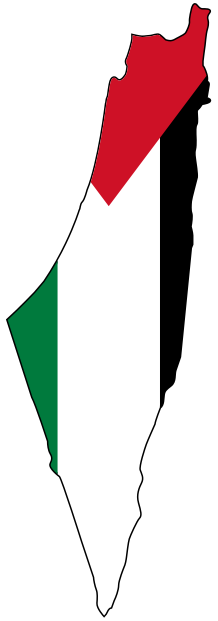
The White Mosque in Nazareth

The White Mosque in Nazareth
The White Mosque in Nazareth: The Old City's Mosque and a Symbol of Peace
The White Mosque (al-Masjid al-Abyad) is one of the oldest mosques in Nazareth and a landmark of its old city, standing in the heart of the old market near the Saraya of Zahir al-Umar and the Basilica of the Annunciation. Construction began in 1785 under the governor of Acre, Ahmad Pasha al-Jazzar, and was completed under his successor Suleiman Pasha al-Adil in the early 19th century, supervised by Sheikh Abdullah al-Nayni, later known as "al-Fahoum"; the al-Fahoum family still cares for it as a family waqf today. Nazareth's people see its white colour as a symbol of peace, brotherhood and purity, in a city where Muslims and Christians have lived side by side for centuries. This guide covers the mosque's history, architecture and significance.
Quick facts
| Arabic name | المسجد الأبيض – الناصرة |
|---|---|
| Other names | Al-Jami' al-Abyad |
| Location | Old market, old city of Nazareth |
| Construction began | 1785, under Ahmad Pasha al-Jazzar |
| Additions | Arcade and minaret 1799; teaching rooms and wall 1804 |
| Completed | Early 19th century, under Suleiman Pasha al-Adil |
| Supervisor of construction | Sheikh Abdullah al-Nayni, known as al-Fahoum |
| Custodians | The al-Fahoum family, as a family waqf |
| Symbolism of the name | Peace, brotherhood and purity |
| Museum | A small museum of old documents and records |
The name
Nazareth's people see the white colour that gives the mosque its name as a symbol of peace, brotherhood among people, purity and simplicity, the mosque's central message in a multi-faith city. Others link the name to the rule of Suleiman Pasha "the Just", known as "the white era" for the justice and peace that prevailed after al-Jazzar's rule.
Location
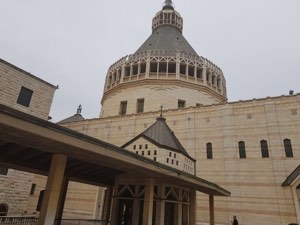
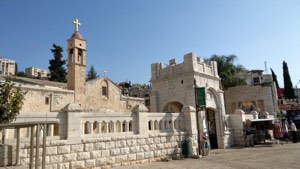
The mosque stands in the heart of the old market in the old city of Nazareth, close to the Saraya of Zahir al-Umar and its clock tower, the Basilica of the Annunciation, St. Joseph's Church and the Greek Orthodox Church of the Annunciation by Mary's Well, in an urban fabric where mosque and church stand side by side.
History and builders
- Before 1812: Nazareth's Muslims prayed in the prayer hall of the Saraya built by Zahir al-Umar.
- 1785: construction of the mosque began under the governor of Acre, Ahmad Pasha al-Jazzar.
- 1799: an arcade and a minaret were added.
- 1804: teaching rooms were added and the surrounding wall was built.
- Early 19th century: the mosque was completed under Suleiman Pasha al-Adil, al-Jazzar's successor, and prayers moved there from the Saraya hall around 1812.
Sheikh al-Fahoum and the family waqf
Construction was supervised by Sheikh Abdullah al-Nayni, who, Nazareth's people relate, studied at al-Azhar and became a respected religious scholar, earning the title "al-Fahoum" for his insight and wisdom; he is said to have been exiled to Egypt after opposing Egyptian rule during the revolt of 1834. The sheikh was buried on the west side of the mosque, and since then the al-Fahoum family has cared for the mosque as a family waqf, passing its management down from generation to generation.
Architecture and museum
The mosque consists of a prayer hall, an arcade and a minaret added in 1799, and teaching rooms and a surrounding wall added in 1804, in the local Ottoman style of Galilee. It houses a small museum preserving rare old documents and records that tell the story of the mosque and the city. The mosque has been restored in recent years, with its exterior and surroundings improved.
Nazareth: a city of fraternity
Nazareth is an Arab city where Muslims and Christians live side by side, and the White Mosque stands a few steps from its historic churches. On 16 July 1948 Zionist militias occupied Nazareth, but most of its people stayed, and it took in thousands of refugees from nearby villages such as Saffuriya, becoming the main centre of the Palestinians inside the Green Line. The White Mosque remained a religious and social centre for Nazareth's Muslims and a symbol of fraternity among its people.
The mosque today (2026)
The White Mosque is still full of worshippers in the heart of the old market, cared for by the al-Fahoum family and welcoming visitors to its small museum, while, like other mosques in Arab towns inside the Green Line, it faces the threat of restrictions on the call to prayer after the Knesset passed a "Muezzin Law" in a preliminary reading on 1 July 2026. With its white colour and its message, the mosque remains a witness to Arab Nazareth, which has kept its identity despite the Nakba.
Frequently asked questions
Where is the White Mosque in Nazareth?
In the heart of the old market in Nazareth's old city, near the Saraya of Zahir al-Umar and the Basilica of the Annunciation.
When was the White Mosque built?
Construction began in 1785 under Ahmad Pasha al-Jazzar and was completed under Suleiman Pasha al-Adil in the early 19th century.
Why is it called the White Mosque?
Nazareth's people see the white colour as a symbol of peace, brotherhood and purity, and others link it to the "white era" of Suleiman Pasha the Just.
Who cares for the White Mosque?
The al-Fahoum family, descendants of Sheikh Abdullah al-Nayni, known as al-Fahoum, who supervised its construction; they run it as a family waqf.
Is there a museum in the White Mosque?
Yes, a small museum preserving rare old documents and records about the history of the mosque and the city.
Conclusion
In the heart of Nazareth's old market, between the Saraya and the churches, the White Mosque has stood for more than two centuries carrying the message of peace its colour symbolises. Cared for by the al-Fahoum family and with its small museum, it remains a witness to an Arab city where Muslims and Christians have lived as brothers, and which still preserves its identity and memory.
More from the archive
 Download Our Palestine App
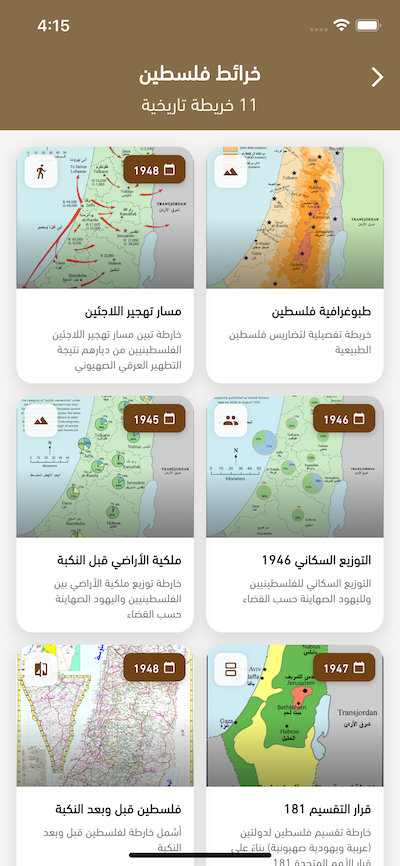
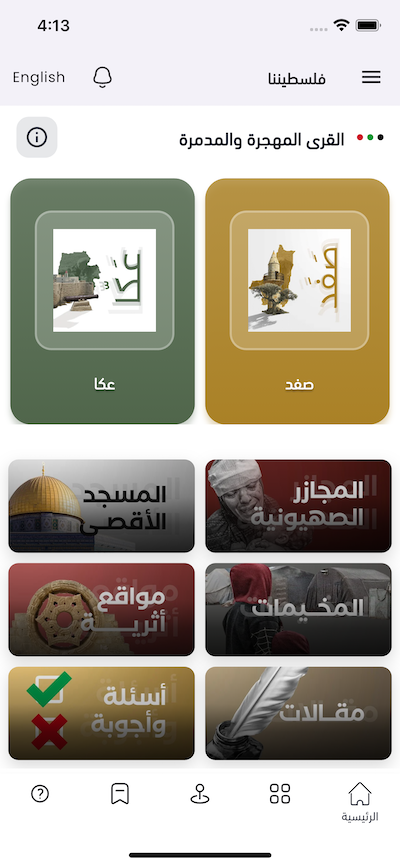
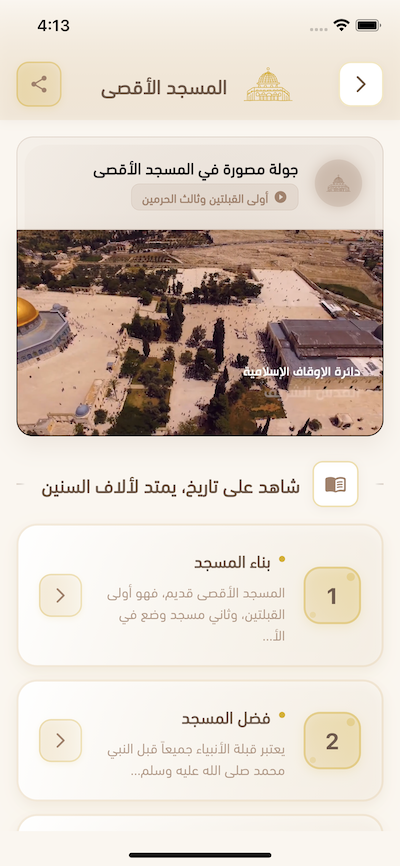
The whole archive in the palm of your hand: depopulated villages, the Nakba, the massacres and Al-Aqsa — free, with no ads to erase the story.
Comments
No comments yet — be the first to write one.
Add your comment
Name and email are optional. Comments appear after review.