St. Joseph's Church in Nazareth

St. Joseph's Church in Nazareth: The Church of "Joseph's House and Workshop" Beside the Annunciation
St. Joseph's Church, also known as the Church of the Nutrition and Joseph's Workshop, is a Catholic church in the old city of Nazareth, standing just north of the Basilica of the Annunciation. Christian tradition places here the house and workshop of Joseph the carpenter, husband of the Virgin Mary, where Jesus grew up. The present church was built in 1914 over the ruins of a Crusader church and a network of caves and cisterns, after the friars of the Franciscan Custody of the Holy Land acquired the site in 1754. Its crypt holds a basin with a mosaic floor believed to be an early Christian baptistry. This guide covers the church's history, architecture and significance.
Quick facts
| Arabic name | كنيسة القديس يوسف – الناصرة |
|---|---|
| Other names | Church of the Nutrition, Joseph's Workshop |
| Location | Old city of Nazareth, beside the Basilica of the Annunciation |
| Denomination | Catholic, Franciscan Custody of the Holy Land |
| Tradition | House and workshop of Joseph the carpenter, where Jesus grew up |
| Site acquired | 1754, by the Franciscans |
| Present church | 1914, over the ruins of a Crusader church |
| Crypt | Caves, grain silos, cisterns and a mosaic-floored basin |
| Art | Paintings and stained glass of the life of St. Joseph |
| First called "Joseph's House and Workshop" | 17th century |
The name and tradition
The church bears the name of St. Joseph the carpenter, husband of the Virgin Mary, who raised Jesus in Nazareth. It is called the "Church of the Nutrition" because tradition places here the house where Jesus was brought up, and "Joseph's Workshop" because the people of Nazareth knew the spot, at least from the 17th century, as "Joseph's House and Workshop". Early Christian writers record that relatives of Jesus remained in Nazareth, and the pilgrim Arculf described two large churches in the town in the 7th century, one of them over the house where Jesus grew up.
Location
The church stands in the old city of Nazareth in Lower Galilee, just north of the Basilica of the Annunciation and in the shadow of its tall dome, within the Franciscan compound, close to the Saraya of Zahir al-Umar, the White Mosque and the old market.
History
- 7th century: the pilgrim Arculf described two large churches in Nazareth, one of them over the house where Jesus grew up.
- Crusader period: a Crusader church stood on the site; the present church was built over its ruins.
- 17th century: the Franciscan friar Francesco Quaresmi described a place the people of Nazareth called "Joseph's House and Workshop", where a church dedicated to St. Joseph had once stood.
- 1754: the friars of the Franciscan Custody of the Holy Land acquired the site.
- 1914: the present church was built over the ruins of the old one; construction uncovered caves, cisterns, remains of dwellings and a stepped basin.
Architecture and art
The church is a solid, simple stone building. Its apse is decorated with three paintings showing the Holy Family, the Dream of Joseph, and the Death of Joseph in the arms of Jesus and Mary. Stained-glass windows tell scenes from the life of St. Joseph: his betrothal to Mary, his dream and his death, while a statue of the Holy Family stands in the church.
The crypt, caves and baptistry
Stairs lead down to the crypt, where ancient caves can be seen through a grille in the floor. Seven more steps bring visitors to a square basin about two metres on each side, with a black-and-white mosaic floor, believed to be an early Christian baptistry. Beside it, rough steps lead through a narrow passage to an underground chamber about two metres high, opening onto grain silos and water cisterns cut into the soft limestone, as was the custom of Nazareth's ancient inhabitants. Scholars note that identifying the cave as Joseph's workshop remains a tradition not confirmed by archaeological evidence.
Nazareth: city of the Annunciation and of Palestinians inside the Green Line
Nazareth is an Arab city of Muslims and Christians where, according to tradition, the Virgin Mary received the Annunciation. Zionist militias occupied it on 16 July 1948, but most of its people stayed, and it took in thousands of refugees from surrounding villages such as Saffuriya, becoming the main administrative and cultural centre of the Palestinians inside the Green Line. Around St. Joseph's Church stand landmarks that tell this history: the Basilica of the Annunciation, the Saraya of Zahir al-Umar and its clock tower, and the White Mosque.
The church today (2026)
The church belongs to the Franciscan Custody of the Holy Land and welcomes pilgrims as well as worshippers from Nazareth, and the feast of St. Joseph is celebrated there. Together with the Basilica of the Annunciation and the landmarks of the old city, it remains part of the Arab Christian heritage of Nazareth, a city that has kept its Palestinian identity despite the Nakba.
Frequently asked questions
Where is St. Joseph's Church in Nazareth?
In the old city of Nazareth, just north of the Basilica of the Annunciation.
When was St. Joseph's Church built?
The present church was built in 1914 over the ruins of a Crusader church, after the Franciscans acquired the site in 1754.
Why is it called the Church of the Nutrition?
Because Christian tradition places here the house where Jesus grew up in the care of Joseph and Mary.
What is in the church's crypt?
Ancient caves, grain silos and cisterns cut into the rock, and a mosaic-floored basin believed to be an early Christian baptistry.
Who runs St. Joseph's Church?
The Franciscan Custody of the Holy Land, as part of its Nazareth compound that includes the Basilica of the Annunciation.
Conclusion
In the shadow of the Annunciation's dome, above caves carved into the rock by Nazareth's ancient inhabitants, St. Joseph's Church keeps the memory of the house where Jesus grew up. It remains a witness to Arab Nazareth, a city where mosque and church stand side by side and whose people still tell its story two thousand years on.
More from the archive


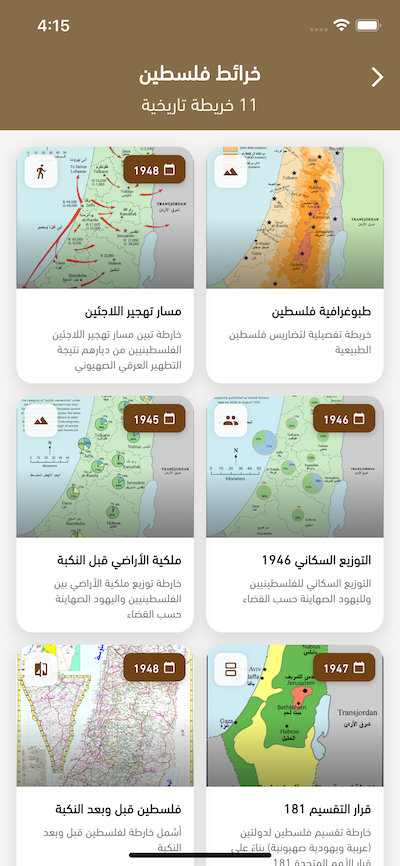
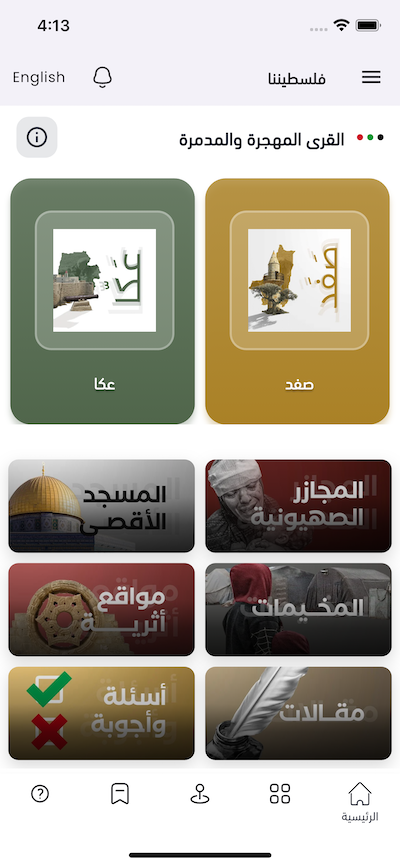
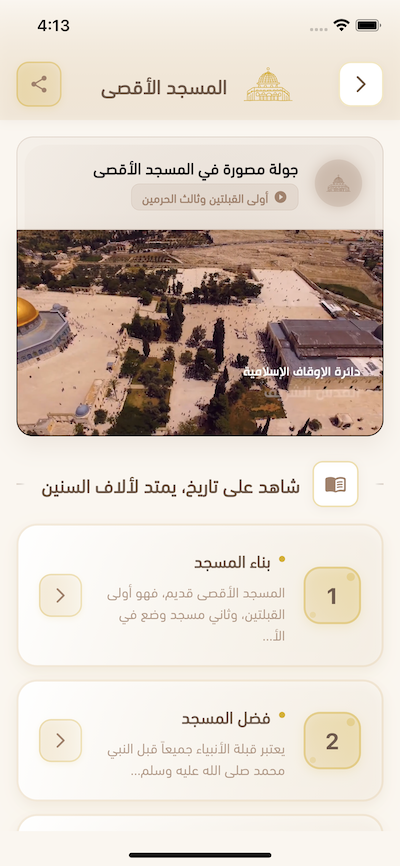
 Download Our Palestine App
The whole archive in the palm of your hand: depopulated villages, the Nakba, the massacres and Al-Aqsa — free, with no ads to erase the story.
Comments
No comments yet — be the first to write one.
Add your comment
Name and email are optional. Comments appear after review.