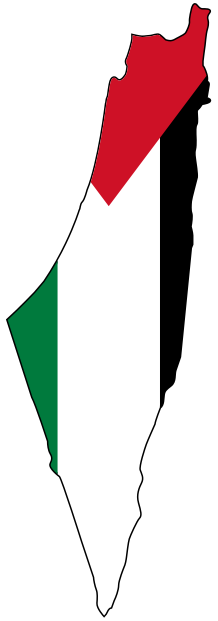
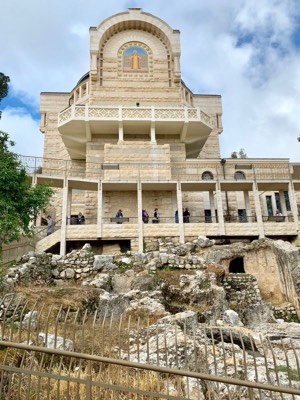
Gethsemane in Jerusalem

Gethsemane in Jerusalem: The Olive Garden and the Church of All Nations
Gethsemane (al-Jismaniyya) is an olive garden and Christian holy site at the western foot of the Mount of Olives (Jabal al-Tur) in Jerusalem, facing the Old City walls and Lions' Gate across the valley of Sitti Maryam. Its Aramaic name means "oil press", and Christians believe Jesus prayed his last prayer here on the night of his arrest. The site holds a garden of eight ancient olive trees, the Church of All Nations (Church of the Agony), completed in 1924 over the ruins of Byzantine and Crusader churches, and the Grotto of Gethsemane, with the Church of the Tomb of the Virgin Mary close by. The lands of Gethsemane and the surrounding churches face Israeli plans to expand a "national park" around the Old City. This guide covers the site's history, landmarks and present state.
Quick facts
| Arabic name | الجسمانية – القدس |
|---|---|
| Other names | Al-Jithmaniyya, Garden of Olives |
| Meaning of the name | "Oil press" in Aramaic |
| Location | Western foot of the Mount of Olives, facing Lions' Gate |
| Main landmarks | Church of All Nations, the garden, the grotto, the Tomb of the Virgin |
| Byzantine church | Reign of Emperor Theodosius I (379–395 CE) |
| Present church | 1919–1924, architect Antonio Barluzzi |
| Olive trees | Eight trees about 900 years old |
| Garden area | About 1,200 square metres |
| Custodian | The Franciscan Custody of the Holy Land |
The name
The name "Gethsemane" (in Arabic al-Jismaniyya or al-Jithmaniyya) comes from Aramaic and means "oil press"; an olive press probably stood here, in an area known since antiquity for the olive groves that gave the mountain its name. Today the name covers three neighbouring sites: the olive garden, the Grotto of Gethsemane, and the Church of the Agony, known as the Church of All Nations.
Location
Gethsemane lies at the western foot of the Mount of Olives, east of the Old City of Jerusalem, separated from the walls and Lions' Gate by the valley of Sitti Maryam. Beside it stands the Church of the Tomb of the Virgin Mary, and above it on the slope rises the Russian Church of Mary Magdalene with its seven gilded domes.
Religious significance
The Gospels tell how, after the Last Supper, Jesus came with his disciples to a garden called Gethsemane and prayed there in deep sorrow while his disciples slept, until Judas arrived with soldiers and he was arrested. Only the Gospel of Luke mentions the angel who strengthened him and his "sweat like drops of blood". Gethsemane therefore became one of the holiest Christian sites in Jerusalem, visited by pilgrims from around the world, especially during Holy Week.
The Church of All Nations
- The Byzantine church: built under Emperor Theodosius I (379–395 CE) and described as "elegant" by the 4th-century pilgrim Egeria, it measured about 25.5 × 16.35 metres with mosaic floors, and was destroyed by fire in 614 CE during the Persian invasion of Jerusalem.
- The Crusader church: rebuilt in the second half of the 12th century, it was partly pulled down after Salah al-Din liberated Jerusalem; its ruins are still visible beside the present church.
- The present church: its foundation stone was laid on 17 October 1919 and it was inaugurated on 15 June 1924, designed by the Italian architect Antonio Barluzzi on the plan of the Byzantine church.
- The name: it is called the "Church of All Nations" because many countries helped fund it; their coats of arms adorn the twelve ceiling domes and the apse mosaics.
- The Rock of the Agony: a bare rock before the altar where Jesus is believed to have prayed, enclosed by a crown of thorns in wrought iron and silver.
- The façade: crowned by a gold mosaic from 1930, while the apse mosaics inside depict the prayer and the arrest of Jesus.
The ancient olive trees
In the garden beside the church, over about 1,200 square metres, stand eight ancient olive trees. Studies published in 2012 showed that their visible parts date back about 900 years, and that the eight trees are genetically identical, suggesting they were grown from cuttings of a single tree. They remain among the oldest olive trees in Palestine and a witness to the bond between the people of the land and the olive tree over thousands of years.
The Grotto and the Tomb of the Virgin
The Grotto of Gethsemane is a cave about 19 metres long and 10 metres wide, used first for farming, then as a rock church and burial place in the Byzantine period, and decorated with Crusader paintings; the Custody of the Holy Land has owned it since 1361. Nearby stands the Church of the Tomb of the Virgin Mary, reached down a flight of steps, where Christians believe the apostles buried the body of the Virgin Mary, and which also holds the tombs of Saints Joachim and Anne, her parents. On the Feast of the Assumption the Christian communities pitch tents in the church courtyard and light candles along its stairs.
Gethsemane under occupation
- "Greater Jerusalem": the lands of Gethsemane fall within the "Greater Jerusalem" plan, and the threat of confiscation hangs over them.
- A sealed entrance: the occupation authorities sealed the main entrance of one of the site's churches with cement, claiming it was dilapidated, and the Israel Antiquities Authority bars restoration unless its own staff are present.
- The national park plan (2022): the Israel Nature and Parks Authority proposed expanding the "national park" around Jerusalem's walls by about 275 dunams, covering much of the Mount of Olives and church lands including those of Gethsemane and the Church of Mary Magdalene. After a letter of protest from the heads of Jerusalem's churches, the plan was frozen in March 2022, with warnings that it could be revived.
- Fewer pilgrims: pilgrim numbers have fallen because of wars and checkpoints inside Jerusalem.
Gethsemane today (2026)
Gethsemane still welcomes pilgrims and worshippers and features in the Holy Week and Palm Sunday processions that descend from the Mount of Olives towards the Old City. But like other Christian and Muslim properties in Jerusalem, the site lives under the pressure of occupation plans that seek to ring the Old City with "national parks" and restrict the churches on their own land. The eight olive trees and the domes of the Church of All Nations remain a witness to Arab Christian Jerusalem and to its Christian people, who hold on to their holy places despite their dwindling numbers.
Frequently asked questions
Where is Gethsemane?
At the western foot of the Mount of Olives in Jerusalem, facing the Old City walls and Lions' Gate across the valley of Sitti Maryam.
What does the name Gethsemane mean?
It is an Aramaic name meaning "oil press", after an olive press that probably stood here.
Why is it called the Church of All Nations?
Because many countries helped fund its construction between 1919 and 1924, and their coats of arms adorn the ceiling domes.
How old are the olive trees of Gethsemane?
Studies in 2012 showed their visible parts are about 900 years old, and that the eight trees are genetically identical.
What threatens Gethsemane today?
Occupation plans to expand a "national park" around the Old City at the expense of church lands; the latest was frozen in 2022.
Conclusion
At the foot of the Mount of Olives, where an oil press once stood, pilgrims pray beneath olive trees nine centuries old and in a church built by many nations over the ruins of Byzantine and Crusader churches. With its trees and churches, Gethsemane remains part of the identity of Arab Jerusalem, Christian and Muslim alike, in the face of plans to tear it from its context.
More from the archive


 Download Our Palestine App
The whole archive in the palm of your hand: depopulated villages, the Nakba, the massacres and Al-Aqsa — free, with no ads to erase the story.

Comments
No comments yet — be the first to write one.
Add your comment
Name and email are optional. Comments appear after review.