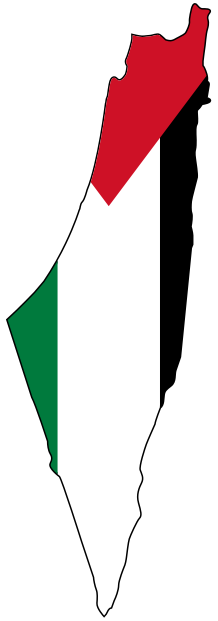
Hammam al-Samara in Gaza

Hammam al-Samara in Gaza: The Last Historic Bathhouse, Destroyed in the Genocidal War
Hammam al-Samara is a historic bathhouse in the al-Zaytoun quarter in the heart of the old city of Gaza. It was the only surviving historic bathhouse in the Gaza Strip and the city's second-oldest landmark after the Great Omari Mosque. Its age is estimated at between about 865 and 1,000 years; it was renovated in the Mamluk period by Emir Sanjar ibn Abdullah al-Mu'ayyadi, and it is named after the Samaritans who worked in it for a time. The bathhouse kept working until 2023 as a place of healing, a tourist attraction and a refuge for Gaza's people, until Israeli occupation aircraft bombed it in December 2023 during the genocidal war on Gaza, destroying it completely and reducing it to rubble. This guide covers the bathhouse's history, architecture and destruction.
Quick facts
| Arabic name | حمام السمرة – غزة |
|---|---|
| Location | Al-Zaytoun quarter, old city of Gaza, near Omar al-Mukhtar Street |
| Estimated age | Between about 865 and 1,000 years |
| Mamluk renovation | By Emir Sanjar ibn Abdullah al-Mu'ayyadi |
| Name | After the Samaritans who worked in it |
| Area | About 500 square metres |
| Materials | Stone and moisture-resistant marble |
| Status | The last historic bathhouse in the Gaza Strip |
| Function | Public bathhouse, place of healing and tourist site |
| Destroyed | December 2023, Israeli airstrike, total destruction |
The name
The bathhouse is called "Hammam al-Samara" after the Samaritans (al-Samara), the ancient Palestinian community, some of whom lived in Gaza; according to the Palestinian Ministry of Culture, they were the first to work in and run it for a time.
Location
The bathhouse stands in the al-Zaytoun quarter in the heart of the old city of Gaza, near Omar al-Mukhtar Street, close to the Great Omari Mosque, the Church of St. Porphyrius, Qasr al-Basha and the Qaysariyya market, in the historic fabric that holds the city's oldest landmarks. Its entrance lies somewhat below the level of the surrounding buildings and is reached by steps.
History
Estimates of the bathhouse's age vary: those who ran it estimated that it was built and restored about 865 years ago, while the Palestinian Ministry of Culture describes it as nearly a thousand years old. Sources record that it was renovated and restored in the Mamluk period by Emir Sanjar ibn Abdullah al-Mu'ayyadi, and it continued to operate through the Ottoman period, so that it was considered the last bathhouse of that era in the region. While Gaza's other historic bathhouses disappeared, Hammam al-Samara kept working until 2023, making it the city's second-oldest landmark after the Great Omari Mosque and the only surviving historic bathhouse in the Gaza Strip.
Architecture and sections
The bathhouse covered about 500 square metres and was built of marble stone to resist the damp, with floors that stayed warm all day thanks to the heating system beneath them. The temperature rose from room to room, from cool to warm to hot, in the style of Levantine bathhouses:
- Entrance: below street level, leading down steps to the main hall.
- Main hall (al-barrani): centred on an octagonal fountain and crowned by a dome pierced with coloured-glass openings that let in sunlight, surrounded by benches for sitting and resting.
- Passages and iwans: linking the hall to changing iwans, the warm-water plunge pool and the steam room.
- Furnace: reached by a staircase overlooking the domes, where wood was stacked as fuel to heat the water.
The bathhouse in Gaza's life
Hammam al-Samara was part of Gaza's social life: its people came to bathe, relax and seek healing through hot water and steam, wedding rituals such as the groom's bath were held there, and tourists and foreign delegations visited it. Under the blockade imposed on the Strip since 2007, with its power and water cuts, the bathhouse became a breathing space and a vital refuge for Gaza's people, and a living witness to the city's ancient heritage.
Destruction in the genocidal war
During the genocidal war on Gaza, Israeli occupation aircraft bombed Hammam al-Samara. On 30 December 2023 the Palestinian Ministry of Culture announced that "Israeli occupation aircraft bombed Hammam al-Samara in central Gaza City and destroyed it completely", turning the bathhouse that had stood for centuries into rubble. The Israeli military issued no comment on the strike. Its destruction was part of a broad assault on Gaza's heritage that included the Great Omari Mosque, the Church of St. Porphyrius, Qasr al-Basha, Beit al-Saqqa and the Sayyid Hashim Mosque; Israel destroyed more than 200 archaeological sites in the Strip during the war.
The bathhouse today (2026)
Nothing remains of Hammam al-Samara but rubble and ruins in the heart of Gaza's devastated old city. Palestinians and cultural institutions call for what remains to be documented, for the occupation to be held accountable for destroying cultural heritage protected by the 1954 Hague Convention, and for the bathhouse and Gaza's historic landmarks to be rebuilt as part of the Strip's reconstruction.
Frequently asked questions
Where is Hammam al-Samara?
In the al-Zaytoun quarter of Gaza's old city, near Omar al-Mukhtar Street.
Why is it called Hammam al-Samara?
After the Samaritans (al-Samara), who were the first to work in and run it for a time.
How old is Hammam al-Samara?
Its age is estimated at between about 865 and 1,000 years; it was renovated in the Mamluk period by Emir Sanjar ibn Abdullah al-Mu'ayyadi.
Was Hammam al-Samara working before the war?
Yes. It was the only working historic bathhouse in the Gaza Strip and a place of healing and tourism until 2023.
When was Hammam al-Samara destroyed?
In December 2023, when Israeli occupation aircraft bombed it during the genocidal war on Gaza, destroying it completely.
Conclusion
For nearly a thousand years the steam of Hammam al-Samara rose beneath its coloured dome in al-Zaytoun, carrying the memory of generations of Gaza's people. In a single moment of the genocidal war it was reduced to rubble, but it lives on in Gazans' memory as a witness to an ancient city whose history some seek to erase, and to its people's determination to rebuild it.
More from the archive
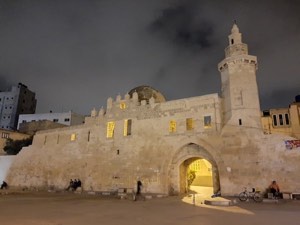


 Download Our Palestine App
The whole archive in the palm of your hand: depopulated villages, the Nakba, the massacres and Al-Aqsa — free, with no ads to erase the story.
Comments
No comments yet — be the first to write one.
Add your comment
Name and email are optional. Comments appear after review.