Al-Zafar Dumri Mosque in Gaza
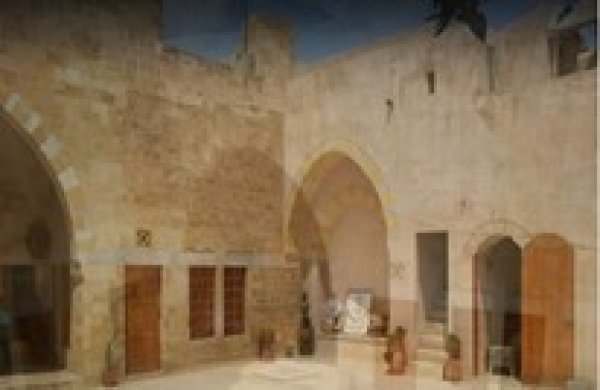
Al-Zafar Dumri Mosque in Gaza: The Mamluk Mosque of al-Shuja'iyya Levelled in the Genocidal War
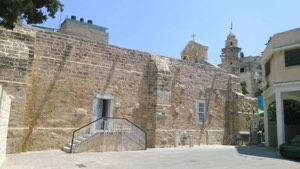
Al-Zafar Dumri Mosque, popularly known as the al-Qazdamri Mosque, is a historic Mamluk mosque in the al-Shuja'iyya quarter of eastern Gaza City. It was built by the Mamluk emir Shihab al-Din Ahmad ibn Azfir al-Zafar Dumri in 762 AH (1360–1361 CE) and holds its founder's tomb. Its façades and arcades were adorned with Quranic verses and decoration carved in sandstone, and it held some 800 worshippers over more than 600 square metres. A large part of it was damaged in the 2014 assault on Gaza, and an Israeli airstrike then destroyed it completely during the genocidal war on Gaza that began in October 2023. This guide covers the mosque's history, architecture and destruction.
Quick facts
| Arabic name | مسجد الظفر دمري – غزة |
|---|---|
| Other names | Al-Qazdamri Mosque, al-Zafardamri Mosque |
| Location | Al-Shuja'iyya quarter, eastern Gaza City |
| Founder | Mamluk emir Shihab al-Din Ahmad ibn Azfir al-Zafar Dumri |
| Built | 762 AH / 1360–1361 CE |
| Period | Mamluk |
| Area | More than 600 square metres |
| Capacity | About 800 worshippers |
| Tomb | Tomb of Emir Shihab al-Din al-Zafar Dumri |
| Destruction | Heavy damage in 2014; total destruction in the genocidal war (2023–2025) |
The name and founder
The mosque bears the name of its founder, the Mamluk emir Shihab al-Din Ahmad ibn Azfir al-Zafar Dumri, who according to local accounts came from the town of "Zafar Damar" in the Maghreb. Locals corrupted the name into "al-Qazdamri Mosque". The emir was buried in the mosque he built, and his tomb remained there as a witness to its founder.
Location
The mosque stands in the al-Shuja'iyya quarter, one of the largest and oldest quarters of Gaza City, on its eastern side, and was one of the quarter's oldest landmarks and finest Mamluk monuments. Al-Shuja'iyya grew up outside the walls of old Gaza in the Ayyubid and Mamluk periods and was a stop on the caravan route between Egypt and Syria.
History
- 762 AH / 1360–1361 CE: Emir Shihab al-Din Ahmad ibn Azfir al-Zafar Dumri built the mosque in the Mamluk period and was buried in it.
- Later centuries: the mosque remained a landmark of al-Shuja'iyya, and a modern section was later added beside the historic part.
- 2014: a large part of the mosque was damaged during the Israeli assault on Gaza.
- 2023–2025: an Israeli airstrike destroyed it completely during the genocidal war on Gaza.
Architecture and decoration
The mosque had two parts: a historic Mamluk part and a modern one. The historic part had three rectangular iwans overlooking the prayer hall, separated by pointed arches springing from the walls and decorated with ornament carved in sandstone. Its windows were horseshoe-arched, each with a door through which worshippers entered the prayer hall. Its façades and arcades were adorned with Quranic verses and carved stone decoration in the style of Gaza's Mamluk architecture. It covered more than 600 square metres and held about 800 worshippers.
Gaza in the Mamluk period
Gaza enjoyed a great building revival in the Mamluk period, becoming the seat of a governorate and a main stop on the postal and caravan route between Cairo and Damascus, and Mamluk emirs built mosques, schools, khans and bathhouses there. Other witnesses to that era besides al-Zafar Dumri Mosque include the Ibn Uthman Mosque in al-Shuja'iyya, Barquq Castle in Khan Younis, the renovation of Hammam al-Samara and parts of the Great Omari Mosque.
Destruction in the genocidal war
After the damage it suffered in 2014, the mosque was struck during the genocidal war on Gaza by an Israeli airstrike that levelled it; an archaeologist specialising in Gaza's heritage describes it as "deliberately levelled in an airstrike". This came amid the wide destruction of al-Shuja'iyya, which suffered repeated incursions and bombardment, and the targeting of Gaza's heritage, which hit more than 200 archaeological sites, including the Great Omari Mosque, the Sayyid Hashim Mosque, the Church of St. Porphyrius, Hammam al-Samara and Qasr al-Basha.
The mosque today (2026)
Nothing remains of al-Zafar Dumri Mosque but rubble amid devastated al-Shuja'iyya, more than six and a half centuries after it was built. Palestinians call for what remains of the mosque and its founder's tomb to be documented, for the occupation to be held accountable for destroying cultural and religious heritage protected by international law, and for Gaza's historic mosques to be rebuilt as part of the Strip's reconstruction.
Frequently asked questions
Where is al-Zafar Dumri Mosque?
In the al-Shuja'iyya quarter of eastern Gaza City.
Who built al-Zafar Dumri Mosque?
The Mamluk emir Shihab al-Din Ahmad ibn Azfir al-Zafar Dumri, who was buried in it.
When was the mosque built?
In 762 AH, corresponding to 1360–1361 CE, in the Mamluk period.
Why is it called the al-Qazdamri Mosque?
Because locals corrupted its founder's name, "al-Zafar Dumri", into "al-Qazdamri".
What happened to the mosque in the war?
A large part of it was damaged in 2014, and an Israeli airstrike then destroyed it completely during the genocidal war on Gaza.
Conclusion
For more than six and a half centuries al-Zafar Dumri Mosque raised the call to prayer in al-Shuja'iyya, with its Mamluk iwans and verses carved in stone. The genocidal war levelled it along with the quarter that embraced it, but it remains in the memory of Gaza's people as a witness to their city's ancient history and to their right to rebuild it.
More from the archive
 Download Our Palestine App
The whole archive in the palm of your hand: depopulated villages, the Nakba, the massacres and Al-Aqsa — free, with no ads to erase the story.



Comments
No comments yet — be the first to write one.
Add your comment
Name and email are optional. Comments appear after review.