
Sukhneh Refugee Camp
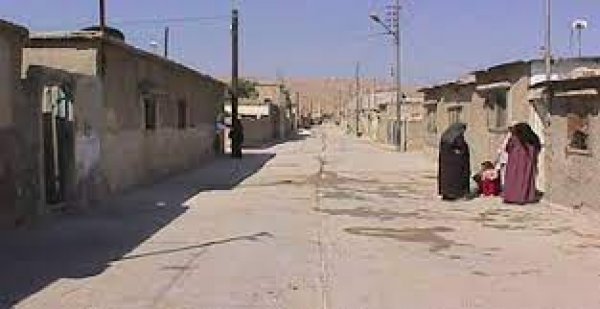
Sukhneh Refugee Camp in Jordan: History, Origins, Population and Life North of Zarqa
Sukhneh Camp (also spelled Sokhna or al-Sukhna) lies near the town of al-Sukhneh, north of the city of Zarqa in Jordan. Established in with only about 250 people, it is today home to around 6,300–7,350 Palestinians, among them Bedouin clans from Beersheba, families from Lydda and Ramla, and others from Tulkarm, Tammun and al-Jiftlik. Recognised by the Jordanian government but not counted among UNRWA's ten official camps in Jordan, it is described as the only camp in the country without a sewage network. This guide covers its history, origins, population, services and its situation today.
Quick Facts About Sukhneh Camp
| Arabic name | مخيم السخنة |
|---|---|
| Other spellings | Sokhna, Sakhna, al-Sukhna |
| Country | Jordan |
| Location | Near al-Sukhneh town, north of Zarqa city, Zarqa Governorate (al-Hashimiyya district) |
| Year established | (1968 according to some sources) |
| Area | About 69 dunums according to the Department of Palestinian Affairs |
| Population at founding | About 250 |
| Population today | About 6,300 (2017 survey) to 7,350 (Department of Palestinian Affairs) |
| Origin of residents | Beersheba clans, Lydda and Ramla, and West Bank villages such as Tulkarm, Tammun and al-Jiftlik |
| Status | Recognised by Jordan; not one of UNRWA's ten official camps, though UNRWA runs schools and a health centre |
From the Nakba to the Naksa: Why Sukhneh Camp Exists
Many of Sukhneh's families were first uprooted in the Nakba (Arabic for "catastrophe"): the mass expulsion of Palestinians during the occupation of Palestine in , when roughly 750,000 Palestinians were driven from their homes. The Bedouin clans of the Beersheba region were driven from their lands in the Naqab, and the people of Lydda, Ramla and villages such as al-Tira (Tira Dandan) were expelled in July 1948.
The June war, which Palestinians call the Naksa, brought a new wave of displacement across the Jordan River, including families from West Bank areas such as Tulkarm, Tammun and al-Jiftlik. In 1969 a small camp was established for some of these families near the town of al-Sukhneh, north of Zarqa.
The Right of Return
Whether displaced in 1948 or again in 1967, Sukhneh's families keep their refugee status and their right of return. That right rests on several foundations in international law:
- UN General Assembly Resolution 194 (), paragraph 11, resolved that refugees wishing to return to their homes and live at peace with their neighbours should be permitted to do so at the earliest practicable date, and that compensation should be paid to those choosing not to return and for loss of or damage to property.
- UN Security Council Resolution 237 () called on Israel to facilitate the return of those who had fled since the outbreak of hostilities in 1967.
- The Universal Declaration of Human Rights (Article 13) affirms everyone's right to leave any country, including their own, and to return to it.
- UN General Assembly Resolution 3236 () reaffirmed the "inalienable right" of Palestinians to return to their homes and property.
History of the Camp (1969–2025)
Sukhneh began in 1969 as a very small settlement of about 250 people beside the town of al-Sukhneh, on the edge of Zarqa Governorate. Over the following decades its population grew to more than twenty-five times that size, and the camp spread from its original area into the surrounding land. Homes were built and extended by families themselves, and the camp came under the oversight of Jordan's Department of Palestinian Affairs (DPA), which maintains an office there alongside a camp services committee.
Unlike most camps in Jordan, Sukhneh was never connected to a public sewage network. As its population grew, the reliance on cesspits became one of its most serious problems, with wastewater collecting in the streets. In March 2016, residents publicly complained about the state of the camp's infrastructure and transport.
The Current Situation (2025–2026)
Sukhneh's main problems today are the absence of a sewage network, deteriorating and overcrowded housing, and poverty. Dozens of families depend on assistance from UNRWA, charities and Jordan's National Aid Fund. The camp's small size and distance from Zarqa make transport and access to services harder for its residents.
The financial crisis of UNRWA adds to these pressures. In 2026, UNRWA announced cuts of about 20% to service hours and school time across its fields, including Jordan, affecting the agency's school and health centre on which Sukhneh's families rely.
Legal Status: Recognised by Jordan, Not by UNRWA
Sukhneh is one of the camps recognised by the Jordanian government and administered through the DPA, but it is not among UNRWA's ten official camps in Jordan. In practice, UNRWA still provides services there: it runs the camp's schools and a health centre and gives assistance to some families. The camp's municipal services, such as cleaning, are handled by the local municipality.
Origin of the Name
The camp is named after the nearby town of al-Sukhneh, which takes its name from the spring of Ain al-Sukhneh. In Arabic, السخنة means "the warm one", a reference to the spring's water.
Location and Geography
Sukhneh Camp lies near the town of al-Sukhneh in the north of Zarqa Governorate, within the al-Hashimiyya district. Sources put its distance from the city of Zarqa at between about 10 and 23 km. It is the most remote of the three Palestinian camps in Zarqa Governorate, alongside Zarqa Camp and Marka (Hittin) Camp.
Area and Layout
Figures for the camp's area vary. The Department of Palestinian Affairs puts it at about 69 dunums, while the Encyclopedia of Palestinian Camps says it grew from about 30,000 m² at founding to about 170,000 m² today as homes spread beyond the original boundary. The camp has about 500–750 housing units, a mosque, a bakery and about 40 shops.
Origins of the Residents
Sukhneh's population reflects both 1948 and 1967. According to the Encyclopedia of Palestinian Camps, its families include:
- Clans of the Beersheba region: the Azazmeh and Huwaytat, as well as the Balawneh
- Families from Lydda and Ramla: including people of al-Tira (Tira Dandan) and the Dar Eid clan, part of the Sawarka tribe, which is spread across Gaza, Beersheba and Sinai
- Other places: Tulkarm, al-Khudayra (Hadera), Tammun and al-Jiftlik in the Jordan Valley
Population and Demographics
Because Sukhneh is not an official UNRWA camp, figures come mainly from Jordanian sources and surveys and describe residents of the camp rather than UNRWA-registered refugees.
Population of Sukhneh Camp
- 1969About 250Encyclopedia of Palestinian Camps
- 2017About 6,300 in 680 families and 500 housing unitsSurvey cited by Wikipedia
- RecentAbout 7,350 in 800 families and 750 housing unitsDepartment of Palestinian Affairs
Housing and Infrastructure
Homes are connected to the drinking water network, but the camp is described as the only one in Jordan without a sewage network. Each housing unit relies on cesspits, often at least three crammed into a small plot, and wastewater collects in the streets, posing a risk to public health. Housing is deteriorating, cramped and overcrowded, with many people sharing each unit.
Economic and Social Life
The camp has a small commercial life of about 40 shops and a bakery. Poverty is widespread: according to the Encyclopedia of Palestinian Camps, 72 families receive UNRWA assistance, 75 receive help from charities and 115 from Jordan's National Aid Fund. Community life revolves around the camp's youth club, a women's community centre, a charity for special education and the camp services committee.
Health Situation
The camp has an UNRWA health centre and a government medical centre. The lack of a sewage network and the collection of wastewater in the streets are the camp's most serious environmental health risks.
Education
UNRWA runs the camp's schools, for boys and girls, and there is one kindergarten. There are no government schools run by Jordan's Ministry of Education inside the camp, so older students must study elsewhere.
Frequently Asked Questions About Sukhneh Camp
Where is Sukhneh refugee camp located?
Near the town of al-Sukhneh in the north of Zarqa Governorate, Jordan, about 10–23 km from the city of Zarqa depending on the source.
When was Sukhneh camp established?
In 1969 (1968 according to some sources), with only about 250 residents.
Is Sukhneh an official UNRWA camp?
No. It is recognised by the Jordanian government but is not among UNRWA's ten official camps in Jordan, although UNRWA runs schools and a health centre there.
How many people live in Sukhneh camp?
Between about 6,300 (2017 survey) and 7,350 (Department of Palestinian Affairs).
Where do Sukhneh's residents come from?
From Beersheba clans such as the Azazmeh, from Lydda, Ramla and al-Tira, and from West Bank places such as Tulkarm, Tammun and al-Jiftlik.
Conclusion
Sukhneh is a small camp often left out of the story of Palestinian refugees in Jordan: too small and remote to draw attention, recognised by the state but outside UNRWA's official list. Its families, Bedouin of the Naqab, townspeople of Lydda and Ramla, and villagers uprooted again in 1967, have built a community around a warm spring north of Zarqa. Today they ask for something as basic as a sewage network, while holding on to their right to return.
More from the archive



 Download Our Palestine App
The whole archive in the palm of your hand: depopulated villages, the Nakba, the massacres and Al-Aqsa — free, with no ads to erase the story.
Download Our Palestine App
The whole archive in the palm of your hand: depopulated villages, the Nakba, the massacres and Al-Aqsa — free, with no ads to erase the story.



Comments
No comments yet — be the first to write one.
Add your comment
Name and email are optional. Comments appear after review.