
Silwad Refugee Camp
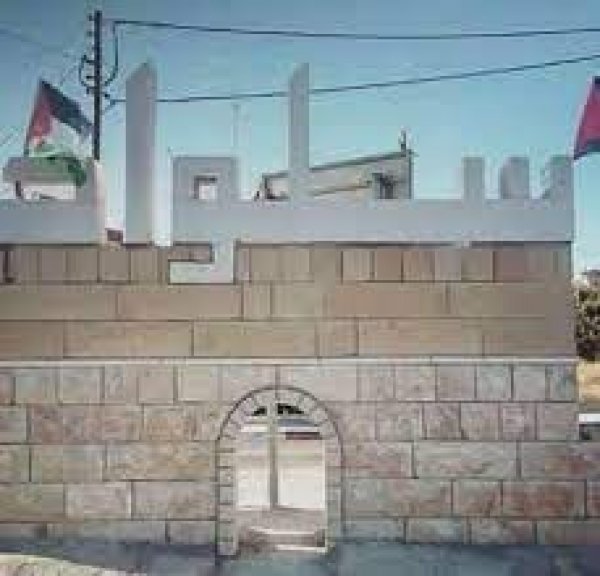
Silwad Refugee Camp
Silwad Refugee Camp ("Gaza Camp"): History, Population, Villages of Origin and the Right of Return
Silwad Camp, also known as "Gaza Camp", is a small unofficial Palestinian refugee camp next to the town of Silwad, north-east of Ramallah. It has an unusual history: its first residents were refugees of 1948 from Lydda, Ramla, Jaffa and the villages of the southern plain who had lived in the camps of the Gaza Strip, and who were moved to the West Bank in the early 1970s under an Israeli plan to break up Gaza's camps. Never recognised by UNRWA, the camp had 456 inhabitants in 2017. This guide covers its history, origins, population, living conditions and the right of return.
Quick Facts About Silwad Camp
| Arabic name | مخيم سلواد ("مخيم غزة") |
|---|---|
| Country / Region | Palestine, central West Bank |
| Governorate | Ramallah and al-Bireh, next to the town of Silwad |
| Year established | Built from 1968; residents settled in |
| Status | Unofficial camp, not recognised by UNRWA |
| Area | Built on about 10 dunums; about 28 dunums according to Silwad municipality |
| Population | 456 (PCBS census, 2017) |
| Housing | 52 small housing units of about 30 m² each at its founding |
| Origin of residents | Lydda, Ramla, Jaffa, Beersheba and villages of the southern plain, via the Gaza camps |
The Nakba and a Second Displacement
The families of Silwad Camp were first uprooted in the Nakba, the mass expulsion of Palestinians during the occupation of Palestine in . Expelled from Lydda, Ramla, Jaffa, Beersheba and villages such as al-'Abbasiyya, Hamama, al-Maghar, al-Jaladiyya, Salama and Innaba, they found refuge in the camps of the Gaza Strip, among them Nuseirat, Bureij, Beach (al-Shati) and Maghazi camps.
After the occupation of the West Bank and Gaza Strip in , Israeli authorities launched a plan in the early 1970s to break up and "restructure" the Gaza camps, which were centres of resistance. Thousands of shelters were demolished and wide roads were cut through the camps. As part of this plan, a number of refugee families were moved out of Gaza altogether, to a new site prepared for them in the West Bank, next to the town of Silwad. For these families, it was a second displacement, 24 years after the first.
The Right of Return
The right of return is the central demand of Silwad Camp's refugees. It rests on several foundations in international law:
- UN General Assembly Resolution 194 (), paragraph 11, resolved that refugees wishing to return to their homes and live at peace with their neighbours should be permitted to do so at the earliest practicable date, and that compensation should be paid to those choosing not to return and for loss of or damage to property.
- The Universal Declaration of Human Rights (Article 13) affirms everyone's right to leave any country, including their own, and to return to it.
- UN General Assembly Resolution 3236 () reaffirmed the "inalienable right" of Palestinians to return to their homes and property.
Moved twice, from their villages to Gaza and from Gaza to the West Bank, the families of Silwad Camp still hold onto the right to return to the places they were expelled from in 1948.
History of the Camp
From a Jordanian army post to a housing project (1952–1972)
The site was originally part of land bought by the Jordanian government from the people of Silwad in 1952 to set up a military post at the entrance to the town. After the occupation of 1967, the site was placed under the Israeli "Absentee Property" office. From 1968, in an agreement between the Israeli authorities and the Canadian government, 52 small housing units of about 30 square metres each were built there, for about 350 people. Further expansion was halted after a disagreement between the two governments.
Arrival from Gaza (1972)
In 1972, the first families arrived from the Gaza camps. Not all the refugees who were moved stayed in the camp; some went on to Jordan, Jericho or Ramallah to live near other camps and remain close to their relatives. Those who stayed formed a community of about 70 families.
Under occupation (1972–1994)
Residents paid annual rent to the Absentee Property office, starting at about 5 Jordanian dinars and rising to 36 dinars. When residents refused to cooperate with the military governor, the occupation authorities cut off their water and electricity as a means of pressure. In response, residents formed a camp committee that worked secretly and in contact with the Palestine Liberation Organization.
After Oslo (1994 onward)
After the Palestinian Authority took over the Absentee Property office, residents stopped paying rent for their homes. The Palestinian leadership instructed the governorate and the Ministry of Housing to define the camp's boundaries and keep it as it was until the refugee question is resolved.
An Unrecognised Camp
UNRWA does not recognise Silwad as an official camp, because it did not establish it. The Palestinian Ministry of Housing and other Palestinian institutions recognise it as a camp, but without UNRWA's recognition residents lack many of the services enjoyed by people in the official camps. According to the PLO's Department of Refugee Affairs, Silwad and Qaddura camps in Ramallah are the largest of the five unofficial camps in the West Bank.
Origin of the Name
The camp takes its name from the neighbouring town of Silwad. It is also known as "Gaza Camp" (مخيم غزة), because its residents came from the camps of the Gaza Strip.
Location and Geography
Silwad Camp lies in the Ramallah and al-Bireh Governorate, at the entrance to the town of Silwad, north-east of Ramallah. The town of Silwad sits about 10 km north-east of Ramallah, at an altitude of about 850 metres, around 5 km from the Nablus–Jerusalem road.
Area and Land
The camp was built on about 10 dunums of the former Jordanian military site. According to Silwad municipality's records, the area occupied by the camp today is about 28 dunums.
Villages of Origin
The camp's families come from cities and villages depopulated in 1948, before they lived in the Gaza camps:
- Cities: Lydda, Ramla, Jaffa and Beersheba
- Jaffa district: Al-'Abbasiyya and Salama
- Ramla district: Al-Maghar and Innaba
- Gaza district: Hamama and Al-Jaladiyya
Population and Demographics
Population of Silwad Camp
- 1972Housing for about 350 people; about 70 familiesHistorical sources
- 1997About 299Encyclopedia of Palestinian Camps
- 2007382 people in 68 households, 61 buildings and 71 dwellingsPCBS
- 2012About 436Encyclopedia of Palestinian Camps
- 2017456PCBS census
In 2007, households had an average of 5.6 members, and there were 129 males for every 100 females.
Housing and Infrastructure
The camp's original 52 housing units were very small, about 30 square metres each, and families have had to expand them as they grew. Infrastructure is modest. For years neither the occupation nor UNRWA collected rubbish from the camp, until an agreement was reached with Silwad municipality to provide the service for a fee charged to each family. Despite debts built up by residents, the municipality continues to provide it.
Health Situation
There is no permanent health centre in the camp. An UNRWA mobile clinic visits once a month and sees patients at the popular committee's headquarters. Otherwise, residents must travel to the clinics in Jalazone and al-Am'ari camps.
Economic Situation
Like other camps, Silwad Camp suffers from poverty, unemployment and debts for electricity and water. Restrictions on movement and friction with the occupation authorities add further obstacles to accessing work and services.
Education
There is no school in the camp. Girls attend an UNRWA elementary school in the neighbouring town of Silwad, opened in the 1950s, while boys attend a nearby government school.
Frequently Asked Questions About Silwad Camp
Where is Silwad refugee camp located?
It lies at the entrance to the town of Silwad, north-east of Ramallah, in the Ramallah and al-Bireh Governorate of the central West Bank.
Why is Silwad Camp called "Gaza Camp"?
Because its residents were refugees who had lived in the camps of the Gaza Strip and were moved to the West Bank in the early 1970s under an Israeli plan to break up Gaza's camps.
When was Silwad Camp established?
Its housing units were built from 1968 with Canadian funding, and the first families from Gaza arrived in 1972.
Is Silwad Camp recognised by UNRWA?
No. UNRWA does not recognise it because it did not establish it, although Palestinian institutions recognise it as a camp.
How many people live in Silwad Camp?
The Palestinian Central Bureau of Statistics counted 456 inhabitants in 2017.
Conclusion
Silwad Camp is a small community with a double history of exile: its families were driven from Lydda, Ramla, Jaffa and the villages of the southern plain in 1948, then moved from the camps of Gaza to the hills of Ramallah in 1972. Unrecognised by UNRWA and short of services, its people have built their own institutions and continue to hold onto the right to return to the homes their families lost.
More from the archive

 Download Our Palestine App
The whole archive in the palm of your hand: depopulated villages, the Nakba, the massacres and Al-Aqsa — free, with no ads to erase the story.
Download Our Palestine App
The whole archive in the palm of your hand: depopulated villages, the Nakba, the massacres and Al-Aqsa — free, with no ads to erase the story.



Comments
No comments yet — be the first to write one.
Add your comment
Name and email are optional. Comments appear after review.
Social Life and Institutions
A seven-member popular committee runs the camp's affairs and has secured a number of projects for it. There is also a youth centre with its own management and a women's centre. The camp's kindergarten opened in 1973; when official support was withdrawn, residents raised donations to reopen it, and parents have funded it themselves ever since.