
Al-Wehdat (Amman New Camp)
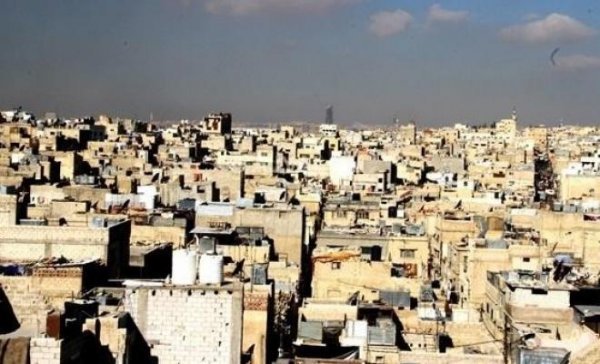
Al-Wehdat (Amman New Camp)
Al-Wehdat (Amman New Camp): History, Location, Population and Living Conditions
Al-Wehdat Camp, officially known as Amman New Camp, is one of the best-known Palestine refugee camps in Jordan. Established in on the southeastern edge of Amman for about 5,000 refugees, it is now home to more than 61,000 registered refugees and has grown into one of the busiest commercial and residential quarters of the Jordanian capital. Its people descend from villages around Jaffa, Lydda, Ramla and the Jerusalem hills that were depopulated during the occupation of Palestine in 1948. This guide covers the camp's history, the origin of its name, its location and size, its population, and its health, economic, social and educational situation.
Quick Facts About Al-Wehdat Camp
| Official name | Amman New Camp (ANC) |
|---|---|
| Common names | Al-Wehdat, Al-Wihdat |
| Host country | Jordan |
| Location | About 3 km southeast of central Amman, within Greater Amman Municipality (Capital Governorate) |
| Year established | |
| Area | About 0.48 km² (about 486 dunums) |
| Registered refugees | Over 61,795 (UNRWA, ), with thousands more in adjacent neighbourhoods |
| Original population | About 5,000 refugees |
| Original shelters | 1,400 units (1955) plus 1,260 more (1957) |
| Schools | 7 UNRWA schools (3 elementary, 4 preparatory) with 6,494 pupils |
| Health facilities | 1 UNRWA health centre serving about 43,000 people, plus 2 charitable medical centres |
| Origin of residents | Villages and towns of the Jaffa, Lydda, Ramla and Jerusalem areas |
Note: UNRWA counts refer to refugees registered in the camp, not necessarily the number of people living there at any given time.
The Nakba: Why Al-Wehdat Camp Exists
The story of Al-Wehdat begins with the Nakba (Arabic for "catastrophe"): the mass expulsion of Palestinians during the occupation of Palestine in . Roughly 750,000 Palestinians, more than half of the Arab population of the country, were driven from their homes, and hundreds of towns and villages were emptied and later destroyed or resettled.
Tens of thousands of these refugees crossed the Jordan River. Many first lived in mosques, schools, caves and makeshift shelters around Amman, or in improvised settlements on the city's hillsides. Al-Wehdat was one of four camps set up in Jordan after 1948 to house them, alongside Zarqa, Irbid and Jabal al-Hussein camps. Jordan now hosts ten official UNRWA camps in total, most of the others established after the occupation of the West Bank and Gaza Strip in 1967.
The Right of Return
The right of return is a cornerstone of identity in Al-Wehdat, as in every Palestinian refugee community. It rests on several foundations in international law:
- UN General Assembly Resolution 194 (), paragraph 11, resolved that refugees wishing to return to their homes and live at peace with their neighbours should be permitted to do so at the earliest practicable date, and that compensation should be paid to those choosing not to return and for loss of or damage to property.
- The Universal Declaration of Human Rights (Article 13) affirms everyone's right to leave any country, including their own, and to return to it.
- UN General Assembly Resolution 3236 () reaffirmed the "inalienable right" of Palestinians to return to their homes and property.
Most residents of Al-Wehdat hold Jordanian citizenship, yet they remain registered Palestine refugees, and citizenship has not replaced their claim to return. Families still keep the deeds and keys of homes left behind in 1948, and village associations in the camp keep the names of the original villages alive.
Origin of the Name "Al-Wehdat"
The camp's popular name, Al-Wehdat (الوحدات), means "the units" in Arabic. Unlike most other camps, which began as tent cities, Al-Wehdat was built by UNRWA from the start as rows of small, separate concrete housing units, each roughly 12 to 20 square metres. Residents called the camp after these units, and the name stuck.
Its official UNRWA name is Amman New Camp, distinguishing it from the older Jabal al-Hussein Camp in Amman. In English, the name is spelled Wehdat, Wihdat or Al-Wahdat.
History and Establishment of the Camp
Founding (1955–1957)
Amman New Camp was established in southeast of Amman, at a time when refugee shelters around the city were overcrowded and unfit for living. It initially housed about 5,000 refugees in 1,400 shelters built by UNRWA, and in the agency added another 1,260 shelters. Many of the first residents came from other informal refugee settlements around Amman, including housing units on the nearby slopes of Jabal al-Nadhif.
Growth into an urban quarter
Over the decades, families added rooms, then upper floors, to their original units. Building regulations were gradually relaxed, and today buildings in the camp can rise up to three storeys. At the same time, Amman expanded southward around the camp until Al-Wehdat became fully embedded in the city. The Greater Amman Municipality has paved and lit many of its streets.
1967 and 1970
After the occupation of the West Bank and Gaza Strip in , a new wave of refugees and displaced people arrived in Jordan, increasing pressure on Al-Wehdat and the other camps. The camp was also heavily affected by the armed confrontations in Jordan in September 1970, which caused significant loss of life and destruction in the camp.
A commercial hub
From the 1980s onward, Al-Wehdat developed into one of the main commercial centres of southern Amman. Its markets attract shoppers from across the city, and the number of businesses in and around the camp has grown sharply.
Location and Geography
Al-Wehdat lies in the Capital Governorate of Jordan, about 3 kilometres southeast of central Amman, within the boundaries of the Greater Amman Municipality. Key features of its location:
- It has no wall or fence: people, goods and services move constantly across its boundaries, and it blends into surrounding neighbourhoods.
- It sits on the main routes leading to the south of Amman, making it a busy transit and shopping area.
- It is surrounded by densely populated neighbourhoods, many of them home to former camp residents who moved out as families grew.
The camp lies on the hilly plateau of Amman at roughly 750–850 metres above sea level, with cold, occasionally snowy winters and hot, dry summers.
Area and Land
Al-Wehdat covers about 0.48 square kilometres (about 486 dunums). The land is leased, and the camp's official boundaries have not changed since its founding, even though its registered population has grown more than twelvefold. As a result, the camp is very overcrowded, with almost no green space or open areas for children to play.
Villages and Towns of Origin
Most of Al-Wehdat's residents descend from refugees of the villages and towns between Jaffa and Jerusalem, especially in the Jaffa, Lydda, Ramla and Jerusalem districts, with smaller numbers from other parts of Palestine. Village associations and family gathering halls (diwans) in the camp reflect some of these origins, including:
- Salama (Jaffa district)
- Al-Safiriyya (Jaffa district)
- Al-Abbasiyya (Jaffa district)
- Tall al-Turmus (Gaza district)
- Tall al-Safi (Hebron district)
- And many other villages of the coastal plain and the Jerusalem hills
These associations organise social occasions and annual commemorations of Nakba Day (15 May), helping younger generations stay connected to their villages of origin.
Population and Demographics
As of April 2023, UNRWA records over 61,795 registered Palestine refugees in Amman New Camp, with thousands more living in the adjacent neighbourhoods. Jordan's Department of Palestinian Affairs estimates the camp's population at about 60,287 people in 13,390 families, living in around 2,820 housing units.
Population of Al-Wehdat Camp over time
- 1955About 5,000 refugeesUNRWA
- Early 2010sMore than 51,500 registered refugeesUNRWA
- Mid-2010s57,352 registered refugeesUNRWA
- 2023Over 61,795 registered refugeesUNRWA
Population characteristics
- Mixed population: because rents in the camp are lower than elsewhere in Amman, many non-refugees also live there. By some estimates they make up about 40% of residents, including Jordanians and migrant workers.
- Large families living in small, expanded units.
- Outward movement: families who can afford it move to surrounding neighbourhoods, often still describing their new homes as part of the "new camp".
- Strong camp identity: many residents identify as Palestinian and Jordanian, but above all as "people of Al-Wehdat".
Housing and Infrastructure
- Ageing shelters: many shelters date back to the 1950s and are in a poor state of repair.
- Overcrowding: buildings are tightly packed, with little light or ventilation in many homes.
- Crowded streets: kiosks and makeshift stalls add to the congestion of the camp's busy streets.
- No green space: there are no parks or open play areas in the camp.
- Services: homes are connected to water, electricity and sewage networks, and UNRWA's environmental health office manages waste collection and removal from the camp.
Health Situation
The camp has one UNRWA health centre serving about 43,000 people from inside and outside the camp, providing primary care, maternal and child health, immunisations and treatment of chronic diseases. Two charitable medical centres also operate in the camp. There is no government hospital or clinic inside the camp, and residents rely on hospitals elsewhere in Amman.
Key health challenges
- Chronic disease: Amman New Camp has the highest rate of chronic health problems of all ten camps in Jordan.
- Lack of health insurance: more than half of residents have no form of health insurance, which limits access to specialist and hospital care.
- Environmental health risks from overcrowding, ageing shelters and lack of open space.
- Disability: a community-based rehabilitation centre supports people with disabilities.
Economic Situation
Al-Wehdat is one of the busiest commercial areas in southern Amman, famous for its large market, where clothes, household goods, food and many other products are sold at prices lower than elsewhere in the city. Yet behind this activity lie serious economic challenges:
- Poverty: the camp ranks second among Jordan's ten camps in poverty levels, with about 34% of residents living below the national poverty line.
- Unemployment: about 24% of women and 15% of men in the labour force were found to be unemployed.
- Informal work: many residents work in small trade, street vending, crafts and daily-wage labour with no social protection.
Cuts to UNRWA funding in recent years have further strained relief and social safety-net services for the poorest families.
Education
UNRWA runs seven schools in the camp, three elementary and four preparatory, all operating on a single-shift system, with 6,494 pupils in grades 1 to 10 and 204 educational staff. UNRWA is the main education provider inside the camp; secondary students attend government schools in Amman.
Educational challenges
- Primary school enrolment in the camp (about 91%) is the lowest of all ten camps in Jordan.
- Only about 12% of men and 16% of women have completed post-secondary education.
- Academic attendance is significantly lower than in other camps, linked to poverty and children entering work early.
Al-Wehdat Club: The Camp's Name on the Football Pitch
The camp's name is known across the Arab world thanks to Al-Wehdat Club, founded in the camp in 1956. It has grown into one of the most successful and popular football clubs in Jordan, with a large fan base among Palestinians in Jordan and beyond. For many fans, the club is a symbol of Palestinian identity and of the camp itself.
Frequently Asked Questions About Al-Wehdat Camp
Where is Al-Wehdat camp located?
Al-Wehdat (Amman New Camp) is in Jordan, about 3 km southeast of central Amman, within the Greater Amman Municipality.
Why is it called Al-Wehdat?
"Al-Wehdat" means "the units" in Arabic. The camp was built from the start as small concrete housing units rather than tents, and residents named it after them.
When was Al-Wehdat camp established?
It was established in 1955 for about 5,000 Palestinian refugees displaced during the Nakba of 1948.
What is the population of Al-Wehdat camp?
UNRWA recorded over 61,795 registered Palestine refugees in the camp in April 2023, with thousands more living in surrounding neighbourhoods.
How big is Al-Wehdat camp?
The camp covers about 0.48 square kilometres (about 486 dunums).
Where do the camp's residents come from?
Most descend from refugees of villages and towns between Jaffa and Jerusalem, especially in the Jaffa, Lydda, Ramla and Jerusalem districts, including Salama, Al-Safiriyya and Al-Abbasiyya.
Is Al-Wehdat Club related to the camp?
Yes. Al-Wehdat Club was founded in the camp in 1956 and has become one of the most popular football clubs in Jordan.
Conclusion
Al-Wehdat began as rows of small concrete units for 5,000 refugees and has become a bustling quarter of Amman home to more than 61,000 registered refugees. Its markets draw shoppers from across the city and its football club carries its name across the region, yet poverty, chronic illness, ageing housing and educational gaps remain serious challenges. Through its village associations and its people's enduring attachment to the homes they lost, Al-Wehdat continues to hold onto the memory of Palestine and the right of return.
More from the archive


 Download Our Palestine App
The whole archive in the palm of your hand: depopulated villages, the Nakba, the massacres and Al-Aqsa — free, with no ads to erase the story.
Download Our Palestine App
The whole archive in the palm of your hand: depopulated villages, the Nakba, the massacres and Al-Aqsa — free, with no ads to erase the story.



Comments
No comments yet — be the first to write one.
Add your comment
Name and email are optional. Comments appear after review.
Social Situation and Community Life
Al-Wehdat has a rich community life. Organisations active in the camp include:
Social challenges