
Solomon's Pools
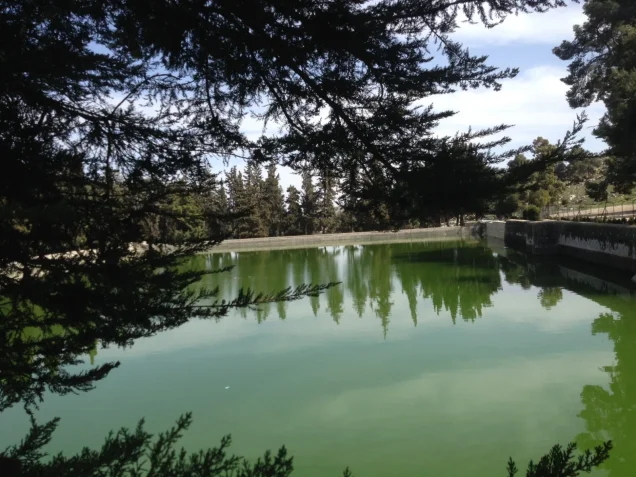
Solomon's Pools
Solomon's Pools near Bethlehem: Water System, Castle and the 2026 Takeover Campaign
In the hills south of Bethlehem, at the head of Wadi Artas and on the historic road between Jerusalem and Hebron, stand Solomon's Pools (Birak al-Marjee'), witness to a water system that has lasted more than two thousand years. Three stepped pools holding more than a quarter of a million cubic metres formed the heart of a network of channels that carried water to Jerusalem, including Qanat al-Sabil, the longest water channel in Palestine. The first two pools were built in the Roman period, the Mamluks added the third, and the Ottomans restored the channels and built a castle to guard them. The pools have been registered as an Islamic waqf since the Ottoman era. In 2026 the Israeli finance minister and settlers stormed the site and threatened to seize it, although it lies in Area A under Palestinian control, and Palestinians rose up to protect it. This guide covers the pools' history, engineering, landmarks and situation today.
Quick facts
| Arabic name | برك سليمان / برك المرجيع |
|---|---|
| Location | Head of Wadi Artas, about 3.5–4 km south of Bethlehem |
| Pools | Three stepped pools extending about 500 m from west to east |
| Dimensions | Length 116–177 m; depth up to 15 m and more |
| Capacity | More than 250,000 m³ |
| Dating | Two Roman pools (37 BCE–325 CE); third pool Mamluk (1460) |
| Qanat al-Sabil | About 68 km, the longest water channel in Palestine, reaching al-Haram al-Sharif |
| Castle of the Pools | Ottoman, 1617 according to the Palestinian Ministry of Tourism |
| Ownership | Islamic waqf since the Ottoman period |
| Status | Area A (Palestinian control); on Palestine's UNESCO tentative list since 2026 |
The name
Locally the pools are also known as Birak al-Marjee'. Historians believe the name "Solomon's Pools" refers to the Ottoman sultan Suleiman the Magnificent, who restored the channels supplying Jerusalem, so that the pools came to bear his name. Folk tradition linked them to the Prophet Solomon without archaeological evidence, and called the neighbouring Wadi Artas "Solomon's Gardens".
Location
The pools lie at the head of Wadi Artas, about 3.5–4 km south of Bethlehem, near the village of Artas, about 800 metres above sea level and east of the Jerusalem–Hebron road. The site was chosen in a valley where water collects naturally, making it ideal for storing and conveying water.
History through the ages
- Roman period: the water system was established at the head of Wadi Artas with the construction of two pools between 37 BCE and 325 CE, and it supplied Jerusalem with water.
- Mamluk period: the large third pool was added under the Mamluk sultan al-Zahir Khushqadam in 1460.
- Ottoman period: Sultan Suleiman the Magnificent restored the channels supplying Jerusalem, a castle was built beside the pools to protect the water and the pilgrim caravans, and the pools were registered as an Islamic waqf.
- British Mandate: from 1919 the clay channels were replaced with metal pipes and pumps to carry water to Jerusalem, and the system continued to supply the city until the end of the Mandate.
The three pools
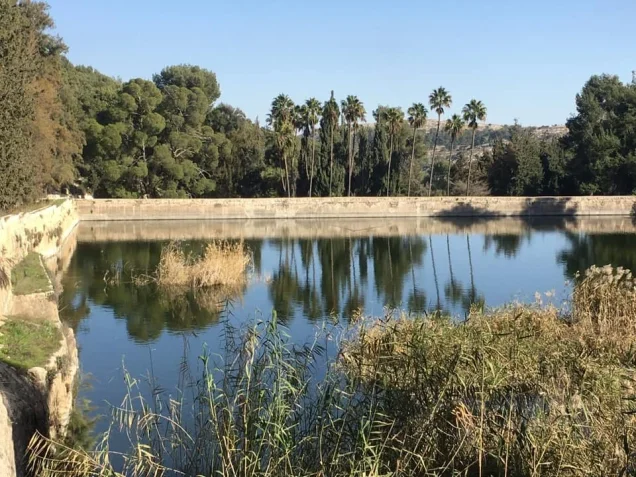
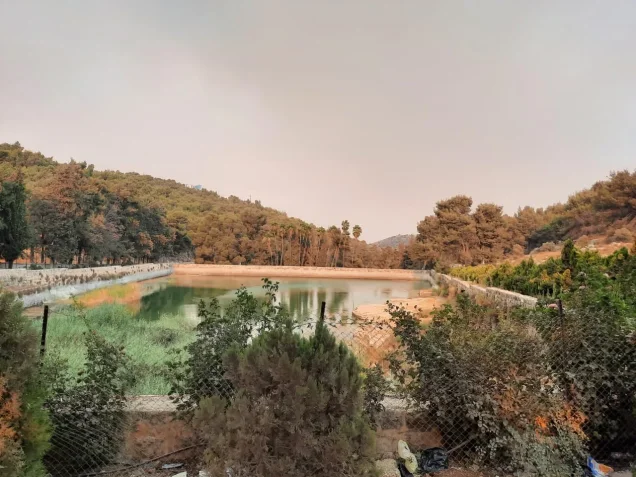
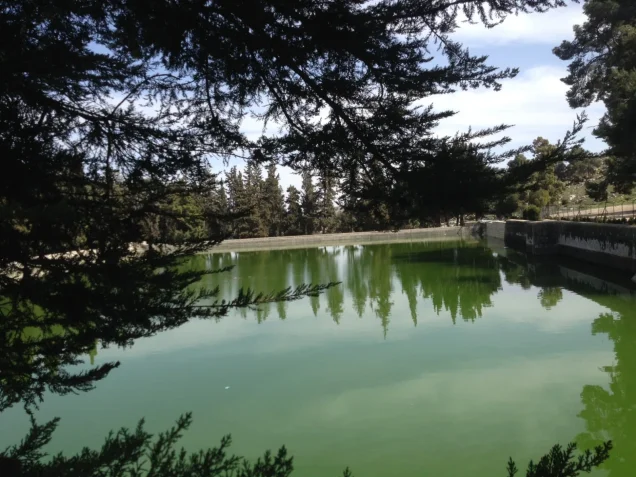
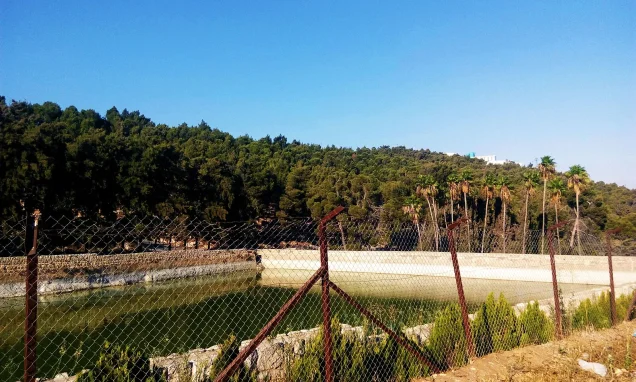
Solomon's Pools consist of three stepped pools extending about 500 metres from west to east, each about six metres higher than the next, the upper pool feeding the middle one and then the lower:
- Upper pool: about 116 metres long and up to 72 metres wide, 6–12 metres deep, holding about 85,000 cubic metres.
- Middle pool: about 129 metres long, 76 metres wide and about 12 metres deep, holding about 90,000 cubic metres.
- Lower (Mamluk) pool: the largest, about 177 metres long, 86 metres wide and about 15 metres deep, holding about 113,000 cubic metres.
The total capacity exceeds a quarter of a million cubic metres. The pools combine rock-cutting with masonry and work entirely by natural gradient, without pumps.
The water system and channels
The pools were not just reservoirs but the heart of a network of channels collecting water from springs and valleys and conveying it to Jerusalem, a distance the water travelled of about 44 kilometres:
- Qanat al-Sabil: about 68 km, the longest water channel in Palestine. It starts at the lower pool, runs through Bethlehem, passes through a tunnel near Sur Baher, crosses the Valley of Gihon and reaches al-Haram al-Sharif.
- The Arroub channel: about 40 km, bringing water from Ein Kuzeiba and the Hebron hills to the pools.
- The upper channel: running towards Jerusalem at a level about 30 metres higher.
- The Wadi al-Biyar channel: bringing water to the pools from the south-west.
- Springs: including Ein Atan, Ein al-Ballou' and Ein al-Qal'a, which feed the pools and Wadi Artas.
The system relied on precise gradients, with its sources in Wadi al-Arroub (810 m) and Wadi al-Biyar (870 m) and the pools at 800 m, reflecting advanced engineering knowledge.
The Castle of the Pools
North of the upper pool, east of the Jerusalem–Hebron road, stands the Castle of the Pools (also known as Qal'at Murad). According to the Palestinian Ministry of Tourism and Antiquities it was built in 1617 under the Ottoman sultan Osman II, while other sources attribute it to Sultan Murad IV in 1622. It was built to protect the pools, the water sources and the pilgrim caravans from thieves and bandits. The castle is rectangular, 70 metres long and 45 metres wide, covering about 3,528 square metres. A main entrance in the western wall is topped by an inscription with the date of construction. Four two-storey square towers stand at its corners, and it has about fifty small rooms for soldiers, a small mosque in its south-western corner, an inner courtyard and its own spring. It has been restored as part of a tourism project in the area.
Decline after 1967 and restoration
After the occupation of the West Bank in 1967 the old system stopped supplying Jerusalem, the Mandate-era pumping station was abandoned and the site went through periods of neglect. The Islamic Awqaf and Palestinian bodies manage the site, and the castle has been restored as part of a tourism project. However, the occupation authorities' withholding of Palestinian tax revenues has deprived the Awqaf department of funding for its development plans.
The 2026 takeover campaign and popular response
Although the pools lie in Area A under Palestinian control under the Oslo II Accord (1995), and are registered as an Islamic waqf since the Ottoman period with official documents held by the Ministry of Awqaf, they faced an escalating campaign in 2026:
- 22 April 2026: settlers stormed the pools under the protection of the occupation army, according to WAFA.
- 25 May 2026: the Israeli finance minister stormed the pools and threatened to annex them, calling Palestinian control of the site "one of the grave mistakes" of the Oslo Accords. He ordered the police to remove Palestinians from the area so that he could be filmed swimming in the middle pool. The Palestinian Ministry of Awqaf condemned the incursion.
- June 2026: occupation forces stormed the pools on 12 June, and on 26 June they assaulted Palestinians at the site, according to WAFA.
- 10 July 2026: occupation soldiers raided the site and fired tear gas while children were swimming there.
- August–October 2026: settler incursions continued, with settlers performing Talmudic rituals at the site under army protection, according to An-Najah News.
In response, a popular movement emerged. Palestinians from Bethlehem and other governorates have come to the pools in growing numbers to swim and relax, asserting their presence and protecting the site. The deputy head of the Artas village council warned of an Israeli decision to take control of archaeological sites and water sources across the West Bank, and the governor of Bethlehem formed an official and civil committee to confront the plans.
Legal protection and UNESCO
In 2026 Solomon's Pools were added, as part of the "Jerusalem Water System: Qanat al-Sabil", to Palestine's tentative list for UNESCO World Heritage. As part of occupied territory, they are protected by the Fourth Geneva Convention and the 1954 Hague Convention for the Protection of Cultural Property, which forbid the occupying power from seizing or altering cultural property. The Oslo Accords place Area A under Palestinian civil and security authority.
Frequently asked questions
Where are Solomon's Pools?
At the head of Wadi Artas, about 3.5–4 km south of Bethlehem, east of the Jerusalem–Hebron road.
Who built Solomon's Pools?
The first two pools were built in the Roman period between 37 BCE and 325 CE. The Mamluk sultan al-Zahir Khushqadam added the third pool in 1460, and Suleiman the Magnificent restored the channels, giving the pools his name.
How much water do Solomon's Pools hold?
Together the three pools hold more than a quarter of a million cubic metres. The largest, the Mamluk lower pool, holds about 113,000 cubic metres.
What is Qanat al-Sabil?
The longest water channel in Palestine, about 68 km long, running from the lower pool through Bethlehem to al-Haram al-Sharif in Jerusalem.
Why were Solomon's Pools in the news in 2026?
Because the Israeli finance minister and settlers stormed them and threatened annexation, although they lie in Area A and are registered as an Islamic waqf, prompting a Palestinian popular movement to protect them.
Conclusion
For two thousand years Solomon's Pools gathered the waters of the Bethlehem hills and sent them by gravity alone to Jerusalem. The Mamluks added the greatest pool, and the Ottomans restored the channels, built the castle and endowed the pools for the Muslims. Today, as occupation ministers threaten to annex them, Palestinians are protecting with their own presence a site that belongs to the history of their land.
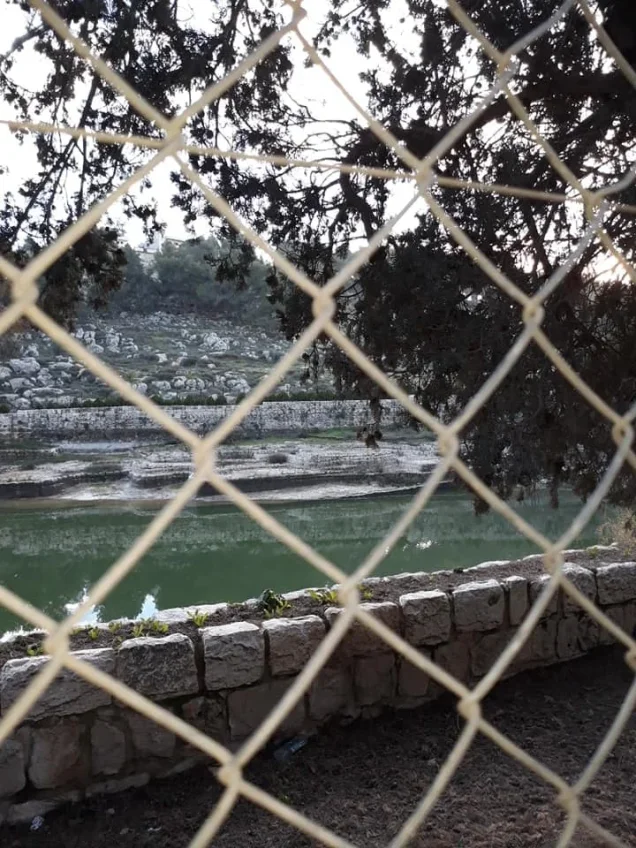
Photo gallery




More from the archive

 Download Our Palestine App
The whole archive in the palm of your hand: depopulated villages, the Nakba, the massacres and Al-Aqsa — free, with no ads to erase the story.



Comments
No comments yet — be the first to write one.
Add your comment
Name and email are optional. Comments appear after review.