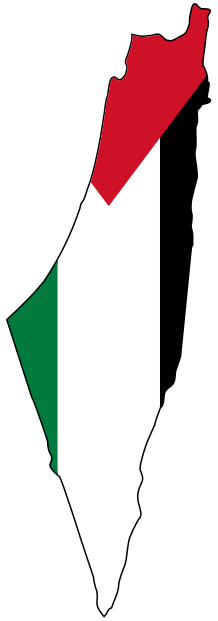
The Beit Shahwan Mosaic in Jericho

The Beit Shahwan Mosaic in Jericho: A Byzantine Floor in the Heart of a Palestinian Neighbourhood
The Beit Shahwan Mosaic is an ancient mosaic floor on the northern edge of Jericho, near the Ain al-Sultan refugee camp and Tell es-Sultan, known by the name of the Palestinian Shahwan family on whose land it lies. The mosaic dates from the late 6th or early 7th century CE, in the Byzantine period, and was uncovered in 1936 under the British Mandate. It is all that remains of an ancient Jewish prayer hall, decorated with geometric and floral patterns, religious symbols and a Hebrew inscription. The Palestinian National Authority has protected the site since the Oslo Accords, and the Jericho municipality has restored it, but in recent years it has become a target of settler incursions under the protection of Israeli forces. This guide covers the mosaic's history, its description and the challenges the site faces today.
Quick facts
| Arabic name | فسيفساء بيت شهوان – أريحا |
|---|---|
| Location | Northern Jericho, near the Ain al-Sultan camp and Tell es-Sultan |
| Name | After the Palestinian Shahwan family, owners of the land |
| Date | Late 6th or early 7th century CE |
| Period | Byzantine |
| Discovered | 1936, under the British Mandate |
| Remains | The mosaic floor only |
| Decoration | Geometric and floral patterns, religious symbols and a Hebrew inscription |
| Protection | Palestinian National Authority since the Oslo Accords |
| Restoration | Jericho municipality |
The name
The people of Jericho know the site as Beit Shahwan ("the Shahwan house"), because the mosaic floor lies on the land of the Palestinian Shahwan family, who still own and live on the surrounding land. Israeli bodies call it by a name taken from its Hebrew inscription, while Palestinian sources keep to its local name, tied to the owners of the land.
Location
The site lies on the northern edge of Jericho, within a Palestinian residential neighbourhood adjoining the Ain al-Sultan refugee camp, close to Tell es-Sultan, the oldest city in the world, and the Ain es-Sultan spring, in an area under the control of the Palestinian National Authority.
History and discovery
- Late 6th – early 7th century CE: the mosaic floor was laid in a prayer hall of a small Jewish community living in Jericho in the Byzantine period, alongside Christian communities who left many churches and monasteries in the area.
- 1936: the floor was uncovered under the British Mandate, on the land of the Shahwan family.
- 1994–1995: with the Oslo Accords and the handover of Jericho to the Palestinian National Authority, responsibility for the site passed to the Authority, which took over its protection.
- Later: the Jericho municipality restored the site and conserved the floor.
- Since 2007: Israelis have been permitted to visit the site once a month by coordination.
Description of the mosaic
Nothing remains of the ancient building but its mosaic floor, made of coloured stone tesserae in the style of the Byzantine mosaics found across Jericho and Palestine in that period. It consists of a border of interlacing geometric patterns framing floral motifs and lozenge designs; at the top is a depiction of a cabinet for sacred scrolls and Jewish religious symbols such as the seven-branched candelabrum, and beneath them a Hebrew inscription meaning "Peace upon Israel". Its decoration closely resembles the mosaics of Byzantine churches and monasteries in the region, suggesting that the same local craftsmen made the floors of different religious buildings.
Jericho: a city of many layers
The Beit Shahwan Mosaic embodies the many layers of Jericho's history, a city where civilisations have followed one another since humans built their first settlements at Tell es-Sultan more than 10,000 years ago. Nearby are the remains of the Byzantine church in the Russian complex, the Monastery of the Temptation on the Mount of Temptation, and the Umayyad Hisham's Palace with its famous mosaics. It is part of Palestine's diverse heritage, which the Ministry of Tourism and Antiquities and the Jericho municipality care for in all its layers.
The site under occupation
In recent years the site has become a pretext for incursions into Jericho and the Ain al-Sultan camp, as settlers enter it under the protection of Israeli forces to hold Talmudic prayers. On 23 October 2024 about 50 settlers entered it under military protection, while soldiers chased schoolchildren in the area and confiscated their bags and bicycles. These incursions, imposed on the residents of the neighbourhood and the camp, recur amid the escalation of occupation attacks in the West Bank since the genocidal war on Gaza.
The site today (2026)
The mosaic floor remains under the protection of the Palestinian National Authority and the care of the Jericho municipality, in a neighbourhood where the Shahwan family, the owners of the land, and the refugees of the Ain al-Sultan camp live. Palestinians call for an end to the use of archaeological sites in Jericho and elsewhere as a pretext for military and settler incursions, and for the protection of the city's heritage, part of which was inscribed on the World Heritage List in 2023.
Frequently asked questions
Where is the Beit Shahwan Mosaic?
On the northern edge of Jericho, near the Ain al-Sultan camp and Tell es-Sultan.
Why is it called Beit Shahwan?
After the Palestinian Shahwan family, on whose land the floor lies.
What period does the mosaic date from?
The late 6th or early 7th century CE, in the Byzantine period.
When was the mosaic discovered?
In 1936, under the British Mandate.
Who protects the site today?
The Palestinian National Authority since the Oslo Accords, and the Jericho municipality has restored it, but it faces settler incursions under the protection of Israeli forces.
Conclusion
In a Palestinian neighbourhood on the edge of Jericho, the Shahwan family keeps on its land a mosaic floor some fourteen centuries old, a witness to the diversity of the city's Byzantine past. Yet this heritage, protected by Palestinians, has become a target of occupation incursions, a reminder that protecting heritage in Palestine cannot be separated from protecting its people and their land.
More from the archive
 Download Our Palestine App
The whole archive in the palm of your hand: depopulated villages, the Nakba, the massacres and Al-Aqsa — free, with no ads to erase the story.
Comments
No comments yet — be the first to write one.
Add your comment
Name and email are optional. Comments appear after review.