
From the country’s album
Pictures and stories from the towns, villages, markets and ports of a Palestine living its whole life before it was uprooted.
22 entries
 Palestine before the Nakba
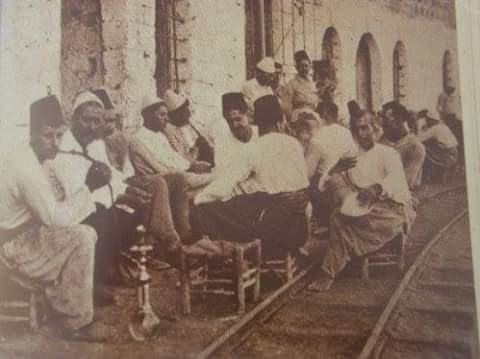
Before the Nakba, the café was the heart of the Palestinian city: there newspapers were read and politics debated, the hakawati told the epics of Anta...
Palestine before the Nakba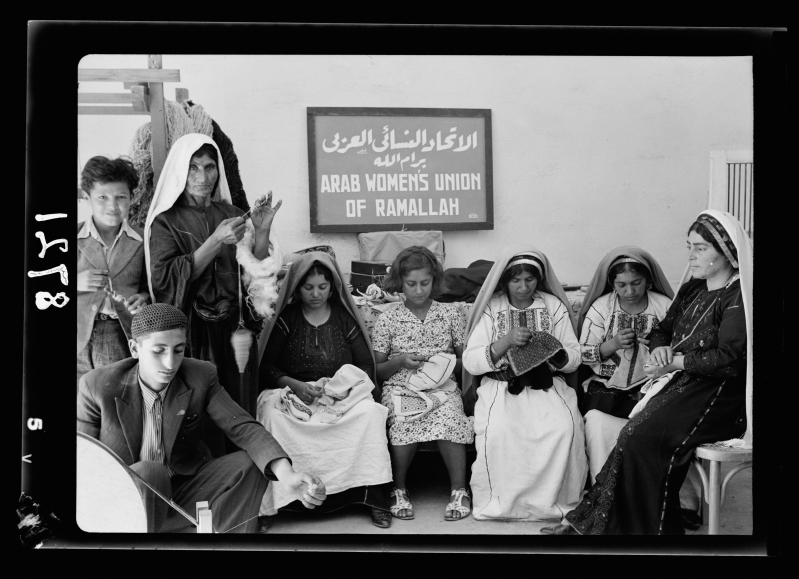 Palestine before the Nakba
Before the Nakba, Palestinian women were everywhere: in the fields and on the threshing floor, at the spring and the taboun oven, in schools and hospi...
Palestine before the Nakba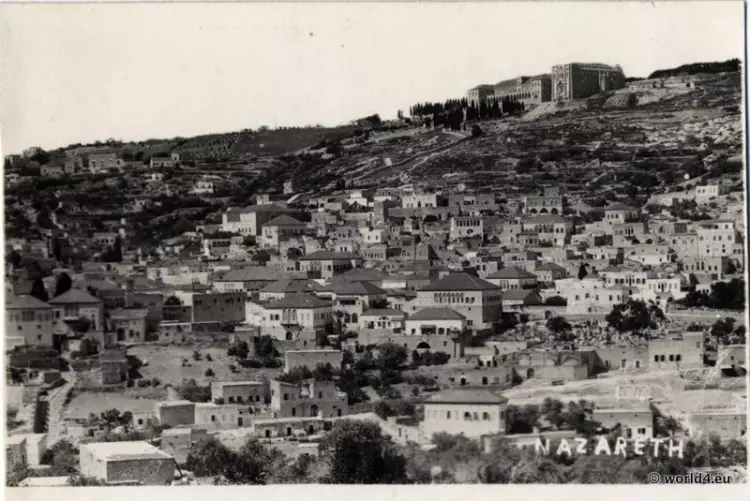 Palestine before the Nakba
Nazareth, capital of Galilee, is a Palestinian city in the heart of Lower Galilee. Before the Nakba it was a district center and the market for the vi...
Palestine before the Nakba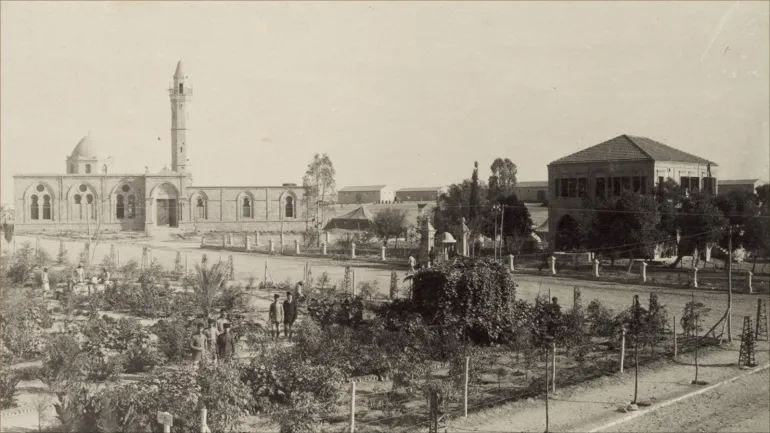 Palestine before the Nakba
Beersheba, capital of the Naqab, is a Palestinian town on the edge of the desert, rebuilt by the Ottomans in 1900 as the center of the largest distric...
Palestine before the Nakba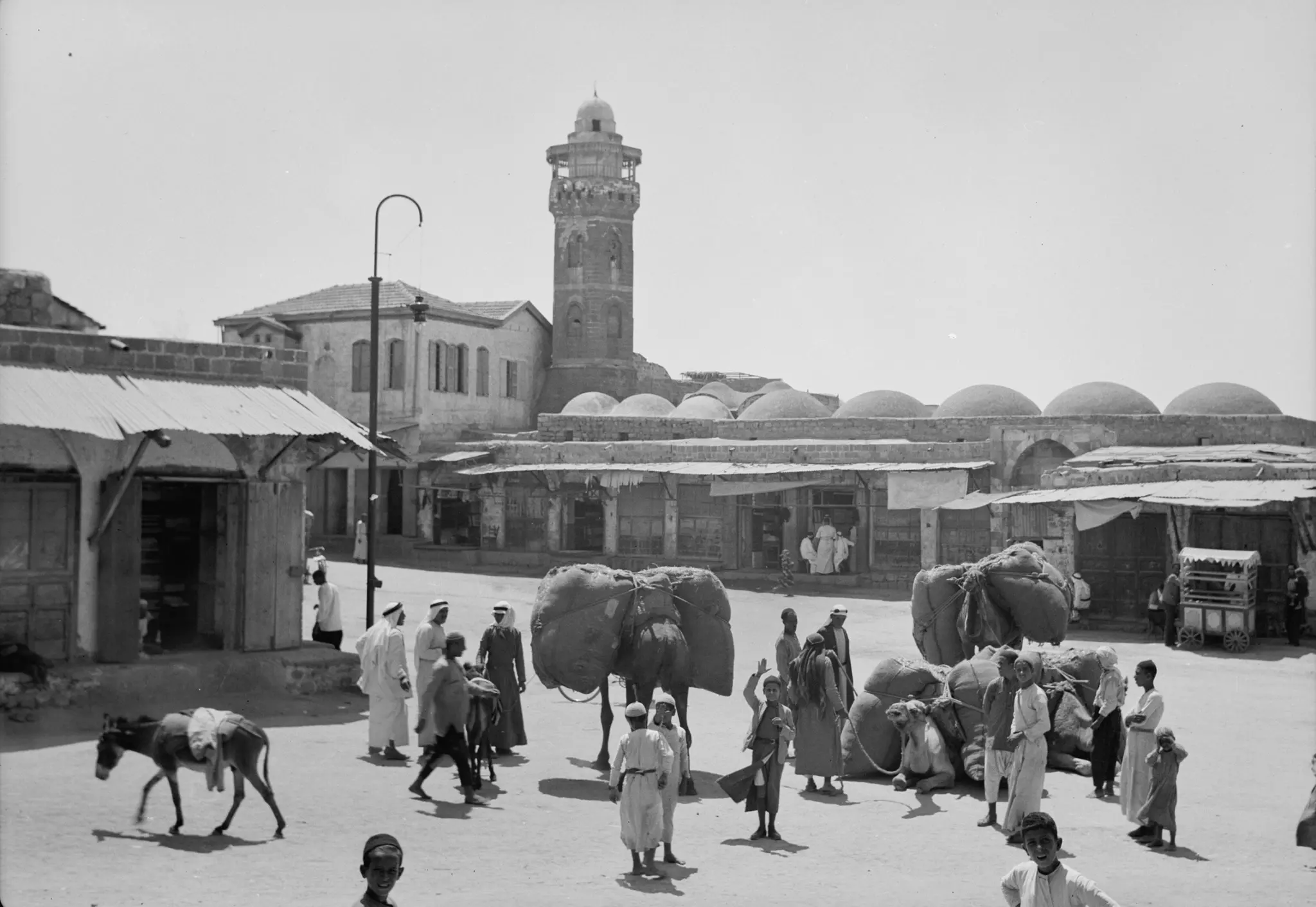 Palestine before the Nakba
Al-Majdal, or Majdal Asqalan, is a Palestinian city on the southern coast near the ruins of ancient Asqalan (Ascalon). Before the Nakba it was Palesti...
Palestine before the Nakba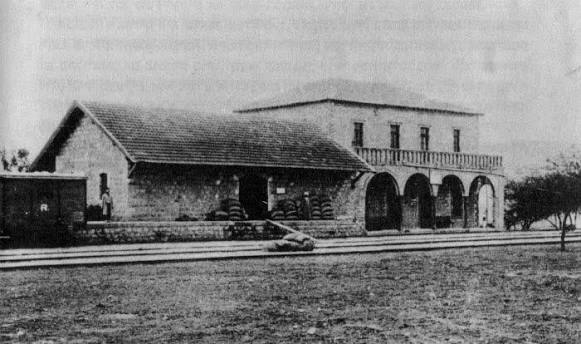 Palestine before the Nakba
Beisan, the breadbasket of the Ghor, is a Palestinian city where the Marj Ibn Amer plain meets the Jordan Valley, about 150 meters below sea level. Be...
Palestine before the Nakba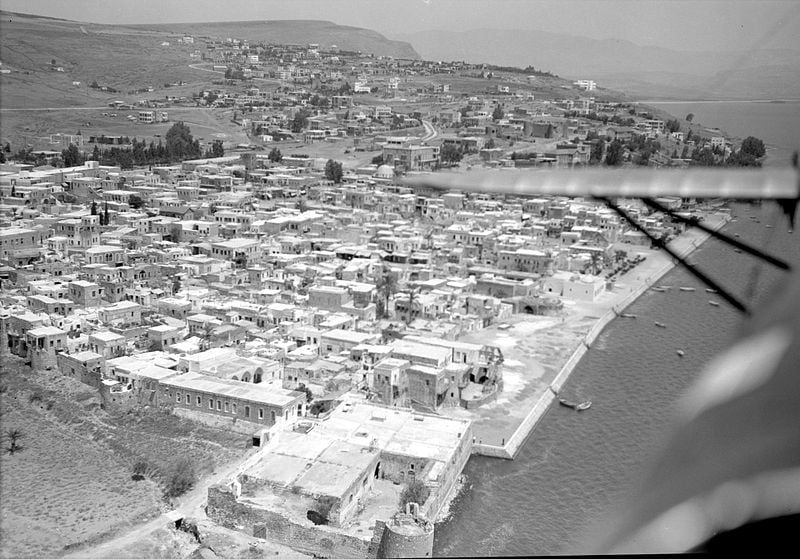 Palestine before the Nakba
Tiberias, the bride of the lake, is a Palestinian city on the western shore of Lake Tiberias, more than two hundred meters below sea level. Before the...
Palestine before the Nakba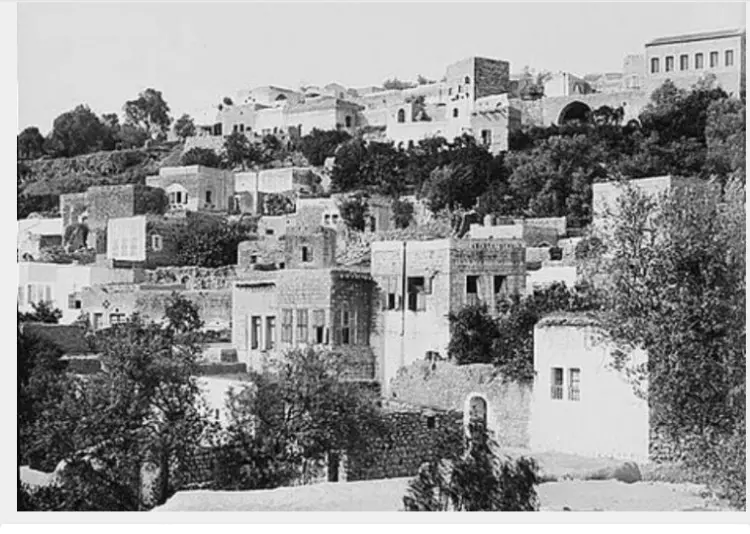 Palestine before the Nakba
Safad, the bride of Galilee and capital of Upper Galilee, is a mountain city about 800 meters above sea level, overlooking Lake Tiberias and the hills...
Palestine before the Nakba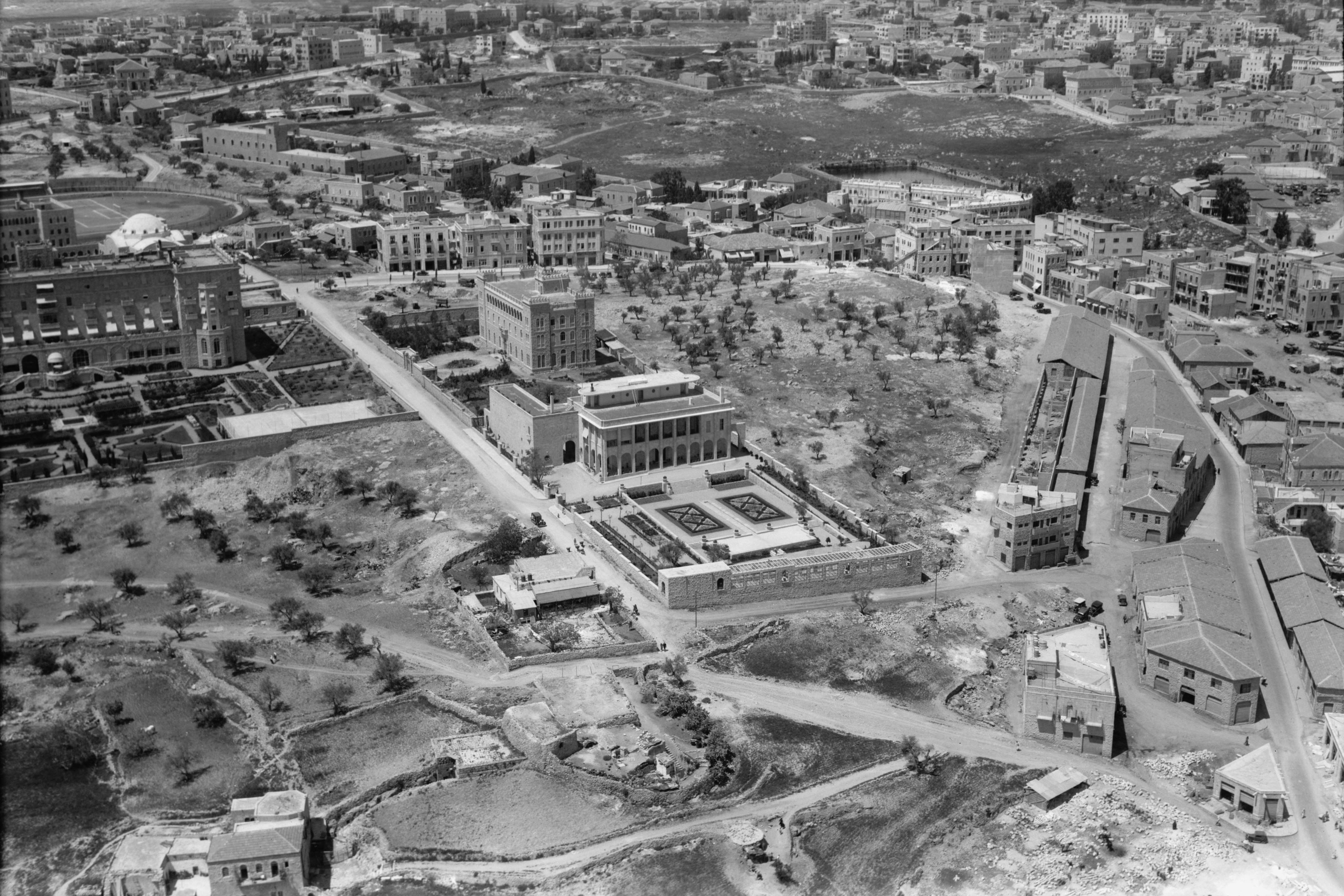 Palestine before the Nakba
Lydda and Ramla are twin cities on the Palestinian plain, only a few kilometers apart: Ramla was the capital of Palestine in the Umayyad era, and Lydd...
Palestine before the Nakba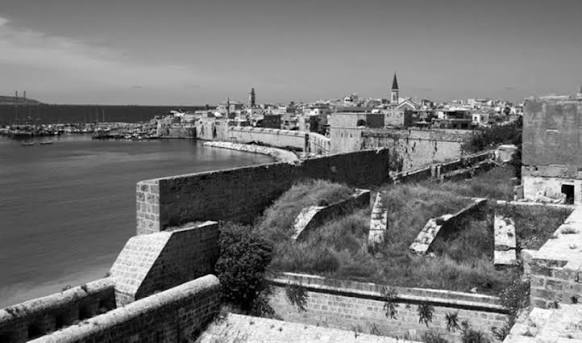 Palestine before the Nakba
Acre is a city whose walls held against Napoleon in 1799, and until 1948 it remained almost entirely Arab: in 1946 it had about 13,560 residents, only...
Palestine before the Nakba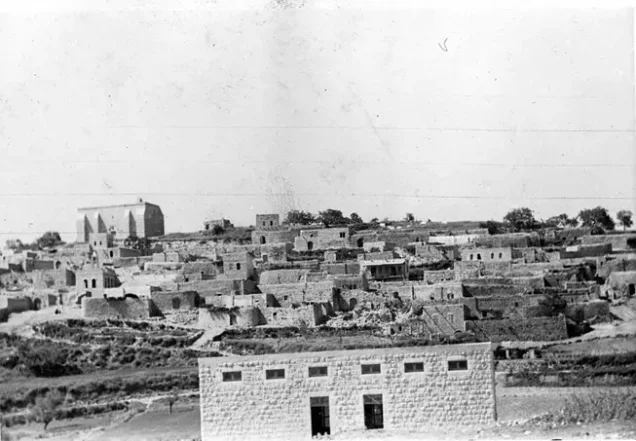 Palestine before the Nakba
Most Palestinians before the Nakba were peasants: about three-quarters of the population lived in villages, and farming was their main livelihood. In...
Palestine before the Nakba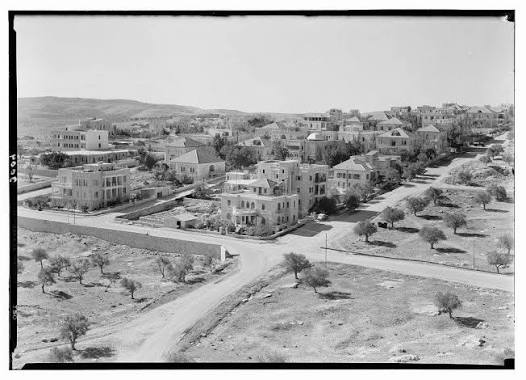 Al-Quds (Jerusalem)
West Jerusalem was not Jewish before 1948. In the new neighborhoods outside the walls, such as Qatamon, Talbiyeh, Baq'a and Musrara, tens of thousands...
Al-Quds (Jerusalem)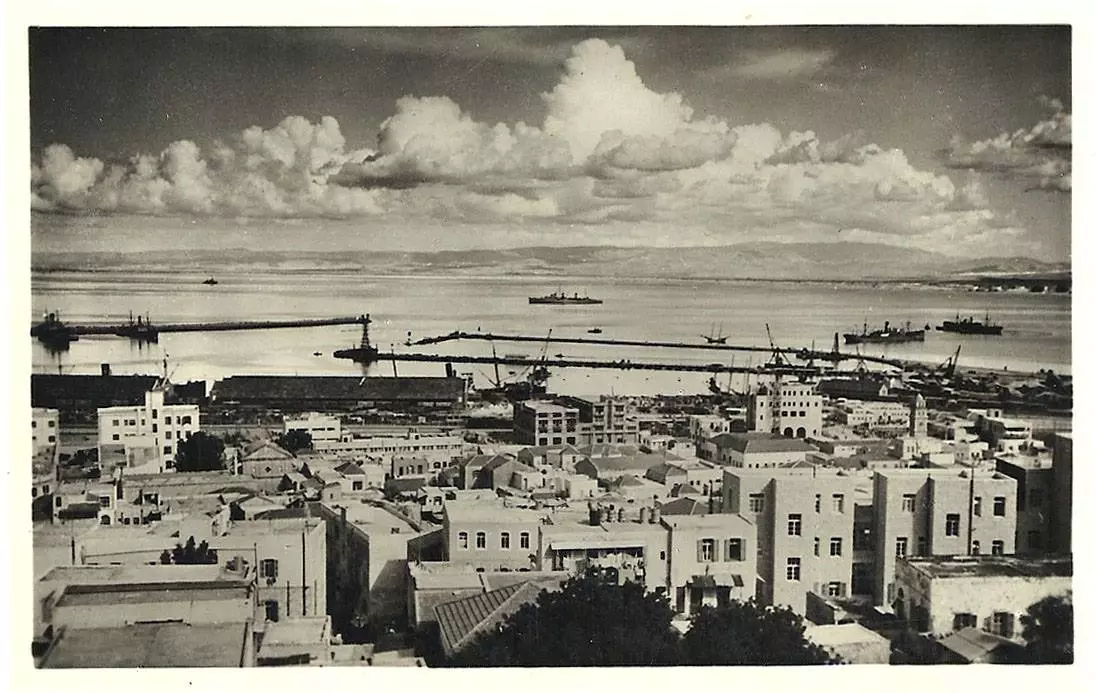 Palestine before the Nakba
Before the 1948 Nakba, Haifa was Palestine's largest working-class city and its most important port. About 75,000 Palestinians lived there, and it was...
Palestine before the NakbaPalestine has known the train since September 26, 1892, when the first train arrived in Jerusalem from Jaffa. In 1905 the Haifa–Daraa branch of the He...
Palestine before the Nakba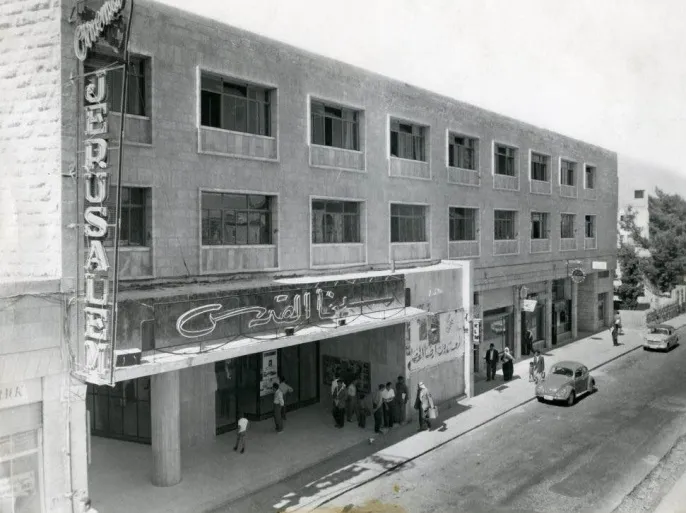 Palestine before the Nakba
Before the Nakba, Palestine had a rich artistic life: cinemas in its major cities from the early twentieth century, the first Palestinian film in 1935...
Palestine before the Nakba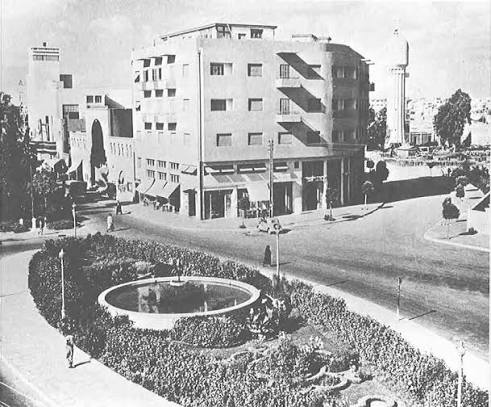 Palestine before the Nakba
Before the 1948 Nakba, Jaffa was the largest Arab city in Palestine and its cultural capital. Some 50 newspapers and magazines were published there, d...
Palestine before the Nakba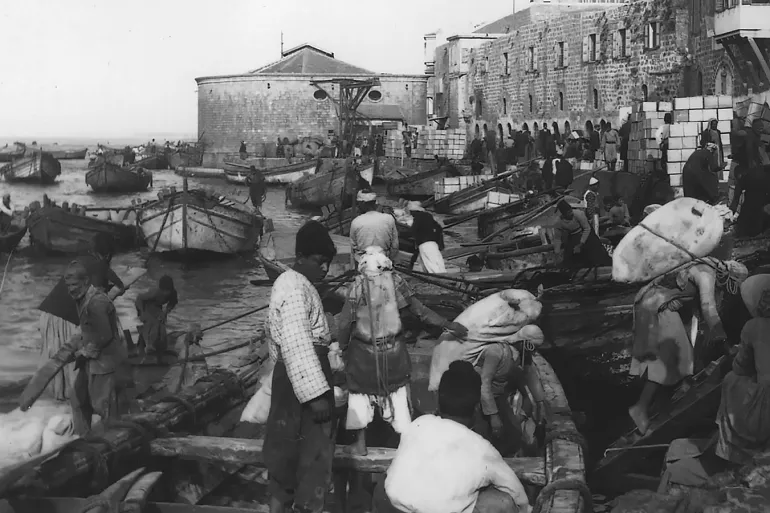 Palestine before the Nakba
Before the 1948 Nakba, fishing sustained many Palestinian families along a coast stretching from Ras al-Naqoura to Rafah, and on the shores of Lake Ti...
Palestine before the Nakba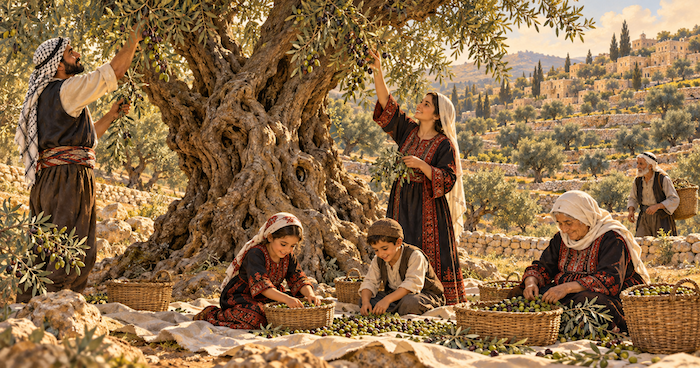 Palestine before the Nakba
The olive harvest in Palestine is more than farm work. It is a family festival that brings relatives and neighbours together under the trees from dawn...
Palestine before the Nakba