
Tourism, Hotels and Pilgrims in Palestine Before the Nakba
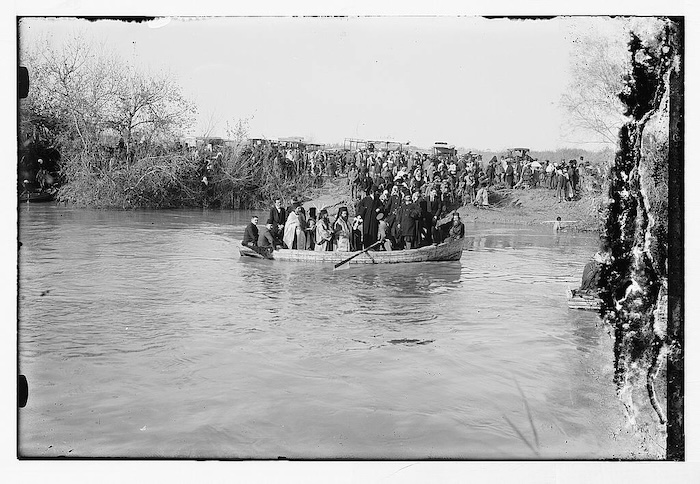
Tourism, Hotels and Pilgrims in Palestine Before the Nakba: Jerusalem, Bethlehem and Nazareth
Before the Nakba of 1948, Palestine was one of the busiest travel destinations in the East. Thousands of pilgrims arrived every year in Jerusalem, Bethlehem and Nazareth; Palestinian hotels rose at Bab al-Khalil, in Ma'man Allah and in Qatamon; and Palestinian guides, photographers, merchants and craftsmen made their living from this traffic. This is the story of Palestinian hospitality, from the tented camps of the nineteenth century to the Palace Hotel, and of how the Zionist occupation put out its lights when it uprooted its people from their land.
From Pilgrimage to Organized Tourism
Visitors were nothing new to Palestine. For centuries Christians from across the world had come to pray at the Church of the Holy Sepulchre in Jerusalem, the Church of the Nativity in Bethlehem, the Church of the Annunciation in Nazareth and the banks of the Jordan River. Muslims stopped on their way to the Hijaz, or came to visit Al-Aqsa Mosque, the Ibrahimi Mosque in al-Khalil (Hebron) and the shrines of the prophets. And it was the people of the land, Muslims and Christians, who received, sheltered and guided these visitors. The nineteenth century, however, brought a major shift: the hard, solitary pilgrimage turned into a tourist industry with its own offices, hotels and timetables.
The best-known starting point is the 1869 tour run by the British firm Thomas Cook, the first organized tourist trip to Egypt and Palestine. Travellers slept in luxurious tents pitched each evening, accompanied by local guides, cooks and muleteers. In 1874 the company opened offices in Jaffa and Jerusalem, and its sign at Bab al-Khalil became a city landmark.
In 1898 the Ottoman government engaged the same company to organize the visit of the German Kaiser Wilhelm II to Palestine. For this visit part of the wall between Bab al-Khalil and the Citadel was torn down and the moat filled in so the imperial procession could pass. That breach has remained the entrance for carriages, and later cars, into the Old City ever since.
Transport increased the flow even further. In 1892 the Jaffa–Jerusalem railway opened, and a pilgrim stepping off a ship at Jaffa port could reach Jerusalem in a few hours instead of a full day on horseback. (See also: Trains and Ports in Palestine Before the Nakba.)
Bab al-Khalil: The Travellers' Gateway to Jerusalem
Bab al-Khalil (Jaffa Gate) was the tourist heart of Jerusalem before the Nakba. Outside it began Jaffa Road with its offices and modern shops; inside it began Bab al-Khalil Road (Suq al-Bazar), leading down to the Old City markets and the Church of the Holy Sepulchre. Around the gate clustered hotels, money changers, photo and curio shops, and signs in English and French pointing visitors to Cook's tourist office.
The most prominent building on the square was the Grand New Hotel, built in 1884 on land owned by the Greek Orthodox Patriarchate and later known as the New Imperial. Its ground floor housed shops selling photographs and souvenirs to tourists. Nearby stood the Mediterranean Hotel (today's Petra Hotel). The Jerusalemite Dajani family leased the Imperial from the Patriarchate and ran it for generations; in the 1950s and 1960s its ballroom was a favourite venue for Palestinian weddings in the Old City.
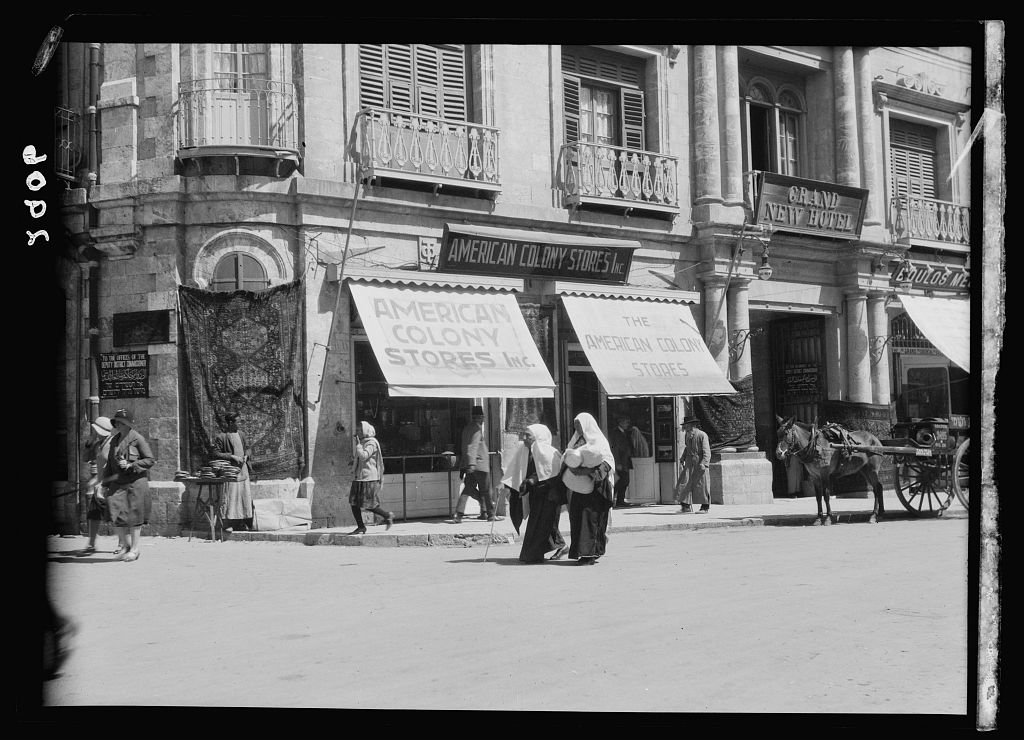
A hotel in those days was more than a place to sleep. It was a social salon where consuls, merchants and journalists met, and where parties and weddings were held. Nearby, in the new neighbourhoods outside the walls, Palestinian cafés and cinemas drew visitors and residents alike (read: Cafés in Palestine Before the Nakba).
Russian Pilgrims and al-Maskobiyya
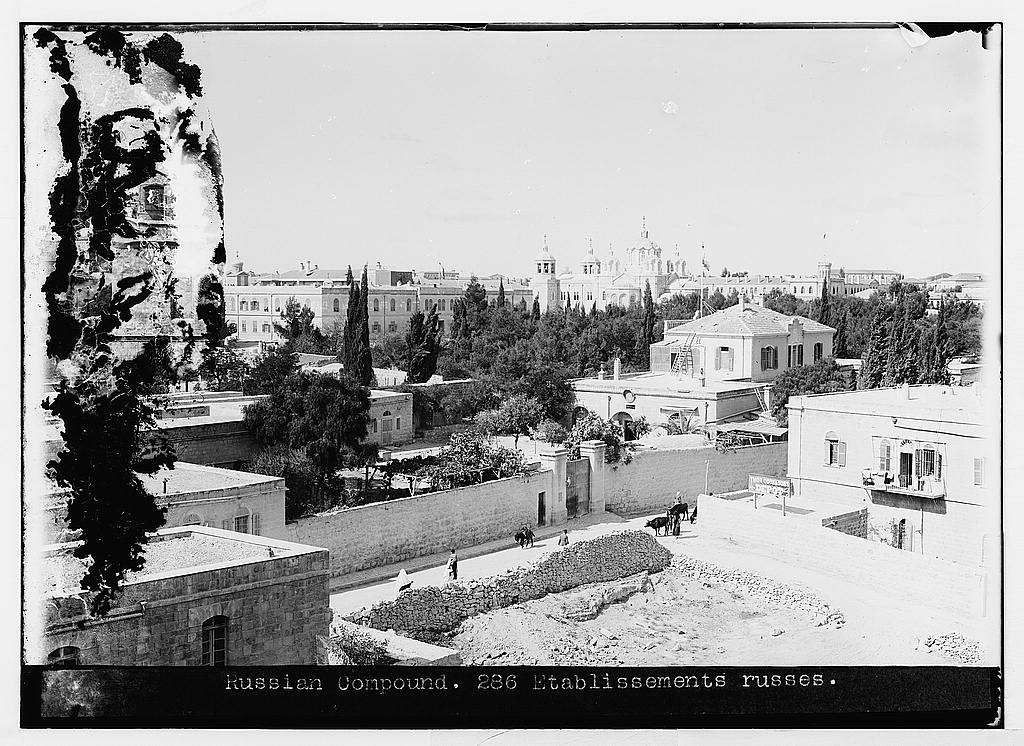
In the late Ottoman period, Russians were the largest group of pilgrims to Palestine, numbering around 12,000 a year before the First World War. Most were poor peasants who arrived by ship at Jaffa, walked up to Jerusalem, and stayed for weeks or even months, between Epiphany at the Jordan River and Easter at the Holy Sepulchre.
To house them, Tsarist Russia built a vast complex outside the walls on Jaffa Road between 1860 and 1864, which Jerusalemites called al-Maskobiyya ("the Muscovite"): the Holy Trinity Cathedral, a consulate, a hospital and pilgrim hostels. Russian property extended to the Mount of Olives, Ein Karim and Nazareth; by the First World War it included seven pilgrim hostels, five hospitals and 93 schools in Palestine and Bilad al-Sham, teaching more than 10,000 pupils, most of them taught by Arab teachers.
This traffic enlivened the city's economy: pilgrims bought candles, crosses and rosaries from Palestinian craftsmen, hired pack animals, and ate in the markets. But the First World War and then the Russian Revolution cut the flow off abruptly in 1914, and it never returned to what it had been. After the Nakba, the Zionist occupation seized most of al-Maskobiyya's buildings and turned part of it into a notorious interrogation and detention centre through which thousands of Palestinian prisoners have passed, still known today as "al-Maskobiyya".
The Palace Hotel: A Palestinian Project Against the Zionist Project
The British Mandate changed the hotel map. In 1925 the Zionist movement set up its own bureau to attract and direct tourists, built hotels serving its settler-colonial project, and used tourism as a propaganda tool for a narrative that erased the country's people. Against this background, the Supreme Muslim Council, headed by Hajj Amin al-Husseini, decided to build a first-class Palestinian hotel in Ma'man Allah (Mamilla), opposite the Ma'man Allah Pool and next to its historic Muslim cemetery.
The Palace Hotel was designed by the Turkish architects Ahmet Kemalettin and Mehmet Nihat, the same pair the Council had commissioned to restore Al-Aqsa Mosque. It opened in 1929 with some 140 rooms, central heating, elevators and telephones in the rooms, all rare luxuries in the region at the time. Above its entrance an Arabic inscription expressed the wish to build as the forefathers had built, a nod to the Mamluk architecture that inspired its façade.

The Palace was not only a business venture. The Council saw it as an investment that would bring income independent of the colonial authorities, and as a statement of Arab presence in western Jerusalem, where British and Zionist construction was concentrated. Its halls hosted the first and second Arab Exhibitions in the early 1930s, showcasing Arab agriculture and industry and strengthening Arab economic ties against colonialism. Their printed materials were designed by the Palestinian artist Jamal Badran, who drew borderless maps of the Arab world with lines radiating from Jerusalem to the Hijaz and the Maghreb.
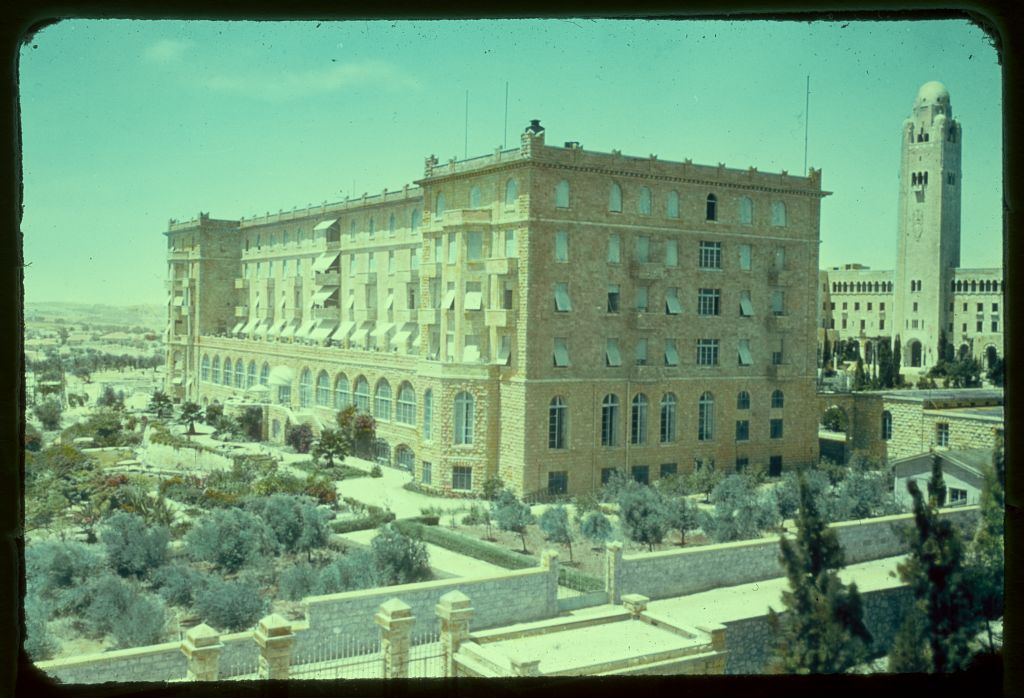
The hotel, however, faced fierce competition from the King David Hotel, which opened on the same street in 1931 with foreign capital, along with financial difficulties and political unrest. It closed around 1935 and was leased to the Mandate government, and in 1936 the British Royal (Peel) Commission held its sessions there.
The King David Hotel Bombing: Zionist Terror Strikes the Hotels
On 22 July 1946 the Zionist Irgun militia, on the orders of its leader Menachem Begin, blew up the southern wing of the King David Hotel, which housed the Mandate government's administration. The bombing killed 91 people, among them 41 Palestinians — employees, workers and members of the public. It was one of the deadliest attacks by Zionist militias before the Nakba, and an early message that hotels and civilian places would not be spared their terror.
The Semiramis Hotel in Qatamon
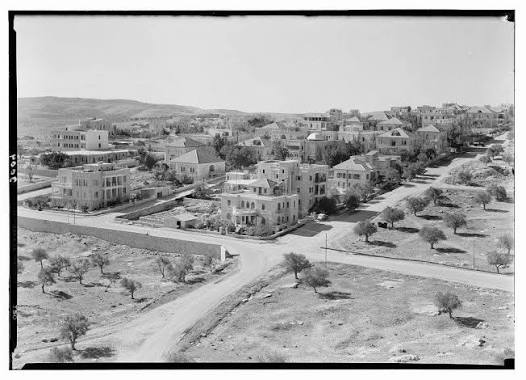
Alongside the grand hotels, small Palestinian-owned family hotels spread through Jerusalem's new neighbourhoods. The best known was the Semiramis Hotel in Qatamon, owned by Christian Jerusalemite families who also lived in it. On the stormy night of 5–6 January 1948, the Zionist Haganah militia blew up the hotel's eastern wing on top of its residents, killing between 18 and 26 Palestinians according to different sources, most of them members of the owners' families. The Semiramis Hotel massacre launched the campaign of bombing and terror that ended with the expulsion of Qatamon's people from their neighbourhood (read: Western Jerusalem Before the Nakba: Qatamon, Talbiyeh and Baq'a).
Guides, Photographers and Palestinian Guidebooks
Behind every tour stood a small army of Palestinians: the dragomans (guides and interpreters) who spoke Arabic, English and French, led caravans and knew every road, spring and village; the muleteers who supplied horses and mules; camp cooks; and the carriage drivers, later replaced by motor cars in the 1920s. It was the people of the land who introduced Western visitors to their country.
During the Mandate, Palestinians wrote English-language guidebooks that presented the country from the perspective of its own people, answering Zionist guides that portrayed Palestine as an empty land waiting to be developed. Among the best known is This is Palestine, published in 1942 by two Jerusalemites, Stephan Hanna Stephan and Boulos 'Afif; 'Afif was a Jerusalem photographer who had published tourist maps of Palestine in the 1930s. The archives of other Jerusalem families, such as the Sahhar family, reveal Palestinian merchants who owned hotels and cinemas and helped publish tourist guides during the 1930s.
Photography was a core part of the trade. Jerusalem's photo studios sold sets of photographs and postcards to tourists from their shops on Jaffa Road, and employed Palestinian photographers such as Hanna Safieh. In Nazareth, Karimeh Abbud, a native of Bethlehem and the first professional Palestinian woman photographer, ran a studio where she photographed weddings and portraits, and also captured the cities and holy sites of Palestine. Today these photographs are among the strongest evidence of a full Palestinian life before the Nakba.
Bethlehem: City of the Nativity and of Hospitality
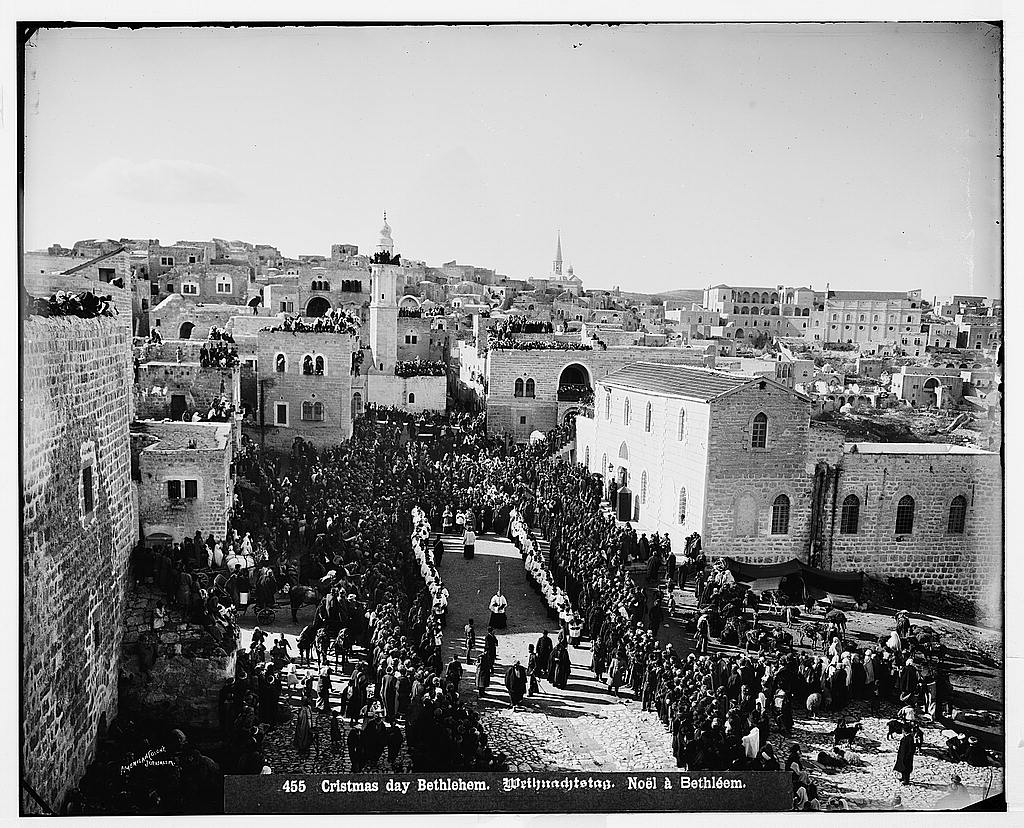
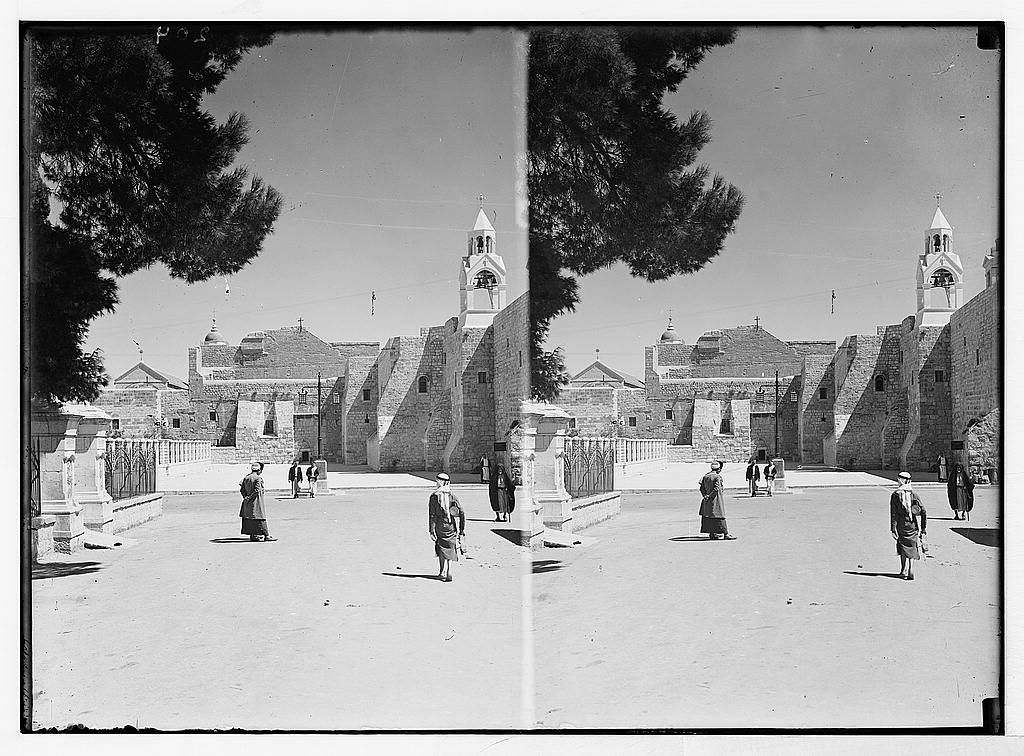
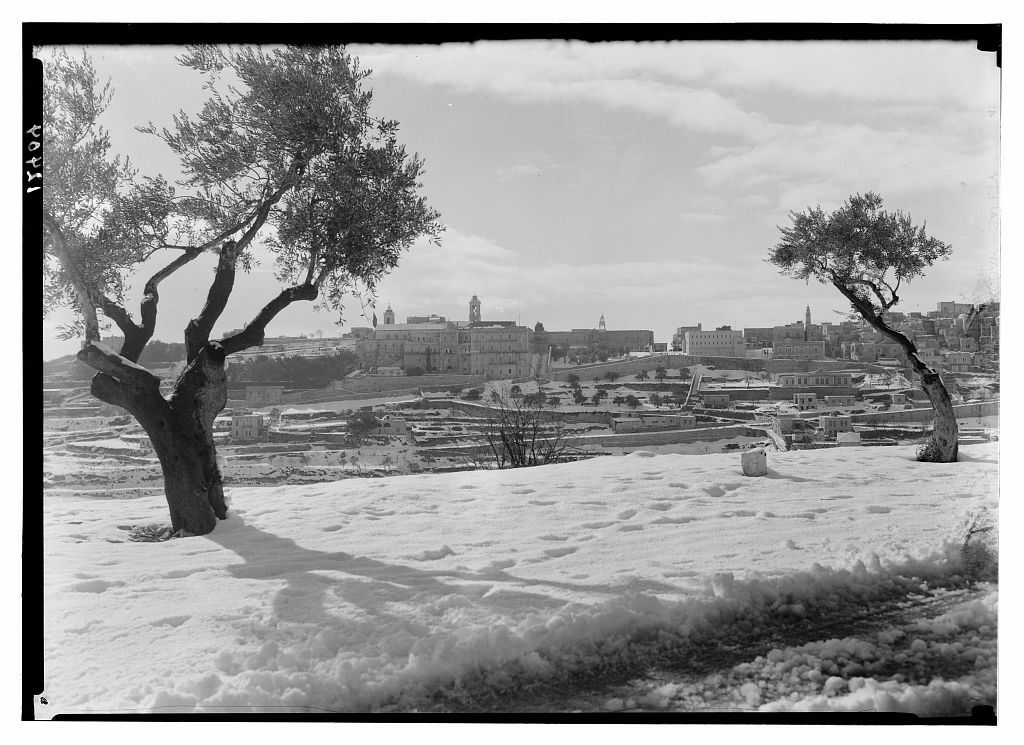
No Palestinian city lived to the rhythm of pilgrims more than Bethlehem. The Church of the Nativity, one of the oldest churches in the world where worship has never ceased, welcomed visitors all year round. The season peaked at Christmas, celebrated three times: on 25 December by Catholics and Protestants, on 6–7 January by the Orthodox, and later in January by the Armenians.
On Christmas Eve the Patriarch's procession set out from Jerusalem along the Hebron road, was greeted by the notables of Bethlehem and the surrounding villages, and entered Manger Square amid crowds, horsemen and scouts, while spectators packed the rooftops.
A whole Palestinian industry grew up around the visitor: workshops of mother-of-pearl and olive wood producing rosaries, crosses and Nativity models, and curio shops along the main street to Manger Square. Bethlehem merchants carried these goods to fairs in Europe and the Americas, one of the reasons many of the city's families emigrated to Latin America.
Visitors stayed in monastery hostels, such as the Franciscan Casa Nova next to the Church of the Nativity, and in guesthouses. The city still preserves mansions from that era, such as the Jacir Palace, built by the Jacir family in 1910, which passed through several uses before becoming a hotel in our own time.
Nazareth: City of the Annunciation and Hub of the Galilee
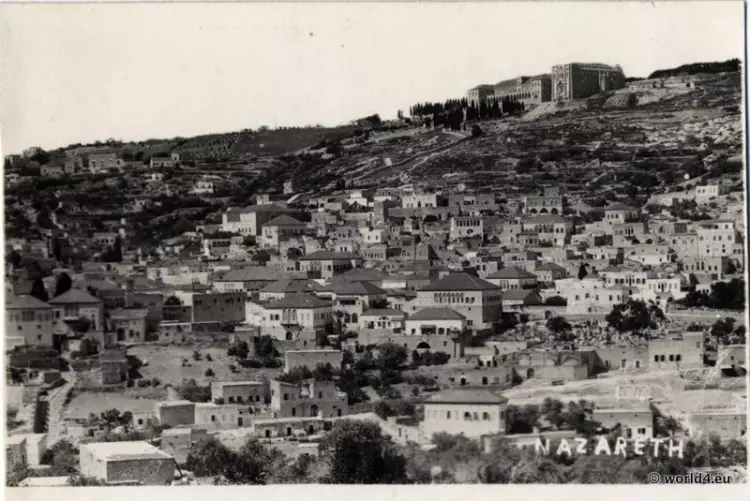
Nazareth was the main stop for pilgrims to the Galilee. They came from Haifa or Jerusalem to visit the Latin Church of the Annunciation, the Greek Orthodox Church of St Gabriel built over the spring, and Ain al-Adhra (Mary's Well), for centuries the town's only water source, a meeting place for its women and merchants, and sacred to Christians and Muslims alike.
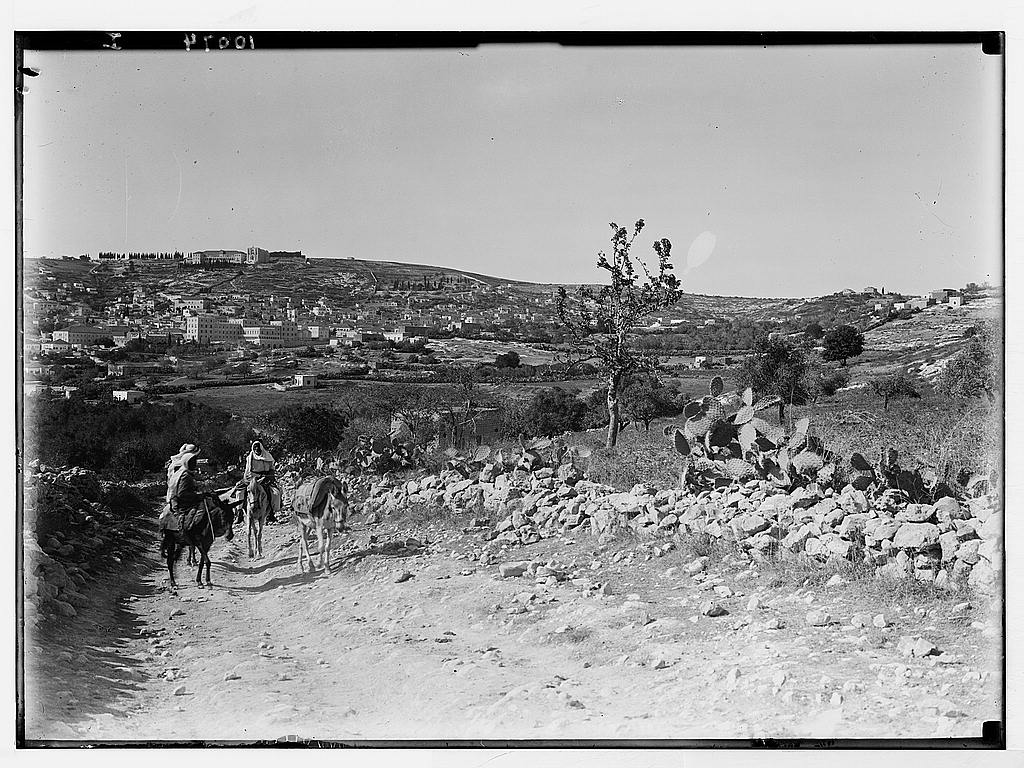
Pilgrims stayed in guesthouses run by religious orders: the earliest documented mention of the Franciscan Casa Nova, opposite the Church of the Annunciation, dates to 1887, and the Russian society also owned property and hostels in the town. From Nazareth visitors set out for Jabal al-Tur (Mount Tabor), Kafr Kanna (Cana) and Tiberias, turning the town into a market that served caravans and sold souvenirs. On 16 July 1948 Zionist forces occupied Nazareth, and the city became a refuge for thousands of people expelled from the destroyed villages of the Galilee (read: Nazareth Before the Nakba).
The Pilgrimage Calendar
The tourist calendar of pre-Nakba Palestine was essentially a religious one, with seasons following each other through the year:
- Christmas (December – January): the high season in Bethlehem, with three celebrations for the different churches.
- Epiphany (January): thousands of pilgrims went down to the Jordan River near Jericho to be immersed in its waters.
- Holy Week and Easter (March – April): the largest gathering in Jerusalem, including the Holy Fire at the Church of the Holy Sepulchre.
- Nabi Musa season (April): a popular Muslim festival in which processions marched from Jerusalem to the shrine near Jericho, coinciding with Christian Easter (read: Popular Seasons in Palestine Before the Nakba).
- Feast of the Annunciation (March): special celebrations in Nazareth.
In these seasons hotels and monasteries filled up, markets worked day and night, and the roads from Jerusalem to Bethlehem and from Jerusalem to Jericho became a continuous stream of pilgrims, carriages and pack animals.
The Nakba: How the Zionist Occupation Destroyed Palestinian Tourism
The Nakba of 1948 tore this world out by its roots. Zionist militias occupied the Arab neighbourhoods of western Jerusalem — Ma'man Allah, Qatamon, Talbiyeh and Baq'a — expelled their people, and seized the Palace Hotel, the ruins of the Semiramis, and dozens of homes, hotels and shops that had welcomed guests. Palestinians lost Jaffa port, the pilgrims' gateway by sea, the railway to Jerusalem, and the coastal road linking the Galilee to Jerusalem.
The occupation broke the unity of the three holy cities: Nazareth was occupied in 1948, while East Jerusalem and Bethlehem remained outside its control until it occupied them in 1967. Pilgrims could only cross between them through the Mandelbaum Gate in Jerusalem, under special arrangements. Photographers' shops on Jaffa Road were damaged in the fighting, many Palestinian travel agencies closed, and hotel owners, guides and craftsmen became refugees.
The dispossession continues to this day. The occupation authorities seized the Palace Hotel and used it as government offices before it was sold and turned into a luxury hotel that hides its Arab history, and large parts of the neighbouring Ma'man Allah cemetery were bulldozed. At Bab al-Khalil, the occupation's Supreme Court ruled in 2022 in favour of the settler organization Ateret Cohanim in a contested deal to take over the Imperial and Petra hotels, properties of the Greek Orthodox Patriarchate, while the Jerusalemite Dajani family continues to defend the hotel it has run for generations.
Yet memory survived in the stones and the photographs: the Palace Hotel's façade with its Arabic inscriptions, the Imperial at Bab al-Khalil, the old pilgrim houses of Bethlehem and Nazareth, and thousands of photographs taken before the Nakba. All of them bear witness that Palestine was never "a land without a people", as the Zionist narrative claimed, but a living country full of its people, welcoming the world and knowing how to host it, before its people were uprooted.
Frequently Asked Questions About Tourism in Palestine Before the Nakba
What were the most famous hotels in Jerusalem before the Nakba?
Among the best known were the Grand New Hotel (later the Imperial) at Bab al-Khalil, built in 1884; the Mediterranean (Petra) Hotel; the Palace Hotel, built by the Supreme Muslim Council in 1929; the King David Hotel (1931); and Palestinian family hotels in Qatamon such as the Semiramis.
Who built the Palace Hotel in Jerusalem?
It was built by the Supreme Muslim Council, headed by Hajj Amin al-Husseini, and designed by the Turkish architects Ahmet Kemalettin and Mehmet Nihat. It opened in 1929 opposite the Ma'man Allah Pool.
What happened to the Semiramis Hotel?
The Zionist Haganah militia blew it up on the night of 5–6 January 1948, killing between 18 and 26 Palestinians, most of them from the owners' families. The massacre marked the beginning of the expulsion of Qatamon's people.
Who bombed the King David Hotel?
The Zionist Irgun militia, led by Menachem Begin, bombed it on 22 July 1946, killing 91 people, 41 of them Palestinians.
How many Russian pilgrims came to Palestine?
Around 12,000 a year before the First World War. They stayed at al-Maskobiyya, the Russian complex on Jaffa Road in Jerusalem.
When did organized tourism to Palestine begin?
Thomas Cook's 1869 tour is considered the first organized tourist trip to Egypt and Palestine; the company opened offices in Jaffa and Jerusalem in 1874.
More from the archive
 Download Our Palestine App
The whole archive in the palm of your hand: depopulated villages, the Nakba, the massacres and Al-Aqsa — free, with no ads to erase the story.



Comments
No comments yet — be the first to write one.
Add your comment
Name and email are optional. Comments appear after review.