
Pioneering Palestinian Women Writers and Journalists Before 1948
Pioneering Women in Palestinian Literature and Journalism Before the Nakba: From Al-Karmil Newspaper to Jerusalem Radio
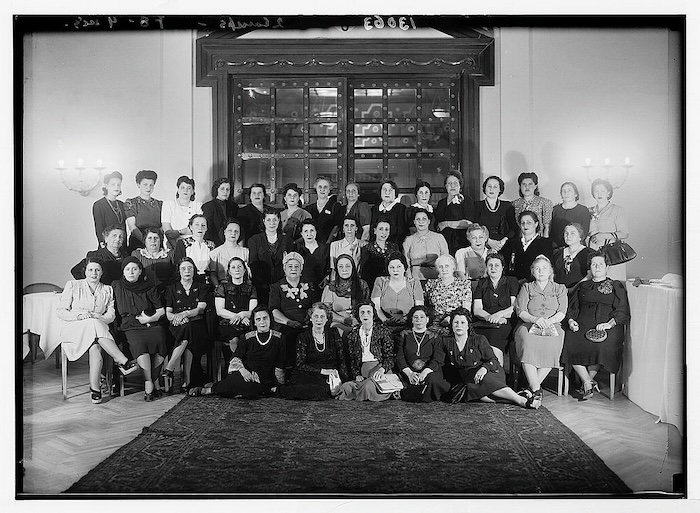
Before 1948, Palestinian women were active in both print and broadcasting. In Haifa, Sadhij Nassar edited the women's page of Al-Karmil newspaper and paid for her political positions with imprisonment. In Acre, Asma Tubi wrote, broadcast and led the women's union. From Nazareth, Kulthum Odeh went on to become a university professor in Russia, while in Jerusalem, Qudsiyya Khurshid was among the early female voices on Huna al-Quds—“This Is Jerusalem”—radio. This article traces the lives of pioneering women in Palestinian literature and journalism before the Nakba, exploring how their writing intersected with the struggle against British colonialism and the Zionist project, and how the Nakba shaped their lives.
Journalism and the Women's Movement in Mandate Palestine
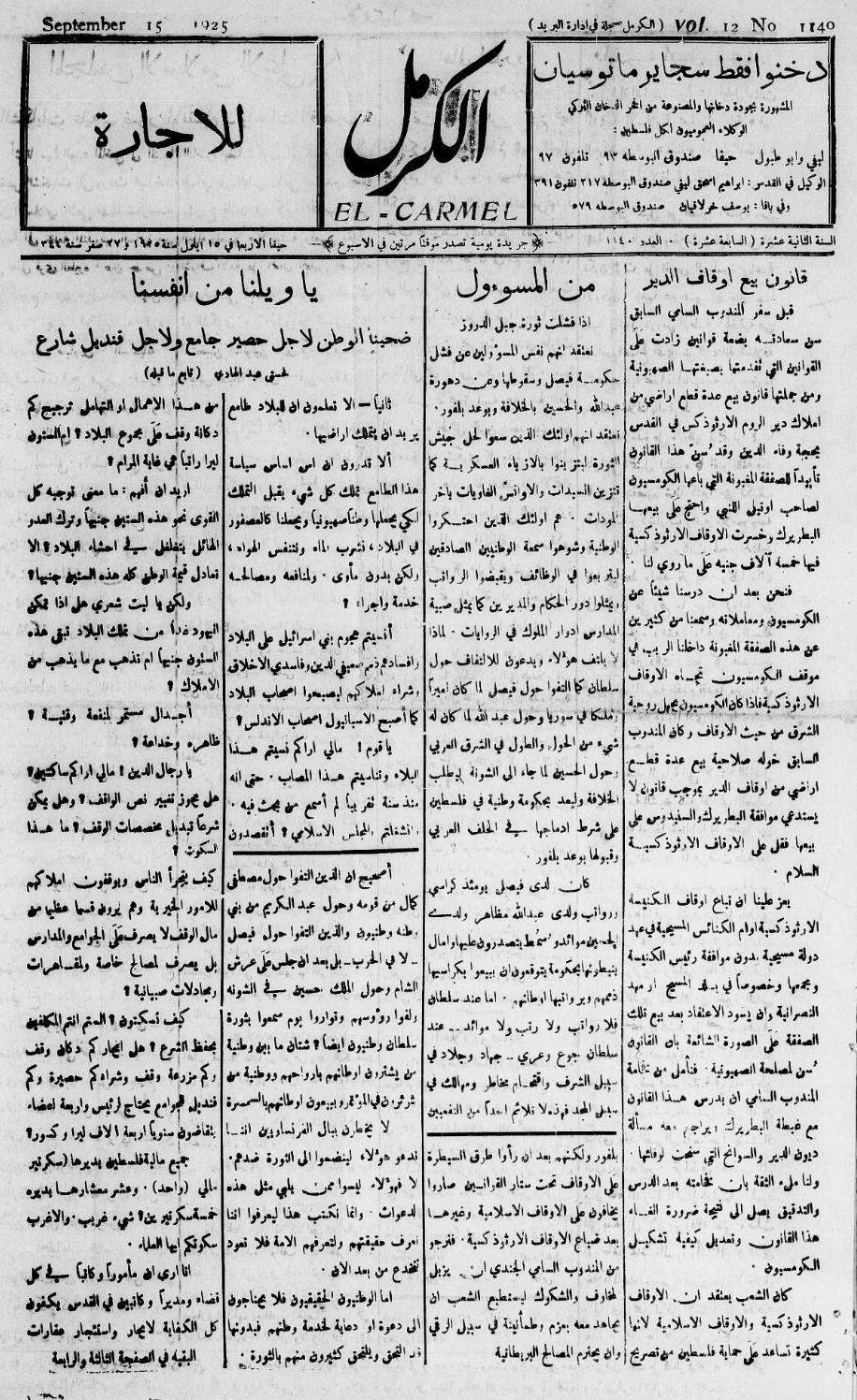
Palestine witnessed a flourishing press in the first half of the twentieth century. In Haifa, Najib Nassar founded Al-Karmil in 1908. In Jaffa, Filastin newspaper appeared, while in Jerusalem, Bulus Shehadeh founded Mir'at al-Sharq on 17 September 1919. These newspapers became platforms for defending Palestine's Arab identity against the Balfour Declaration, Zionist immigration and British Mandate policies. As a result, the British authorities repeatedly shut them down. (Read: Haifa Before the Nakba.)
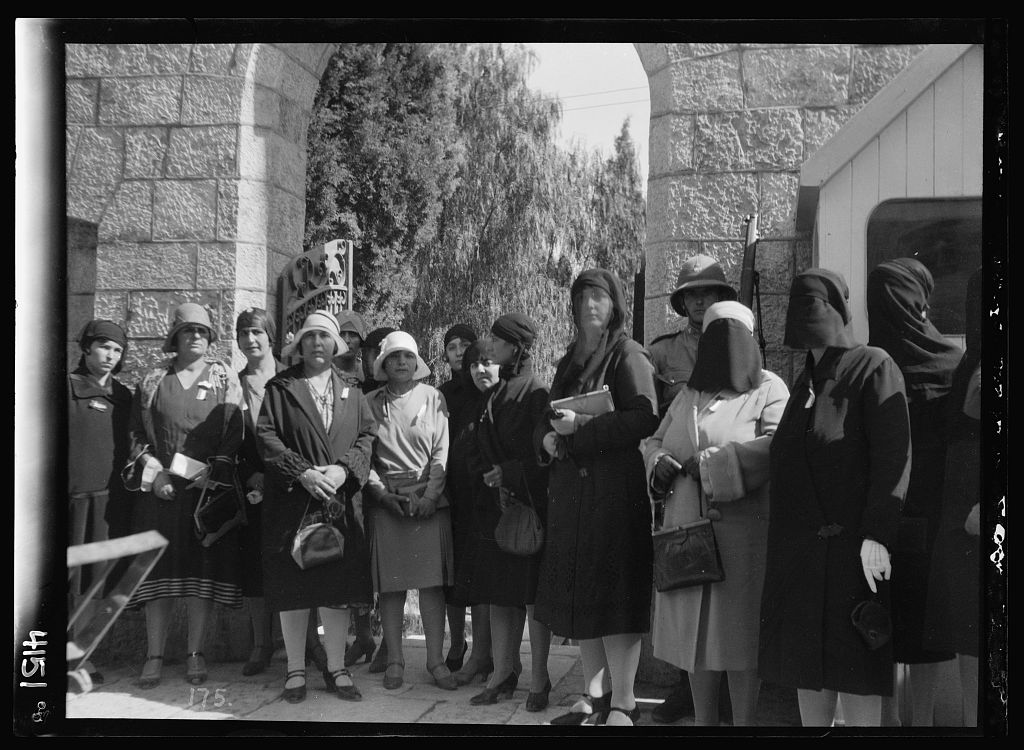
At the same time, an organised women's movement was emerging. In the late 1920s, the Capital Women's Union was established in Jerusalem under the leadership of Zulaykha al-Shihabi. Women's associations sent telegrams to London protesting the Balfour Declaration, demanded the release of exiled political detainees, organised first-aid committees to treat the wounded, and opened a clinic that treated the poor and vaccinated children. In 1930, the Arab Women's Union was established in Haifa, followed by unions in Acre and other cities. These associations nurtured writers, journalists and broadcasters who combined their words with national activism. (Read: Palestinian Women Before the Nakba.)
Sadhij Nassar: The Women's Page of Al-Karmil
Growing Up in Haifa
Sadhij Nassar was born in Haifa, most likely in 1900 according to the Interactive Encyclopedia of the Palestine Question, although another source gives 1882. Her father was Sheikh Badi'ullah al-Baha'i, an Acre resident of Iranian origin. She attended and graduated from the Sisters of Nazareth School in Haifa, then married journalist Najib Nassar, the founder of Al-Karmil. They had a son, Faruq.
The “Women's Newspaper” Within Al-Karmil
Sadhij began writing for Al-Karmil in 1923 and later helped edit and manage it. In 1926, she launched a dedicated section called the “Women's Newspaper”, in which both men and women wrote about social issues. By 1932, she was editing two sections: one on women's issues and another on social affairs. Some sources also report that she published an independent bulletin, Risalat al-Karmil, devoted to women's affairs.
In her articles, Sadhij urged mothers to raise sons and daughters equally, called for women's education and access to employment, and criticised social shortcomings. Above all, she encouraged women to participate in political life and resist British colonialism and the Zionist project. For her, the women's page was a national platform rather than a corner for entertainment.
From the Women's Union to Bethlehem Detention Camp
In 1930, Sadhij and Maryam al-Khalil founded the Arab Women's Union in Haifa. The union played a prominent role in the general strike of 1936. Sadhij joined women's demonstrations in support of the strike and attempted to organise peasant women in the Baysan area. In October 1938, she attended the Eastern Women's Conference in Cairo as a member of the Palestinian delegation and was elected secretary of the conference bureau.
In late 1938, the British Mandate authorities arrested her on charges of supplying weapons to the rebels. Describing her as a “very dangerous woman,” they made her the first Palestinian woman arrested by the Mandate authorities for her national activism. She spent eleven months in Bethlehem detention camp, while local and international campaigns called for her release. After leaving detention, she continued her work. In 1944, she addressed the General Arab Women's Conference in Cairo, urging Arabs to act to save Palestine. That same year, the British authorities permanently closed Al-Karmil under emergency regulations and sealed its offices with red wax.
Asma Tubi: From Nazareth to Acre, Then Exile
Asma Tubi was born in Nazareth in 1905 to an Arab Christian family. Her father was a poet who introduced her to classical Arabic poetry. (Read: Nazareth Before the Nakba.) She attended the English School and began writing poetry and prose at fourteen. After marrying Ilyas Niqula Tubi, she moved to Acre, where she became a prominent figure in the city's cultural life and women's movement. (Read: Acre Before the Nakba.)
Writer, Playwright and Journalist
Asma wrote her first play in 1925, The Death of the Russian Tsar and His Family. She went on to write plays, poetry and essays and translate from English. She oversaw the women's page of Filastin newspaper and contributed to several newspapers and magazines before the Nakba. Her works from this period include The Girl as I Would Like Her to Be (1943), On the Altar of Sacrifice (1946), and a translation of The Prodigal Son (1946).
Leading the Women's Union in Acre
Asma helped establish an Arab women's committee in Acre and later the city's women's union, serving first as its secretary and then as its president until 1948. During the 1936–1939 revolt, she raised funds, supported the rebels, cared for the wounded and the families of those killed, led demonstrations, and wrote protest statements, including against proposals to partition Palestine in 1937. She was also active in the Young Women's Christian Association and chaired the Orthodox Young Women's Association.
Mary Sarrouf Shehadeh: Writing About Family and Education
Mary Sarrouf Shehadeh, the wife of journalist Bulus Shehadeh, owner of Jerusalem's Mir'at al-Sharq newspaper, is regarded as a pioneer of Palestinian women's journalism alongside Sadhij Nassar and Asma Tubi. She wrote newspaper articles on education and social issues affecting women and families, calling on Palestinian women to organise and mobilise their energies. On Jerusalem Radio, she presented a programme entitled “Education in the Arab Family.”
The newspaper associated with her name also paid a price for its political positions. The British authorities closed it several times before shutting it down permanently in 1939 over a poem calling for revolt against Mandate policies.
Women on “This Is Jerusalem” Radio
“This Is Jerusalem” radio began broadcasting in spring 1936 under the British Mandate. Poet Ibrahim Tuqan headed its Arabic section until the British dismissed him in 1940. He was followed by Ajaj Nuwayhid and then Azmi al-Nashashibi, who remained until 1948. (Read: The Arts in Palestine Before the Nakba.) Asma Tubi was among the first women to broadcast on the station, presenting a weekly women's programme entitled “A Talk to the Arab Mother.” She also broadcast on the Near East station in Jaffa.
Qudsiyya Khurshid: A Jerusalem Woman's Voice
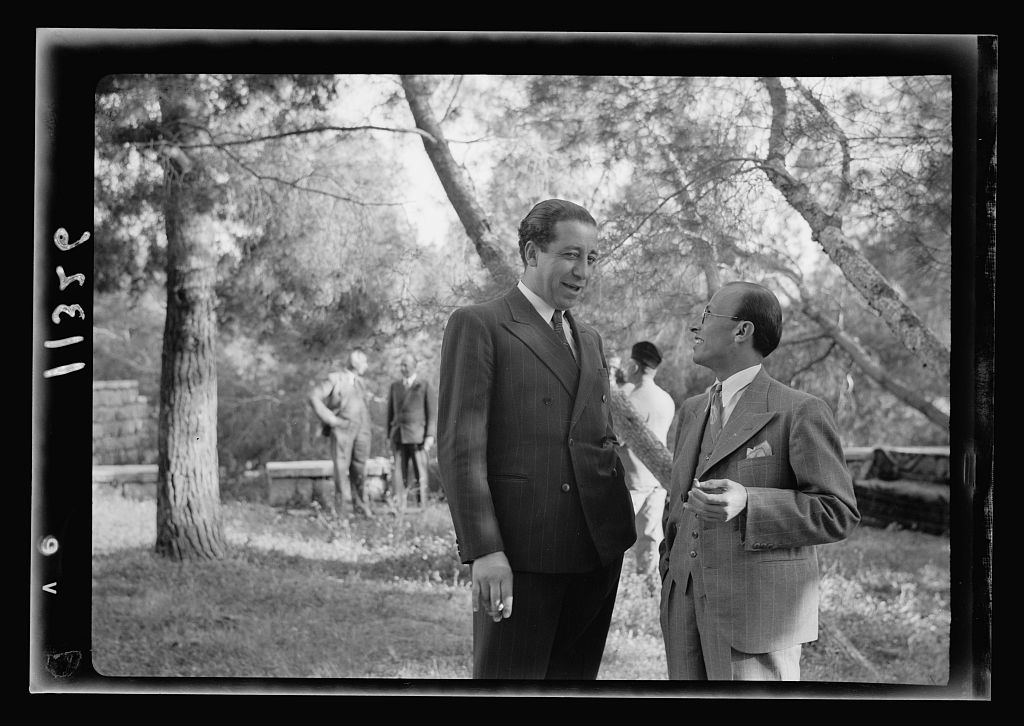
Qudsiyya Khurshid was born in Jerusalem in 1912 according to the Interactive Encyclopedia, although her family believes she may have been born in the middle of that decade. She graduated from the Women's Teacher Training College in Jerusalem in 1935, taught at the girls' school in al-Bireh and later became its headmistress. Between 1940 and 1947, she worked as a broadcaster, writer and editor for the Palestine Broadcasting Service. She edited children's stories, wrote and delivered talks on Islam and women's achievements, and in late 1940 presented a series on women writers Aisha al-Taymuriyya, Malak Hifni Nasif and May Ziadeh. Her talk on women's character was published in a 1942 book collecting radio talks by fourteen writers. She also published poetry and articles in magazines including Al-Mihmaz, Al-Qafila, Al-Muntada and Huna al-Quds.
Responding to Zionist Propaganda
These programmes were closely connected to the struggle over how Palestine was represented. When a Zionist woman writer published an article in a Zionist newspaper in 1937 attacking the conditions of Arab women, Qudsiyya Khurshid and Asma Tubi responded in defence of Palestinian Arab society. Alongside them, Anbara Salam al-Khalidi, who was born in Lebanon and had lived in Jerusalem since marrying Palestinian educator Ahmad Samih al-Khalidi in 1929, delivered numerous talks on Palestine Radio about prominent Arab and Western women. She also joined her husband in explaining the Palestinian cause to British and international commissions of inquiry and to foreign journalists who visited their home.
Kulthum Odeh: From Nazareth to Russia's Universities
Kulthum Odeh was born in Nazareth on 2 April 1892 to an Orthodox Christian family, the youngest of five daughters. She attended schools run by the Imperial Orthodox Palestine Society, then studied at the Russian Women's Teacher Training College in Beit Jala between 1900 and 1908, where Khalil al-Sakakini taught her Arabic. She returned to teach at the society's schools in Nazareth and published literary articles in Arabic magazines including Al-Nafa'is al-Asriyya in Haifa, Al-Hilal in Cairo and Al-Hasna' in Beirut.
In 1913, despite her family's objections, she married Russian physician Ivan Vasiliev. She moved with him to Russia in 1914, where she became known as Kulthum Odeh-Vasilieva. There, she became a leading scholar of Arabic, teaching at institutes and the university in Leningrad, and later in Moscow. According to the Interactive Encyclopedia, she received her doctorate in 1928 and attained the rank of professor, becoming the first Arab woman to do so. In 1928, she visited Palestine and researched its folk traditions, writing about childbirth customs among the Arabs of northern Palestine and rain-invocation rituals among Palestinian Arabs. She also criticised the preference for sons over daughters. She translated between Arabic and Russian, and Yevgeny Primakov was among her students. In January 1990, the Palestine Liberation Organization posthumously awarded her the Jerusalem Medal for Culture, Arts and Literature.
Fadwa Tuqan: A Poet's Beginnings Before the Nakba
Fadwa Tuqan was born in Nablus in 1917. She attended the Fatimiyya and A'ishiyya schools, but her education was cut short after fewer than five years, and she was confined to the family home. After returning from the American University of Beirut, her brother, poet Ibrahim Tuqan, took charge of her education. He taught her grammar, prosody and rhetoric, encouraged her to write poetry, and for a time she lived with him in Jerusalem. She began sending poems to literary magazines in Cairo and Beirut under pseudonyms, and they were published at a time when it was difficult for a young woman from a conservative family to sign her own name.
After Ibrahim died in 1941, she wrote her first prose book about him, My Brother Ibrahim, published in Jaffa in 1946. The Nakba followed, and her first poetry collection, Alone with the Days, appeared in 1952. She would later become one of the foremost voices in Palestinian poetry.
How Did the Nakba Affect These Pioneers?
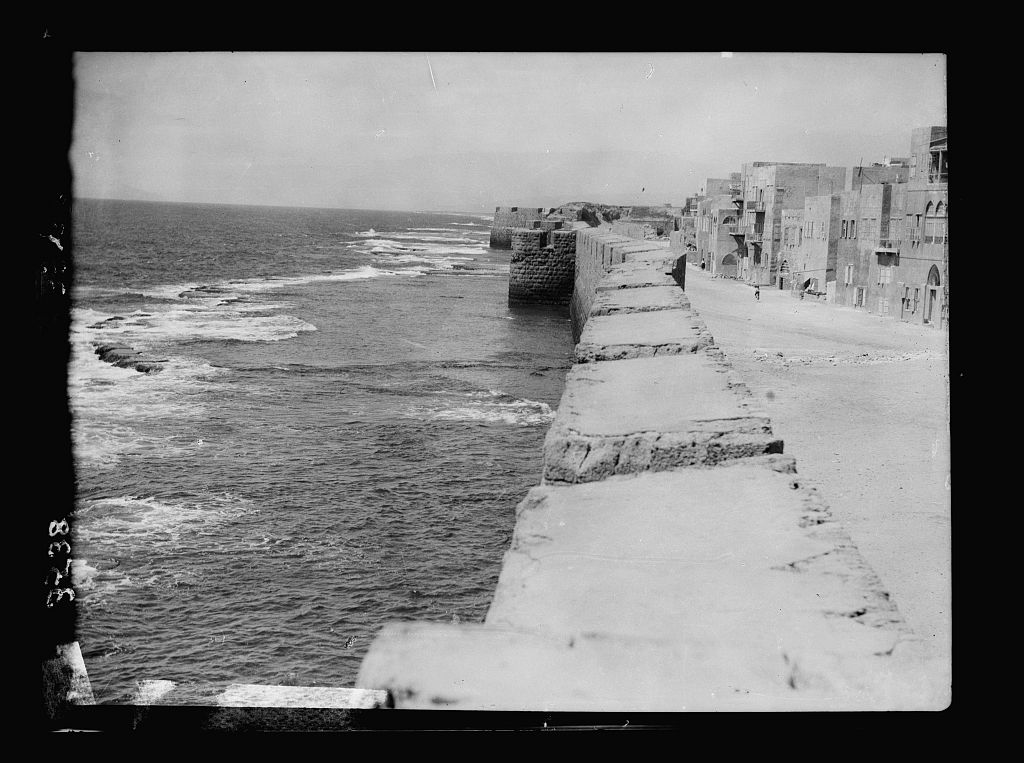
The Nakba of 1948 uprooted this generation from their cities and the platforms through which they spoke. Residents of Haifa, Acre, Jaffa and the Arab neighbourhoods of West Jerusalem were displaced by Zionist militias. Newspapers ceased publication, and writers were scattered into exile. (Read: West Jerusalem Before the Nakba.)
- Sadhij Nassar: She sought refuge in Lebanon and wrote a series of articles on Palestine's tragedy for Al-Yawm. She later moved to Syria and contributed to newspapers such as Al-Qabas. She died in Damascus in 1970 and was buried there, far from Haifa, where she had written for more than twenty years.
- Asma Tubi: Forced out of Acre in 1948, she left behind the unpublished manuscript of her book The Palestinian Arab Woman. She settled with her family in Lebanon and continued writing for Lebanese newspapers and magazines and broadcasting from Beirut. In Abir wa-Majd (“Fragrance and Glory,” 1966), she documented Palestinian women's lives and voices in the diaspora. Sources recount that, during her final illness, she continued to ask about returning home. She died in Beirut in 1983 and was buried there. In 1990, she was posthumously awarded the Jerusalem Medal for Culture, Arts and Literature.
- Qudsiyya Khurshid: She married in November 1947 and travelled with her husband to the United States in January 1948, a few months before the Nakba. She never returned to Jerusalem. For decades, she lectured about Palestine at schools and associations and wrote to American newspapers in response to their coverage of the region. She died in 2009.
- Anbara Salam al-Khalidi: She remained in Jerusalem until the Nakba and later died in Beirut, her birthplace, in 1986.
- Jerusalem Radio: Zionist forces occupied the broadcasting building in Jerusalem, and broadcasting moved to Ramallah under the name “Arab Jerusalem Radio.”
The Nakba was thus a catastrophe for the written and spoken word as well: newspapers closed, manuscripts left behind in homes, and voices carried into exile. Yet these pioneers' writings remain testimony that, before 1948, Palestinian women were writers, journalists, broadcasters and organisers. The Palestinian society that was uprooted was a vibrant, educated society, debating its concerns and resisting colonialism with the pen as well as with arms.
Frequently Asked Questions About Pioneering Women in Palestinian Literature and Journalism
Who was the first Palestinian woman journalist arrested by the British Mandate authorities?
Sadhij Nassar, editor of the women's page of Al-Karmil newspaper in Haifa. The British authorities arrested her in late 1938 on charges of supplying weapons to the rebels. She spent eleven months in Bethlehem detention camp.
What was Al-Karmil newspaper?
A newspaper founded by Najib Nassar in Haifa in 1908. His wife, Sadhij Nassar, helped edit it. The British authorities permanently closed it in 1944.
Who was Asma Tubi?
A Palestinian writer, journalist and broadcaster, born in Nazareth in 1905. She lived in Acre, headed its women's union and oversaw the women's page of Filastin newspaper. She was displaced to Lebanon in 1948 and died in Beirut in 1983.
Were there women broadcasters on Jerusalem Radio before the Nakba?
Yes. They included Asma Tubi, who presented a weekly women's programme; Qudsiyya Khurshid, who worked as a broadcaster, writer and editor between 1940 and 1947; and Mary Sarrouf Shehadeh, who presented a programme on education in the Arab family.
Who was Kulthum Odeh?
An academic from Nazareth, born in 1892. She published articles in Arabic magazines before moving to Russia in 1914, became a professor of Arabic language and literature in Leningrad and Moscow, and wrote about Palestinian folk customs.
More from the archive
 Download Our Palestine App
The whole archive in the palm of your hand: depopulated villages, the Nakba, the massacres and Al-Aqsa — free, with no ads to erase the story.



Comments
No comments yet — be the first to write one.
Add your comment
Name and email are optional. Comments appear after review.