
Palestinian Poets Before the Nakba: Tuqan and Mahmoud
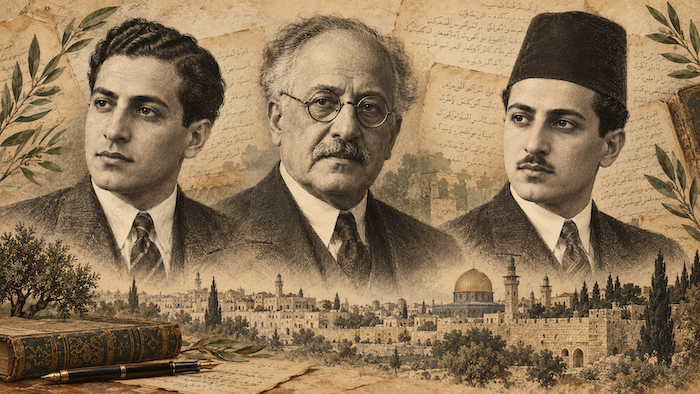
Palestinian Writers and Poets Before the Nakba: Ibrahim Tuqan, Khalil al-Sakakini and Abd al-Rahim Mahmoud
Before the Nakba of 1948, Palestine had a vibrant literary and cultural life: newspapers, magazines, printing presses, schools and radio broadcasts. Writers and poets used their words to express attachment to their homeland and opposition to British colonial rule and the Zionist project. Among them were Ibrahim Tuqan, author of “Mawtini”; Khalil al-Sakakini, the educator and writer displaced from his home in Jerusalem; and Abd al-Rahim Mahmoud, the poet killed in battle in 1948.
Literary Life Before the Nakba
Palestine was an active participant in the modern Arab cultural revival. Influential Arabic newspapers included Al-Karmil, established in Haifa in 1908, and Filastin, founded in Jaffa in 1911. Printing presses, bookshops and private libraries formed part of urban life, while schools nurtured generations of teachers, journalists and writers.
Literature was closely connected to political life. Poems and articles addressed British rule, land sales, immigration and Palestinian aspirations for independence. The opening of Palestine Broadcasting Service in Jerusalem in 1936 gave literature another route into people's homes.
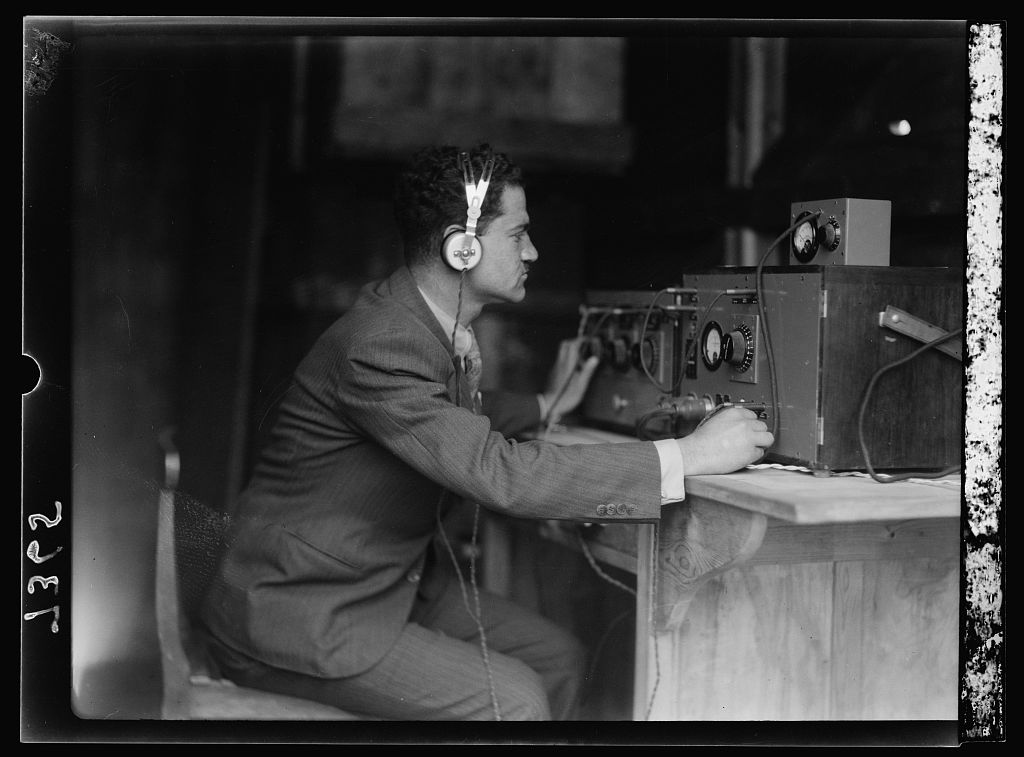
Ibrahim Tuqan: Poetry and National Life
From Nablus to Teaching and Radio
Ibrahim Tuqan was born in Nablus in 1905. He studied in Palestine and at the American University of Beirut, graduating in 1929. He worked as a teacher and later headed Arabic programming at the broadcasting service in Jerusalem.
Tuqan also guided the early literary development of his younger sister, Fadwa Tuqan. Among his students at al-Najah School in Nablus was the poet Abd al-Rahim Mahmoud.
“Al-Thulatha al-Hamra”: Remembering the Acre Executions
Occasion: On 17 June 1930, the British Mandate authorities executed Fuad Hijazi, Muhammad Jamjoum and Ata al-Zeer in Acre following the events of 1929. Tuqan commemorated them in “Al-Thulatha al-Hamra”. Its opening evokes a country mourning through both the call to prayer and church bells.
لمّا تعرّضَ نجمُكَ المنحوسُ
وترنّحتْ بعُرى الحبالِ رؤوسُ
ناحَ الأذانُ وأعولَ الناقوسُ
فالليلُ أكدرُ والنهارُ عبوسُ
Source: WAFA – The Red Tuesday .
“Mawtini”: A Song Across Generations
Tuqan wrote “Mawtini” in the 1930s, and Lebanese composer Muhammad Flayfel set it to music. Its vision of dignity and freedom made it one of the most enduring songs associated with Palestine.
موطني
الجلالُ والجمالُ والسناءُ والبهاءُ
في رُباك
والحياةُ والنجاةُ والهناءُ والرجاءُ
في هواك
“Al-Fida'i”: The Image of the Fighter
In “Al-Fida'i”, Tuqan portrayed a fighter prepared to risk his life for his homeland. The poem helped shape a recurring figure in Palestinian national poetry.
لا تسلْ عن سلامتِهْ
روحُه فوقَ راحتِهْ
Tuqan died in Jerusalem on 2 May 1941 and was buried in Nablus. He did not live to witness the Nakba, but his poetry remained part of Palestinian cultural life after it.
Khalil al-Sakakini: Education, Books and Displacement
A Jerusalem Educator
Born in Jerusalem in 1878, Khalil al-Sakakini was an educator, writer and advocate of Arabic language and culture. In 1909, he helped establish the Constitutional School in Jerusalem, which became associated with educational methods that respected students and rejected corporal punishment.
He wrote textbooks, worked in educational administration and later founded Nahda College. His home and library in the Jerusalem neighbourhood of Katamon formed part of his intellectual world.
A Farewell to His Library
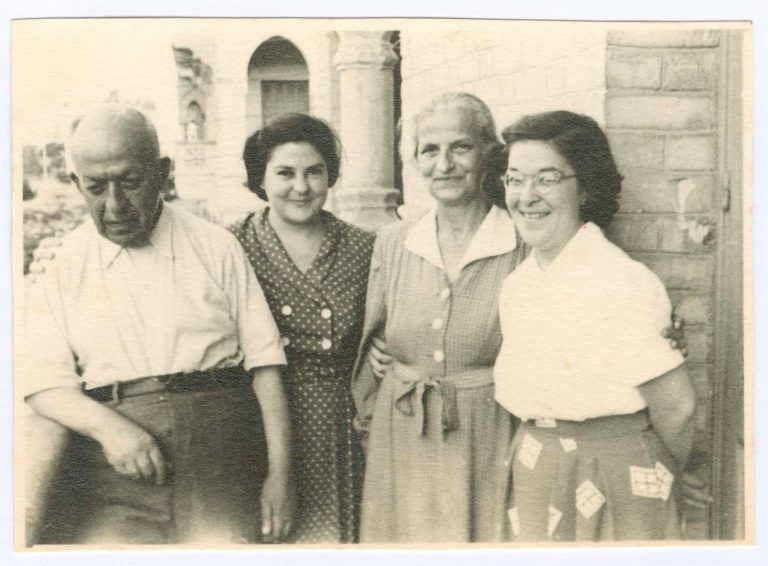
Occasion: On 30 April 1948, amid fighting in Jerusalem, al-Sakakini's family left their home in Katamon. He recorded a farewell to his library in his diaries. The following is prose, not a poem: al-Sakakini is remembered principally as an educator and writer.
«الوداع يا مكتبتي، يا دار الحكمة، يا رواق الفلسفة... يعزّ عليّ أن أُحرم منك».
He never returned to live in his home. Books from his library were taken along with other Palestinian collections after the Nakba. He settled in Cairo and died there in 1953. His diaries remain an important record of Palestinian life and personal displacement.
Source: Institute for Palestine Studies – Khalil al-Sakakini's Diaries .
Abd al-Rahim Mahmoud: The Poet and the Fighter
From Anabta to al-Najah
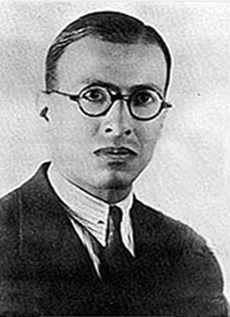
Abd al-Rahim Mahmoud was born in Anabta, near Tulkarm, in 1913. He studied at al-Najah School in Nablus, where Ibrahim Tuqan was among his teachers, and later worked as a teacher himself.
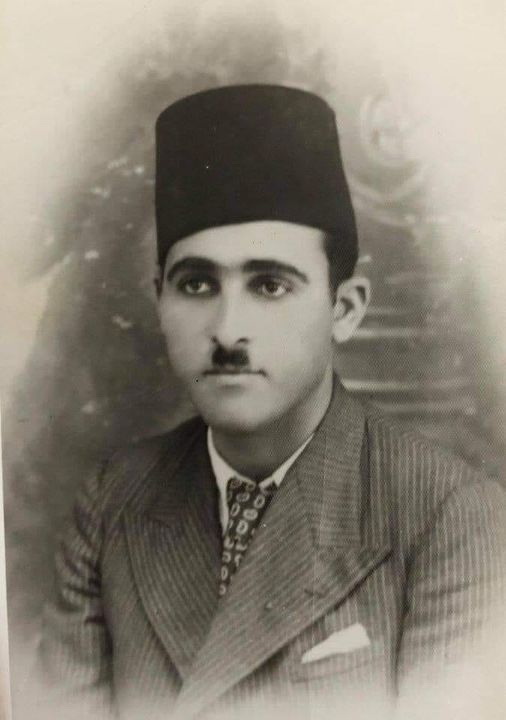
A Warning About al-Aqsa
Occasion: During Prince Saud bin Abdulaziz's visit to Palestine in 1935, Mahmoud recited a poem expressing concern for the future of al-Aqsa Mosque and Palestine. One of its best-known lines asks:
المسجدُ الأقصى أجئتَ تزورُهُ
أم جئتَ من قبلِ الضياعِ تودّعُهْ؟
“Al-Shahid”: A Declaration of Sacrifice
In “Al-Shahid”, Mahmoud expressed his willingness to face death for his homeland. The poem became one of the most widely remembered works of Palestinian national poetry.
سأحملُ روحي على راحتي
وألقي بها في مهاوي الردى
فإمّا حياةٌ تسرُّ الصديقَ
وإمّا مماتٌ يغيظُ العدى
Elsewhere in the same poem, he writes:
لعمرُكَ إني أرى مصرعي
ولكن أغذّ إليه الخطى
Death in the Battle of al-Shajara
Mahmoud participated in the Palestinian revolt, received military training in Iraq and later returned to Palestine. After the partition resolution of 1947, he joined the Arab Liberation Army.
On 13 July 1948, he was killed during fighting near al-Shajara in the Galilee and was buried in Nazareth. Palestinians remember him as “the martyr poet”.
Source: Diwan al-Arab – Abd al-Rahim Mahmoud .
Abu Salma and Fadwa Tuqan
Abu Salma: From Palestine to Exile
Abd al-Karim al-Karmi, known as Abu Salma, was a Palestinian poet and lawyer from Tulkarm. He lived and worked in Haifa before his displacement in 1948. Exile and attachment to Palestine became central themes in his later poetry.
In “San'ud”, included in his post-Nakba collection “Al-Musharrad”, he addresses his homeland:
فلسطينُ الحبيبةُ كيف أنسى؟
This example belongs to his writing after the Nakba, illustrating how a literary career begun before 1948 continued through displacement. Source: Wattan News – Abu Salma and the Poetry of the Nakba .
Fadwa Tuqan: Sister, Student and Poet
Fadwa Tuqan began writing with encouragement from her brother Ibrahim. After his death in 1941, she wrote about him in poetry and prose. Her book “Akhi Ibrahim” was published in 1946.
In “Hulm al-Dhikra”, she recalls her brother with an intimate address:
أخي، يا أحبَّ نداءٍ
Sources: Al-Jazirah – Fadwa Tuqan and Birzeit University – “Akhi Ibrahim” .
The Nakba and Palestinian Literature
The Nakba displaced writers, teachers and journalists alongside the communities they belonged to. Newspapers, presses and libraries were disrupted or lost, while Palestinian books were taken from homes and institutions.
Yet the literature created before 1948 continued to circulate. “Mawtini” remained familiar in schools and refugee communities; Mahmoud's verses were remembered and recited; and al-Sakakini's diaries preserved accounts of life before displacement. Writers such as Abu Salma and Fadwa Tuqan continued their work, carrying Palestinian memory into the decades that followed.
More from the archive
 Download Our Palestine App
The whole archive in the palm of your hand: depopulated villages, the Nakba, the massacres and Al-Aqsa — free, with no ads to erase the story.



Comments
No comments yet — be the first to write one.
Add your comment
Name and email are optional. Comments appear after review.