Hammam al-Basha
Hammam al-Basha in Acre: Al-Jazzar's Ottoman Bathhouse in the Heart of the Old City
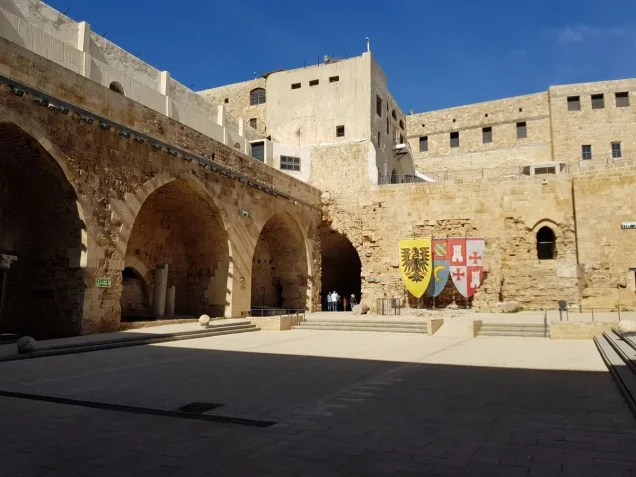
Hammam al-Basha (the Pasha's Bathhouse) is a large Ottoman Turkish bath in the Old City of Acre (Akka), built by the governor of Acre Ahmad Pasha al-Jazzar in the late 18th century, just west of the al-Jazzar Mosque. For about a century and a half it was a place of ritual purification, bathing, social gathering and celebration, frequented by the people of Acre and the merchants lodging in its khans. It stayed in operation until the 1940s and fell silent with the Nakba. Today it is shown to visitors as a paid-entry tourist museum, in a city most of whose people were expelled in 1948. This guide covers the bathhouse's history, its architecture and its place in the life of Acre.
Quick facts
| Arabic name | حمام الباشا |
|---|---|
| Other names | The Turkish Bath |
| Location | Old City of Acre, west of the al-Jazzar Mosque |
| Builder | Ahmad Pasha al-Jazzar, Ottoman governor of Acre |
| Built | Between 1780 and 1795 CE, according to different sources |
| Style | Ottoman Turkish bath |
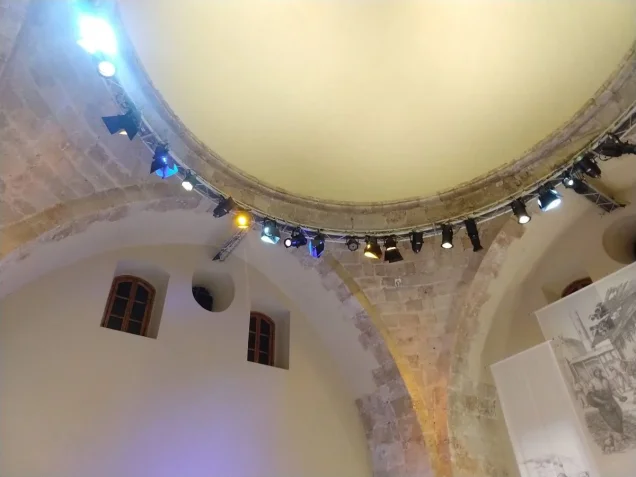
| Lighting | Round glass skylights in the ceiling |
| In use | Until 1940 or 1948, according to different sources |
| World Heritage | Old City of Acre on the UNESCO list since 2001 |
| Today | A paid-entry tourist museum |
The name
The people of Acre knew it as Hammam al-Basha after its builder, Ahmad Pasha al-Jazzar, while a sign over its door read "the Turkish Bath", a reference to its Ottoman style.
Location
The bathhouse stands in the Old City of Acre, just west of the al-Jazzar Mosque, at the heart of the city's Ottoman fabric between the White Market, Khan al-Umdan and the citadel, within Acre's famous walls.
The builder: Ahmad Pasha al-Jazzar
Ahmad Pasha al-Jazzar was born in Bosnia in 1734, rose in the service of the Mamluks in Egypt, and later governed Sidon and Acre, making Acre the centre of his province and fortifying it. He built two walls around the city and a great khan known today as Khan al-Umdan. He brought water into the city and built towers, a market, a military barracks and the al-Jazzar Mosque, as well as the bathhouse. Under his rule Acre withstood Napoleon's siege in 1799. Al-Jazzar died on 7 May 1804.
Architecture and the stages of bathing
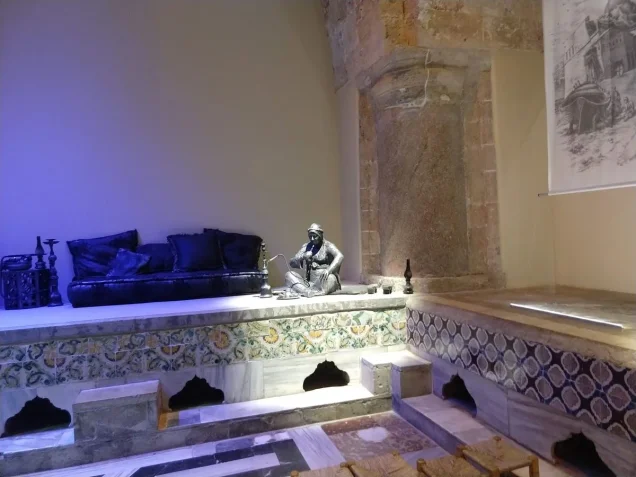
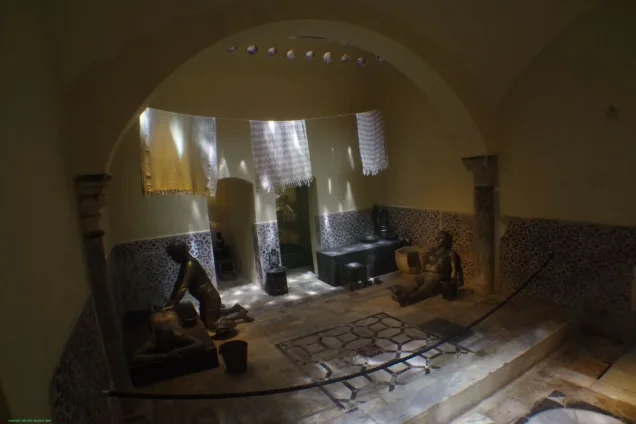
Hammam al-Basha is a large Turkish-style bath, lit by sunlight entering through round glass skylights in its ceiling. Bathers passed through a sequence of stages: the reception hall, then the changing room, then the treatment rooms, and finally the steam room with its heated central platform. Much of the skylight glass had broken over time, and during restoration it was replaced with hand-blown glass from the glass workshops of Hebron, linking two long-established Palestinian crafts.
The hammam in the life of Acre
Hammam al-Basha was not only a place to wash but one of the centres of the city's social life. Worshippers performed their ablutions there before prayer, people met and rested, celebrations and special occasions were held, and doctors and barbers practised their trades. It was frequented by Acre's notables and merchants, and by traders lodging in the khans near the port.
Falling silent with the Nakba
The bathhouse operated for about a century and a half, into the 1940s. Some sources say it worked "without interruption until 1948", while others give 1940. On 17 May 1948 Acre fell to Haganah forces. The city, which had 13,560 inhabitants in 1946, saw most of its people expelled, and the life that had revolved around the hammam came to an end. The Arabs who remained in the Old City were barred from restoring their homes and neighbourhood, and by 2010 they made up only 35% of the city's population.
The hammam today (2026)
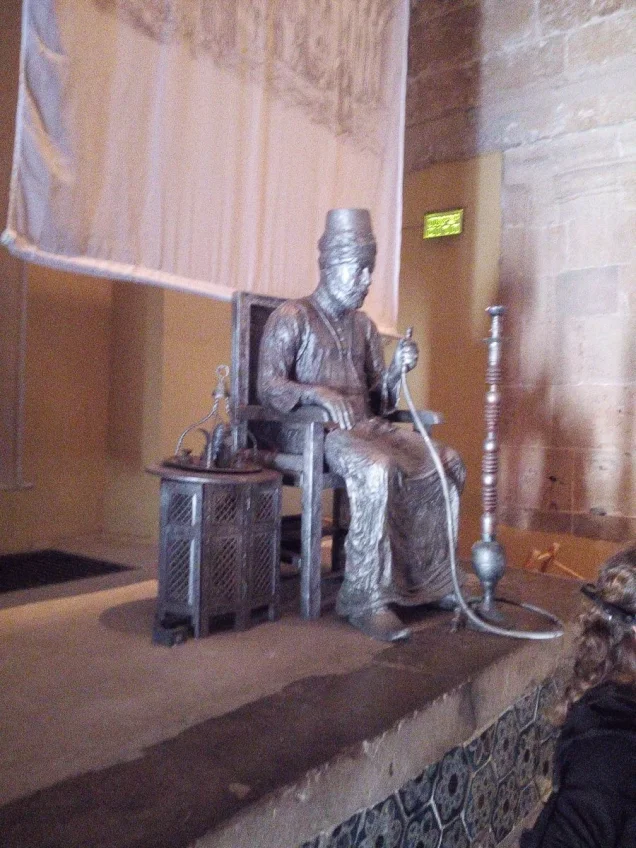
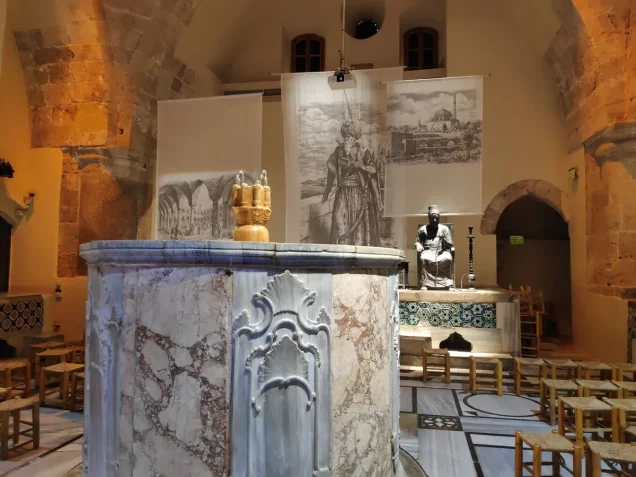
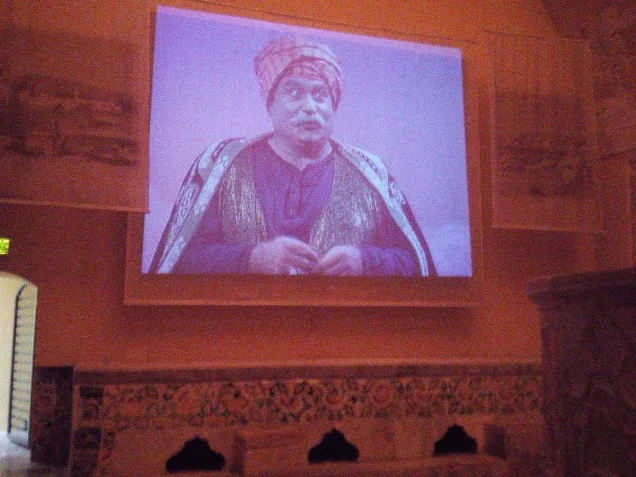
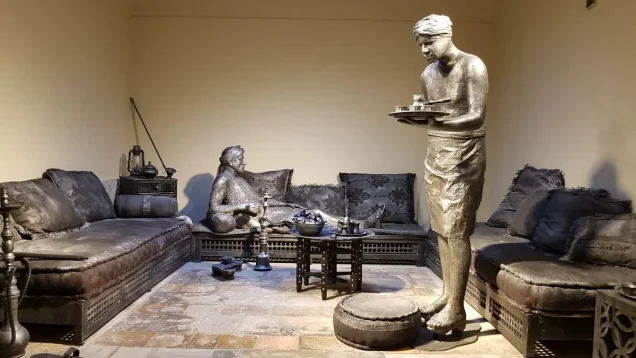
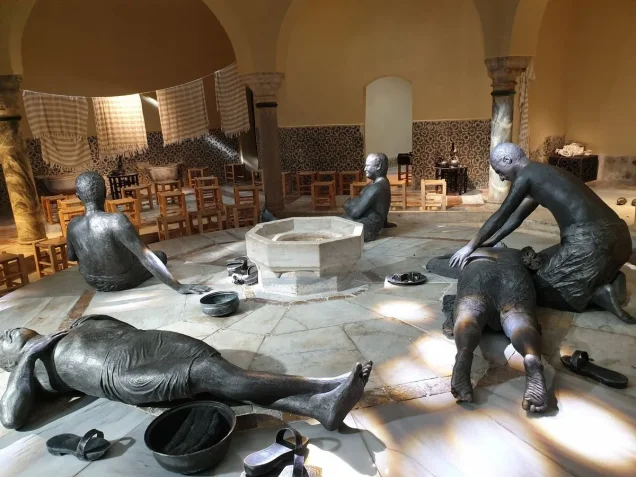
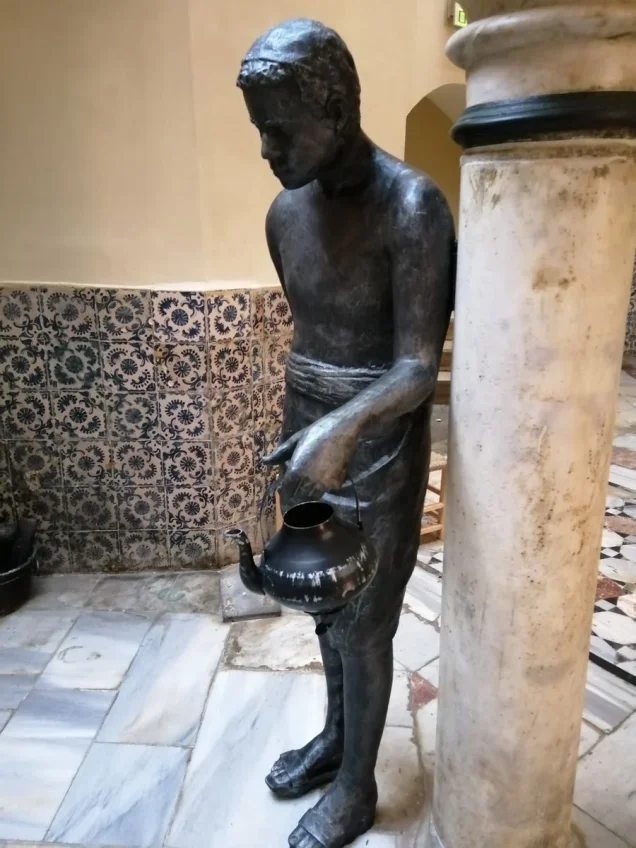
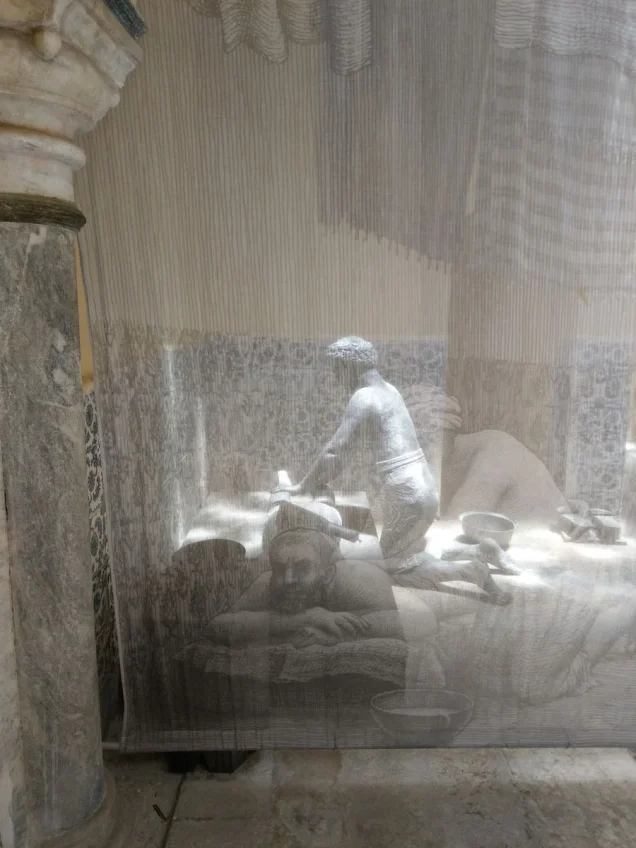
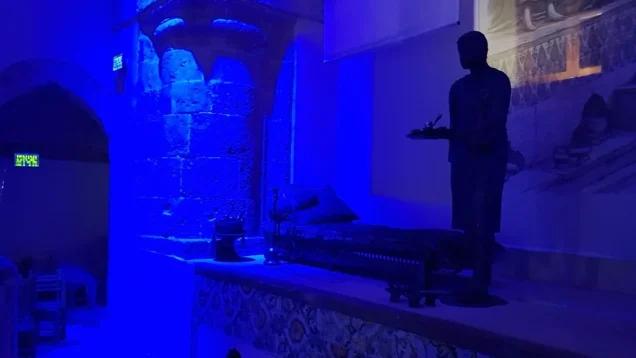
The bathhouse has been restored and turned into a tourist museum, showing visitors life-size figures depicting the stages of bathing, audio-visual displays and audio guides in eight languages, for an entrance fee where entry was once free. Palestinian visitors describe a radical change in the place, from a bathhouse used by the people of Acre into a tourist attraction displayed in a city most of whose people no longer live there. Together with the al-Jazzar Mosque, Khan al-Umdan and the walls, Hammam al-Basha remains part of the Old City of Acre, a UNESCO World Heritage Site since 2001, and a witness to its Arab and Islamic history.
Frequently asked questions
Who built Hammam al-Basha in Acre?
The Ottoman governor of Acre, Ahmad Pasha al-Jazzar, built it in the late 18th century, between 1780 and 1795 CE according to different sources.
Where is Hammam al-Basha?
In the Old City of Acre, just west of the al-Jazzar Mosque.
When did Hammam al-Basha stop operating?
In the 1940s; some sources say it worked until 1948, others until 1940.
What were the stages of bathing in Hammam al-Basha?
The reception hall, then the changing room, then the treatment rooms, then the steam room with its heated platform.
Can Hammam al-Basha be visited today?
Yes. It has been turned into a paid-entry tourist museum with figures and audio-visual displays about the stages of bathing.
Conclusion
Beneath the domes and glass skylights of Hammam al-Basha, the people of Acre lived some hundred and fifty years of purification, gathering and celebration. Today the bathhouse is silent but for the sound of tourist displays, a witness to an Arab city built by al-Jazzar that withstood Napoleon, and to its people, who still wait to return.
Photo gallery



More from the archive
 Download Our Palestine App
The whole archive in the palm of your hand: depopulated villages, the Nakba, the massacres and Al-Aqsa — free, with no ads to erase the story.
Comments
No comments yet — be the first to write one.
Add your comment
Name and email are optional. Comments appear after review.