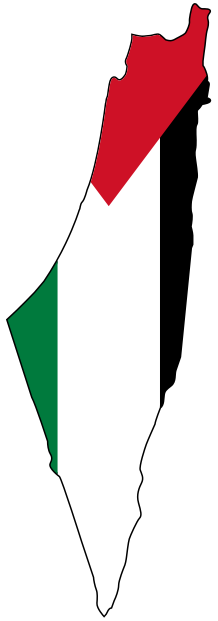
Did You Know? The Keffiyeh and Iqal Replace the Tarboosh, 1938

Did you know that in August 1938 the leadership of the Great Palestinian Revolt issued a statement banning the tarboosh in the cities and requiring males to wear the keffiyeh and iqal, so that the British could not tell the fighters from the general public? The British Mandate authorities responded by pursuing and arresting keffiyeh wearers and trying to ban it.
From the tarboosh to the keffiyeh
Before the revolt the keffiyeh was the dress of villagers, while the Ottoman tarboosh was associated with townspeople. When the Great Revolt (1936–1939) broke out, the rebels wore the keffiyeh and iqal, which made it easy for Mandate forces to tell them apart from other civilians.
The revolt leadership’s order
In August 1938 the revolt leadership issued a statement banning the tarboosh in the cities and requiring Palestinian males to wear the keffiyeh. Townspeople and villagers alike wore it in solidarity with the fighters, and it gradually replaced the tarboosh. According to the circulating text, the newspaper al-Sirat al-Mustaqim carried the news on 28 August 1938.
The Mandate authorities’ response
According to BBC Arabic, the British Mandate authorities pursued and arrested keffiyeh wearers and tried to ban it; the source gives neither a date nor the text of any order.
Between the accounts
Some say the order dates from 1936 and that Britain followed a “divide and rule” policy between tarboosh and keffiyeh wearers. The sources we reviewed date the revolt leadership’s statement to August 1938, and we found no Arabic source documenting an official British ban or that policy. We therefore give them as a “circulating interpretation”, not as documented fact.
Sources
Photo gallery

More from the archive
 Article
The Ma'alot–Tarshiha Operation 1974 | DFLP Fedayeen on the Nakba Anniversary on Tarshiha's Depopulated Land
 Article
Operation Dispelled Illusion 2006: The Kerem Shalom Tunnel and Shalit's Capture to the Wafa al-Ahrar Exchange
 Article
The Zuqaq al-Mawt Operation 2002: The al-Quds Brigades' Ambush in Wadi al-Nasara, Hebron
 Download Our Palestine App
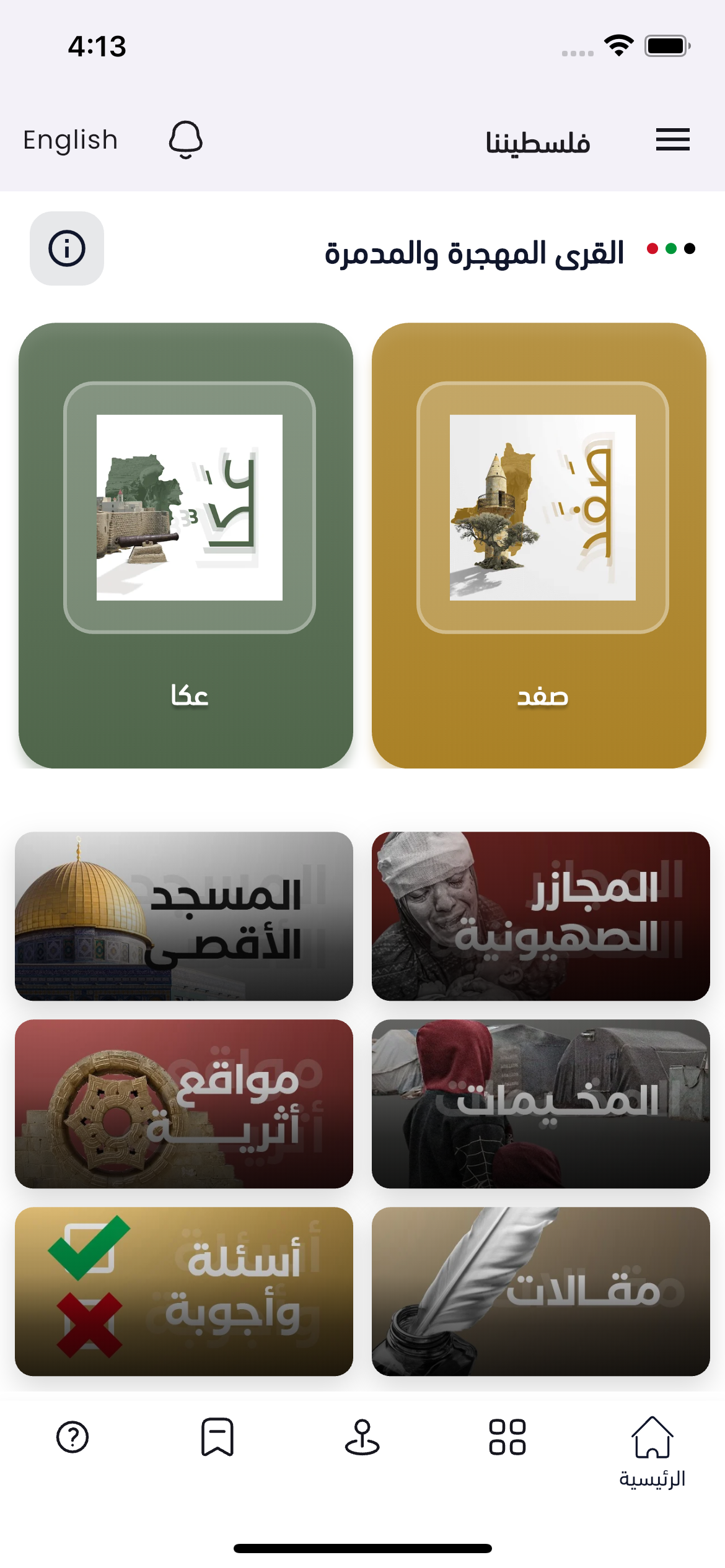
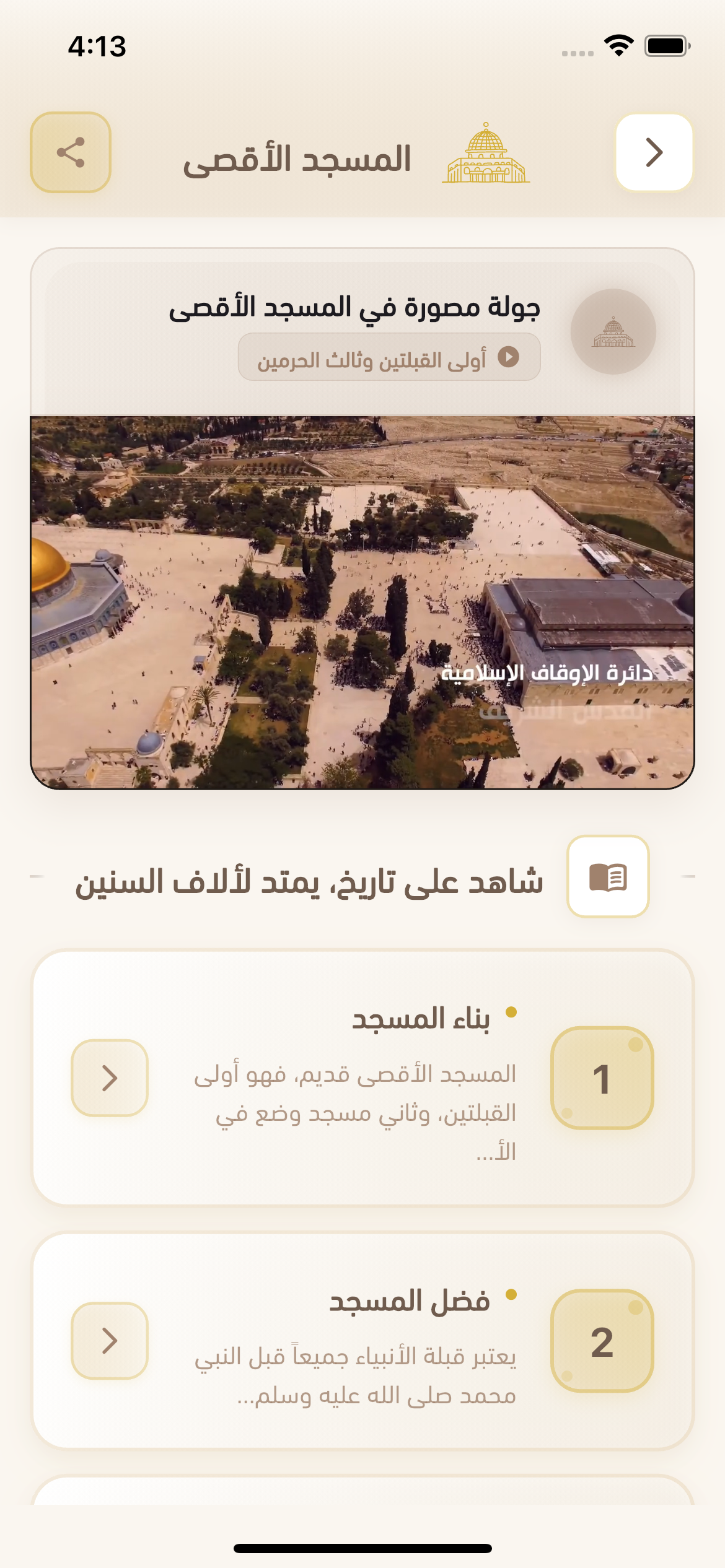
The whole archive in the palm of your hand: depopulated villages, the Nakba, the massacres and Al-Aqsa — free, with no ads to erase the story.
Comments
No comments yet — be the first to write one.
Add your comment
Name and email are optional. Comments appear after review.