
Dalal al-Mughrabi, "Bride of Jaffa": The 1978 Coastal Road Operation

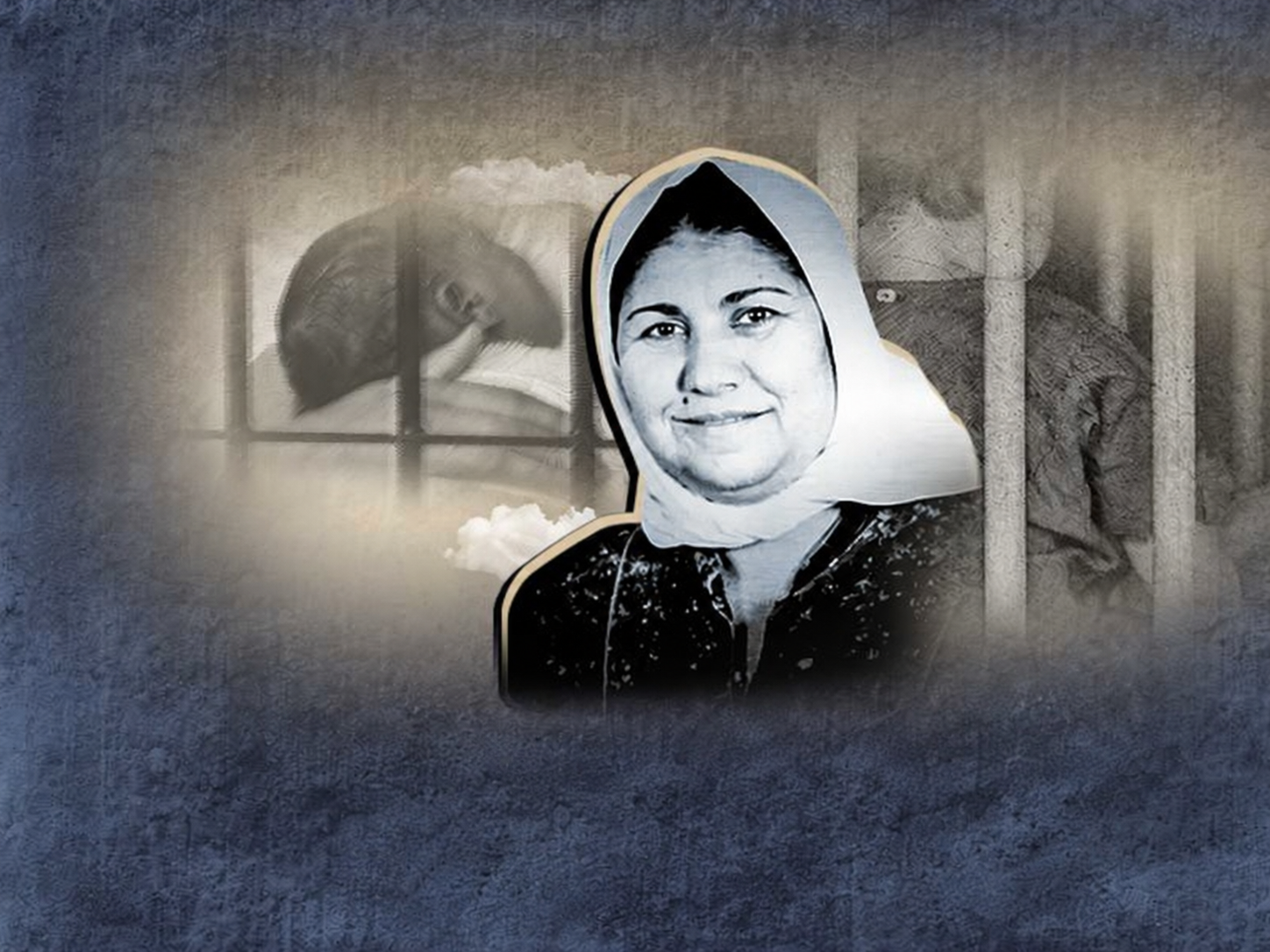
Dalal al-Mughrabi (1959–1978), the “Bride of Jaffa,” was a Palestinian Fatah fighter from a Jaffa family that took refuge in Lebanon after the Nakba. On 11 March 1978, thirty years after the Deir Yassin massacre, she led the “Deir Yassin unit” in the Martyr Kamal Adwan operation planned by Khalil al-Wazir (Abu Jihad): she and her comrades landed from the sea on the Palestinian coast, seized two buses and drove towards Tel Aviv, raising the Palestinian flag in the heart of the occupied land, until she was killed in a firefight near Herzliya. [1] [2]
The poet Nizar Qabbani said she had “established the Palestinian republic” [1] [3].
Who was Dalal al-Mughrabi?
Dalal al-Mughrabi is one of the best-known symbols of Palestinian resistance, who led a fedayeen group in one of the most famous operations inside the occupied land. Her nom de guerre was “Jihad,” and she was twenty when she led the operation [2] [4] [3].
Dalal al-Mughrabi at a glance
| Item | Details |
|---|---|
| Name | Dalal Said al-Mughrabi, nom de guerre “Jihad,” known as the “Bride of Jaffa” [2] [1] [3] |
| Born | Sabra camp, Beirut; 29 December 1959 per the Interactive Encyclopedia, 1958 per Al Jazeera [2] [1] |
| Family | Father Said al-Mughrabi from Jaffa; Lebanese mother Amna Ismail [2] [4] |
| Organisation | Fatah, from 1972 [2] [1] |
| Operation | The Martyr Kamal Adwan operation (Coastal Road operation), 11 March 1978, leading the “Deir Yassin unit” [2] [1] |
| Planner | Khalil al-Wazir (Abu Jihad) [2] [1] |
| Killed | 11 March 1978, near Herzliya [1] [2] |
| Body | Held by the occupation; its whereabouts remain unknown [2] |
Timeline
| Date | Event |
|---|---|
| 1959 | Born in Sabra camp, Beirut (1958 per Al Jazeera) [2] [1] |
| 1972 | Joins Fatah [2] |
| 1973 | Graduates as a nurse from a Palestine Red Crescent course; takes part in defending the revolution in Beirut [2] [1] |
| 1975–1977 | Fights with the Jarmaq (Student) Battalion [2] |
| 9 March 1978 | The ship sails from the Lebanese coast [2] |
| 10 March 1978 | One of the two rubber boats capsizes; two fedayeen drown [2] [3] |
| 11 March 1978 | Landing near Ma’agan Michael south of Haifa; two buses seized; battle near Herzliya [2] [1] |
| 1985 | Captured fighters Hussein Fayyad and Khaled Abu Isba’ freed in a prisoner exchange [2] |
| 2008 | DNA tests show her body is not among the remains handed over by the occupation [2] |
| 2016 | Netanyahu complains to the UN over commemorations of her [1] |
Birth and upbringing
Dalal al-Mughrabi was born in Sabra camp in Beirut to a Palestinian father from Jaffa, Said al-Mughrabi, and a Lebanese mother, Amna Ismail [2] [4]. The Interactive Encyclopedia of the Palestine Question dates her birth to 29 December 1959, while Al Jazeera gives 1958 [2] [1]. Her family had fled to Lebanon after the 1948 Nakba, and she attended primary and preparatory school at two UNRWA schools in Beirut [1].
Becoming a fedayee
Dalal joined the fedayeen movement while still at school, joining Fatah in 1972 [2] [1]. In 1973 she and her sister Rashida graduated as nurses from a Palestine Red Crescent course – her father too had volunteered with it – and that year she took part in defending the Palestinian revolution in Beirut [2] [1]. She trained on various weapons and in guerrilla warfare, and from 1975 to 1977 fought with the Jarmaq (Student) Battalion [1] [2].
Why the “Kamal Adwan operation”?
The operation was named after the commander Kamal Adwan, whom an Israeli unit assassinated in Beirut in April 1973 together with Muhammad Yousef al-Najjar (Abu Yousef) and the poet Kamal Nasser, in what became known as the Verdun operation [2]. One of the hit squads was led by Ehud Barak, who five years later would lead one of the units that intercepted Dalal and her comrades [1] [2].
The operation: from the sea to the coastal road
At twenty, Dalal was chosen to lead the “Deir Yassin unit,” made up of 13 fedayeen from Palestine, Lebanon and Yemen according to the Interactive Encyclopedia (Al Jazeera says 12) [2] [1]. The operation was planned by Khalil al-Wazir (Abu Jihad), deputy commander of the revolution’s forces and head of the “Western Sector” [2] [4]. Its aim was to pressure the occupation into releasing Palestinian prisoners: Al Jazeera says the plan was to seize a bus and head to Tel Aviv to attack the Knesset, while the Interactive Encyclopedia says it was to seize a Tel Aviv hotel and take hostages [1] [2].
On 9 March 1978 the ship sailed from the Lebanese coast; the fedayeen then transferred to two rubber boats, were lost for two days in bad weather, and one boat capsized, drowning two fighters [2]. The rest came ashore on the morning of Saturday 11 March 1978 near Ma’agan Michael, some 25 kilometres south of Haifa [2].

The fedayeen climbed to the coastal road, seized a taxi and then two buses, gathered the passengers into one bus and drove towards Tel Aviv, breaking through several roadblocks [2] [1]. According to Al Jazeera, Dalal told the passengers: “We do not want to kill you; we are only holding you as hostages to free our brothers detained in the prisons of your so-called state,” then took a Palestinian flag from her bag, hung it inside the bus and sang “Biladi, Biladi” [1].
Death near Herzliya
The occupation government tasked a special unit led by Ehud Barak with stopping the bus; tanks and helicopters pursued it until it was halted and disabled near Herzliya [1] [2]. In a battle lasting hours the bus exploded and burned with those inside; Dalal and most of her comrades were killed and two were captured [2] [1].

Ehud Barak, commander of one of the Israeli units that intercepted the group, beside the body of Dalal al-Mughrabi [2]
The toll
The next day Israeli Prime Minister Menachem Begin acknowledged 37 Israelis killed and more than 80 wounded, without disclosing the number of soldiers killed [1]. The Interactive Encyclopedia estimates about 30 killed and 80 wounded, noting that accounts differ [2]. Of the fedayeen, nine were killed in the battle, besides the two who drowned, and Hussein Fayyad and Khaled Muhammad Ibrahim Abu Isba’ were captured [2].
Days after the operation, the occupation invaded south Lebanon in what it called “Operation Litani.”
The fighters of the Deir Yassin unit
| Name | Origin and role | Fate |
|---|---|---|
| Dalal Said al-Mughrabi (Jihad) | Beirut, 20, political commissar and leader | Killed by a bullet above her left eye |
| Mahmoud Ali Abu Munif (Abu Hazza’) | Nablus, 1960, group commander | Killed by a wound to the forehead |
| Hussein Fayyad (Abu Juraiha) | Khan Younis, 1960, took field command after Abu Hazza’ fell ill | Captured, sentenced to life, freed in the 1985 exchange |
| Abu al-Ramz | 18 | Feigned surrender, then fought the soldiers; killed |
| Khaled Muhammad Ibrahim (Abu Salah) | Born in Kuwait, 18 | Wounded in the hand and captured; sentenced to life, freed in the 1985 exchange |
| Hussein Murad (Osama) | Mansoura, Lebanon, 1961, the youngest (15) | Killed by a bullet to the head |
| Muhammad Hussein al-Shamri (Abu Hassan) | Yemen, 1958 | Killed |
| Khaled Abdel Fattah Yousef (Abdel Salam) | Tulkarm, 1957 | Drowned when the boat capsized |
| Abdel Raouf Abdel Salam Ali (Abu Ahmad) | Sanaa, Yemen, 1956 | Drowned when the boat capsized |
| Muhammad Mahmoud Abdel Rahim Masameh (Fakher al-Nahhal) | From Tulkarm, born in Kuwait, 1959, sniper | Killed by a bullet to the eye |
| Amer Ahmad Amiriyya (Tariq ibn Ziyad) | Al-Minyeh, Tripoli, Lebanon, 1953 | Killed |
| Muhammad Raji al-Sharaan (Wael) | Sidon, 1957, 17 | Killed by a bullet to the abdomen |
| Yahya Muhammad Skaf (Abu Jalal) | Al-Minyeh, Tripoli, Lebanon, 1959 | Wounded; the occupation never acknowledged holding him and his fate remains unknown |
Source: [3], with the Interactive Encyclopedia on the fate of the two prisoners [2].
Dalal’s will
Before the operation Dalal left a handwritten will which, according to Al Jazeera, read: “My will to you all, brothers who bear arms, begins with freezing secondary contradictions and escalating the main contradiction against the Zionist enemy, and directing the rifles, all the rifles, at the Zionist enemy; the independence of Palestinian decision is protected by the continuing rifles of the revolutionaries of all factions. I say to all my brothers wherever they are: continue on the same path we have taken” [1] [3].
A body never returned
The occupation refused to hand over Dalal al-Mughrabi’s body and buried her in the “cemeteries of numbers” where it holds martyrs’ remains [2]. After Oslo, President Yasser Arafat promised her sister Rashida he would seek its return, but the occupation refused [2]. In July 2008 Hezbollah demanded her body in its prisoner exchange, but DNA tests on the remains of five of the unit’s fighters handed over by the occupation showed hers was not among them; its whereabouts remain unknown [2].
Dalal still troubles the occupation after her death: in March 2016 Prime Minister Benjamin Netanyahu instructed his UN ambassador to file a complaint against the Palestinian Authority for commemorating her [1].
Legacy
Dalal al-Mughrabi holds a special place in Palestinian resistance. In March 1978 Nizar Qabbani said: “Dalal established the Palestinian republic and raised the Palestinian flag. What matters is not how long this republic lasted, but that the Palestinian flag was raised deep in the occupied land, on a road 95 kilometres long on Palestine’s main highway” [1] [3].
Video
“I Was There | Dalal al-Mughrabi – The Coastal Operation 1978,” Al Araby TV (in Arabic) [5]
Short video on Dalal al-Mughrabi, Palestine 27k channel [6]
Video clip (1)
Video clip (2)
Frequently asked questions about Dalal al-Mughrabi
Who was Dalal al-Mughrabi?
A Palestinian Fatah fighter from a Jaffa refugee family in Lebanon who led the 1978 Coastal Road operation (the Kamal Adwan operation) and was killed in it.
When did Dalal al-Mughrabi’s operation take place?
On 11 March 1978.
Who planned the Coastal Road operation?
Khalil al-Wazir (Abu Jihad).
Why was it called the Kamal Adwan operation?
After the commander Kamal Adwan, assassinated by the occupation in Beirut in April 1973.
How many fighters were in the Deir Yassin unit?
Thirteen according to the Interactive Encyclopedia of the Palestine Question, twelve according to Al Jazeera, from Palestine, Lebanon and Yemen.
Where is Dalal al-Mughrabi’s body?
The occupation held it, and 2008 tests showed it was not among the remains it handed over; its whereabouts remain unknown.
What did Nizar Qabbani say about Dalal al-Mughrabi?
That she “established the Palestinian republic and raised the Palestinian flag” deep in the occupied land.
Sources and references
Arabic-language sources are listed with translated titles.
- “Dalal al-Mughrabi: The Fedayee Who ‘Established the Palestinian Republic’,” Al Jazeera Net, 1 June 2017.
- “Dalal al-Mughrabi,” Interactive Encyclopedia of the Palestine Question, Institute for Palestine Studies.
- “The Fedayee Dalal al-Mughrabi Established a Republic and Left a Will,” Falestinona (Fatah media, Lebanon), 11 March 2014.
- Bassam al-Halasa, “Her Name Is Dalal,” Diwan al-Arab, 27 July 2008.
- “I Was There | Dalal al-Mughrabi – The Coastal Operation 1978,” Al Araby TV, YouTube.
- Short video on Dalal al-Mughrabi, Palestine 27k channel, YouTube.
Video clips
Photo gallery


More from the archive
 Download Our Palestine App
The whole archive in the palm of your hand: depopulated villages, the Nakba, the massacres and Al-Aqsa — free, with no ads to erase the story.



Comments
No comments yet — be the first to write one.
Add your comment
Name and email are optional. Comments appear after review.