
The Balfour Declaration 1917: Full Text, Causes and the Road to the Nakba
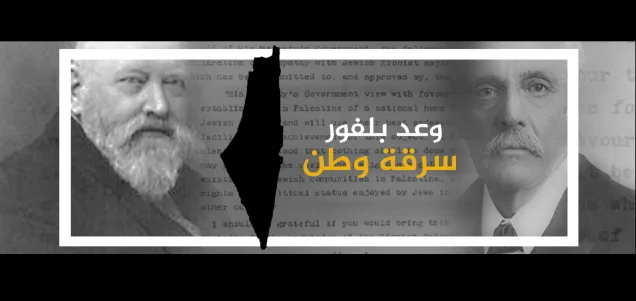
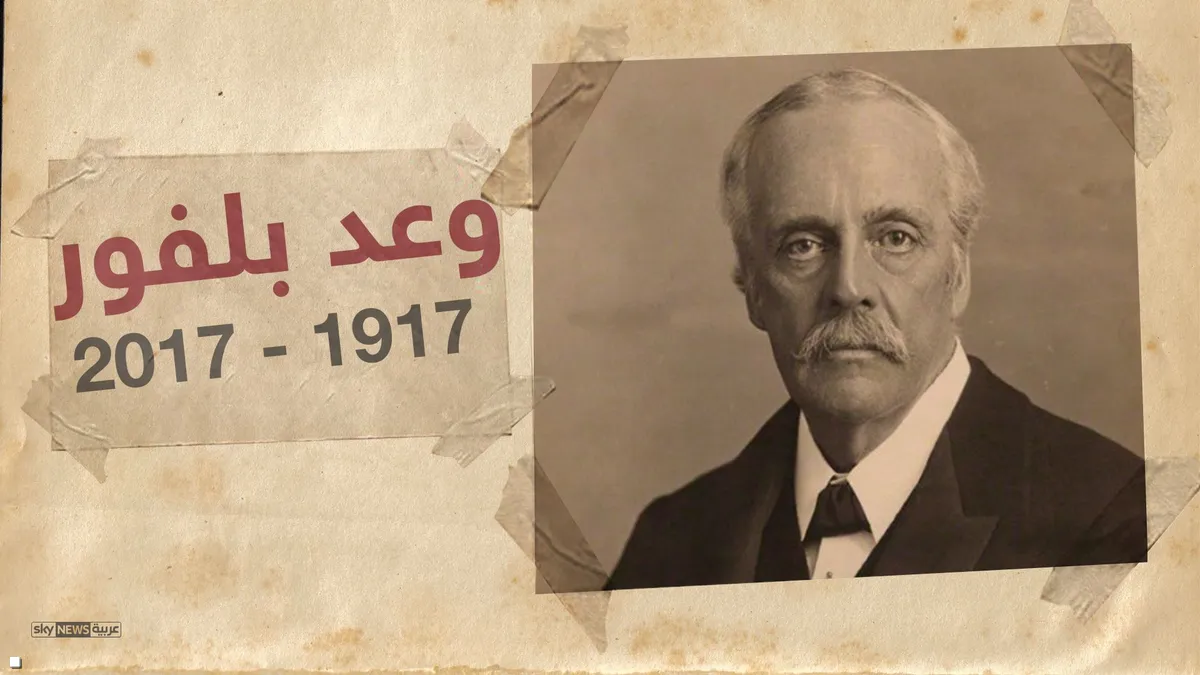
The Balfour Declaration was a letter sent by British Foreign Secretary Arthur James Balfour on 2 November 1917 to Lord Rothschild, announcing the British government's support for the establishment of "a national home for the Jewish people" in Palestine. It was issued during the First World War, when Palestine was part of the Ottoman Empire and Jews made up no more than about 8% of its population.
With this declaration, Britain gave away a land it did not own to people who had no claim to it. It was the first practical step towards establishing a Zionist entity on the land of Palestine, at the expense of a people rooted there for thousands of years. It set Palestine on the road to the Nakba.
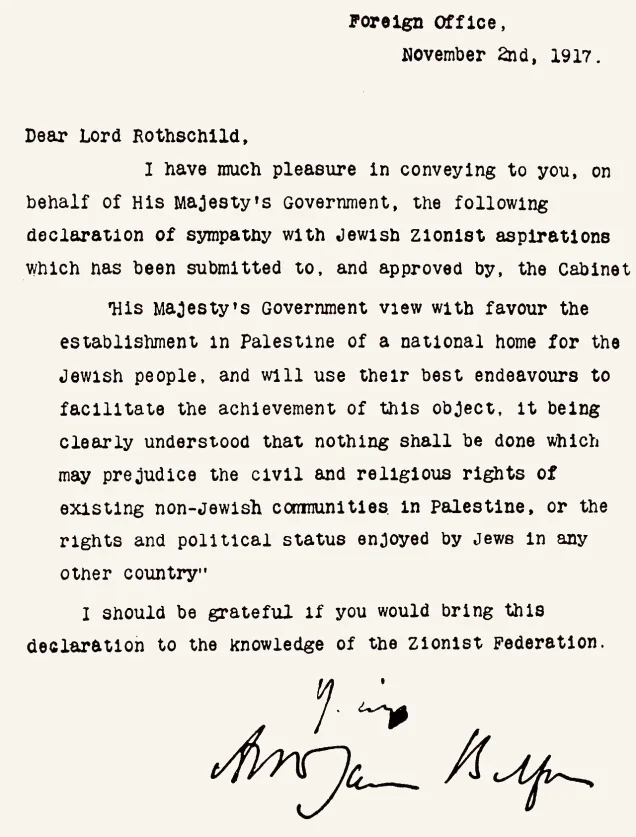
Full Text of the Balfour Declaration
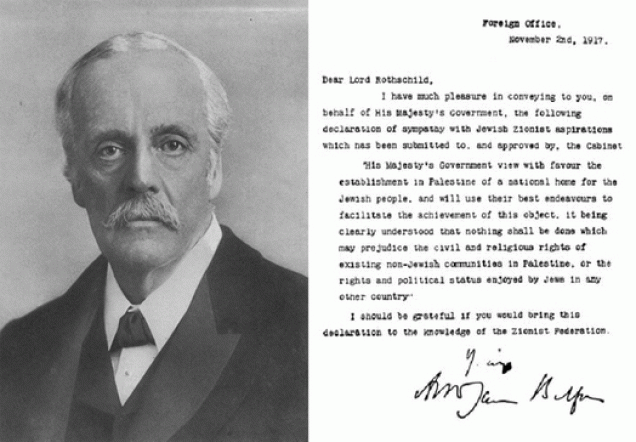
Foreign Office
November 2nd, 1917Dear Lord Rothschild,
I have much pleasure in conveying to you, on behalf of His Majesty's Government, the following declaration of sympathy with Jewish Zionist aspirations which has been submitted to, and approved by, the Cabinet:
"His Majesty's Government view with favour the establishment in Palestine of a national home for the Jewish people, and will use their best endeavours to facilitate the achievement of this object, it being clearly understood that nothing shall be done which may prejudice the civil and religious rights of existing non-Jewish communities in Palestine, or the rights and political status enjoyed by Jews in any other country."
I should be grateful if you would bring this declaration to the knowledge of the Zionist Federation.
Yours sincerely,
Arthur James Balfour
Notably, the text never names the Arabs, although they made up more than 90% of Palestine's population. It calls them "existing non-Jewish communities" and protects only their "civil and religious rights", not their political or national rights.
How the Balfour Declaration Came About
The letter was not a sudden idea. It followed about three years of negotiations between the British government on one side, and Zionist leaders and influential Jewish businessmen in Britain on the other, most prominently Chaim Weizmann. The Zionists persuaded Britain that their project would serve British interests in the region.
Britain had clear goals:
- Protecting the Suez Canal and the route to India, with a friendly entity on Egypt's border.
- Winning the support of Jews in the United States and Russia for the British war effort in the First World War.
- Keeping France out of Palestine, which the Sykes-Picot Agreement had placed under international administration.
Before publication, the text was shown to US President Woodrow Wilson, who approved it, and France and Italy formally endorsed it in 1918. The declaration was issued by David Lloyd George's government as British forces advanced to occupy Palestine, entering Jerusalem in December 1917.
Contradictory British Promises
The Balfour Declaration contradicted other promises Britain made during the same war:
- The Hussein-McMahon Correspondence (1915-1916): Britain promised Sharif Hussein of Mecca support for Arab independence in return for an Arab revolt against the Ottomans.
- The Sykes-Picot Agreement (1916): Britain and France secretly agreed to divide the Arab East between them.
Britain thus promised the same land to three parties, and the Arabs were the biggest losers.
From Declaration to Mandate
When the declaration was issued, there were only about 50,000 Jews in Palestine, out of some 12 million Jews worldwide, according to the Palestinian news agency WAFA.
- 1918: Britain sent the "Zionist Commission", headed by Chaim Weizmann, to Palestine to study how to implement the declaration on the ground.
- April 1920: Allied representatives met at the San Remo Conference in Italy and placed Palestine under a British Mandate.
- July 1920: Britain appointed the Zionist politician Herbert Samuel as its first High Commissioner for Palestine.
- 1922: The League of Nations approved the Mandate for Palestine and wrote the text of the Balfour Declaration into it, turning the promise into an international obligation on Britain.
During the Mandate, Britain facilitated Jewish immigration from around the world and turned a blind eye to the arming and training of Zionist gangs such as the Haganah, the Irgun and the Stern Gang, even though some of them attacked the British themselves.
The period also saw successive Palestinian uprisings against the Mandate and the Zionist project, including the Buraq Uprising of 1929 and the Great Revolt of 1936.
From the Declaration to the Nakba
When the British Mandate ended and British forces withdrew from Palestine in May 1948, the occupation state was declared. Zionist gangs committed massacres against Palestinians, more than 750,000 Palestinians were forcibly expelled from their land, and hundreds of villages were destroyed. This was the Nakba of 1948. Thirty-one years after Balfour's letter, the "national home" was built on the ruins of an entire people.
The Balfour Declaration and International Law
The Balfour Declaration contradicts one of the most important principles of international law, the right of peoples to self-determination, which the Allies themselves championed during the First World War. Britain disposed of a land it did not own, and had not even fully occupied on the day of the declaration, and ignored the will of the majority of its people. It inflicted a historic injustice on the Palestinian people whose consequences we still live with today.
Britain Today
Britain still refuses to apologise for the Balfour Declaration. On the centenary of the declaration in 2017, the British government rejected calls for an apology, and Prime Minister Theresa May said Britain was "proud" of its role in the creation of the State of Israel.
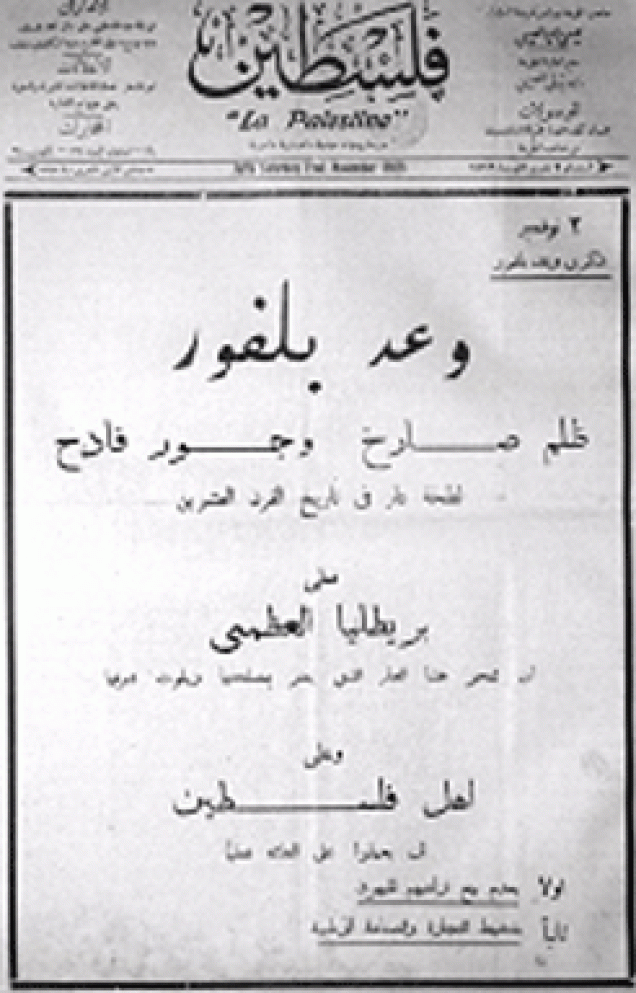
Every year on 2 November, Palestinians in the homeland and in exile mark the anniversary with marches and events, calling on Britain to apologise and take responsibility for its historic role.
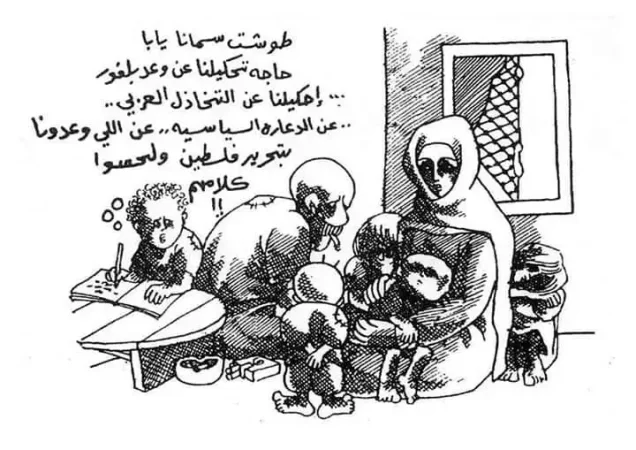
Successive Palestinian generations will never forgive those who committed this ongoing crime, which laid the foundation for the uprooting of the Palestinian people from their homeland and their suffering in refugee camps and exile. They will remain committed to their inalienable rights to freedom, independence and return.
Frequently Asked Questions About the Balfour Declaration
When was the Balfour Declaration issued?
On 2 November 1917, during the First World War.
Who was Balfour?
Arthur James Balfour, British Foreign Secretary in David Lloyd George's government. He had been Prime Minister from 1902 to 1905.
To whom was the Balfour Declaration addressed?
To Lord Lionel Walter Rothschild, a leader of the Jewish community in Britain, to pass on to the Zionist Federation.
Why did Britain issue the Balfour Declaration?
To protect its interests in the Suez Canal and the route to India, win Jewish support in America and Russia during the war, and keep France out of Palestine.
What share of Palestine's population was Jewish in 1917?
About 8%, roughly 50,000 Jews, against more than 90% Palestinian Arabs.
Has Britain apologised for the Balfour Declaration?
No. It formally refused to apologise on the centenary in 2017.
Read more:
Photo gallery
More from the archive


 Download Our Palestine App
The whole archive in the palm of your hand: depopulated villages, the Nakba, the massacres and Al-Aqsa — free, with no ads to erase the story.
Download Our Palestine App
The whole archive in the palm of your hand: depopulated villages, the Nakba, the massacres and Al-Aqsa — free, with no ads to erase the story.



Comments
No comments yet — be the first to write one.
Add your comment
Name and email are optional. Comments appear after review.