
Askar Refugee Camp
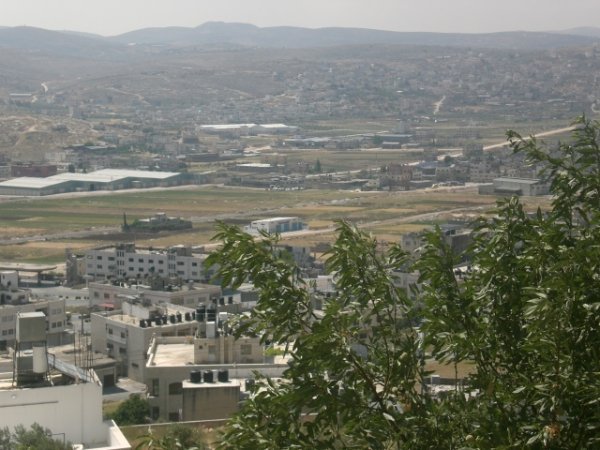
Askar Refugee Camp
Askar Refugee Camp in Nablus: History, Old and New Askar, Villages of Origin and the Current Situation
Askar Camp lies on the eastern edge of Nablus, on the road to the Jordan Valley. It was established in for about 3,000 refugees from some 36 villages in the Lydda, Jaffa and Haifa districts, among them Abu Kishk, Bayt Dajan, Yazur and al-Shaykh Muwannis. Severe overcrowding led to the growth of "New Askar" in 1965, an area UNRWA does not recognise as a camp. With about 18,500 registered refugees, Askar is among the most densely populated camps in the West Bank, and it faces frequent raids, including the killing of a 14-year-old boy in August 2026.
Quick Facts About Askar Camp
| Arabic name | مخيم عسكر |
|---|---|
| Country / Region | Palestine, northern West Bank |
| Governorate | Nablus, about 5 km north-east of the city centre |
| Year established | (New Askar from 1965) |
| Area | About 0.12 km² (UNRWA); New Askar adds about 90 dunums |
| Registered refugees | About 18,500 (UNRWA), including Old and New Askar |
| Origin of residents | About 36 villages in the Lydda, Jaffa and Haifa districts |
| Oslo classification | Old Askar: Area A; New Askar: Area B |
| Known for | One of the most densely populated camps in the West Bank |
The Nakba: Why Askar Camp Exists
Askar Camp was born from the Nakba (Arabic for "catastrophe"): the mass expulsion of Palestinians during the occupation of Palestine in . Roughly 750,000 Palestinians were driven from their homes. The villages of the coastal plain around Jaffa and Lydda were among the first to be emptied, many of them in the spring of 1948, and their people fled east into the hills towards Nablus.
The Right of Return
The right of return is the central demand of Askar's refugees. It rests on several foundations in international law:
- UN General Assembly Resolution 194 (), paragraph 11, resolved that refugees wishing to return to their homes and live at peace with their neighbours should be permitted to do so at the earliest practicable date, and that compensation should be paid to those choosing not to return and for loss of or damage to property.
- The Universal Declaration of Human Rights (Article 13) affirms everyone's right to leave any country, including their own, and to return to it.
- UN General Assembly Resolution 3236 () reaffirmed the "inalienable right" of Palestinians to return to their homes and property.
History of the Camp
Founding (1950)
UNRWA established Askar in 1950 on land leased from the Jordanian government, at a time when the West Bank was administratively part of Jordan. The camp began with about 3,000 refugees. Its population grew significantly during the 1950s.
Under occupation (1967–1995)
By 1967 the camp had about 4,300 residents. With the occupation of the West Bank in , Askar came under Israeli military rule, and its people took part in the First Intifada from 1987.
After Oslo and the Second Intifada
Under the Oslo Accords, Old Askar became part of Area A, under Palestinian control, while New Askar fell into Area B, under joint control. During the Second Intifada and the invasion of Nablus in spring 2002, Askar, like Balata, was a centre of resistance. Israeli raids for arrests and interrogations have continued ever since.
Old Askar and New Askar
By 1965, severe overcrowding pushed families onto about 90 additional dunums about one kilometre away. Residents call this area "New Askar" (عسكر الجديد), and the original camp "Old Askar".
New Askar is not officially recognised by UNRWA as a camp. Its residents at first used the facilities of Old Askar; as their numbers grew, UNRWA began providing some education and health services there, and opened a school in New Askar in 2008. Of the camp's registered refugees, about 11,000 live in Old Askar and about 6,000 in New Askar.
The Current Situation (2026)
Like the other camps of the northern West Bank, Askar faces frequent raids by Israeli forces:
- 2 March 2026: During a dawn raid on Old Askar, an 18-year-old was shot in the thigh with live fire, two people were beaten, including a journalist who was detained, and residents were held for hours of field interrogation.
- 23 August 2026: During a raid on Askar, Israeli forces fired live and rubber-coated bullets, stun grenades and tear gas, killing a 14-year-old boy.
- Early September 2026: A large force carried out a military operation in Old Askar, imposing a curfew, raiding homes, interrogating residents in the field and confiscating two vehicles.
- 10 and 14 October 2026: Forces raided New Askar and then both Askar and Ein (Camp No. 1) camps, searching homes and arresting residents.
These raids come as the camps of Jenin, Tulkarm and Nur Shams to the north have been emptied of their residents since January 2025.
Origin of the Name
The camp takes its name from the neighbouring village of Askar (Askar al-Balad), an ancient village that existed long before the Nakba. Askar is identified with the ancient site of Ein Sukkar, and is often associated with the town of "Sychar" mentioned in the New Testament. People sometimes confuse Askar village and Askar Camp, but they are entirely separate communities.
Location and Geography
Askar Camp lies within the boundaries of Nablus municipality, about 5 km north-east of the city centre, on the road leading to Wadi al-Badhan and the Jordan Valley. It is bordered by the Popular Housing neighbourhood to the north, the village of Azmut to the east, Mount Askar and Askar village to the west, and the Ministry of Agriculture and Sheikh Zayed College to the south. Nablus is also home to Balata camp and Camp No. 1 (al-Ein).
Area
UNRWA gives the camp's area as about 0.12 km² (119 dunums), while some Palestinian sources cite 209 dunums. New Askar added about 90 dunums. Because the land is leased and the camp lies under the authority of the host government, UNRWA has no power to expand its boundaries, though the camp committee has proposed a new extension.
Villages of Origin
Askar's refugees come from about 36 villages in the Lydda, Jaffa and Haifa districts, including:
- Jaffa district: Abu Kishk, Bayt Dajan, Yazur, Al-Khayriyya, Al-Jammasin al-Sharqi, Fajja, Al-Shaykh Muwannis, Salama and Summayl
- Ramla district: Sarafand al-Kharab and Sarafand al-Amar
- Tulkarm district: Kafr Saba, Kafr Bara and Umm Khalid
- Haifa district: the city of Haifa and Al-Tira
- Other areas: al-Bassa in the Acre district, al-Majdal and Beersheba
The camp also has close family ties with Balata camp, separated from New Askar by a single road.
Population and Demographics
Population of Askar Camp over time
- 1950About 3,000UNRWA
- 1967About 4,300Encyclopedia of Palestinian Camps
- 2007About 11,438Palestinian Central Bureau of Statistics
- 2012About 12,884Palestinian Central Bureau of Statistics
- 201711,304 in Old AskarPalestinian Central Bureau of Statistics
- LatestAbout 18,500 registered refugees (about 11,000 in Old Askar and 6,000 in New Askar)UNRWA
Note: Registered refugees are not the same as residents. UNRWA's figure covers both Old and New Askar, while the census counts only those living in the camp area.
Housing and Living Conditions
Overcrowding and unemployment are among the camp's most serious problems. Poor shelters and cramped homes leave residents with no privacy, adding to their physical and psychological strain. With no room to expand outward, the camp has grown into New Askar and upward. New Askar in particular lacks services, and residents report high unemployment and few activities for young people. Despite these challenges, Askar has an active civil society with numerous community organisations, including the Centre for Peace and Development in New Askar.
Health Situation
The camp has an UNRWA health centre serving refugees from inside and outside the camp, staffed by a doctor and nurses, including a midwife and a pharmacist. A clinic of the Palestinian Military Medical Services offers specialist care in orthopaedics, internal medicine and dentistry, as well as 24-hour emergency services, with fees waived for poor patients in coordination with the camp's popular committee. Several private general practitioners also work in the camp.
Education
UNRWA runs four schools in Old Askar: elementary and preparatory schools for boys and for girls, with about 3,500 pupils in total; the girls' school runs on double shifts. A new building for the Askar Boys' Basic School was built with more than a million dollars from Islamic Relief, and in 2014 the school won the Netherlands' first annual tolerance prize for its "Beacons of Change" project. In New Askar, UNRWA opened a school in 2008, while secondary students go to schools in Nablus.
Frequently Asked Questions About Askar Camp
Where is Askar refugee camp located?
It lies within the boundaries of Nablus municipality, about 5 km north-east of the city centre, on the road to the Jordan Valley.
What is the difference between Old Askar and New Askar?
Old Askar is the original camp established by UNRWA in 1950. New Askar grew from 1965 on about 90 additional dunums due to overcrowding, and UNRWA does not officially recognise it as a camp.
How many people live in Askar Camp?
UNRWA counts about 18,500 registered refugees, about 11,000 in Old Askar and 6,000 in New Askar.
Where do Askar's refugees come from?
From about 36 villages in the Lydda, Jaffa and Haifa districts, including Abu Kishk, Bayt Dajan, Yazur, al-Khayriyya and al-Shaykh Muwannis.
What happened in Askar Camp in 2026?
The camp faced repeated raids in 2026. On 23 August 2026, Israeli forces killed a 14-year-old boy during a raid, and in September they imposed a curfew during a military operation in Old Askar.
Conclusion
Askar Camp began with 3,000 refugees from the villages of the coastal plain and grew into two crowded communities, Old and New Askar, on the eastern edge of Nablus. Despite overcrowding, unemployment and repeated raids that took the life of a child in 2026, its people continue to hold onto the right to return to the villages around Jaffa and Lydda.
More from the archive


 Download Our Palestine App
The whole archive in the palm of your hand: depopulated villages, the Nakba, the massacres and Al-Aqsa — free, with no ads to erase the story.
Download Our Palestine App
The whole archive in the palm of your hand: depopulated villages, the Nakba, the massacres and Al-Aqsa — free, with no ads to erase the story.



Comments
No comments yet — be the first to write one.
Add your comment
Name and email are optional. Comments appear after review.