
Saad Sayel "Abu al-Walid": Marshal of Beirut, Killed in 1982
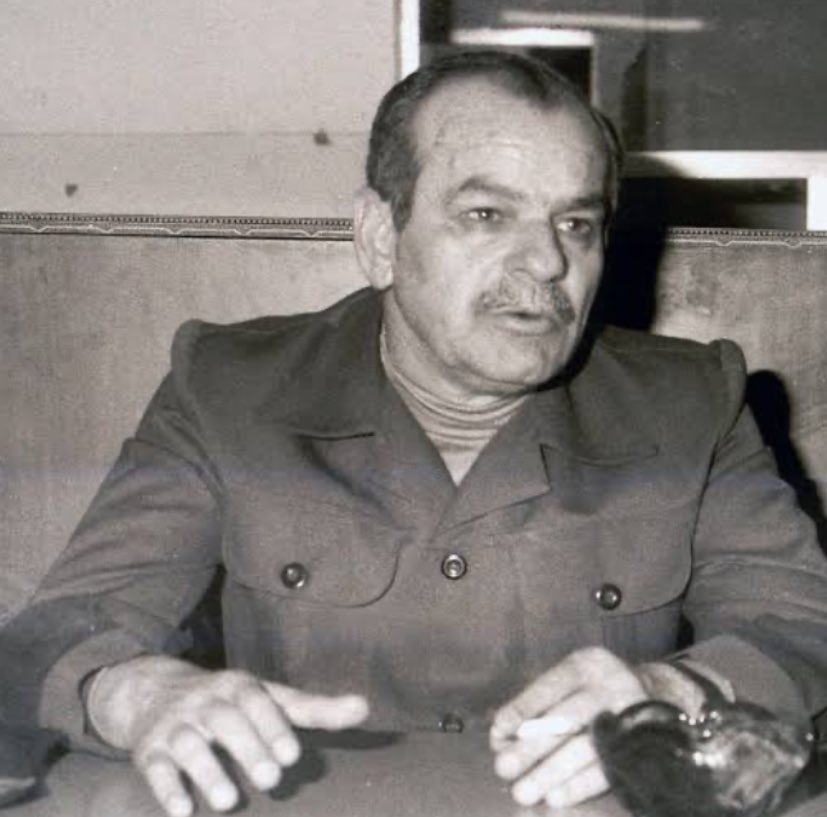
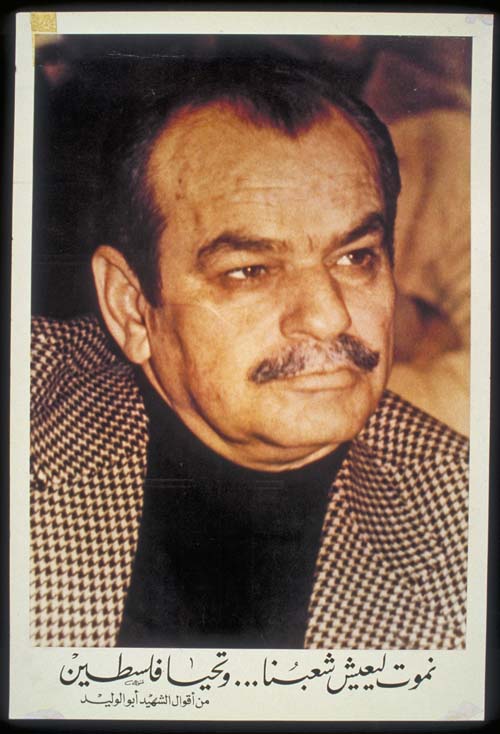
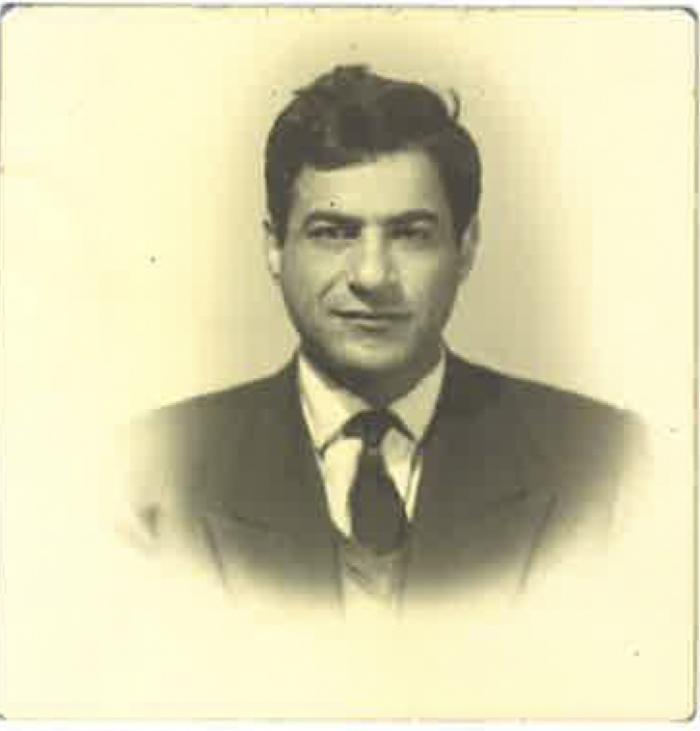
Saad Sayel, “Abu al-Walid” (1932–1982), was a Palestinian officer from Kafr Qalil near Nablus, a graduate of the world’s leading military academies, who sided with his brigade with the Palestinian revolution in 1970 and became the architect of its regular army and commander of Beirut’s defence during the 1982 siege, earning the title “Marshal of Beirut.” Weeks after the departure from Beirut, on the first day of Eid al-Adha, 27 September 1982, he was killed in an armed ambush on the Riyaq–Baalbek road in the Bekaa. [1] [2] [3]
This article is part of the series “Assassinated leaders of the Palestinian revolution,” alongside the articles on Abu Jihad, Abu Iyad and Mamoun Mreish.
Who was Saad Sayel?
Saad Sayel was a Palestinian military commander known as the most professionally trained of the revolution’s leaders, who brought the experience of regular armies to the revolution’s forces, introducing ranks and regular structures and reorganising and retraining the forces [1] [2]. He served as Director of Central Operations, a member of al-Asifa’s General Command and the leadership of the Occupied Homeland apparatus, a member of Fatah’s Central Committee and chief of staff of the PLO’s forces [1] [4] [3].
Saad Sayel at a glance
| Item | Details |
|---|---|
| Name | Saad Sayel, “Abu al-Walid,” nicknamed “Marshal of Beirut” [1] [2] |
| Born | 30 September 1932, Kafr Qalil, Nablus district [1] |
| Military training | Jordanian Military College (military engineering), Sandhurst, West Point, US Command and Staff College [1] |
| Rank | Major General (staff) in the Palestinian revolution’s forces [1] |
| Roles | Director of Central Operations, member of al-Asifa’s General Command, Fatah Central Committee member (1980), PLO forces chief of staff [1] [3] |
| Assassinated | 27 September 1982 (first day of Eid al-Adha), ambush on the Riyaq–Baalbek road in the Bekaa [1] [2] |
| Buried | Martyrs’ Cemetery, Yarmouk camp, Damascus [1] |
Timeline
| Year | Event |
|---|---|
| 1932 | Born in Kafr Qalil on 30 September [1] |
| 1950 | Finishes secondary school at al-Salahiyya, Nablus [1] |
| 1951 | Joins the Jordanian army and Military College [1] |
| 1954–1966 | Courses at Sandhurst, in Egypt and Iraq, West Point and the US Command and Staff College [1] |
| 1968 | Key role at Karameh as commander of the al-Hussein bin Ali brigade [1] |
| 1970 | Sides with the Palestinian revolution with his brigade’s officers and soldiers [1] |
| 1971 | Forms the Yarmouk Brigade in Lebanon [1] |
| 1980 | Elected to Fatah’s Central Committee [1] [4] |
| 1981 | Directs the July artillery battles [1] |
| 1982 | Leads the defence of Beirut and negotiates the exit, then returns to the Bekaa [1] |
| 1982 | Assassinated on 27 September [1] [3] |
The engineer-officer: from Kafr Qalil to Sandhurst
Saad Sayel was born on 30 September 1932 in Kafr Qalil, south of Nablus, attended primary school in Awarta and then al-Salahiyya school in Nablus, finishing secondary school in 1950 [1] [4]. In 1951 he joined the Jordanian army and Military College, specialising in military engineering [1].
He took a long series of military courses: at Britain’s Sandhurst in 1954 and 1959, air defence in Egypt in 1956, bridge design in Iraq in 1958, advanced engineering at West Point in 1960 and the US Command and Staff College in 1966, plus training in the Soviet Union and Pakistan [1]. He rose to staff colonel and commanded the al-Hussein bin Ali infantry brigade in the Karameh and Jordan Valley area [1].
Karameh and September: siding with the revolution
The 1967 defeat was a turning point for Saad Sayel, who built early ties with the revolution and Fatah [2] [1]. He was the link between Jordanian officers and the Palestinian revolution and played a pivotal role in the Battle of Karameh on 21 March 1968 [1] [4].
During the events of September 1970 in Jordan he sided with the revolution together with most of his brigade’s officers and soldiers, “declaring his allegiance to it against the plan to liquidate its existence” [1].
Lebanon: building the revolution’s army
After the revolution’s forces left Jordan in 1970–1971, Saad Sayel formed the “Yarmouk Brigade” from the Jordanian soldiers and officers who had joined the revolution, and the brigade helped defend the camps in Lebanon [1]. He reorganised and retrained the revolution’s forces, introduced regular ranks and structures, brought in new technology and weapons through his relations with various states, and coordinated training with the Jordanian, Syrian and Lebanese armies [1] [2].
He was elected to the Palestine National Council and in 1980 to Fatah’s Central Committee, rising to brigadier and then major general (staff) [1]. He directed the artillery battles of July 1981, when Palestinian artillery shelled the settlement of Nahariya for the first time [1].
“Marshal of Beirut”: the 1982 siege
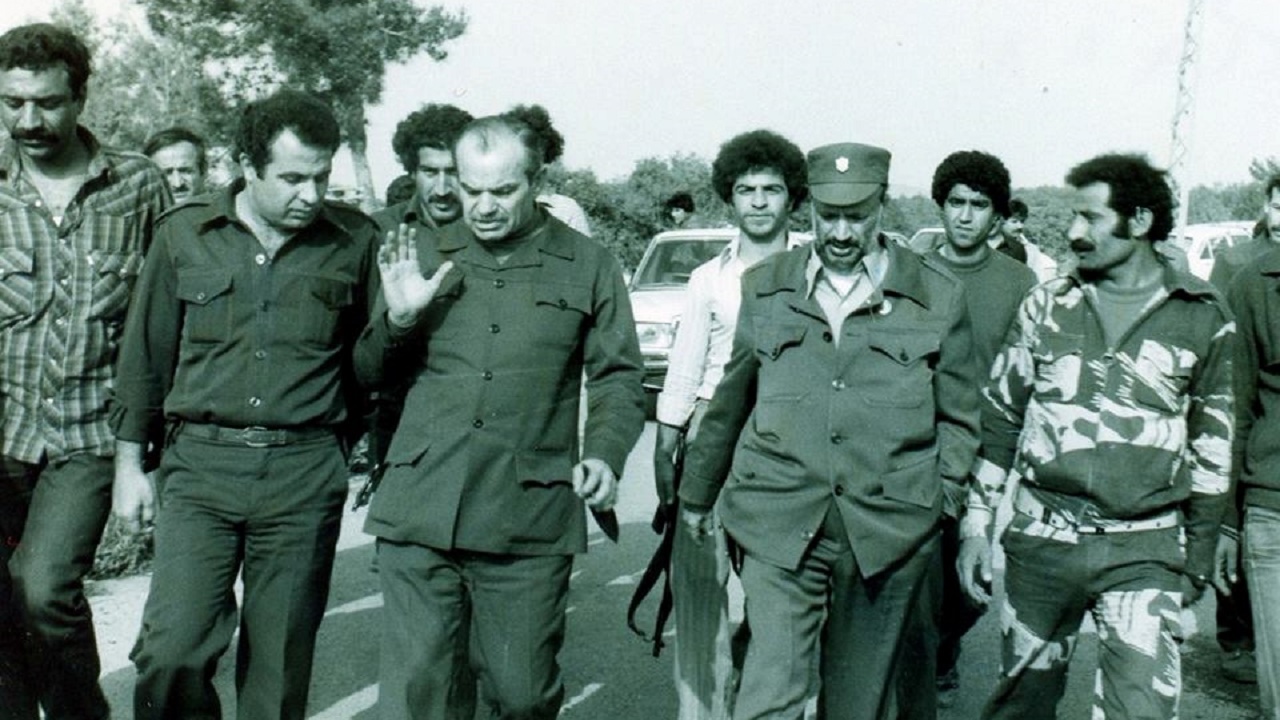
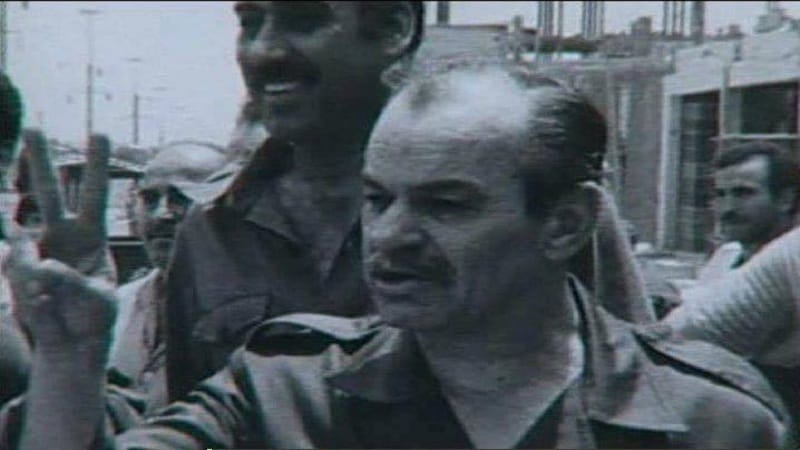
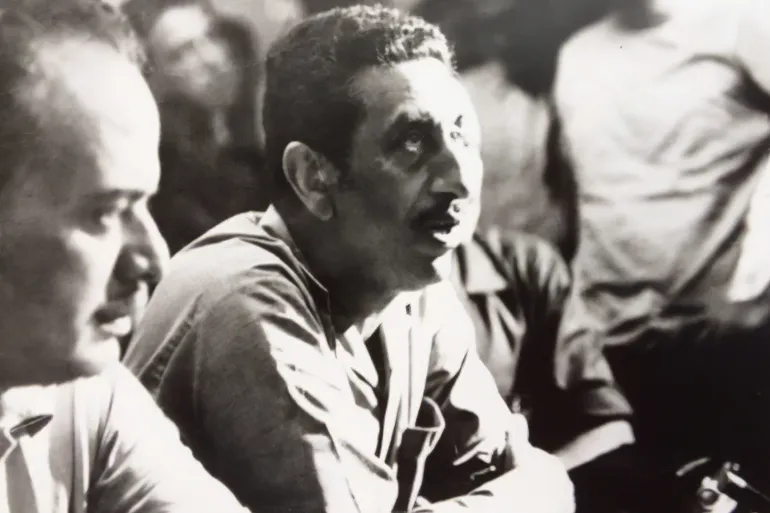
In early 1982, before the Israeli invasion, Saad Sayel drew up a full defensive plan and oversaw its implementation [1]. During the siege of Beirut he stood alongside Yasser Arafat, Abu Jihad and Abu Iyad, and led the negotiations with US envoy Philip Habib at the home of Lebanese Prime Minister Shafik al-Wazzan, securing an honourable exit for the forces and earning the title “Marshal of Beirut” [1] [2].
He opposed Arafat leaving secretly and insisted on a formal, public departure [1]. He organised the evacuation and was among the last to leave Beirut, on the final ship to Tartus, after visiting the martyrs’ cemetery on 1 September 1982 [1].
Back to the Bekaa
Saad Sayel stayed in Syria only 72 hours before returning to Lebanon to reorganise the forces in the Bekaa and launch operations against the occupation’s forces [1]. He believed in organised resistance and regrouping the Palestinian forces after Beirut [4]. He oversaw operations including the capture of eight Israeli soldiers, whose later exchange helped free prisoners from Ansar camp [1] [4].
The assassination of Saad Sayel: Bekaa, 27 September 1982
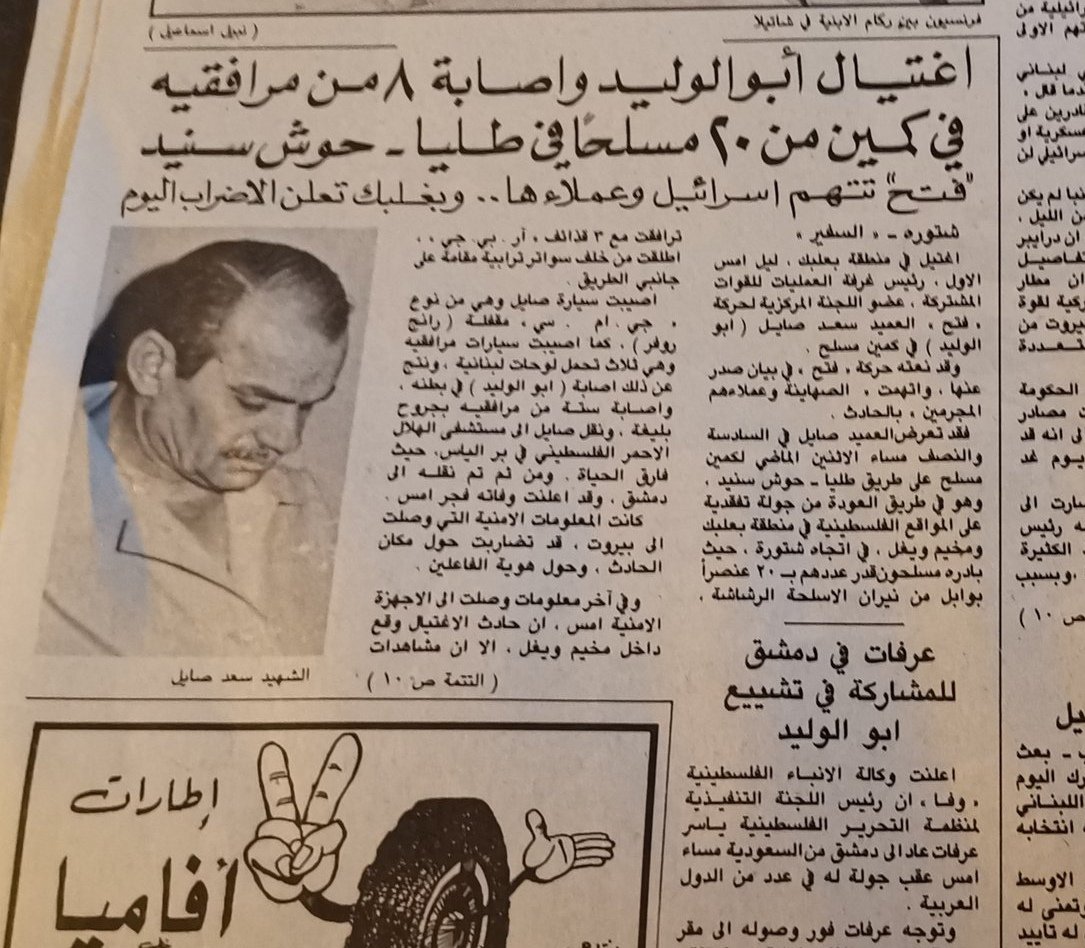
On Monday 27 September 1982, the first day of Eid al-Adha, during an inspection tour of the revolution’s forces in the Bekaa, his convoy was ambushed on the road between Riyaq and Baalbek [1] [2]. Press reports spoke of some 30 gunmen armed with rifles and rocket-propelled grenades [3]. The driver of the first car was killed and Saad Sayel was gravely wounded in the right thigh; he bled until he died, and his death was announced at 11 p.m. [1] [4].
The ambush took place behind Syrian lines in the Bekaa [3]. The Yasser Arafat Foundation attributes the killing to “the hand of Israeli treachery and betrayal” [1] [2], while other sources do not name the perpetrators [3] [4]. He was buried in the Martyrs’ Cemetery in Yarmouk camp, Damascus [1].
His killing came days after the Sabra and Shatila massacre, at a time when the revolution was regrouping after leaving Beirut.
Legacy and testimonies
Yasser Arafat called him “a towering pillar of our national construction,” and King Hussein praised him at the Fez summit as “the capable General Saad Sayel” [1]. Mahmoud al-Aloul says he feels “embarrassed” speaking about him, so great was his influence on the revolution, and Nabil Amr calls his martyrdom a great loss for Palestine, saying he restored order after Beirut by building a large military system [2]. His son Walid calls him “the memory of a father who will never be repeated” [2].
The Yasser Arafat Foundation marks his birth anniversary and produced the film “Marshal of Beirut” about him [2] [5].
Video
“Marshal of Beirut,” a film on Saad Sayel by the Yasser Arafat Foundation (in Arabic) [5]
Conclusion
From Sandhurst to the trenches of Beirut, Saad Sayel brought his military learning to the revolution, built its army, led its stand in the hardest siege and took it out of Beirut with its head held high. Three days later he returned to fight again, until an ambush stopped him on the morning of Eid.
Also in this series: Abu Jihad, Abu Iyad, Mamoun Mreish.
Frequently asked questions about Saad Sayel
Who was Saad Sayel?
A Palestinian military commander from Kafr Qalil near Nablus, Director of Central Operations of the Palestinian revolution and a member of Fatah’s Central Committee.
Why was Saad Sayel called the Marshal of Beirut?
For leading the defence of Beirut during the 1982 Israeli siege and negotiating the exit of the Palestinian forces.
When was Saad Sayel assassinated?
On 27 September 1982, the first day of Eid al-Adha.
Where was Saad Sayel assassinated?
In an armed ambush on the road between Riyaq and Baalbek in Lebanon’s Bekaa Valley.
Who killed Saad Sayel?
The Yasser Arafat Foundation attributes the killing to Israel, while other sources do not name the perpetrators.
Where is Saad Sayel buried?
In the Martyrs’ Cemetery in Yarmouk camp, Damascus.
Sources and references
Arabic-language sources are listed with translated titles.
- “Saad Sayel (1932–1982),” Yasser Arafat Foundation.
- “The Yasser Arafat Foundation Commemorates the Birth Anniversary of the Great National Leader Saad Sayel (Abu al-Walid),” Yasser Arafat Foundation, October 2023.
- “PLO Army Chief of Staff Is Killed in an Ambush,” The Christian Science Monitor, 29 September 1982.
- “The Martyred Leader Saad Sayel ‘Abu al-Walid’,” Falestinona (Fatah media, Lebanon).
- “Marshal of Beirut,” a film on Saad Sayel by the Yasser Arafat Foundation, YouTube.
Photo gallery
More from the archive
 Download Our Palestine App
The whole archive in the palm of your hand: depopulated villages, the Nakba, the massacres and Al-Aqsa — free, with no ads to erase the story.



Comments
No comments yet — be the first to write one.
Add your comment
Name and email are optional. Comments appear after review.