
Wael Zuaiter: The Nablus Intellectual Killed by Mossad in Rome
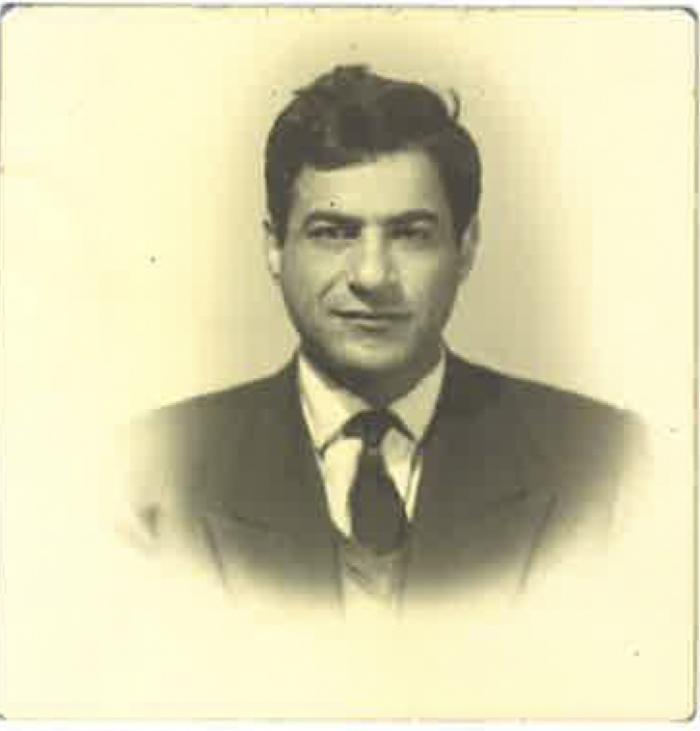
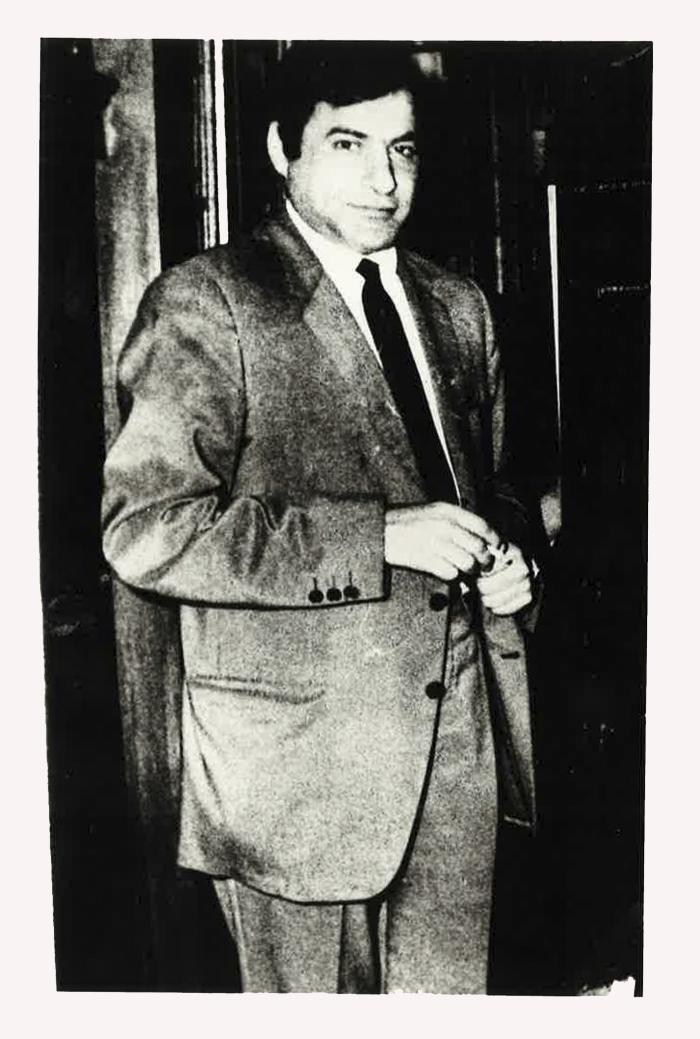
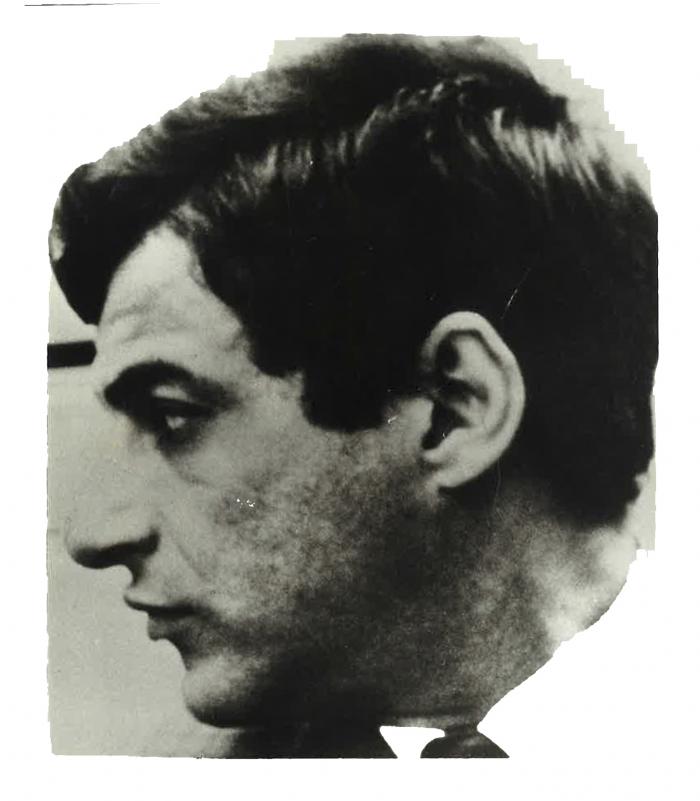
Wael Zuaiter (1934–1972) was a Palestinian writer, translator and intellectual from Nablus who lived in Rome from the 1960s, represented Fatah and the PLO there, and was working on the first Italian translation of “One Thousand and One Nights.” Israeli Mossad agents shot him at close range outside his home in Rome on 16 October 1972, making him the first victim of Israel’s assassination campaign in Europe after the Munich operation. [1] [2] [3]
This article is part of the series “Leaders of the Palestinian Revolution Who Were Assassinated,” alongside the articles on Mahmoud al-Hamshari, Ghassan Kanafani and Izz al-Din al-Qalaq, and the article on Mossad’s assassinations in Europe, 1972–1973.
Who was Wael Zuaiter?
Wael Zuaiter was a Palestinian intellectual devoted to literature and music, a friend of major European writers, who made his Rome home a platform for explaining his people’s cause [1]. His assassination – with no connection to the Munich events, as Israeli officials later admitted – was a model of the political killing that targeted the Palestinian word in Europe [1].
Wael Zuaiter at a glance
| Item | Details |
|---|---|
| Name | Wael Zuaiter |
| Born | 1934, Nablus [2] |
| Residence | Rome from the 1960s [1] |
| Work | Writer and translator; worked on the first Italian translation of “One Thousand and One Nights” [1] [2] |
| Post | Representative of Fatah and the PLO in Rome [1] [2] [3] |
| Assassinated | 16 October 1972, outside his home in Rome, by the Mossad [1] [2] [3] |
| Buried | Yarmouk camp, Damascus, after the occupation barred his burial in Nablus [3] [2] |
Timeline
| Date | Event |
|---|---|
| 1934 | Born in Nablus [2] |
| 1960s | Settles in Rome and joins its cultural life [1] |
| 5 June 1967 | Drives from Rome to Beirut as war breaks out [1] |
| After 1967 | Weekly gatherings in Rome to explain the Nakba and the 1967 defeat [1] |
| September 1972 | The Munich operation; the Mossad launches its assassination campaign [1] [3] |
| 16 October 1972 | Assassinated in Rome [1] [2] [3] |
| December 1972 | His friend Mahmoud al-Hamshari assassinated in Paris [1] |
| 2007 | Emily Jacir’s work about him wins the Golden Lion at the Venice Biennale [1] |
A Palestinian in Rome
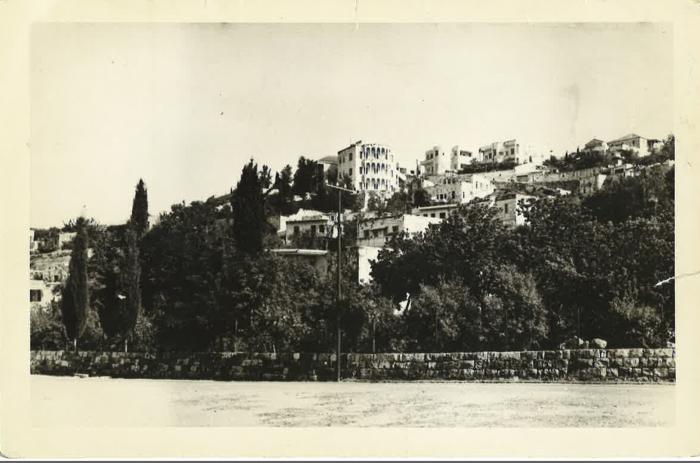
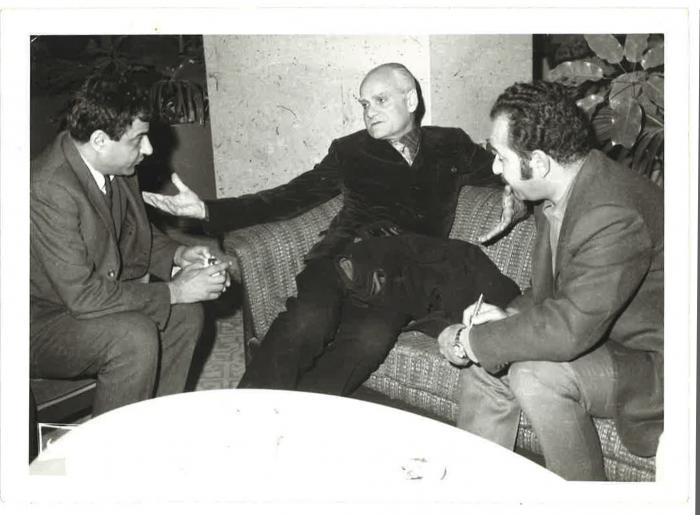
Wael Zuaiter was born in Nablus in 1934 [2]. By the 1960s, in his early thirties, he had settled in Rome, living in the home of a landlady named Mariuccia who hosted weekly dinners for her friends [1]. He loved Dante, Mahler and opera, frequented exhibitions and concerts, and counted among his friends the French writer Jean Genet, the Italian novelist Alberto Moravia and the director Pier Paolo Pasolini [1].
One Thousand and One Nights
Zuaiter was working on the first Italian translation of “One Thousand and One Nights” [1]. His copy of the book, pierced by his killers’ bullets, remains a witness to the crime [1].
Palestine’s voice in Italy
On 5 June 1967, as war broke out, Zuaiter set off by car from Rome to Beirut with a Palestinian friend, covering some 3,167 kilometres in five days, only to find the war already over [1]. Afterwards he held weekly gatherings in Mariuccia’s apartment, teaching his Italian visitors about the Nakba of 1948 and the defeat of 1967 [1].
He represented Fatah and the PLO in Rome and was a prominent cultural figure in the Palestinian community there [1] [2] [3].
The assassination of Wael Zuaiter
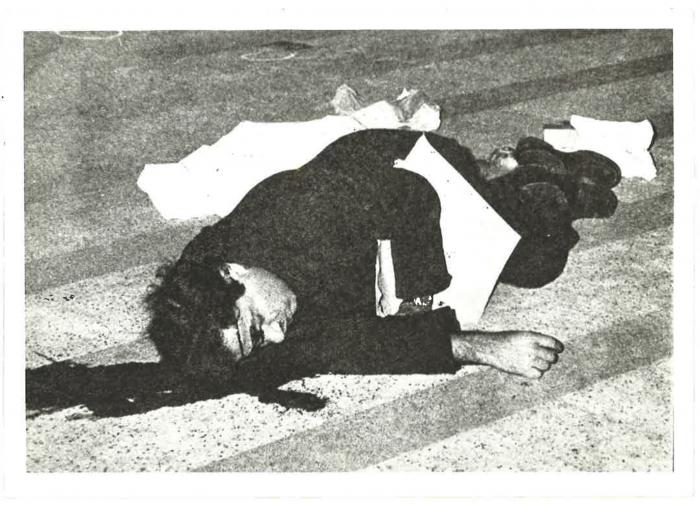
On 16 October 1972 Mossad agents assassinated Wael Zuaiter outside his home in Rome, firing more than ten bullets into his head and chest – 11 according to Al Majalla, 13 according to the Al-Quds Al-Arabi article [1] [3] [2]. He was the first of ten people, most of them Palestinians, the Mossad killed in its campaign after the Munich operation [1].
His friend Mahmoud al-Hamshari, the PLO representative in Paris, came to Rome for the funeral and told friends he would be next; the Mossad killed him in Paris about a month later [1].
The Munich pretext
Israel presented the assassination campaign as a response to the Munich operation of September 1972 [1] [3]. But Wael Zuaiter had no link to it: according to Israeli journalist Ronen Bergman’s 2018 book, a Mossad official later called his killing a “serious mistake,” and another admitted he had nothing to do with the athletes’ deaths [1]. The admission shows that the campaign targeted Palestinian intellectuals and diplomats for their voices, not their deeds.
Buried far from Nablus
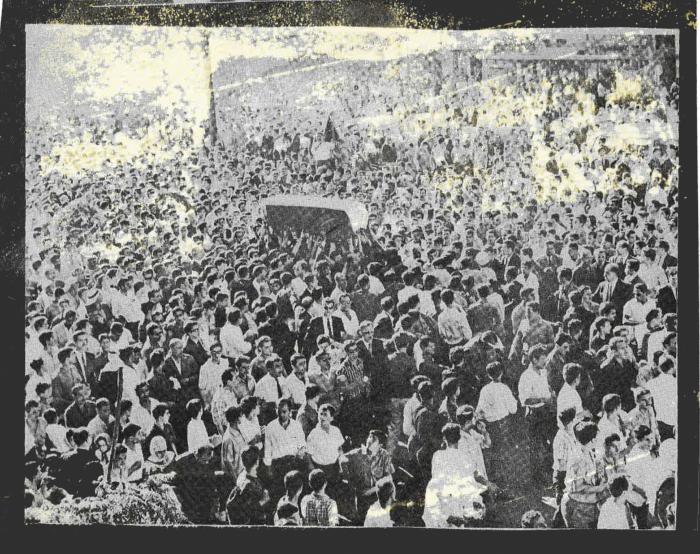
The occupation authorities barred his burial in his home city of Nablus, so his body was taken to Damascus and buried in Yarmouk camp [3] [2].
Legacy
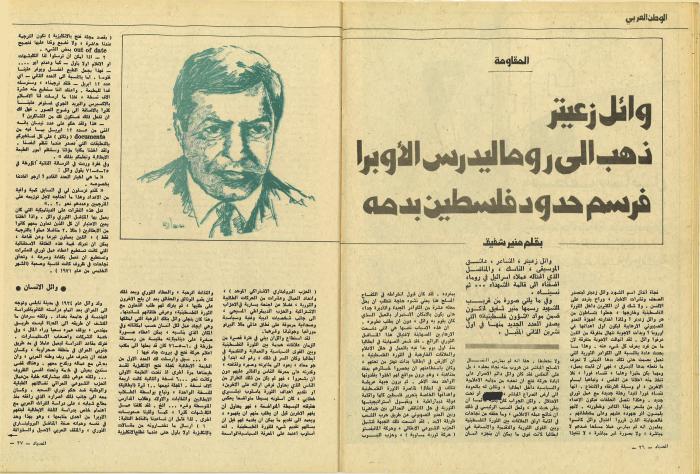
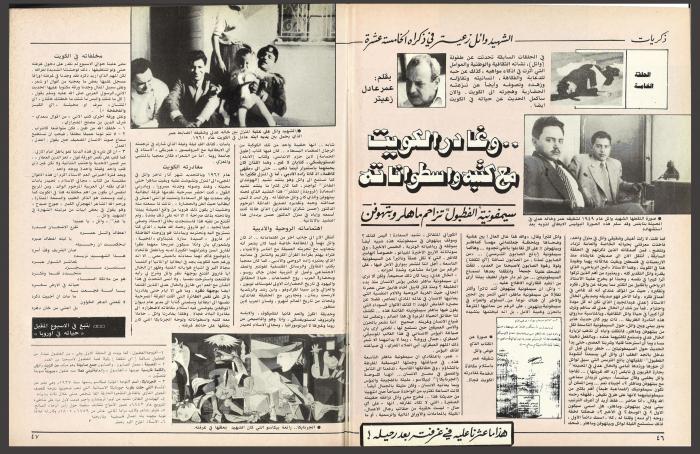
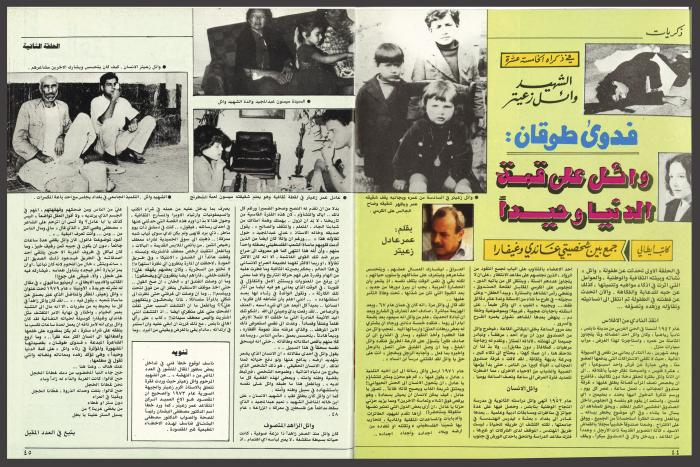
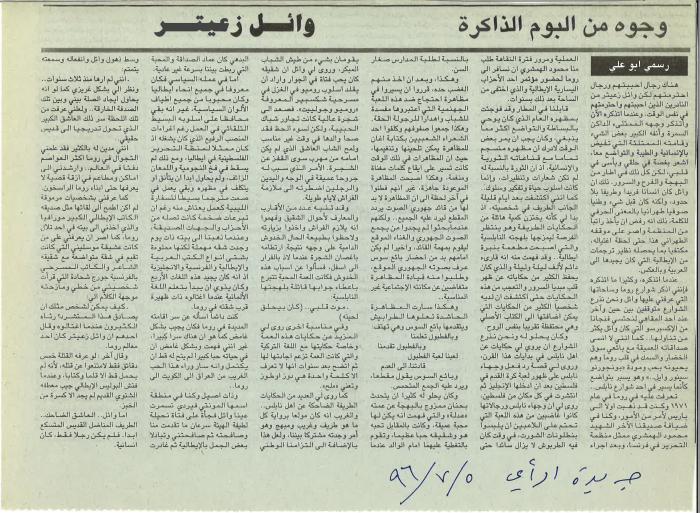
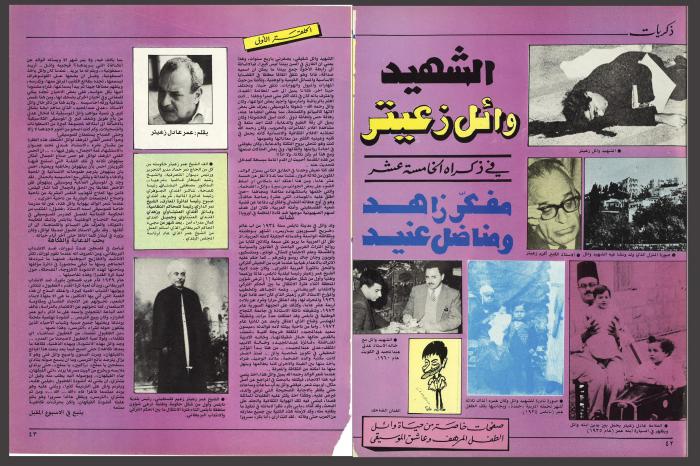
Wael Zuaiter’s story became an artwork by Palestinian artist Emily Jacir, “Material for a Film” (since 2004), which includes an installation of a thousand books, “Lest We Forget,” and his bullet-pierced copy of “One Thousand and One Nights”; it won the Golden Lion at the 2007 Venice Biennale and was shown at the Guggenheim (2009) and the Whitechapel Gallery (2015) [1]. The Palestinian Museum Digital Archive holds a collection documenting his life, funeral and grave [2].
Images and video
Frequently asked questions about Wael Zuaiter
Who was Wael Zuaiter?
A Palestinian writer and translator from Nablus who represented Fatah and the PLO in Rome.
When was Wael Zuaiter born?
In 1934 in Nablus.
What book was Wael Zuaiter translating?
“One Thousand and One Nights,” in its first Italian translation.
When was Wael Zuaiter assassinated?
On 16 October 1972 outside his home in Rome.
Who killed Wael Zuaiter?
Israeli Mossad agents, in the first operation of their European campaign after Munich.
Was Wael Zuaiter connected to the Munich operation?
No; Mossad officials later admitted he had no link to it, one calling his killing a “serious mistake.”
Where is Wael Zuaiter buried?
In Yarmouk camp in Damascus, after the occupation barred his burial in Nablus.
Sources and references
Arabic-language sources are listed with translated titles; the Palestinian Museum archive entry is in English.
- Victoria Brittain, “This Is a Palestinian,” trans. Marwa Kotchak, Al-Quds Al-Arabi, 25 October 2022.
- “The Wael Zuaiter (1934–1972) Collection,” Palestinian Museum Digital Archive.
- “Israel Threatened a ‘Second Munich’: Who Were the Most Prominent It Assassinated Before al-Arouri?” Al Majalla, 3 September 2023 (updated 2 January 2024).
Photo gallery
More from the archive
 Download Our Palestine App
The whole archive in the palm of your hand: depopulated villages, the Nakba, the massacres and Al-Aqsa — free, with no ads to erase the story.



Comments
No comments yet — be the first to write one.
Add your comment
Name and email are optional. Comments appear after review.