The Hot Springs Park of Tiberias (al-Hamma)
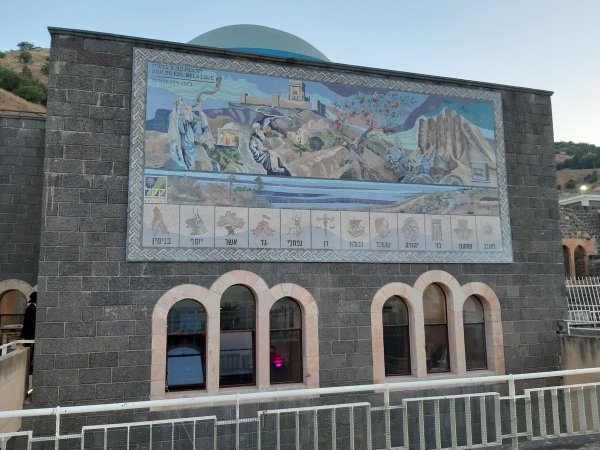
The Hot Springs Park of Tiberias (al-Hamma): Healing Waters from Rome to the Ottomans
The Hot Springs Park of Tiberias, known in Arabic as al-Hamma ("the hot spring") or Hammamat Tabariyya, lies on the western shore of Lake Tiberias, about two kilometres south of the old city of Tiberias. Here 17 natural springs rise from the ground at temperatures of up to 60°C, rich in salts and minerals. For some two thousand years people have come to bathe in them for healing: the Romans built baths here, Arab geographers described waters that "need no fire" and are hot enough to boil an egg, Ottoman painters depicted the baths in their manuscripts, and in 1780 the Hammam Sulayman was built under the governor of Acre, Ahmad Pasha al-Jazzar. This guide covers the springs, their history and their monuments.
Quick facts
| Arabic name | منتزه حمّة طبريا – حمّامات طبريا |
|---|---|
| Location | Western shore of Lake Tiberias, about 2 km south of the old city |
| Springs | 17 natural hot springs |
| Temperature | Up to about 60°C |
| Minerals | Chloride, sodium, potassium, bromide and sulphate |
| Use | Bathing and healing since the Roman period |
| Early Islamic baths | 8th century CE |
| Hammam Sulayman | Built in 1780 under Ahmad Pasha al-Jazzar |
| Egyptian rule | Baths repaired in the 1830s |
| Today | Archaeological park and a small museum in the Ottoman bath |
The name
The name "al-Hamma" comes from the old Semitic root for heat, which in Arabic gives hamma, a hot mineral spring, and hammam, a bath; it is the same name given to other hot-spring sites in the region, such as al-Hamma on the Yarmouk. The local people called the place "Hammamat Tabariyya" (the Baths of Tiberias), and the Ottoman bath that still stands there was known as "Hammam Sulayman".
Location
The springs lie on the lakeshore road about two kilometres south of the old city of Tiberias, at the southern end of the coastal strip on which the Arab city stood before 1948, at the foot of the hills that rise to the west.
The springs and their waters
Seventeen natural springs rise at the site, their water reaching about 60°C. It reaches the bathhouses through underground channels with vents that release the pressure of the steam. The water is highly saline and rich in chloride, sodium, potassium, bromide and sulphate, which is why it has long been used to treat rheumatism, skin conditions and joint pain.
History
- Roman period: baths were built over the springs, and they played a part in the prosperity and appeal of Tiberias, drawing many visitors for its hot springs and fertile land.
- Byzantine period: Christian pilgrims and travellers praised the healing salt waters of the baths of Tiberias.
- Early Islamic period: after the conquest of Tiberias in 634–635 CE, which became the capital of Jund al-Urdunn, public baths were built here in the 8th century CE.
- 749 CE: a devastating earthquake struck Tiberias; the Syriac chronicler Michael the Syrian records that the baths collapsed in it.
- Abbasid and Fatimid periods: Tiberias was rebuilt and reached its peak, and Arab geographers described its hot baths.
- 1780: Hammam Sulayman was built in the time of Ahmad Pasha al-Jazzar, governor of Acre.
- 1830s: under Egyptian rule, the baths of Tiberias were repaired and began receiving visitors seeking a cure.
- Until 1944: Hammam Sulayman remained in use, with three days a week for women and three for men, serving local people and visitors.
In Arab writings and Islamic art
The hot springs of Tiberias were well known to Arab geographers and historians. Ibn al-Athir noted that their water needs no fire to heat it, and al-Qalqashandi wrote that it is hot enough to boil an egg and that the sick came to bathe in it. Popular tradition linked the springs to the Prophet Sulayman (Solomon), saying that he ordered the jinn to heat their water, which is why the bath was called "Hammam Sulayman".
The baths of Tiberias also appear in Islamic manuscript painting. In the "Book of Wonders" (Kitab al-Bulhan) a lively bathing scene is painted, and the Ottoman manuscript "Rising of the Stars of Felicity" (Matali' al-Sa'ada) shows a domed Ottoman bath with steam rising from two pipes beside its dome, while beneath it a half-naked jinn tends a small fire, an image of the legend explaining the heat of the water.
Hammam Sulayman
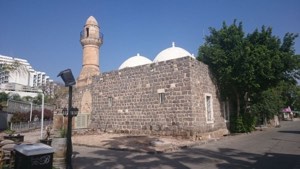
The most prominent standing monument in the park is Hammam Sulayman, the Ottoman bath built in 1780 in the time of Ahmad Pasha al-Jazzar. Water reaches it through underground channels from the springs. It has been restored, and today it houses a small museum that displays objects linked to hot-water treatment in the Ottoman period, along with archaeological finds from Tiberias and its surroundings dating from the first century BCE to the 11th century CE. Around it lie the remains of older baths and buildings, among them a 4th-century building with a mosaic floor.
Tiberias and the Nakba
The hot baths were part of life in Arab Tiberias, which Zahir al-Umar rebuilt and fortified in the 18th century. On 18–19 April 1948 the city fell to Zionist militias; all of its Arab inhabitants, some 6,160 people, were expelled, and much of its old city was demolished. A new residential quarter was later built on the western heights overlooking the baths, and the site was turned into a national park, presented with little reference to its Arab and Islamic history.
The park today (2026)
Today the springs are an archaeological park and a destination for tourists seeking a cure in their mineral waters, while the Ottoman bath has become a small museum. Yet the people of Tiberias who bathed in these springs for generations, and their descendants, live in refugee camps and the diaspora, denied return. The springs, still rising hot from the ground after two thousand years, remain a witness to the long history of Palestinian Tiberias, from the Roman baths and the Islamic hammams to the bath of al-Jazzar.
Frequently asked questions
Where are the hot springs of Tiberias?
On the western shore of Lake Tiberias, about two kilometres south of the old city of Tiberias.
How hot is the water?
The site's 17 springs reach temperatures of up to about 60°C.
What is Hammam Sulayman?
An Ottoman bath built in 1780 in the time of Ahmad Pasha al-Jazzar; it was used until 1944 and is now a small museum.
What did Arab writers say about the springs?
Ibn al-Athir said their water needs no fire to heat it, and al-Qalqashandi said it is hot enough to boil an egg and that the sick came to bathe in it.
Why was the bath called Hammam Sulayman?
Because popular tradition said the Prophet Sulayman ordered the jinn to heat the water of the springs.
Conclusion
On the shore of Lake Tiberias, hot water has risen from the ground for thousands of years, drawing the sick and the travellers of every age. From the Roman baths and the Islamic hammams to the Ottoman bath of al-Jazzar, the springs of al-Hamma remain a witness to the history of Palestinian Tiberias and to the people who bathed in them before they were expelled from their city.
More from the archive
 Download Our Palestine App
The whole archive in the palm of your hand: depopulated villages, the Nakba, the massacres and Al-Aqsa — free, with no ads to erase the story.

Comments
No comments yet — be the first to write one.
Add your comment
Name and email are optional. Comments appear after review.