Al-Zaydani (Great) Mosque in Tiberias
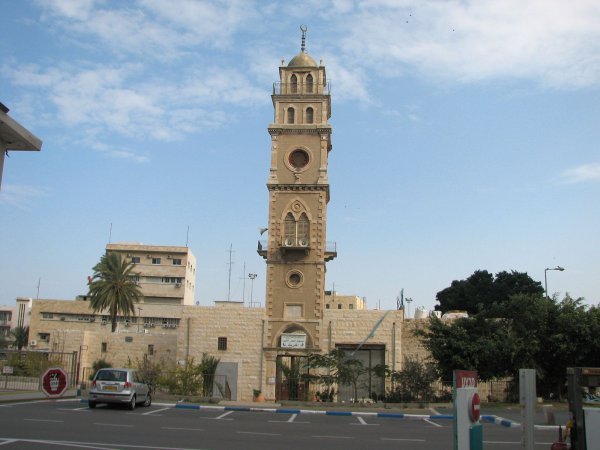
Al-Zaydani (Great) Mosque in Tiberias: Zahir al-Umar's Mosque, Closed Since the Nakba
Al-Zaydani Mosque, also known as the Great Mosque (al-Jami' al-Kabir), the Omari Mosque or the Upper Mosque (al-Jami' al-Fawqani), is the largest of the historic mosques of Tiberias. It was built by Zahir al-Umar al-Zaydani around 1742–1743 in the northern quarter of the old city, when he made Tiberias his seat of power, and takes its name from his Zaydani family. It is distinguished by a façade of white limestone and black basalt and a central dome on an octagonal drum. It has been closed since the fall of Tiberias in April 1948 and the expulsion of its Arab inhabitants; it was used as a store for building materials, and today it is cracked and at risk of collapse, while restoration and reopening for prayer are blocked. This guide covers the mosque's history, architecture and present state.
Quick facts
| Arabic name | الجامع الزيداني (المسجد العظيم) – طبريا |
|---|---|
| Other names | Great Mosque, Omari Mosque, Upper Mosque (al-Fawqani) |
| Location | Northern quarter of the old city of Tiberias |
| Builder | Zahir al-Umar al-Zaydani |
| Built | Around 1742–1743 CE |
| Style | Local Ottoman |
| Materials | White limestone and black basalt |
| Dome | Central dome on an octagonal drum |
| Closure | Since the fall of Tiberias in April 1948 |
| Current state | Closed and cracked; used as a store for building materials |
The name
The mosque goes by several names: al-Zaydani Mosque after the Zaydani family of Zahir al-Umar, who built it; the Omari Mosque after Zahir al-Umar himself; the Great Mosque because it is the largest mosque in Tiberias; and the Upper Mosque (al-Fawqani) because it stands in the higher part of town compared with the Sea Mosque on the shore.
Location
The mosque stands in the northern quarter of the old city of Tiberias, not far from the lakeshore, the Sea Mosque and the Old Saraya that Zahir al-Umar used as his seat of government. Its dome stood out above the lakeside houses in old photographs of the city; today it is hidden by the modern buildings around it.
History and builder
- 1730: Zahir al-Umar took charge of Tiberias by order of the governor of Sidon. He fortified it, restored its citadel and expanded it, turning a small town into a thriving city that became his seat of power.
- Around 1742–1743: Zahir al-Umar built the mosque in the city's northern quarter, and it became the largest mosque in Tiberias.
- 1749: Zahir al-Umar added sections to the walls of Tiberias as part of fortifying and expanding the city.
- After Zahir al-Umar took Acre: his seat of power moved from Tiberias to Acre, and the mosque remained the main mosque of Tiberias.
- 1887 and the early 20th century: photographs, including one by the Palestinian photographer Fadil Saba held by the Palestinian Museum, show the mosque with its dome prominent in the view of the city.
- April 1948: the mosque was closed with the fall of Tiberias and the expulsion of its Arab inhabitants.
Architecture
The mosque was built in the local Ottoman style that marked Zahir al-Umar's buildings across Galilee. Its façade is of white limestone and black volcanic basalt, the local stone of the Tiberias area, and inside the prayer hall courses of white and black stone alternate in the ablaq manner. The hall is crowned by a central dome resting on an octagonal drum; the building has two storeys, and its entrance is flanked by two mihrabs.
The mosque in the life of Tiberias
As the city's largest mosque, al-Zaydani Mosque was the centre of religious and social life in Arab Tiberias, hosting Friday and Eid prayers and drawing the city's people and merchants around it. Alongside it, the Sea Mosque on the shore was the fishermen's mosque, and together the two are the most prominent surviving Islamic landmarks of the city.
Tiberias and the Nakba
Tiberias was the first mixed city to fall entirely to the Haganah militia, on 18–19 April 1948. All of its Arab inhabitants, some 6,160 people, were expelled, Zionist organisations seized their property, and the Arab quarters of the old city were demolished. Al-Zaydani Mosque and the Sea Mosque escaped demolition, but both were closed, and prayer in them has been banned ever since.
Closure and neglect
- Closure: the mosque has stayed closed since the Nakba, with worshippers and visitors barred from entering.
- A store for building materials: the Tiberias municipality used it as a warehouse for building materials instead of returning it to use as a mosque.
- 2012: rubbish was being thrown inside through its broken windows, according to reports on the erasure of holy sites in Beisan and Tiberias.
- 2019: the mosque was described as cracked and in urgent need of restoration, kept closed for fear it would be used for prayer, while the municipality drew up a plan to change the land use and redevelop its courtyard.
- Restoration refused: the Zaydani family asked for permission to restore the mosque, but the municipality refused, saying it would restore it itself; nothing happened.
The mosque today (2026)
Al-Zaydani Mosque remains closed and at risk of collapse, hidden behind modern buildings, more than 78 years after the people of Tiberias were expelled. It is one of dozens of mosques in the towns and villages depopulated in 1948: the encyclopedia of the Al-Aqsa Foundation for Waqf and Heritage records that only 33 of 161 mosques still stand, prayer is held in just 11 of them, and the rest were demolished or turned into stores, museums, restaurants and synagogues. Palestinians inside the Green Line and descendants of the Zaydani family call for the mosque to be restored and reopened for prayer, so that it remains a witness to the Arab Tiberias that Zahir al-Umar rebuilt.
Frequently asked questions
Who built al-Zaydani Mosque in Tiberias?
Zahir al-Umar al-Zaydani built it around 1742–1743, when Tiberias was his seat of power.
Why is it called the Great Mosque?
Because it is the largest of the historic mosques of Tiberias; it is also known as the Zaydani, Omari and Upper Mosque.
Where is al-Zaydani Mosque?
In the northern quarter of the old city of Tiberias, near the lakeshore and the Sea Mosque.
What are the main features of its architecture?
A façade of white limestone and black basalt, a central dome on an octagonal drum, and alternating courses of the two stones in the prayer hall.
Is al-Zaydani Mosque used for prayer today?
No. It has been closed since the fall of Tiberias in 1948, was used as a store for building materials, and its restoration is blocked.
Conclusion
Zahir al-Umar built al-Zaydani Mosque as the heart of the Tiberias he revived in the 18th century, and for some two centuries its dome rose above the lakeside city. Since the Nakba its call to prayer has fallen silent and its doors have been shut, yet it still stands in its white and black stone, a witness to the Arab city whose people were expelled and to their right to return to it and its mosques.
More from the archive
 Download Our Palestine App
The whole archive in the palm of your hand: depopulated villages, the Nakba, the massacres and Al-Aqsa — free, with no ads to erase the story.
Comments
No comments yet — be the first to write one.
Add your comment
Name and email are optional. Comments appear after review.