Afghans in Palestine: From Jaffa to the Afghan Zawiya in Jerusalem
Near Bab al-Ghawanima, one of the gates of Al-Aqsa Mosque, stands a zawiya some four centuries old known as the Afghan Zawiya. It was built in 1633 to receive Afghan pilgrims on their way to Mecca, and the Jerusalemite Afghani family still cares for it today, a witness to an Afghan community that lived in Palestine, most of it in Jaffa before the Nakba. [1] [2]
The Afghan Zawiya at a glance
| Item | Details |
|---|---|
| Name | The Qadiriyya Zawiya, known as the Afghan Zawiya [2] |
| Founded | 1043 AH / 1633 CE, by the Ottoman governor of Jerusalem, Muhammad Pasha [2] [1] |
| Location | The Ghawanima Quarter of the Old City, on Barquq Road near Bab al-Ghawanima [2] |
| Original role | Receiving and housing Afghan pilgrims on their way to or from Mecca [1] [2] |
| Area | About one and a half dunums, with a planted courtyard of about 400 m² [1] [2] |
| Custodians | The Afghani family, sole custodian of the waqf zawiya [1] [2] |
| Sufis | Between 200 and 300; thousands attend its annual celebrations [2] [1] |
On the Hajj road: how Afghans came to Palestine
Jerusalem was a stop on the Hajj route for many Muslims, who stayed there on their way to or from Mecca. Under the Ottomans, zawiyas were set aside in the city for different Muslim peoples, among them the Bukharan, Indian, African and Maghrebi zawiyas. [1] [2]
The Afghan Zawiya arose when Afghanistan was tied to the Ottoman caliphate, and Afghans visited Palestine freely. [1] Afghan pilgrims reached Jerusalem in their thousands every year, and the zawiya was set aside to receive and house them. [2]
Afghans in Jaffa before the Nakba
Afghan presence was not limited to passing pilgrims; some settled in Palestine. Before the Nakba of 1948 they were concentrated in Jaffa. [1]
After the Nakba, Palestinian Afghans spread to other towns, including Nablus, Qalqilya and Jerusalem, where their presence continues to this day. [1] Read about the city they lived in: Jaffa before the Nakba.
The Qadiriyya Zawiya: building and history
The zawiya was founded by the Ottoman governor of Jerusalem, Muhammad Pasha, in 1043 AH / 1633 CE, as the foundation inscription above its entrance attests, and endowed for followers of the Qadiriyya order, named after Sheikh Abd al-Qadir al-Jilani, whom the inscription calls “the pole of the knowers.” Large endowments were later dedicated to it under the Ottomans. [2]
The zawiya stands in the Ghawanima Quarter, on the north side of Barquq Road, which links Bab al-Ghawanima with al-Wad Street, southwest of the Naqshbandiyya Zawiya. [2] It is entered through a single door in the south facade, reached by three steps, set in a recessed niche under a pointed arch. [2]
Inside is an open rectangular courtyard of about 400 square metres, mostly planted with trees and plants, just as the endowment deed described it some four centuries ago. Eleven small cells for Sufis line the courtyard to the south and west, each with a door and a small window onto the courtyard. [2]
The north side holds service rooms and a meeting hall for the Sufis, with an upper floor added later as the sheikh’s residence. The mosque is “suspended,” reached by stairs; a pointed arch divides its hall, a shallow dome covers each half, and its walls have twelve windows. [2]
Afghan sheikhs in Jerusalem
The judge appointed the zawiya’s sheikh and imam at the Sufis’ request, and they could ask for a replacement if they found him negligent, according to the Sharia court records. When Sheikh Abd al-Ghani al-Nabulsi visited in 1690, its sheikh was Musa al-Maghribi. [2]
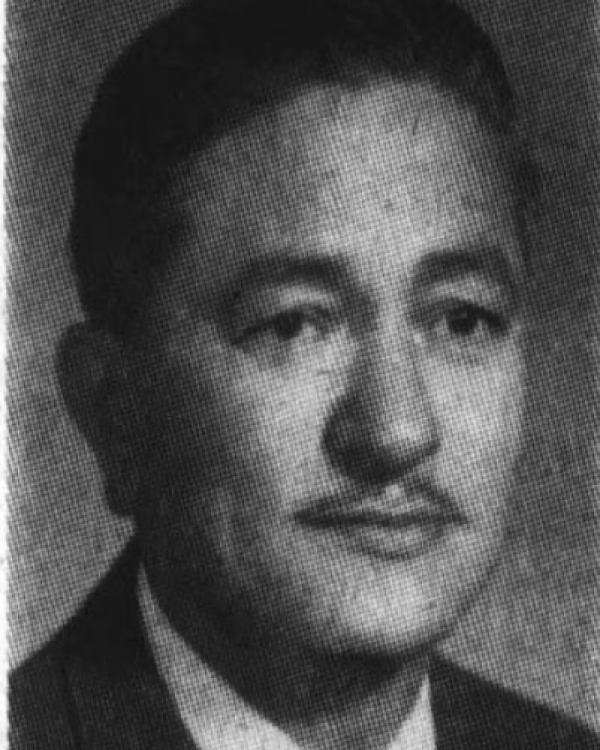
From the late Ottoman period Afghan sheikhs held the post, among them Hajj Abdullah bin Rahmdel Shah al-Afghani, born in Ghazni, Afghanistan, in 1890, who led the zawiya from 1938 until his death in 1979. [2] [1] The Afghan sheikhs moved the zawiya’s Sufism to the path of Sheikh Ahmad ibn Mustafa al-Alawi, founder of the Alawiyya Shadhiliyya order. [2]
Families of the Afghani clan lived inside the zawiya for a long time, then moved to nearby houses in the Old City so that the zawiya could be devoted to Sufism. [1] [2]
The zawiya today
The zawiya has kept its original layout and architectural fabric without major changes, and still serves its original purpose. [2] The Afghani family is its sole custodian, and its sheikh today is Abd al-Karim al-Afghani. [1]
Its 200 to 300 Sufis hold two weekly sessions on Monday and Friday nights, with dhikr, religious songs, praise of the Prophet and lessons, and they bar filming and the media. The zawiya holds three annual celebrations attended by thousands: the Islamic New Year, the Prophet’s birthday and the Isra and Mi’raj. [2] [1]
In Ramadan the zawiya opens its doors all month to worshippers and those in retreat, easing the pressure on Al-Aqsa’s prayer halls and facilities. [1]
Conclusion
Afghans came to Palestine as pilgrims on the road to Mecca; some settled in Jaffa and Jerusalem and became part of the country’s fabric. The Nakba scattered them as it scattered the people of Jaffa, but the Afghan Zawiya near Bab al-Ghawanima remains, cared for by the Afghani family generation after generation, a witness that Jerusalem has always been a meeting place for Muslims of every people.
Frequently asked questions about Afghans in Palestine and the Afghan Zawiya
Who founded the Afghan Zawiya in Jerusalem?
The Ottoman governor of Jerusalem, Muhammad Pasha, in 1043 AH / 1633 CE, as a Qadiri zawiya; Afghan sheikhs later took over its leadership.
Why is it called the Afghan Zawiya?
Because it was set aside to house Afghan pilgrims, and because Jerusalemite Afghans lived in it and led it from the late Ottoman period.
Where did Afghans live in Palestine before the Nakba?
They were concentrated in Jaffa, and after the Nakba spread to Nablus, Qalqilya and Jerusalem.
Who looks after the Afghan Zawiya today?
The Afghani family, its sole custodian; its sheikh is Abd al-Karim al-Afghani.
Where is the Afghan Zawiya?
In the Ghawanima Quarter of Jerusalem’s Old City, near Bab al-Ghawanima, one of the gates of Al-Aqsa Mosque.
Sources and references
Arabic-language sources are listed with translated titles.
More from the archive
 Download Our Palestine App
The whole archive in the palm of your hand: depopulated villages, the Nakba, the massacres and Al-Aqsa — free, with no ads to erase the story.
Comments
No comments yet — be the first to write one.
Add your comment
Name and email are optional. Comments appear after review.