
Sheikh Ahmed Yassin: Hamas Founder, Assassinated 22 March 2004

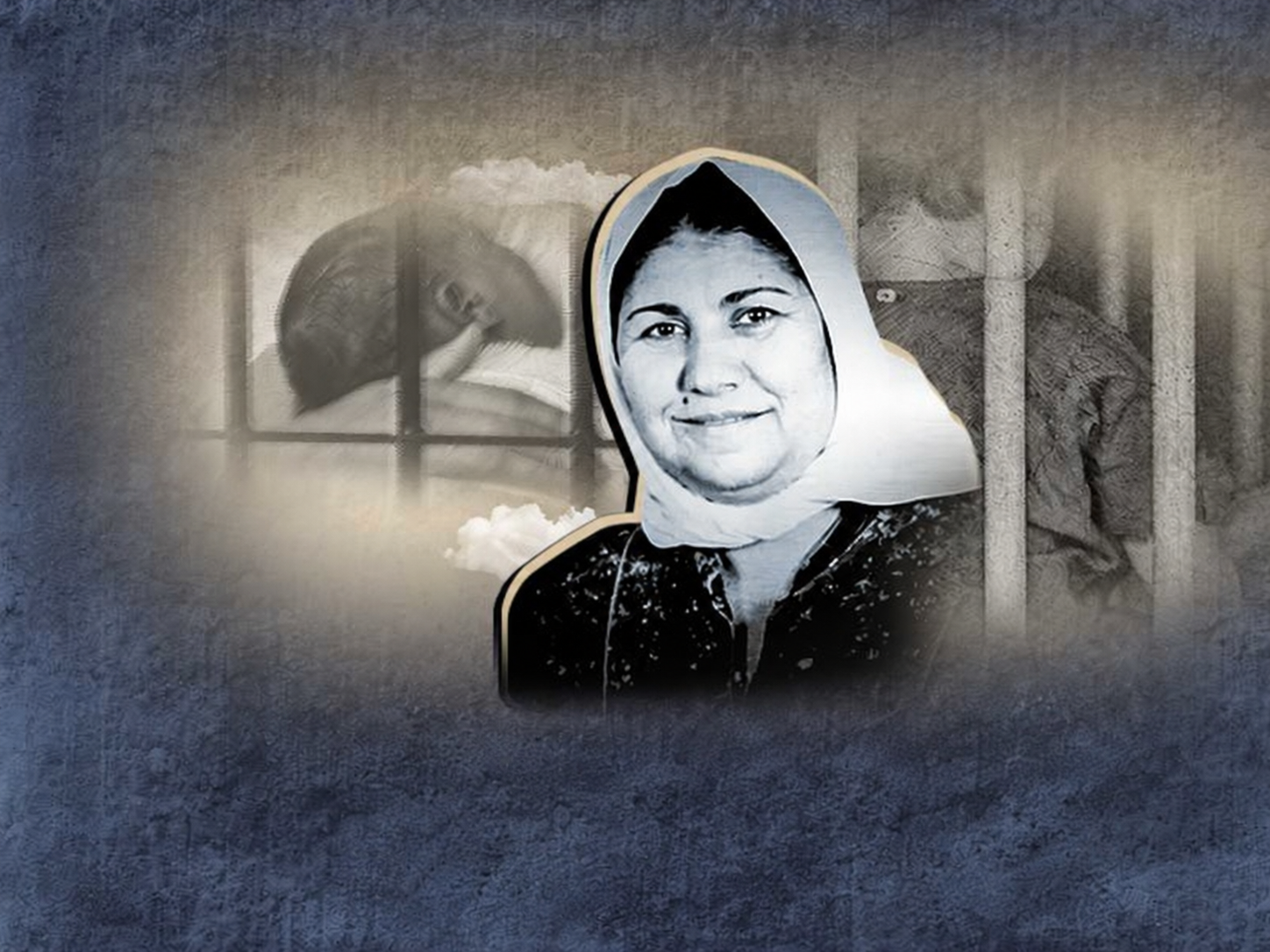
Sheikh Ahmed Yassin (1936–2004) was the founder of the Islamic Resistance Movement (Hamas), a refugee from the village of al-Jura in the al-Majdal district, paralysed at sixteen, who became a teacher, preacher and leader and spent years in Israeli prisons. Before dawn on Monday 22 March 2004, as he left the Islamic Centre mosque in Gaza City’s al-Sabra neighbourhood in his wheelchair after dawn prayers, an Israeli Apache helicopter fired three missiles at him, killing him and seven of his companions. [1] [2] [3]
This article is part of the series “Assassinated leaders of the Palestinian revolution,” alongside the articles on Abdel Aziz al-Rantisi, Ismail Haniyeh and Yahya Sinwar.
Who was Sheikh Ahmed Yassin?
Ahmed Yassin was one of Gaza’s foremost figures of thought and national action: he founded the Islamic Centre, helped found the Islamic University, then founded Hamas with his comrades as the First Intifada broke out, becoming its spiritual leader [1] [2] [3]. Despite his paralysis and illnesses he spent long years in Israeli prisons, and his assassination in his wheelchair became one of Israel’s most shocking killings in the eyes of the world.
Sheikh Ahmed Yassin at a glance
| Item | Details |
|---|---|
| Name | Ahmad Ismail Yasin [1] [2] |
| Born | June 1936, al-Jura, al-Majdal district [1] [2] [3] |
| Refuge | Gaza Strip after the 1948 Nakba, aged twelve [2] [1] |
| Disability | Quadriplegic after an accident in 1952, aged sixteen [1] [2] |
| Profession | Teacher of Arabic and Islamic education in UNRWA schools; preacher [1] [3] |
| Founded | The Islamic Centre (1973), the Islamic University (1978), Hamas (December 1987) [1] [3] |
| Imprisonment | Sentenced to 13 years (freed 1985), then to life plus 15 years (freed 1997) [1] [2] |
| Assassinated | 22 March 2004, three missiles from an Apache helicopter in al-Sabra, Gaza [1] [2] [3] |
Timeline
| Date | Event |
|---|---|
| June 1936 | Born in al-Jura [1] [2] |
| 1948 | The Nakba; refuge in the Gaza Strip [1] [2] |
| 1952 | Paralysed in an accident [1] [2] |
| 1958 | Begins teaching in UNRWA schools [1] |
| 1965 | Held for a month by Egyptian intelligence in Gaza [1] [2] |
| 1973 | Founds the Islamic Centre [1] |
| 1978 | Helps found the Islamic University of Gaza [1] |
| 1983–1984 | Arrested and sentenced to 13 years [1] [3] |
| May 1985 | Freed in an exchange with the PFLP–General Command [1] [2] |
| December 1987 | Founds Hamas as the First Intifada breaks out [1] [3] |
| 18 May 1989 | Arrested with hundreds of movement members [2] [1] |
| 16 October 1991 | Sentenced to life plus 15 years [2] |
| 1 October 1997 | Freed after the failed Mossad attempt on Khaled Meshaal in Amman [2] [1] |
| 6 September 2003 | Survives, with Ismail Haniyeh, a strike on an apartment in Gaza [2] [1] |
| 22 March 2004 | Assassinated at dawn with seven companions [1] [2] [3] |
From al-Jura to Gaza
Ahmad Ismail Yasin was born in June 1936 in al-Jura near al-Majdal (Asqalan); his father died before he was five, and his mother was Sa’da Abdullah al-Habil [1] [2]. He studied at the al-Jura school up to fifth grade, until the 1948 Nakba drove his family to the Gaza Strip when he was twelve [1] [2].
He later said the Arab armies had disarmed the Palestinians in 1948: “Had our weapons been in our hands, the course of events would have changed” [2]. He left school for a year (1949–1950) to work in a restaurant and support his family of seven, then went back to his studies [2] [1].
The accident and paralysis
In the summer of 1952, aged sixteen, he broke vertebrae in his neck in an accident on the beach while playing with friends; after 45 days in plaster he learned he would be paralysed for life [2] [1]. He later lost the sight of his right eye from a blow during interrogation in Israeli prisons, and suffered severely weakened sight in his left eye, chronic ear infection and lung and intestinal illnesses [2].
Teacher and preacher
He finished secondary school in 1958 and, despite objections over his health, obtained a teaching post, teaching Arabic and Islamic education in UNRWA schools and preaching and teaching in Gaza’s mosques [1] [2]. In 1964 he enrolled as an external student at Ain Shams University in Cairo to study English, but the 1965 arrests prevented him from sitting his exams, and Egyptian intelligence held him in Gaza for a month before releasing him [1] [2].
In March 1957 he took part in the mass demonstrations in Gaza after the withdrawal of Israeli occupation forces, demanding the return of Egyptian administration and rejecting international trusteeship [1].
The Islamic Centre and the university
In 1968 Yassin was chosen to lead the Muslim Brotherhood in the Gaza Strip; in 1973 he founded the Islamic Centre (al-Mujamma’ al-Islami), and in 1978 he helped found the Islamic University of Gaza [1].
First imprisonment and the 1985 exchange
The occupation authorities arrested him on charges of forming a military organisation and possessing weapons and sentenced him to 13 years [1] [2] [3]. He was released in May 1985 in a prisoner exchange between the occupation and the Popular Front for the Liberation of Palestine–General Command [1] [2].
Founding Hamas
In December 1987, as the First Intifada broke out, Sheikh Ahmed Yassin founded the Islamic Resistance Movement (Hamas) with other Islamic leaders in Gaza, among them Abdel Aziz al-Rantisi, and became its spiritual leader [1] [2] [3].
Life sentence and release in 1997
On 18 May 1989 the occupation arrested him with hundreds of the movement’s members, and on 16 October 1991 a military court sentenced him to life plus 15 years for inciting the capture and killing of Israeli soldiers and founding Hamas and its military and security wings [2] [1].
In December 1992 the Qassam Brigades captured an Israeli soldier to demand his release; the occupation refused and attacked the site [1] [2]. On 1 October 1997, after the Mossad’s failed attempt to assassinate Hamas political bureau head Khaled Meshaal in Amman, Sheikh Yassin was freed in a deal under which Jordan handed over the two captured Mossad agents [2] [1]. He returned to Gaza after a few days in an Amman hospital [1]. The Palestinian Authority placed him under house arrest several times over political disagreements [2].
The Al-Aqsa Intifada and the 2003 attempt
When the Al-Aqsa Intifada broke out in late September 2000, Israel decided to assassinate Hamas leaders systematically [1]. On 6 September 2003 Israeli aircraft struck an apartment in Gaza where Sheikh Yassin was with his student Ismail Haniyeh; he escaped with a minor wound to his right arm [2] [1].
The assassination of Sheikh Yassin: Gaza, dawn of 22 March 2004
Just before dawn on Monday 22 March 2004, as Sheikh Ahmed Yassin left the Islamic Centre mosque in Gaza City’s al-Sabra neighbourhood in his wheelchair after dawn prayers, an Israeli Apache helicopter fired three missiles at him, killing him along with seven of his companions and worshippers; two of his sons were wounded [1] [2] [3]. The operation was overseen by the then occupation prime minister, Ariel Sharon [2].
Tens of thousands took to Gaza’s streets in anger; the funeral prayer was held at al-Omari Mosque, with thousands praying in the streets because the mosque could not hold them [1]. Less than a month later Israel assassinated his successor, Abdel Aziz al-Rantisi [1].
Legacy
Sheikh Yassin was committed to national unity, and remains a symbol of a people whom neither disability nor prison could stop from resisting. His family turned his modest house in Gaza into a museum [3]. He had three sons and several daughters [1] [3].
Video
Conclusion
A refugee child from al-Jura, paralysed at sixteen, was not held back from teaching, from founding a movement or from enduring prison. And when Israel found no other answer to a paralysed old man, it fired three missiles at him after dawn prayers.
Also in this series: Abdel Aziz al-Rantisi, Ismail Haniyeh, Yahya Sinwar.
Frequently asked questions about Sheikh Ahmed Yassin
Who was Sheikh Ahmed Yassin?
The founder and spiritual leader of Hamas, a refugee from the village of al-Jura who was paralysed in his youth.
Where was Sheikh Ahmed Yassin born?
In al-Jura near al-Majdal (Asqalan), in June 1936.
How was Sheikh Yassin paralysed?
In an accident on the beach in 1952 that broke vertebrae in his neck, when he was sixteen.
When was Sheikh Ahmed Yassin assassinated?
At dawn on Monday 22 March 2004.
How was Sheikh Ahmed Yassin assassinated?
By three missiles fired by an Israeli Apache helicopter as he left the Islamic Centre mosque in al-Sabra in his wheelchair; seven others were killed with him.
How was Sheikh Yassin released in 1997?
In a deal between Jordan and the occupation after the Mossad’s failed attempt to assassinate Khaled Meshaal in Amman.
Who succeeded Sheikh Yassin as Hamas leader?
Dr. Abdel Aziz al-Rantisi, who was assassinated less than a month later.
Sources and references
Arabic-language sources are listed with translated titles.
Video clips
More from the archive
 Download Our Palestine App
The whole archive in the palm of your hand: depopulated villages, the Nakba, the massacres and Al-Aqsa — free, with no ads to erase the story.



Comments
No comments yet — be the first to write one.
Add your comment
Name and email are optional. Comments appear after review.