
Omar al-Qasim, “Mandela of Palestine”: 21 Years in Israeli Prisons

“I have spent 20 years in detention, and my personal fate does not matter to me.”
(Omar al-Qasim, rejecting the occupation’s offer to free him if he abandoned his struggle, 1987) [1] [2]
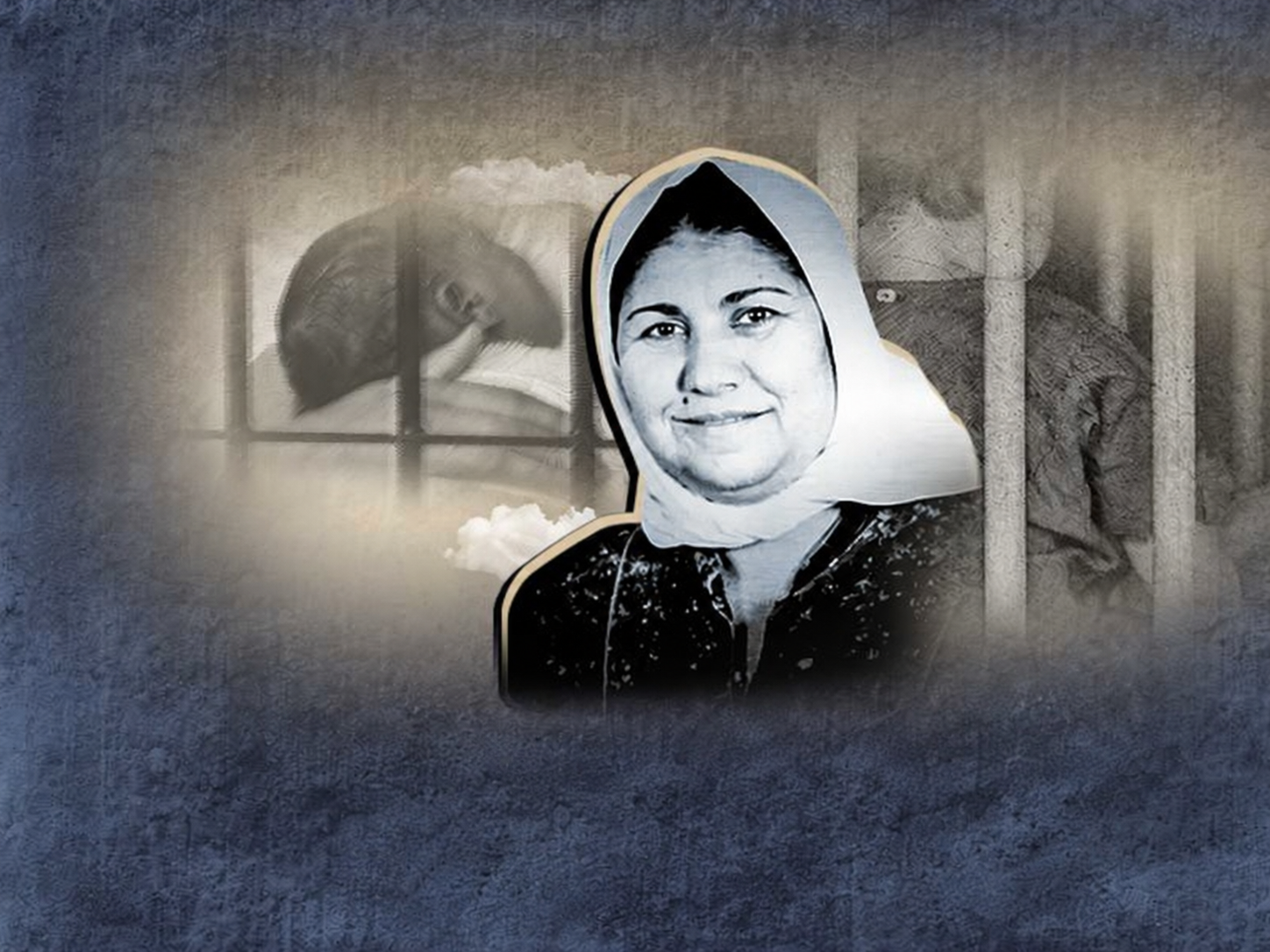
Omar al-Qasim (1941–1989), the “Mandela of Palestine,” was a Jerusalemite activist and leader of the Democratic Front for the Liberation of Palestine whom the occupation army captured in 1968. He spent 21 years in its prisons, refusing every bargain over his freedom, until he died in captivity on 4 June 1989 after years of deliberate medical neglect. He was prayed over at al-Aqsa Mosque and buried in the Bab al-Asbat cemetery in Jerusalem. [1] [2] [3]
Who was Omar al-Qasim?
Omar al-Qasim was a founder of the Palestinian prisoners’ movement; prisoners regarded him as their first “dean” and in 1988, after some twenty years in captivity, called him the “Mandela of Palestine” [1]. His comrades also called him “sheikh of the prisoners and thinkers” [3]. Former prisoner Abdel Nasser Farwana says: “Whoever does not know Omar al-Qasim does not know the national prisoners’ movement” [3].
Omar al-Qasim at a glance
| Item | Details |
|---|---|
| Name | Omar Mahmoud al-Qasim, “Mandela of Palestine” [1] [3] |
| Born | 13 November 1941, al-Sa’diyya quarter, Jerusalem’s Old City [1] [3] |
| Origins | Family from al-Tira near Haifa, later settled in Habla, Qalqilya district [3] [2] |
| Education | Al-Omariyya and al-Rashidiyya schools in Jerusalem; BA in English literature, University of Damascus (1964) [1] |
| Organisation | Arab Nationalists’ Movement, then the PFLP (1967), then the Democratic Front for the Liberation of Palestine (1969) [1] [2] |
| Captured | 28 October 1968, near Kafr Malik; sentenced to two life terms plus 27 years [1] [2] |
| Died | 4 June 1989, in captivity, after 21 years in prison [1] [3] |
| Buried | Bab al-Asbat cemetery, Jerusalem, after prayers at al-Aqsa Mosque (6 June 1989) [1] [2] |
Timeline
| Date | Event |
|---|---|
| 1941 | Born in al-Sa’diyya quarter, Jerusalem, on 13 November [1] |
| 1958 | Graduates from al-Rashidiyya school in Jerusalem [1] |
| 1964 | BA in English literature from the University of Damascus [1] |
| 1966 | Expelled from Jerusalem for political activity; moves to teach in Jenin [1] |
| 1967 | Joins the Popular Front for the Liberation of Palestine at its founding [1] [2] |
| 28 October 1968 | Captured after a firefight near Kafr Malik that lasted until his group ran out of ammunition [2] [1] |
| 1969 | Backs the founding of the Democratic Front from inside prison [1] [2] |
| 1970 and 1973 | Leads hunger strikes in Ashkelon (7 days) and Beersheba (24 days) [1] |
| 15 May 1974 | Flown by helicopter to Ma’alot; refuses to urge the fedayeen to surrender [3] [2] |
| 1985 | Excluded from the prisoner exchange [3] [1] |
| 1987 | Rejects an offer of conditional release [1] [2] |
| 4 June 1989 | Dies in captivity [1] [3] |
| 6 June 1989 | Prayers at al-Aqsa Mosque; burial in Bab al-Asbat cemetery [1] |
A son of Jerusalem: birth and upbringing
Omar Mahmoud al-Qasim was born on 13 November 1941 in the al-Sa’diyya quarter inside the walls of Jerusalem’s Old City, to a family of modest means [1] [3]. The family’s roots were in al-Tira near Haifa before it settled in Habla, Qalqilya district; his father, a bus driver, made Jerusalem his home, his mother came from the village of Salama, and the couple had nine children, six sons and three daughters, living in the Sheikh Jarrah neighbourhood [3]. His father opposed the British Mandate and the Zionist settler project [1].
More than thirty years after his death, in 2021, his family was among those threatened with expulsion from Sheikh Jarrah [1].
Teacher and activist
Omar al-Qasim studied at al-Omariyya school next to al-Aqsa Mosque and then al-Rashidiyya school, graduating in 1958, and earned a BA in English literature from the University of Damascus in 1964 [1]. He joined the Arab Nationalists’ Movement at seventeen and represented it in the Palestinian National Students’ Union, Syria branch [2] [1].
He taught at Abdullah bin al-Hussein Secondary School in Jerusalem until he was expelled from the city in 1966 for his political activity and moved to teach in Jenin [1].
Capture: Kafr Malik, 1968
After the 1967 defeat Omar al-Qasim joined the Popular Front for the Liberation of Palestine at its founding, was elected to its Central Committee in 1968 and took charge of the central sector in its military leadership [1] [2]. He believed in secret fedayeen cells spread inside Palestine [1].
On 28 October 1968 he crossed the Jordan River at the head of a fedayeen group, which was ambushed by occupation forces near Kafr Malik and fought until it ran out of ammunition; he was captured with his comrades [2] [1]. He was severely tortured under interrogation, and an Israeli military court sentenced him to two life terms plus 27 years [2] [1].
Months after his capture the left wing led by Nayef Hawatmeh split from the Popular Front and founded the Democratic Front for the Liberation of Palestine in February 1969; al-Qasim backed the split from his cell and became a DFLP leader and Central Committee member [1] [2].
In prison: building the prisoners’ movement
Omar al-Qasim was moved between the occupation’s prisons and spent long periods in solitary cells [2]. He helped build the core of the national prisoners’ movement, unifying prisoners’ demands and organising them against the prison administration [1]. He led hunger strikes, including in Ashkelon prison in 1970 (7 days) and Beersheba prison in 1973 (24 days) [1].
He taught fellow prisoners English, wrote studies on their conditions and on liberation movements around the world, and helped build political and organisational education inside the prisons [2] [3].
Ma’alot 1974: “Follow your leadership’s orders”
On 15 May 1974, Nakba Day, a DFLP fedayeen squad named the “Martyr Kamal Nasser Group” stormed a school building in Ma’alot (Tarshiha) in the Upper Galilee, holding students taking part in an Israeli Defence Ministry programme and demanding the release of 26 Palestinian prisoners [1] [3].
The prison authorities flew Omar al-Qasim and fellow prisoner Anis Dawla to the scene by helicopter and asked them to persuade the fedayeen to surrender, in exchange for reduced sentences [1] [3]. At the loudspeaker al-Qasim refused to call on them to surrender, telling them instead to follow their leadership’s orders and not to trust the occupation’s promises [3]. Soldiers beat him and returned him to solitary confinement [3] [2].
The operation ended with the three fedayeen killed and 27 of the students held killed; Al Jazeera’s encyclopedia says the fedayeen detonated explosives among the hostages [1]. Al-Qasim paid for his stand with extra years: the occupation excluded him from later prisoner exchanges, including the 1985 deal [1] [3].
“My personal fate does not matter to me”: refusing the bargain
In December 1987, as the First Intifada broke out, the occupation offered to free Omar al-Qasim and let him live in Jerusalem if he stopped his political activity in prison, condemned resistance attacks on occupation forces and recognised Israel [1]. Former Israeli president Yitzhak Navon brought the offer to the prison [2].
Al-Qasim refused, saying: “I have spent 20 years in detention, and my personal fate does not matter to me,” and vowing to continue the struggle until liberation [1] [2]. He chose to remain free in captivity.
Death in captivity: 4 June 1989
After his long years in prison Omar al-Qasim suffered several illnesses without proper medical follow-up, and the occupation’s prison service deliberately neglected his health and denied him his right to treatment [1] [2]. On 4 June 1989 he died in his cell after 21 years in captivity [1] [2] [3].
The PLO mourned him in a joint statement of its Executive Committee, the Democratic Front and the Supreme Military Council [4]. He had told his family: “If I am martyred, do not take a price for my martyrdom” [3].
The funeral from al-Aqsa Mosque
On 6 June 1989 thousands of Palestinians, joined by national and political leaders, followed Omar al-Qasim’s coffin; he was prayed over at al-Aqsa Mosque and buried in the Bab al-Asbat cemetery in Jerusalem [1] [2]. Marches and symbolic funerals were held across occupied Palestine [2].
Legacy
The DFLP’s armed wing bears his name: the “National Resistance Brigades – Martyr Omar al-Qasim Forces” [1] [2]. Al-Qasim remains a symbol for the thousands of Palestinian prisoners in the occupation’s jails and of the policy of medical neglect that still claims their lives [1].
The Palestinian Museum Digital Archive holds his memorial poster and the PLO’s statement on his death, as related by his sister Amal al-Qasim [4] [5].
Read also: Khaled Nazzal, the DFLP leader assassinated by the Mossad in Athens in 1986.
Video
Conclusion
Omar al-Qasim entered prison a young man of twenty-seven and left it a martyr 21 years later. Twice the occupation offered him his freedom: once if he would call on the fedayeen to surrender, once if he would abandon his cause. Both times he refused, choosing to remain free in captivity.
Frequently asked questions about Omar al-Qasim
Who was Omar al-Qasim?
A Jerusalemite activist and leader of the Democratic Front for the Liberation of Palestine who spent 21 years in Israeli prisons and was called the “Mandela of Palestine.”
Why was Omar al-Qasim called the Mandela of Palestine?
Because he spent more than twenty years in captivity, refused conditional release, and was a founder of the prisoners’ movement and its first “dean.”
When was Omar al-Qasim arrested?
On 28 October 1968, after a firefight with occupation forces near Kafr Malik.
When did Omar al-Qasim die?
On 4 June 1989, in captivity, after deliberate medical neglect.
What was Omar al-Qasim’s role in the Ma’alot operation?
The occupation flew him to the scene to persuade the fedayeen to surrender; he refused and told them to follow their leadership’s orders.
Where is Omar al-Qasim buried?
In the Bab al-Asbat cemetery in Jerusalem, after prayers at al-Aqsa Mosque.
What are the Martyr Omar al-Qasim Forces?
The armed wing of the Democratic Front for the Liberation of Palestine, fully named the “National Resistance Brigades – Martyr Omar al-Qasim Forces.”
Sources and references
Arabic-language sources are listed with translated titles.
- “The Martyr Omar al-Qasim: ‘Mandela of Palestine’,” Al Jazeera Encyclopedia, 4 March 2024.
- Abdelkader Ben Massoud, “Called ‘Mandela of Palestine’ and Died in Israeli Prisons: Who Was Omar al-Qasim?” Arabi Post, 2 December 2023.
- Ahmad Mahmoud al-Qasim (the martyr’s brother), “On the Martyrdom of National Leader Omar al-Qasim,” Diwan al-Arab, 21 May 2008.
- “Mourning Shaheed Omar al-Qasim, the PLO, 4 June 1989,” Palestinian Museum Digital Archive.
- “A Poster of Shaheed Omar al-Qasim, 4 June 1989,” Palestinian Museum Digital Archive.
Photo gallery


More from the archive
 Download Our Palestine App
The whole archive in the palm of your hand: depopulated villages, the Nakba, the massacres and Al-Aqsa — free, with no ads to erase the story.



Comments
No comments yet — be the first to write one.
Add your comment
Name and email are optional. Comments appear after review.