
Al-Buss Refugee Camp

Al-Buss Refugee Camp
Al-Buss Refugee Camp in Tyre, Lebanon: History, Villages of Origin and Life Today
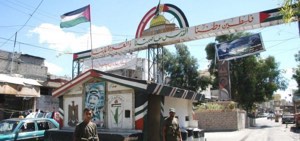
Al-Buss Camp lies at the entrance of Tyre in south Lebanon, beside the city's famous Roman archaeological site. Built by the French in 1939 for Armenian refugees and known as "the Mulberry Camp", it became home in the 1950s to Palestinians from the Acre district and the Galilee, from villages such as al-Zeeb, Mi'ar, al-Damun and al-Nahr. Today more than 11,000 registered refugees live on about 80 dunums. On 27 May 2026, as families gathered for Eid al-Adha, an Israeli strike hit three homes in the camp. This guide covers its history, origins, population, services and situation today.
Quick Facts About Al-Buss Camp
| Arabic name | مخيم البص |
|---|---|
| Other names | El Buss, al-Bass; "the Mulberry Camp" |
| Country | Lebanon |
| Location | Entrance of Tyre, about 1.5 km from the city |
| Established | (Armenians); Palestinians from the late 1940s–1950s |
| Area | About 80 dunums (0.08 km²) |
| Registered refugees (UNRWA) | More than 11,254 |
| Origin of residents | Acre district and the Galilee |
| UNRWA facilities | 4 schools, 1 health centre, women's centre |
| Access | A single entrance controlled by the Lebanese army |
The Nakba: Why Al-Buss Camp Exists
Al-Buss's Palestinian community was born from the Nakba (Arabic for "catastrophe"): the mass expulsion of Palestinians during the occupation of Palestine in , when roughly 750,000 Palestinians were driven from their homes. The coastal and hill villages of the Acre district, a few kilometres from the Lebanese border, were occupied in May and July 1948, and their people fled north into Lebanon.
At the entrance of Tyre stood a camp the French authorities had built in 1939 for Armenian refugees. From the late 1940s and through the 1950s Palestinian refugees from the Galilee settled there, and the Armenians were moved to Anjar in the Bekaa. UNRWA took over services for the camp, and refugees gradually replaced tents and huts with concrete-block homes, some of which they built themselves.
The Right of Return
The villages of al-Buss's families lie less than an hour's drive away, beyond a border they cannot cross. The right of return rests on several foundations in international law:
- UN General Assembly Resolution 194 (), paragraph 11, resolved that refugees wishing to return to their homes and live at peace with their neighbours should be permitted to do so at the earliest practicable date, and that compensation should be paid to those choosing not to return and for loss of or damage to property.
- The Universal Declaration of Human Rights (Article 13) affirms everyone's right to leave any country, including their own, and to return to it.
- UN General Assembly Resolution 3236 () reaffirmed the "inalienable right" of Palestinians to return to their homes and property.
History of the Camp
In 1963 some of al-Buss's refugees were moved to the new section of Rashidieh camp. Because of its small size and its location inside the city, al-Buss was, in UNRWA's words, "spared much of the violence" of the Lebanese civil war, unlike Rashidieh and Burj al-Shemali, which were heavily damaged in 1982 and in the War of the Camps. Its water, sewage and stormwater networks were rehabilitated in 2007–2008. During the war on south Lebanon in 2024, Tyre's camps saw their first large-scale displacement since 1982.
The 2026 War
When Israel intensified its war on Lebanon on , the Tyre camps came under repeated threats and strikes. On the evening of , as families gathered to celebrate Eid al-Adha, an Israeli air strike hit three family homes inside al-Buss. According to the camp's Popular Committee, two people were killed and several were missing; between 15 and 20 people were injured, many by flying glass and stone. The same day, the Israeli army ordered residents of south Lebanon to move north of the Zahrani River, naming Tyre and its camps, al-Buss, Burj al-Shemali and Rashidieh, and some residents received phone calls telling them to leave immediately. Many families fled. On 9 June 2026 a second strike hit the outskirts of the camp.
After a ceasefire in June 2026, life began to return. By mid-June dozens of displaced families had come back, and shopkeepers were cleaning and reopening their shops.
The Current Situation (2026)
The camp is recovering from the strikes of May and June 2026, with damaged homes, lost income and frayed nerves. Residents have called on UNRWA and the authorities to step up relief, but the agency's funding crisis has cut services across Lebanon. Unemployment was already high before the war, and Palestinians in Lebanon remain barred from more than 70 professions. The camp has a single entrance and exit, with movement subject to Lebanese army procedures.
Origin of the Name
The camp takes its name from the al-Bass area at the entrance of Tyre, known for its archaeological site. It was also nicknamed "the Mulberry Camp" (مخيم التوت) because the Armenian refugees planted many mulberry trees there.
Location and Geography
Al-Buss lies at the entrance of Tyre on the Mediterranean coast, about 1.5 km from the city, on the main road south. It sits beside Tyre's al-Bass archaeological site, with its Roman necropolis, monumental arch and hippodrome. It is the smallest of the three UNRWA camps in the Tyre area, alongside Rashidieh and Burj al-Shemali.
Area and Layout
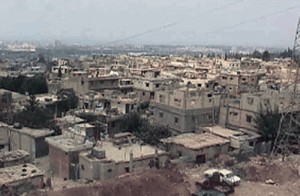
The camp covers about 80 dunums (0.08 km²) of privately owned land leased to UNRWA. Its narrow lanes are often dark and damaged, and buildings are packed closely together.
Villages of Origin
Most families come from villages of the Acre district and the Galilee, as well as the city of Haifa. Among the villages named in the sources:
Population and Demographics
UNRWA counts registered refugees; the camp is also home to Palestinian refugees from Syria and others.
| Year | Registered refugees | Source |
|---|---|---|
| 1995 | 8,135 | UNRWA, via Mokhayyam |
| 2003 | 9,951 | UNRWA, via Mokhayyam |
| 2005 | 9,287 | UNRWA, via Mokhayyam |
| 2010 | About 10,000 | UNRWA, via Mokhayyam |
| 2012 | About 12,000 residents | Census, via Mokhayyam |
| Current | More than 11,254 | UNRWA |
Housing and Infrastructure
Residents live in concrete-block shelters, some built by the refugees themselves. UNRWA rehabilitated the water, sewage and stormwater networks in 2007–2008, but tap water in parts of the camp is not drinkable, many homes are unsafe, and UNRWA's repair programme reached only a fraction of the shelters in need, about 52 of more than 300, according to Mokhayyam.
Economic Life
Residents work mainly in seasonal agriculture and construction, crafts, workshops and small shops, and a few work for UNRWA. A 2010 UNRWA survey put unemployment at 56%, with poverty at about 67%. UNRWA provides microfinance, social safety-net and relief services in the camp.
Health Services
UNRWA runs a health centre in the camp. There is also a Palestinian Red Crescent clinic, the Hamza medical centre, a pharmacy and a psychological support clinic, and Tyre Government Hospital is nearby. Clinics lack doctors and modern equipment, and UNRWA offers disability services.
Education and Community
UNRWA runs four schools for the camp, including Nimrin, al-Shajara and Deir Yassin Secondary School, named after Palestinian villages. Classes are crowded, with around 38 pupils. Several kindergartens, vocational training, the UNRWA women's centre, the Women's Charitable Association's centre for people with disabilities and the Edward Said Cultural Centre serve the community, but the camp has no public library or large youth centre.
Frequently Asked Questions About Al-Buss Camp
Where is al-Buss camp located?
At the entrance of Tyre in south Lebanon, about 1.5 km from the city, beside Tyre's Roman archaeological site.
When was al-Buss camp established?
The French built it in 1939 for Armenian refugees. Palestinians from the Galilee settled there from the late 1940s and 1950s, and the Armenians were moved to Anjar.
Where do al-Buss's refugees come from?
Mainly from villages of the Acre district, including al-Zeeb, Mi'ar, al-Damun, al-Nahr and Umm al-Faraj, as well as Haifa and Galilee towns such as Kafr Kanna and al-Jish.
How many people live in al-Buss camp?
UNRWA counts more than 11,254 registered refugees in the camp.
What happened in al-Buss in May 2026?
On 27 May 2026, during Eid al-Adha, an Israeli strike hit three homes in the camp, killing at least two people and injuring 15–20, and Israel ordered the evacuation of Tyre and its camps.
Conclusion
Al-Buss began as a camp of mulberry trees for Armenians fleeing massacre, and became home to Palestinians from al-Zeeb, Mi'ar and al-Damun. Small and tucked against Tyre's Roman ruins, it escaped the worst of Lebanon's civil war, but not the Eid evening of 2026 when bombs fell on its homes. Its people returned to their lanes once again, still holding to the right to return to the villages of the Galilee.
More from the archive

 Download Our Palestine App
The whole archive in the palm of your hand: depopulated villages, the Nakba, the massacres and Al-Aqsa — free, with no ads to erase the story.
Download Our Palestine App
The whole archive in the palm of your hand: depopulated villages, the Nakba, the massacres and Al-Aqsa — free, with no ads to erase the story.



Comments
No comments yet — be the first to write one.
Add your comment
Name and email are optional. Comments appear after review.