
Jisr al-Basha Refugee Camp
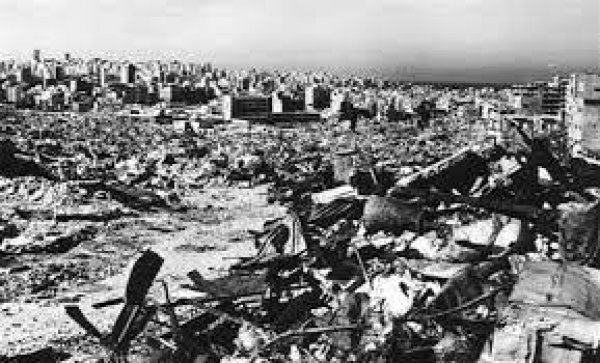
Jisr al-Basha Refugee Camp in Beirut: The Christian Palestinian Camp Destroyed in 1976
Jisr al-Basha Camp was a Palestinian refugee camp on the eastern edge of Beirut, in the Metn area next to Tel al-Zaatar. Founded in 1952 on about 22,000 m², it sheltered around 3,000 refugees, most of them Palestinian Christians, largely Catholics, expelled from Haifa, Jaffa and Acre in the 1948 Nakba. Besieged by right-wing Lebanese militias from January 1976, it fell on 29 June 1976; about 200 of its people were killed and the camp was razed. It is one of three official camps in Lebanon destroyed during the war and never rebuilt. This guide covers its history, origins, fall and legacy.
Quick Facts About Jisr al-Basha Camp
| Arabic name | مخيم جسر الباشا |
|---|---|
| Country | Lebanon |
| Location | Eastern edge of Beirut, Metn area, next to Tel al-Zaatar |
| Established | |
| Area | About 22,000 m² |
| Population in 1976 | About 3,000 |
| Origin of residents | Haifa, Jaffa and Acre |
| Community | Mostly Palestinian Christians, largely Catholics |
| Fell | |
| Status | Destroyed; never rebuilt |
The Nakba: Why Jisr al-Basha Camp Existed
Jisr al-Basha was born from the Nakba (Arabic for "catastrophe"): the mass expulsion of Palestinians during the occupation of Palestine in , when roughly 750,000 Palestinians were driven from their homes. Among them were thousands of Christians from the coastal cities of Haifa, Jaffa and Acre, who fled to Lebanon in 1948.
A group of Catholic refugee families first sheltered in a property in Azarieh, in the Furn el-Chebbak area of Beirut. When the owner sold the building, the Lebanese government and UNRWA agreed to rent a plot of land at Jisr al-Basha for them, and the camp was established there in 1952.
The Right of Return
Jisr al-Basha's people lost two homes: the cities they were driven from in 1948, and the camp that was erased in 1976. The right of return rests on several foundations in international law:
- UN General Assembly Resolution 194 (), paragraph 11, resolved that refugees wishing to return to their homes and live at peace with their neighbours should be permitted to do so at the earliest practicable date, and that compensation should be paid to those choosing not to return and for loss of or damage to property.
- The Universal Declaration of Human Rights (Article 13) affirms everyone's right to leave any country, including their own, and to return to it.
- UN General Assembly Resolution 3236 () reaffirmed the "inalienable right" of Palestinians to return to their homes and property.
History of the Camp (1952–1975)
Jisr al-Basha was one of 15 official UNRWA camps in Lebanon at the start of the 1970s, and one of two in the Christian-majority eastern suburbs of Beirut, alongside Dbayeh, whose residents were also Palestinian Christians. It lay beside the much larger Tel al-Zaatar camp, and the two camps shared services: UNRWA's main clinic near the Mkalles roundabout served refugees from both.
The Siege and Fall of 1976
When the Lebanese civil war broke out in 1975, the camps of East Beirut found themselves inside areas controlled by right-wing Christian militias, which pursued a policy of emptying the eastern and northern parts of the city of Palestinians. In , militias of the Lebanese Front, including the Kataeb Party, the Tigers militia of the National Liberal Party, the Zgharta Liberation Army and the Guardians of the Cedars, imposed a siege on Jisr al-Basha and Tel al-Zaatar.
On , the camp's defences collapsed and the militias stormed it. According to Our Palestine (pal48), about 200 people were killed, among them unarmed men, and women were subjected to sexual violence. The camp was then levelled. Its surviving residents fled, mostly into East Beirut.
The siege of neighbouring Tel al-Zaatar continued until it fell on 12 August 1976, in the Tel al-Zaatar massacre. Read more in our article on the Jisr al-Basha massacre.
Aftermath and Legacy
Jisr al-Basha was never rebuilt. Together with Tel al-Zaatar and Nabatieh camp, it is one of three official camps in Lebanon destroyed between 1974 and 1976, reducing the number of official camps to the twelve UNRWA serves today. No one was held accountable for the killings, particularly after Lebanon's 1991 general amnesty law. The Higher Presidential Committee for Church Affairs in Palestine has highlighted the fate of the camp as part of the history of Palestinian Christian refugees, reporting that 158 Palestinian Christians were killed in the 1976 attacks on the East Beirut camps.
Its People Today (2026)
The camp's survivors and their descendants are scattered across Beirut, other camps and gatherings in Lebanon, and countries abroad. They share the conditions of Palestinian refugees in Lebanon, who are barred from more than 70 professions and remain dependent on UNRWA's shrinking services. Since , Israel's intensified war on Lebanon, with evacuation orders for the south and Beirut's southern suburbs, has added a new layer of displacement for Palestinians in the country.
Origin of the Name
The camp took its name from the area of Jisr al-Basha ("the Pasha's Bridge"), on the eastern edge of Beirut, where the land was rented for it. The Mokhayyam encyclopedia also lists it under the name "Mazal".
Location and Area
The camp lay in the eastern suburbs of Beirut, in the Metn area, directly beside Tel al-Zaatar. It covered about 22,000 m² of rented land.
Cities of Origin and Community
Most residents came from the cities of Haifa, Jaffa and Acre. The community was overwhelmingly Christian, mostly Catholic, and the camp had its own church, one of at least six churches in Lebanon identified as Palestinian. Palestinian Christian refugees in Lebanon belonged to several denominations, including Greek Catholic, Greek Orthodox, Latin, Maronite and Armenian.
Population
Few figures survive for the camp.
| Year | Figure | Source |
|---|---|---|
| 1952 | Camp established on about 22,000 m² | Our Palestine; Mokhayyam |
| 1976 | About 3,000 residents | Higher Presidential Committee for Church Affairs |
| 1976 | About 200 killed in the fall of the camp | Our Palestine |
| 1976 | 158 Palestinian Christians killed in attacks on the East Beirut camps | Higher Presidential Committee for Church Affairs |
Life in the Camp
As an UNRWA camp, Jisr al-Basha received the agency's education, health and relief services, with its residents using UNRWA's clinic near Mkalles that also served Tel al-Zaatar. Its small size and Christian community set it apart from most camps in Lebanon, but its residents shared the same legal restrictions and the same memories of the cities they had lost.
Frequently Asked Questions About Jisr al-Basha Camp
Where was Jisr al-Basha camp?
On the eastern edge of Beirut, in the Metn area of Lebanon, directly beside Tel al-Zaatar camp.
Who lived in Jisr al-Basha camp?
About 3,000 Palestinian refugees, most of them Christians, largely Catholics, from Haifa, Jaffa and Acre.
When did Jisr al-Basha camp fall?
It was besieged from January 1976 and fell to right-wing Lebanese militias on 29 June 1976, about six weeks before Tel al-Zaatar.
How many people were killed in Jisr al-Basha?
About 200 people were killed when the camp fell, according to Our Palestine (pal48).
Does Jisr al-Basha camp still exist?
No. It was razed in 1976 and never rebuilt. It is one of three official camps in Lebanon destroyed during the war, with Tel al-Zaatar and Nabatieh.
Conclusion
Jisr al-Basha was a small camp of Christian families from Haifa, Jaffa and Acre, who found a second home on rented land at the edge of Beirut. In the summer of 1976 that home was besieged, stormed and wiped off the map, weeks before its neighbour Tel al-Zaatar met the same fate. Nothing of the camp remains, but its story is part of the Palestinian refugee experience in Lebanon, and its people's right to return to their cities remains.
More from the archive

 Download Our Palestine App
The whole archive in the palm of your hand: depopulated villages, the Nakba, the massacres and Al-Aqsa — free, with no ads to erase the story.
Download Our Palestine App
The whole archive in the palm of your hand: depopulated villages, the Nakba, the massacres and Al-Aqsa — free, with no ads to erase the story.



Comments
No comments yet — be the first to write one.
Add your comment
Name and email are optional. Comments appear after review.