Palestinian Education Before 1948: Schools, Teachers, and Learning in Palestine Before the Nakba
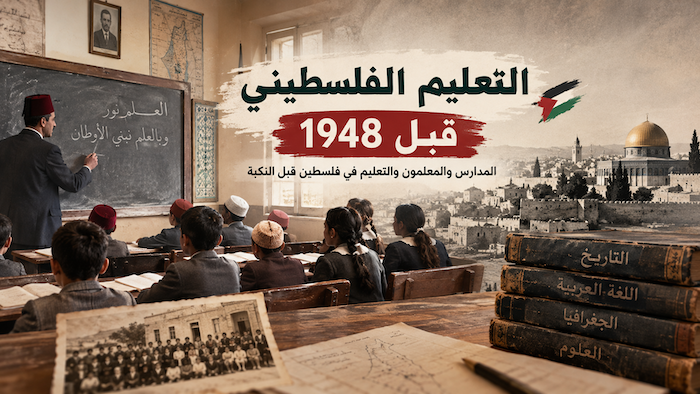
Palestinian Education Before 1948: Schools, Teachers, and Learning in Palestine Before the Nakba
How Palestinians built their schools with their own hands and money, how education grew from the kuttab and the Ottoman rushdiyya schools to secondary schools and the Arab College in Jerusalem, and what these schools reveal about the Palestinian society that existed before the Nakba.
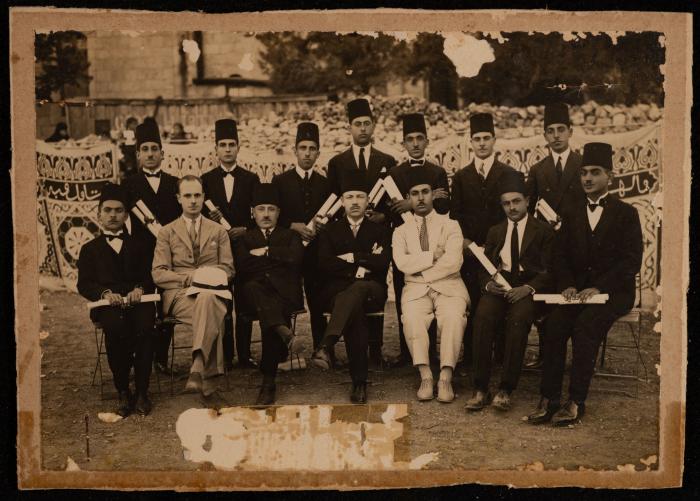
When we talk about Palestine before the Nakba, the picture usually turns to cities and villages, markets, orange groves and ports, and then jumps straight to the events of 1948. But one essential part of Palestinian life deserves a closer look: education.
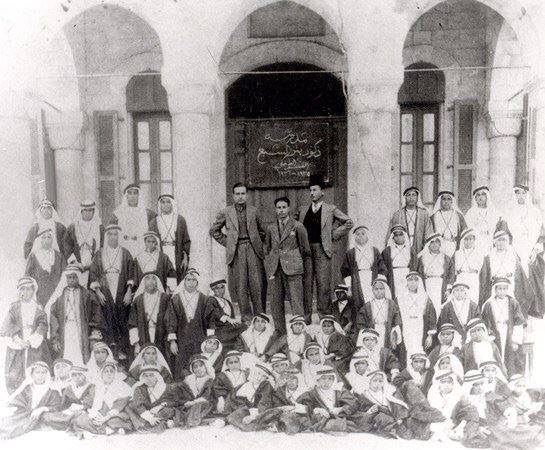
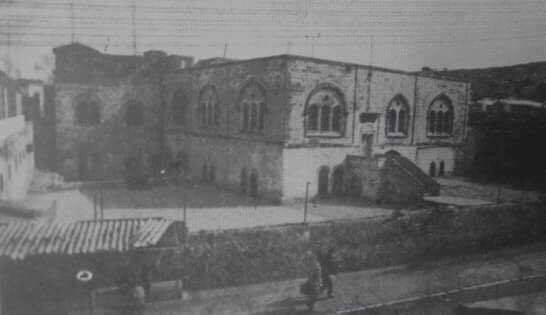
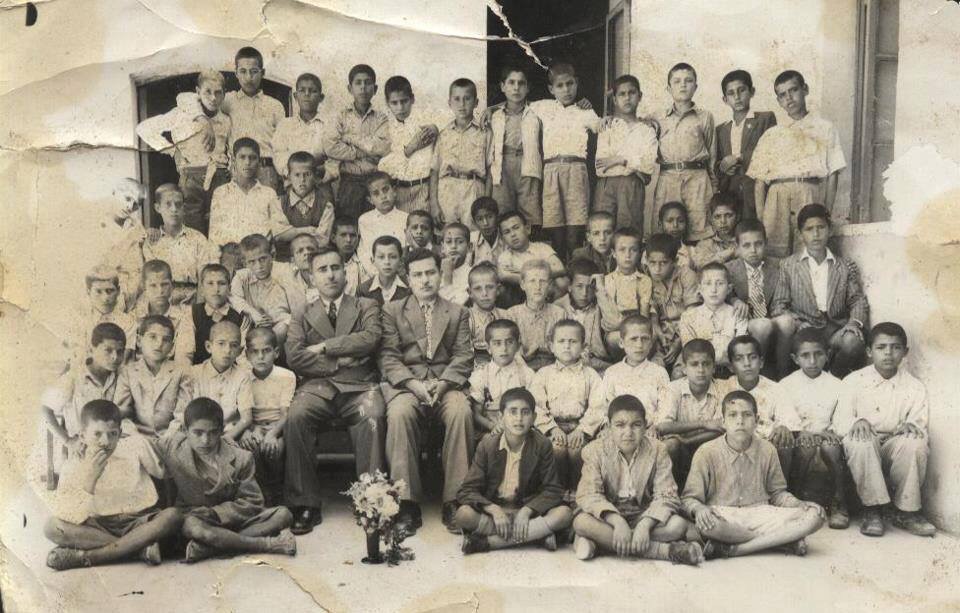
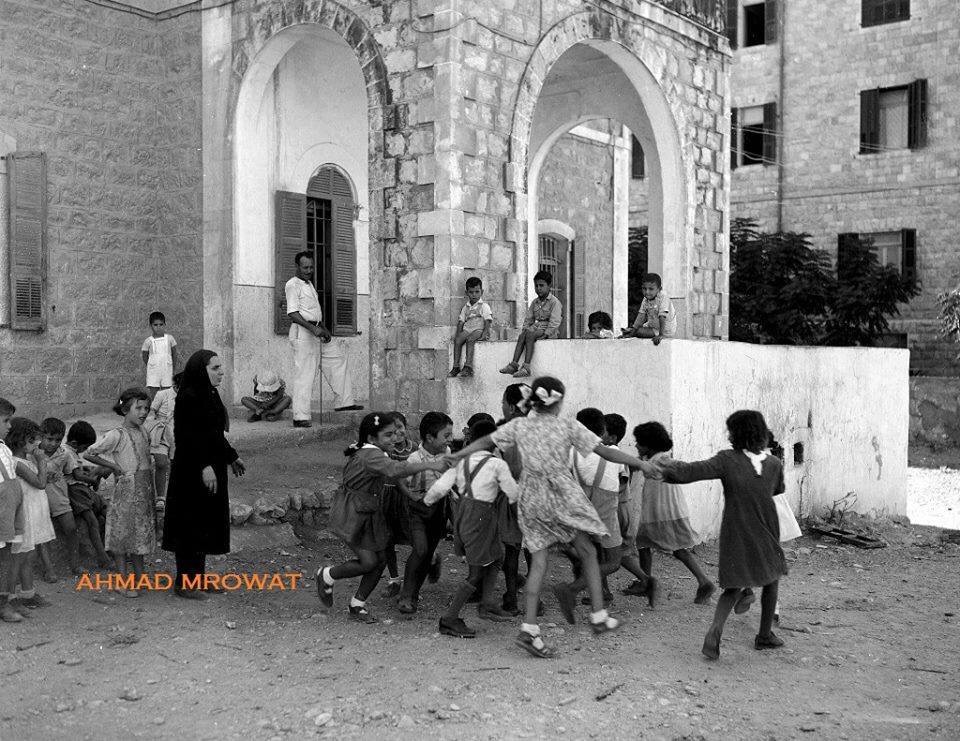
Education in Palestine before 1948 was not just a handful of government schools in the cities. It was a wide and varied network of government, private, religious and municipal schools, schools founded by local communities, and specialized institutions for teacher training, secondary education and post-secondary study.
Palestinians themselves were central to building this network. In the villages, families donated land and money to build schools and pay teachers' salaries. In the cities, municipalities and religious and national institutions founded their own schools, while advanced institutions such as the Arab College in Jerusalem emerged.
Yet the growth of education did not mean the system met society's needs. In the final years of the Mandate, a large number of children remained out of school, and the gap was widest in the countryside and among girls. The British Royal Commission itself acknowledged this in its 1937 report to Parliament, stating that after seventeen years of Mandate rule the government system could:
"...meet only half of the Arab demand for education"
So what was Palestinian education like before the Nakba? What were Palestinian schools like before 1948? What was the state of education in Jerusalem, Jaffa, Haifa, Gaza and the villages? And were there Palestinian universities before 1948?
Education in Palestine Before the British Mandate
The roots of education in Palestine go far deeper than the modern era. In his book Palestine Across Millennia: A History of Literacy, Learning and Educational Revolutions, the Palestinian historian Nur Masalha traces archaeological evidence of clay tablets used to teach reading and writing in the 15th and 14th centuries BCE, at sites near Nablus and in Jericho. He also recalls that Byzantine Gaza was home to one of the most important schools of rhetoric in the world. Responding to a narrative that portrays Palestinians as an illiterate people without a written culture, Masalha writes:
"Palestinian learning and scholarship are deeply rooted in the distant past"
Masalha argues that what he calls the "educational and school revolution" in modern Palestine began in the 1860s and 1870s, continued until the end of the Mandate, and was cut off abruptly by the Nakba.
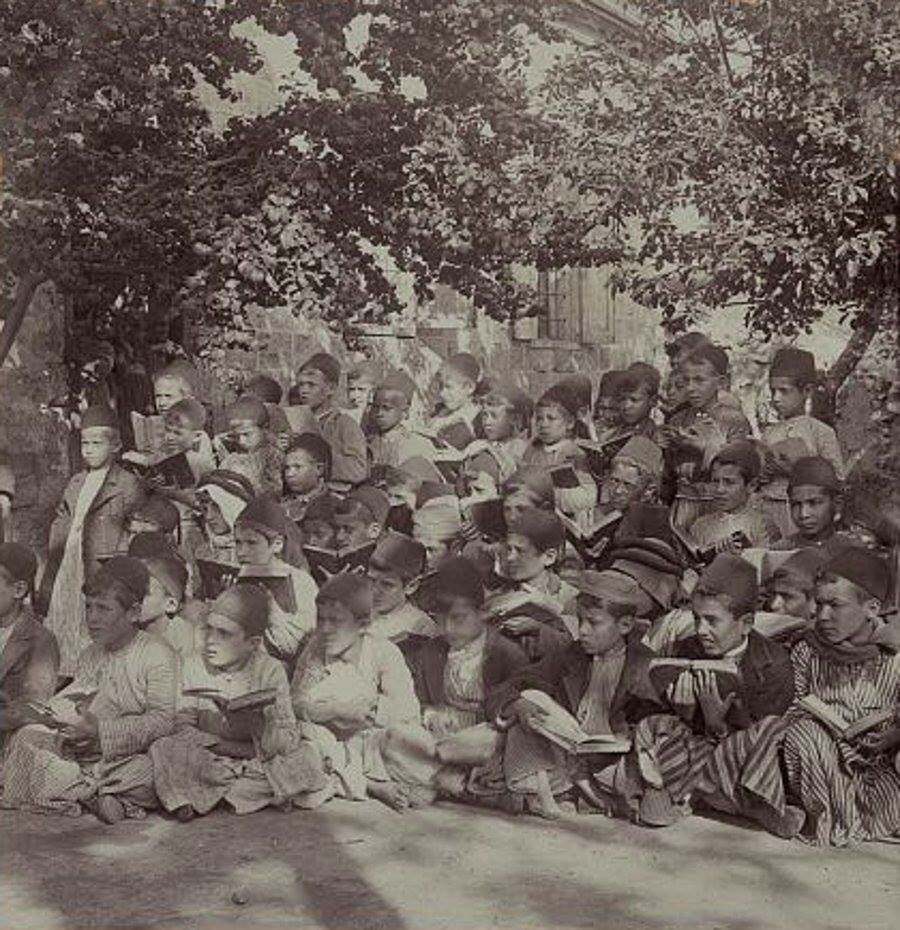
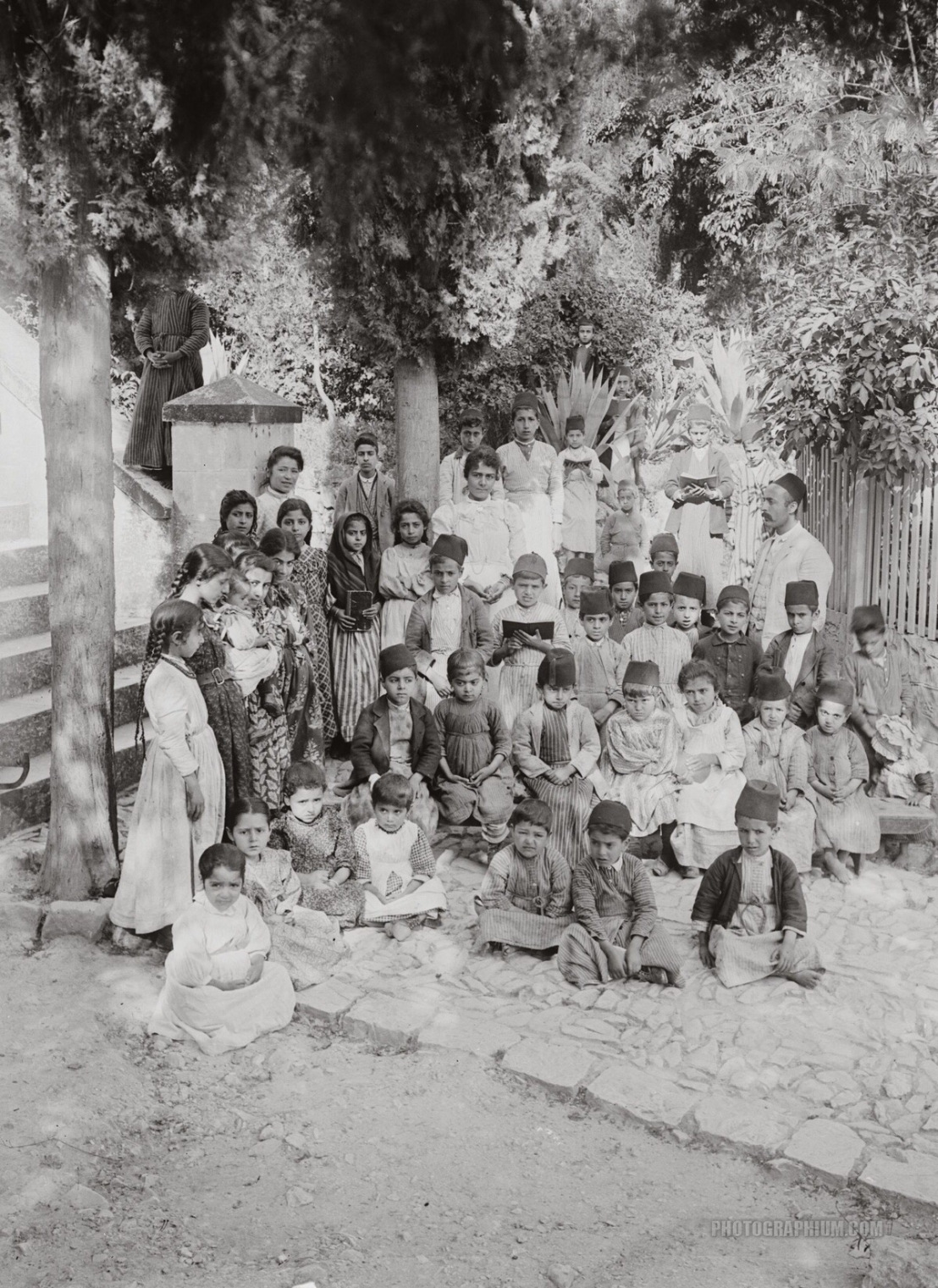
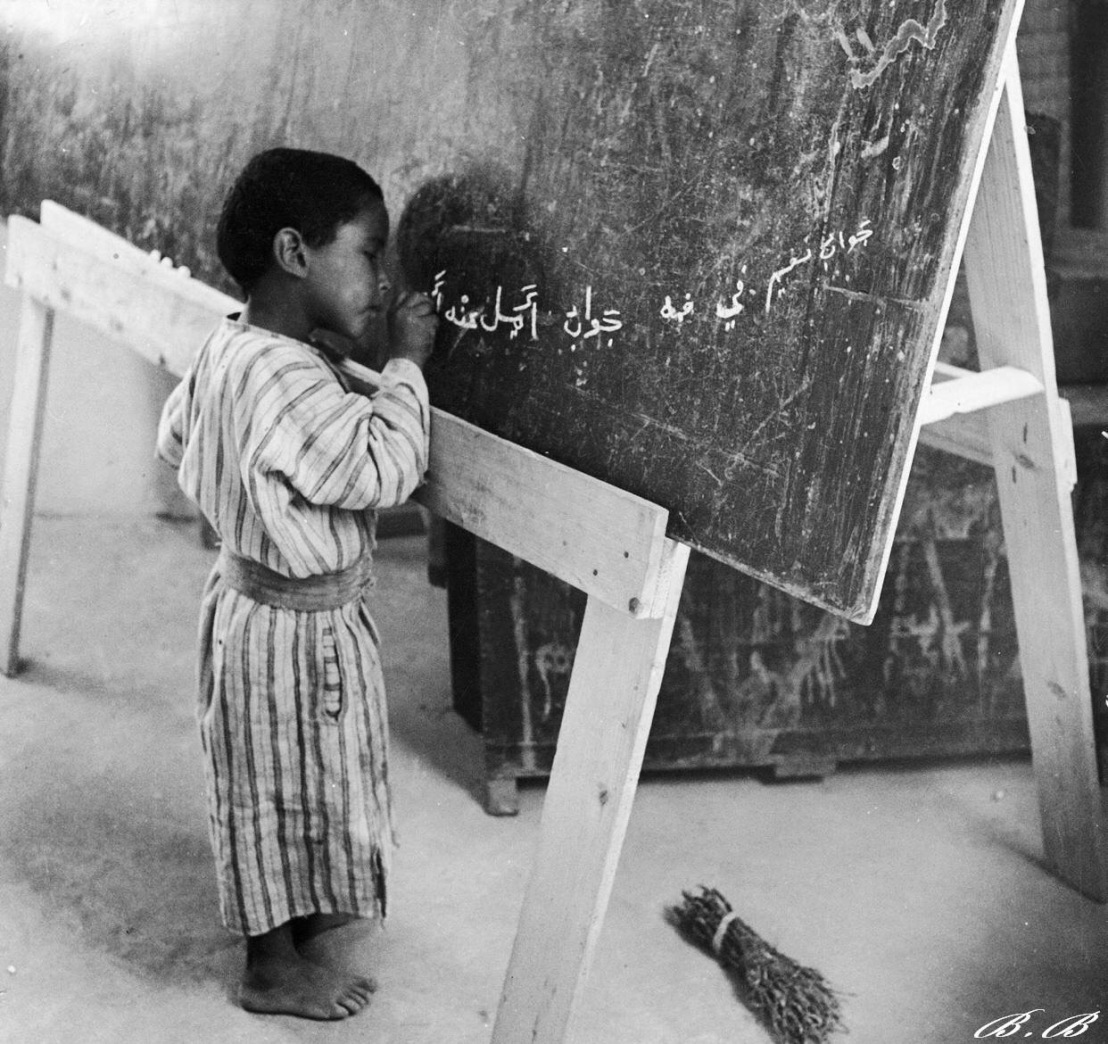
Modern education in Palestine did not begin with the British Mandate. Under Ottoman rule, towns and cities had the kuttab, which taught the Quran and the basics of reading and writing, followed by the rushdiyya schools that spread to district centers with the Ottoman reforms of the 19th century.
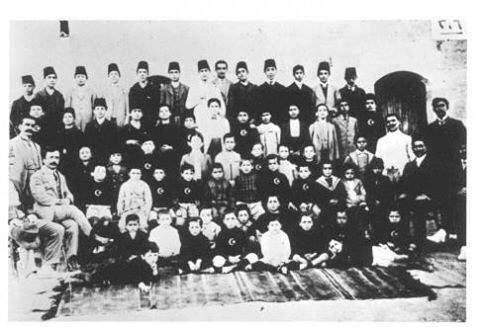
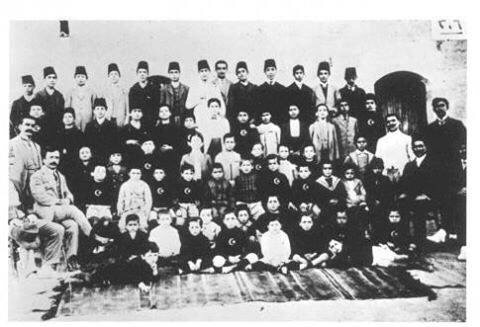
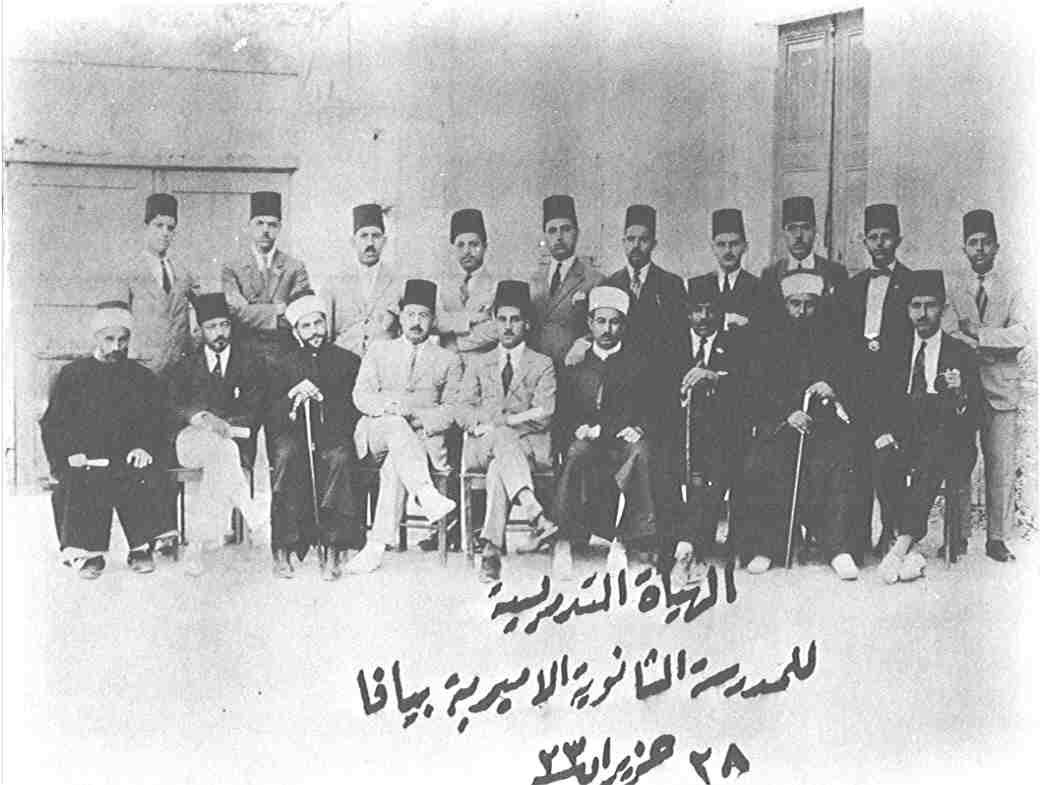
In Jerusalem, the government preparatory school developed during the First World War into a full secondary school known as the Sultaniyya School, one of the highest institutions of official education in Palestine at the time. Turkish was the main language of instruction in Ottoman government schools.
Alongside government schools, religious institutions and foreign missions founded schools in a number of Palestinian towns and cities. In Ramallah, Birzeit and elsewhere, schools linked to Christian institutions and educational missions appeared, while Islamic and local institutions maintained their own presence in education.
Private national education was an important part of this landscape. In Jerusalem, the educator Khalil al-Sakakini founded the Dusturiyya (Constitutional) School in 1909. He adopted teaching methods that broke with traditional ones, emphasized sports, music and school activities, and made Arabic central to learning. His Jerusalemite student Wasif Jawhariyyeh wrote of him in his memoirs:
"He taught us Arabic in a way the students loved"
The shift from traditional to modern education did not happen in a single moment. It was the product of an accumulation of institutions, schools, teachers and community initiatives stretching from the Ottoman period into the Mandate era.
Education in the Early Years of the British Mandate
After British forces entered Palestine, education first continued under military administration, then passed to civil administration with the establishment of the Mandate government. The Department of Education became the body overseeing official education.
In Jerusalem, the Teachers' Training College (Dar al-Mu'allimin) was founded during the transitional period before the civil administration was fully in place, and teacher training institutions developed over the following years. One of the most prominent figures of this period was Khalil al-Sakakini, who headed the Teachers' Training College in 1919 and 1920, later worked as a school inspector, and went on to head al-Nahda College, which he founded in Jerusalem in the late 1930s and which became one of the most important Palestinian Arab institutions before 1948.
The early Mandate years also saw debate over curricula, textbooks and the nature of Arab education. As the civil administration settled, Arabic became the main language of instruction in Arab education, replacing Turkish, which had been the language of official teaching in Ottoman government schools.
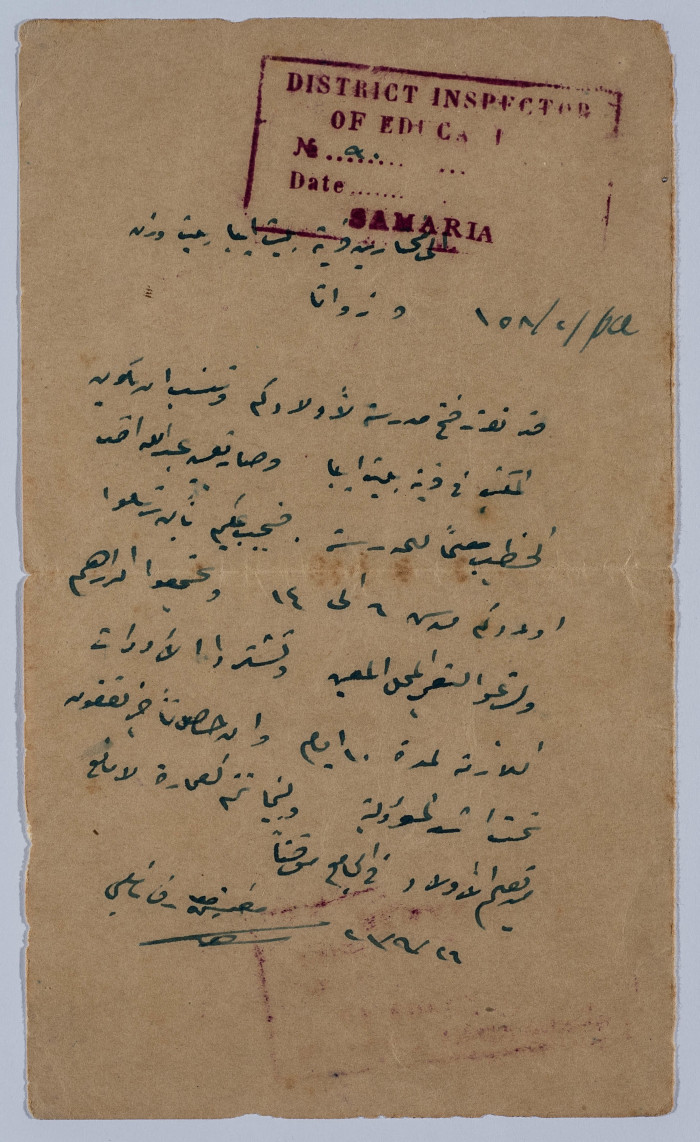
This document reveals an important aspect of how education spread in the villages: the school was not separate from the local community. It served several villages at once, and was sometimes opened in response to families demanding education for their children.
How Did the Arab Education System Work Before 1948?
In the final years of the Mandate, official Arab education consisted mainly of two stages:
- Elementary stage: seven years, with children usually admitted to first grade between the ages of six and seven.
- Secondary stage: four years, in schools that offered a complete secondary education.
But this structure on paper was not available to every child. In the 1945/1946 school year, there were 125 complete seven-year government elementary schools, while only four schools had reached full secondary grades by 1946/1947, rising to 12 schools in 1947/1948.
Even so, the statistics show a major expansion of official Arab education during the Mandate period.
| School year | Schools | Boys | Girls | Total |
|---|---|---|---|---|
| 1919/1920 | 171 | 8,419 | 2,243 | 10,662 |
| 1930/1931 | 308 | 19,346 | 4,942 | 24,288 |
| 1935/1936 | 384 | 33,053 | 9,712 | 42,765 |
| 1940/1941 | 403 | 42,661 | 11,984 | 54,645 |
| 1945/1946 | 514 | 64,536 | 16,506 | 81,042 |
Source: Government of Palestine, Department of Education, and Mustafa Murad al-Dabbagh, as cited by the Palestinian National Information Center (WAFA) (in Arabic).
The number of Arab government schools thus rose from 171 in 1919/1920 to 514 in 1945/1946, and enrollment grew from 10,662 to 81,042 students.
Examination records for 1945 show that 86% of Arab candidates obtained one of the official certificates, according to the table published in Department of Education data, compared with 62% of Jewish candidates. This figure should be read in light of the number of candidates and the type of certificate, and does not mean that Arab students outperformed in every aspect of the education system.
Government, Private and Religious Schools
Government schools were not the only ones educating Palestinians. Alongside them stood a large sector of non-government schools, including schools of the Supreme Muslim Council, Christian schools of various denominations, and schools run by societies and private national institutions.
In the 1945/1946 school year, there were 313 non-government Arab schools with 43,885 students.
| Total | 313 | 43,885 |
|---|---|---|
| Type of school | Schools | Students |
| Catholic schools | 113 | 18,593 |
| Other non-government schools | 120 | 12,626 |
| Protestant schools | 30 | 5,023 |
| Orthodox schools | 30 | 4,184 |
| Supreme Muslim Council schools | 11 | 2,023 |
| Other Christian schools | 9 | 1,436 |
Prominent private national schools included Rawdat al-Ma'arif in Jerusalem, al-Najah College in Nablus, al-Nahda College, al-Ibrahimiyya College and al-Umma School in Jerusalem, the Orthodox College and al-Thaqafa School in Jaffa, Gaza College, and the national schools of Birzeit.
This diversity is key to understanding Palestinian society before 1948: education was not a government institution alone. Municipalities, religious institutions, societies, individuals and local communities all took part in it.
The Palestinian Village and Its School
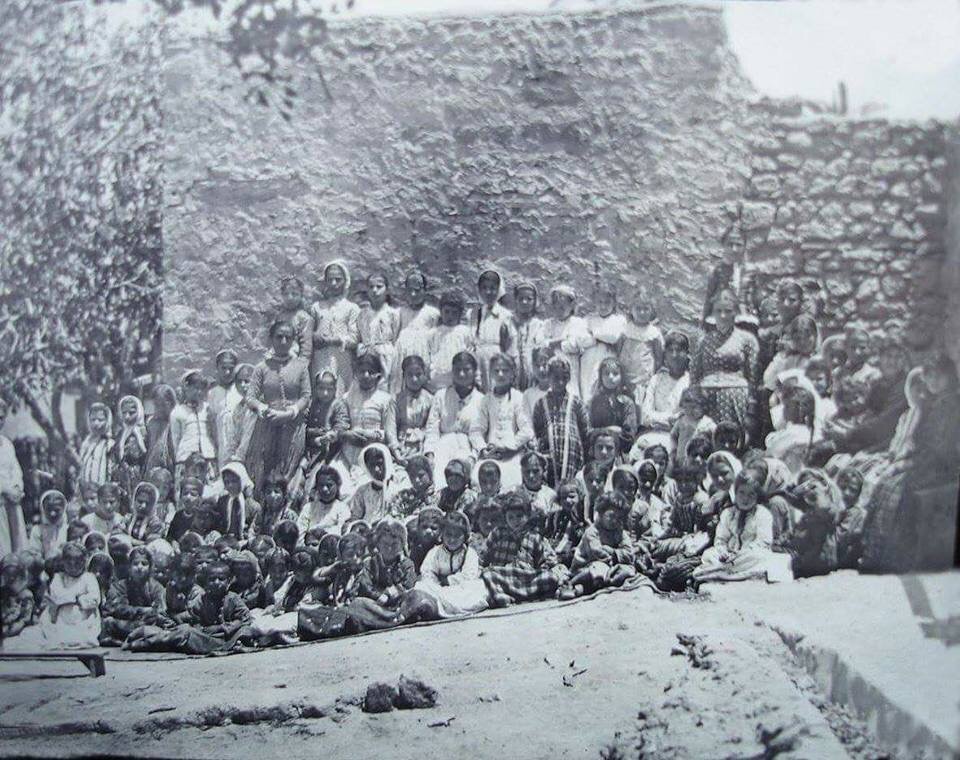
Palestinian education before the Nakba cannot be understood by looking only at Jerusalem, Jaffa and Haifa. The Palestinian village was an essential part of the educational landscape, even if schooling there was less widespread and less complete than in the cities.
More importantly, villagers were not mere recipients of a government service; they took a direct part in founding and funding schools. Between April 1941 and August 1945, villagers donated about 325,120 Palestinian pounds to their village schools, of which 121,395 pounds were spent on school buildings.
Sources recount that in some villages a school would open before a permanent building existed. Classes were held in a room, a mosque, a tent or another temporary space until the villagers could build a proper school.
The government justified the shortage of education funding by saying most of the budget went to security. Sources record a famous reply:
"Give us political security, and take public security from us"
Village records reveal clear disparities in the level of schooling. In the Acre district there were 30 village schools in 1942/1943, only four of them complete elementary schools. In the Nablus district there were 37 schools for 130 villages in 1944/1945: 35 for boys and only two for girls.
In the Ramla district, which had 70 villages, schools existed in 32 villages in 1945/1946. Yibna and Zarnuqa were among the villages whose schools reached the full elementary level, while many other village schools stopped at the fourth or fifth grade.
These figures do not mean that villages were indifferent to education. In many cases they show the opposite: popular demand for education was greater than the official system's ability to meet it.
In 1946, 248 schools taught agriculture on school land, and the libraries of 158 village schools held some 34,310 books. This shows that some rural schools were more than places to learn reading and writing; they tried to connect education to the agricultural and social life of the village.
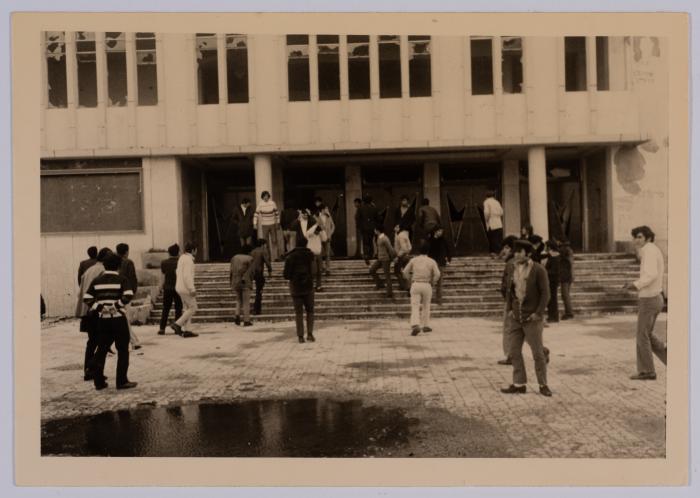
The School and the Palestinian Village
The school was part of the village's social fabric. The teacher was often a well-known figure in the local community, and the school became a place for learning, reading and cultural activity, and sometimes a source of books for the villagers.
This is why documenting old schools adds an important layer to documenting Palestinian villages. A village's record is not complete with its population, houses and lands alone; it can also include its school, its number of students, its teachers and the grades it offered.
Girls' Education in Palestine Before 1948
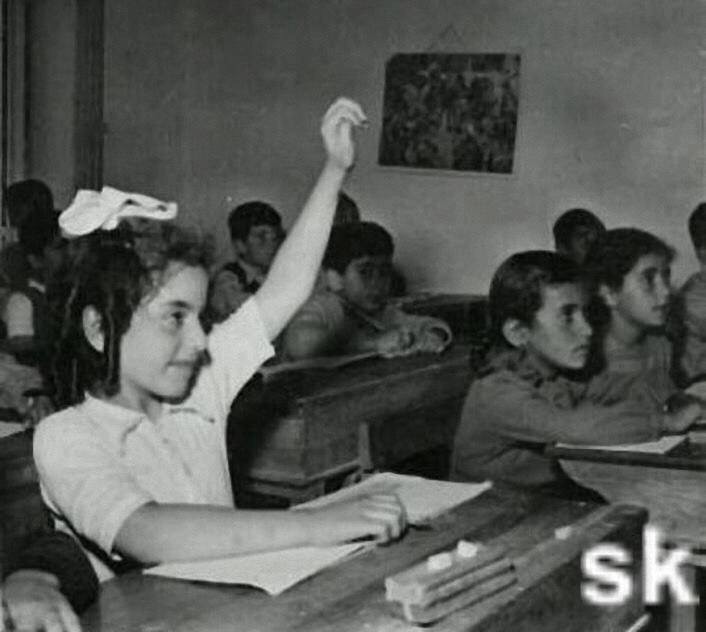
Girls' education expanded gradually during the Mandate, but it remained behind boys' education, especially in the countryside. In 1945/1946, there were 16,506 girls in government schools compared with 64,536 boys, and the villages had only 55 government girls' schools.
The Anglo-American Committee of Inquiry noted this gap in 1946, writing about the poorer classes in the towns and almost every Arab village:
"Only one girl in eight is now receiving education"
The data show that the gap was widest in rural areas, while some Palestinian cities developed broader networks of girls' schools thanks to government, private and denominational schools.
In the cities, girls' enrollment rose noticeably in some educational centers. In Jerusalem, for example, the recorded ratio of schoolgirls to school-age girls reached 85% in one survey, while in Bethlehem it exceeded 100%, because the town's schools also took in girls from surrounding villages.
The Women's Teacher Training College in Jerusalem
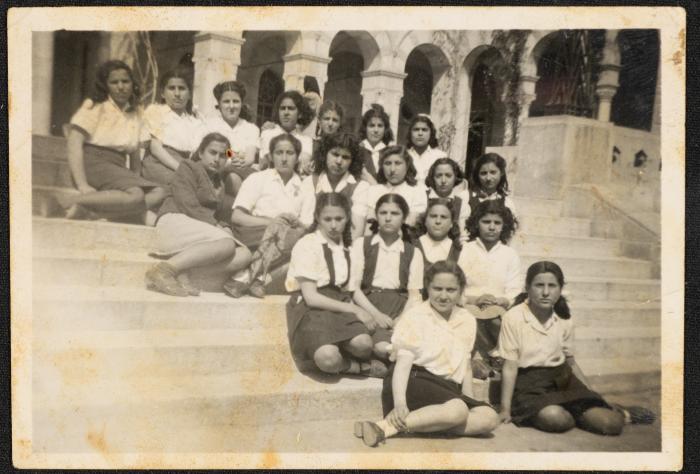
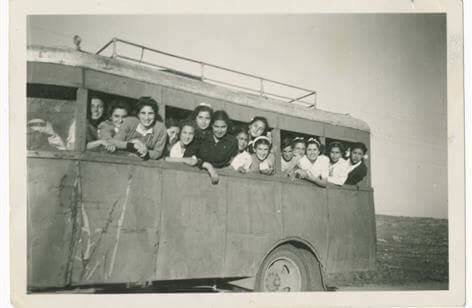
The Women's Teacher Training College (Dar al-Mu'allimat) was founded in Jerusalem in 1919. It offered four secondary years and one year of training to prepare women to teach in elementary schools.
It began with 23 students and reached 104 in the 1945/1946 school year. Hundreds of women teachers graduated from it and went on to work in girls' schools.
In November 1935, the Rural Women's Teacher Training College was founded in Ramallah to prepare teachers for rural girls' schools, reflecting a growing recognition by society and government of the need for women teachers able to work in the villages.
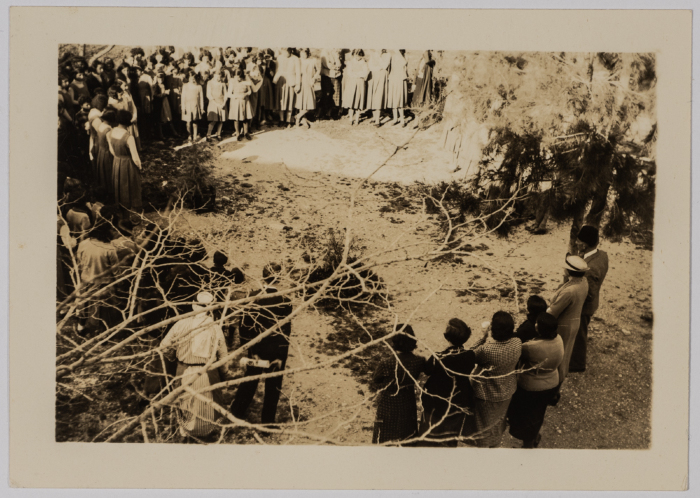
Education in Jerusalem Before the Nakba
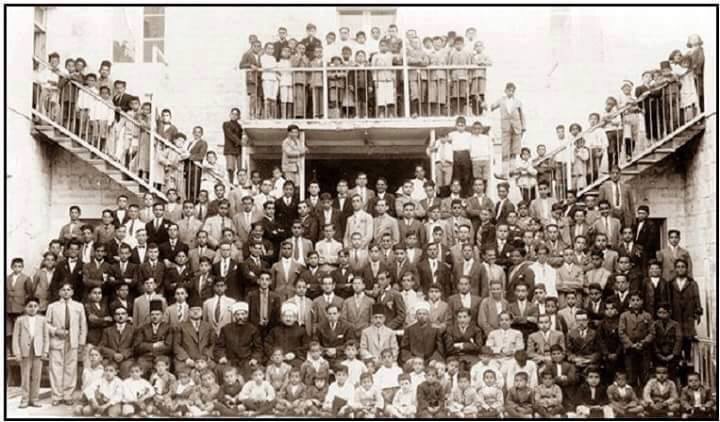
Jerusalem was one of the most important centers of Palestinian education during the Mandate. It brought together government, private and religious schools, teacher training institutions, secondary schools, and advanced institutions such as the Arab College.
In 1945, a survey based on education records and city data counted 155 educational institutions of all kinds in Jerusalem. The Arab institutions that appear in the data include:
| Type of school | Schools | Students |
|---|---|---|
| Private Christian schools | 38 | 7,864 |
| Arab government schools | 11 | 3,761 |
| Private Islamic schools | 7 | 1,380 |
Source: Institute for Palestine Studies – Educational Institutions in Jerusalem in 1945 (in Arabic).
The Rashidiyya School
The Rashidiyya School, near Herod's Gate (Bab al-Sahira), was one of the most prominent government schools in Jerusalem. Its roots go back to the Ottoman period, and it continued its educational role throughout the Mandate.
In the final years of the Mandate, some of its classes developed to an advanced level and began preparing students for fields such as medicine and engineering, reflecting the growth of advanced secondary education in the city.
The Arab College in Jerusalem
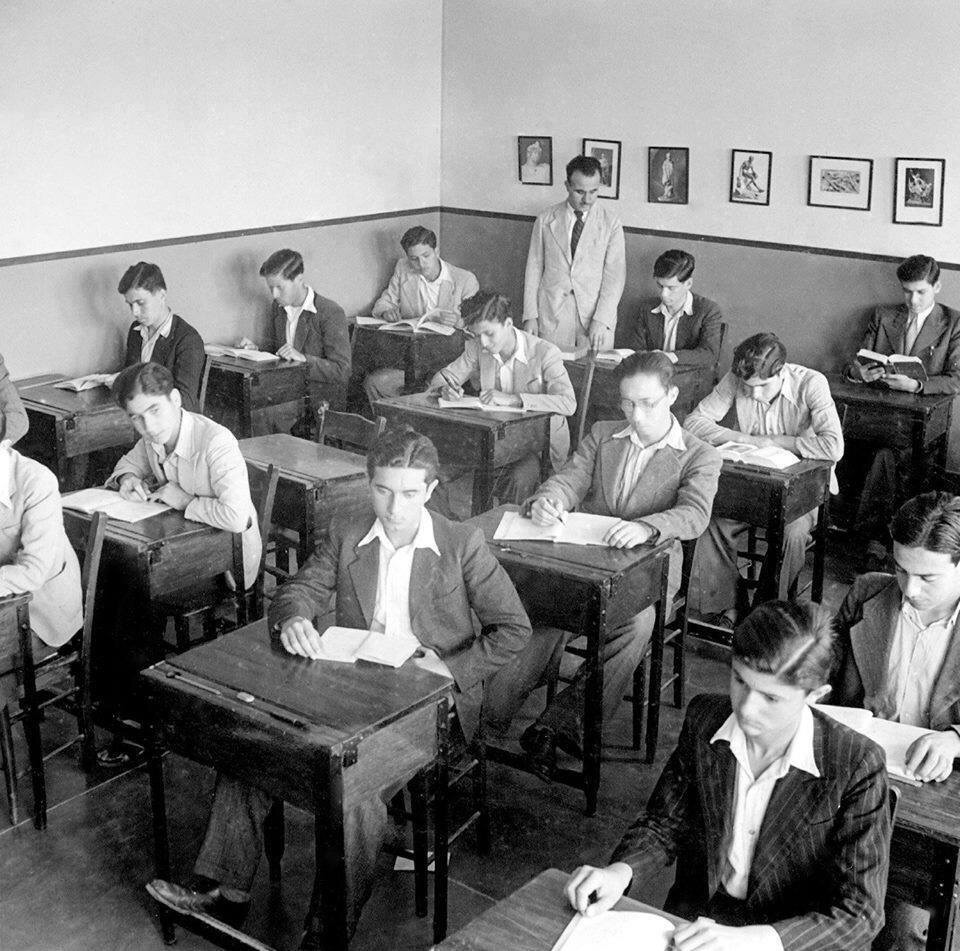
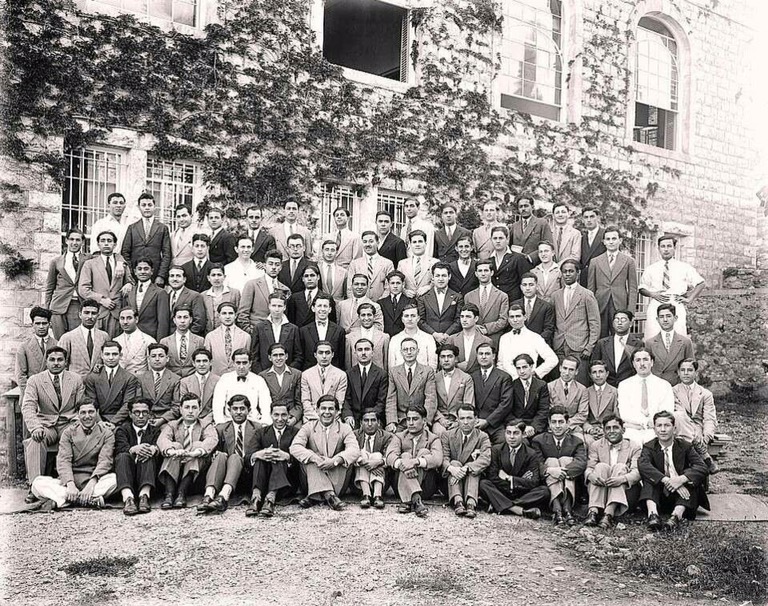
The Arab College in Jerusalem was one of the most important Palestinian Arab educational institutions of the Mandate period. Its roots lay in the Teachers' Training College; it took the name Arab College in 1927 and later moved to its own building on Jabal al-Mukabbir.
It was headed by Khalil Totah and then by Ahmad Samih al-Khalidi, and became a selective teacher training institution. Outstanding and poor students benefited from fee exemptions.
Khalil Totah (1887–1955) was a prolific author and an advocate of critical education. He wrote most of his works in English, and in Arabic he wrote books on the "History of Palestine" and the "Geography of Palestine".
Ahmad Samih al-Khalidi (1896–1951) was also an author and social reformer alongside his work as an educator. In 1939 he founded and chaired the General Arab Orphans Committee, which sought to build schools for the children of those killed in the Palestinian revolts. In the village of Deir Amr near Jerusalem, the committee established an orphanage, a model agricultural school and a farm for the children of martyrs, the first farm of its kind in Palestine.
In 1939, advanced classes were added after the matriculation certificate, in which students studied the theory and practice of education. Sources at the Institute for Palestine Studies describe the college as the apex of Palestinian Arab education in that period.
Its graduates include prominent figures in culture, politics, medicine and literature, among them Ihsan Abbas, Nicola Ziadeh, Haidar Abdel-Shafi, Anwar Nusseibeh and Hanna Abu Hanna, as well as Ismail Raghib al-Khalidi, who became a senior United Nations official. They also include the novelist and translator Jabra Ibrahim Jabra, who after graduating won a scholarship to study in England and graduated from the University of Cambridge in 1943.
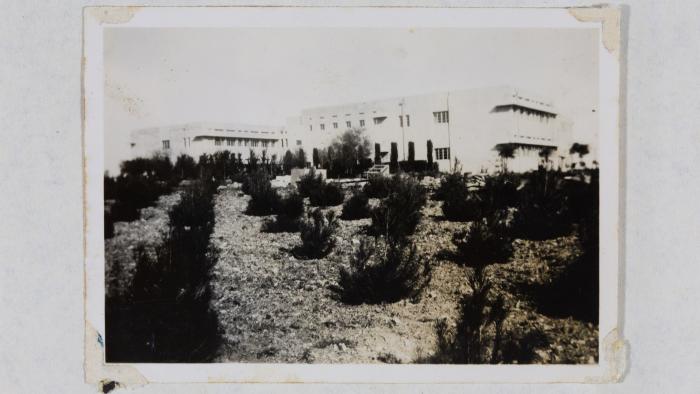
Students spent their free time studying in the pine grove surrounding the college. One of its graduates later remembered those trees after the Nakba:
"We grew up and the trees grew with us, and now we do not know what became of them"
The Arab College remains a clear example of the level Palestinian education had reached before 1948, and of the importance of teacher training in building the network of schools in cities and villages.
Education in Palestinian Cities Before 1948
Education in Jaffa Before the Nakba
Jaffa was one of the leading Palestinian cities in education. In 1946 it had 47 schools: 12 government, 24 private national and 11 foreign.
The Jaffa municipality founded seven schools, paid their teachers at the same rate as government teachers, and appointed a dedicated inspector for them. The city's schools bore names from Arab history, such as al-Amiriyya, al-Marwaniyya, al-Ayyubiyya, al-Umawiyya, al-Abbasiyya, al-Yarmouk and Tariq ibn Ziyad for boys, and al-Zahra, Khawla bint al-Azwar, Asma bint al-Siddiq and al-Adawiyya for girls.
Its most prominent school was al-Amiriyya Secondary School in the al-Nuzha neighborhood, which became a full secondary school in 1945/1946. It had 301 students in 1947/1948, along with two commercial classes and a library of 4,708 books.
Another was the Hasan Arafeh School in the Ajami neighborhood, built by the merchant Hasan Arafeh at his own expense, with 404 students.
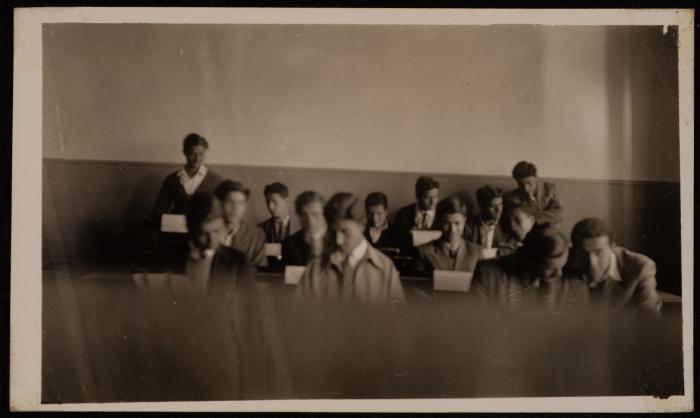
Education in Haifa Before the Nakba
Haifa was a fast-growing city and port, but official education did not keep pace with demand. In 1930/1931 the government had only one official boys' school there, and its highest class was the fifth elementary grade.
In 1942/1943, the government boys' school had 461 students and the girls' school 442, while private schools took in thousands of boys and girls.
In Haifa, the Department of Education founded the Haifa Trade School in 1937 to teach blacksmithing, carpentry, turning, electrical work and car repair, an example of the effort to bring vocational training into the Palestinian education system.
Education in Lydda
The government boys' school in Lydda developed during the Mandate into a complete elementary school, and then began adding secondary classes.
On 1 January 1948 it had 1,046 students in 19 classes, taught by 24 teachers. It had a library of 818 books and about 14 dunums of land, part of which was used for agricultural instruction, as well as a handicrafts room and a boarding house for village students.
Education in Gaza, Khan Yunis and al-Majdal
In Gaza, the government secondary school became a full secondary school in 1947/1948, with 794 students. The city's institutions also included Gaza College, the Islamic al-Falah School, the municipal girls' school, and schools in the al-Zaytun and al-Shuja'iyya neighborhoods.
In Khan Yunis, the boys' school was founded in 1919/1920 and became a complete elementary school in 1926/1927. In 1946 it had 906 students, and a first secondary class opened in 1947/1948.
In al-Majdal, the boys' school grew to 872 students by early 1948, with two secondary classes, a boarding house for village students, and a section for training in weaving, the craft the town was famous for.
Education in Hebron
Hebron had a rushdiyya school from the 19th century. In 1942/1943 it had government schools for boys and girls, a secondary school, and al-Ala'iyya School for the Blind.
Girls' education remained less widespread in the city than boys' education, while the people of the Hebron district raised funds to build a large secondary boarding school in Dura in the final years of the Mandate.
Education in Ramla and Its Villages
The Ramla secondary school had 895 students in early 1948, while the girls' school had 473.
In the district's villages, levels of schooling varied greatly: some schools reached the end of the elementary stage, while others stopped at the fourth or fifth grade.
Education in Nablus
Nablus was known for its educational life from the Ottoman period, and a preparatory (i'dadiyya) school was founded there in the late 19th century. In 1944 it had nine government schools, five for boys and four for girls, with 1,676 boys and 1,262 girls.
The secondary stage was completed at al-Salahiyya School in the final years of the Mandate, alongside the al-Najah National School, which later became the foundation of An-Najah National University.
Education in Jenin
Jenin had an elementary school in the 19th century, followed by a rushdiyya school, and the government school developed during the Mandate into a full secondary school in 1947/1948.
The district's villages offer examples of local initiative. In Qabatiya, villagers hired additional teachers at their own expense when one teacher was not enough, and the level of schooling rose in a number of villages in the area.
Education in Tulkarm
In the late Ottoman period, the rushdiyya school in Tulkarm had a large number of students, many of them from surrounding villages. Under the Mandate, al-Fadiliyya School became a full secondary school.
Tulkarm was also home to the Kadoorie Agricultural School, which began teaching in 1931 and helped train staff for agricultural education.
Education in Nazareth
Alongside the Ottoman rushdiyya school, Nazareth had religious and foreign educational institutions. In 1942/1943 it had three government schools and 11 non-government schools, and the government secondary school became complete in the last year of the Mandate.
Education in Safad and Acre
The rushdiyya school in Safad was founded in the 19th century, and the town's schools grew until they had some 2,000 students in the autumn of 1947. Acre had old Ottoman schools and the al-Jazzar religious school, followed by government schools that reached secondary levels by the end of the Mandate.
Education in Beisan and Beersheba
Beisan had a complete elementary boys' school to which an agricultural secondary class was added, as well as a girls' school.
In Beersheba, the boys' school had 580 students in 1947/1948, 23 of them in the first secondary class, while the girls' school had 300 pupils.
Comparing Palestinian Cities
The data show clear differences in enrollment rates between Palestinian cities. Note that the rate can exceed 100% when a city's schools take in students from surrounding villages or students older than the age range used in the survey.
| City | Year | Boys | Girls |
|---|---|---|---|
| Jerusalem | 1942/1943 | 100% | 85% |
| Ramallah and al-Bireh | 1942/1943 | 100% | 80% |
| Nazareth | 1942/1943 | 100% | 79% |
| Acre | 1942/1943 | 100% | 70% |
| Tulkarm | 1943/1944 | 100% | 45% |
| Jenin | 1943/1944 | 90% | 55% |
| Beersheba | 1944/1945 | 81% | 41% |
| Bethlehem | 1942/1943 | 80% | 100% |
| Beisan | 1942/1943 | 80% | 70% |
| Jaffa | 1944/1945 | 77% | 57% |
| Ramla | 1944/1945 | 75% | 48% |
| Nablus | 1943/1944 | 68% | 51% |
| Safad | 1942/1943 | 67% | 31% |
| al-Majdal | 1944/1945 | 63% | 29% |
| Haifa | 1942/1943 | 60% | 45% |
| Hebron | 1942/1943 | 60% | 25% |
| Gaza | 1944/1945 | 51% | 21% |
| Lydda | 1944/1945 | 49% | 29% |
Source: Government of Palestine, Department of Education, and Mustafa Murad al-Dabbagh, as cited by the Palestinian National Information Center (WAFA) (in Arabic).
Education for the Blind Before 1948
Blind children were not entirely absent from the map of Palestinian education before the Nakba. In Hebron, al-Ala'iyya School for the Blind was founded in 1937 as one of the schools of the Department of Education, and its classes went up to the sixth elementary grade.
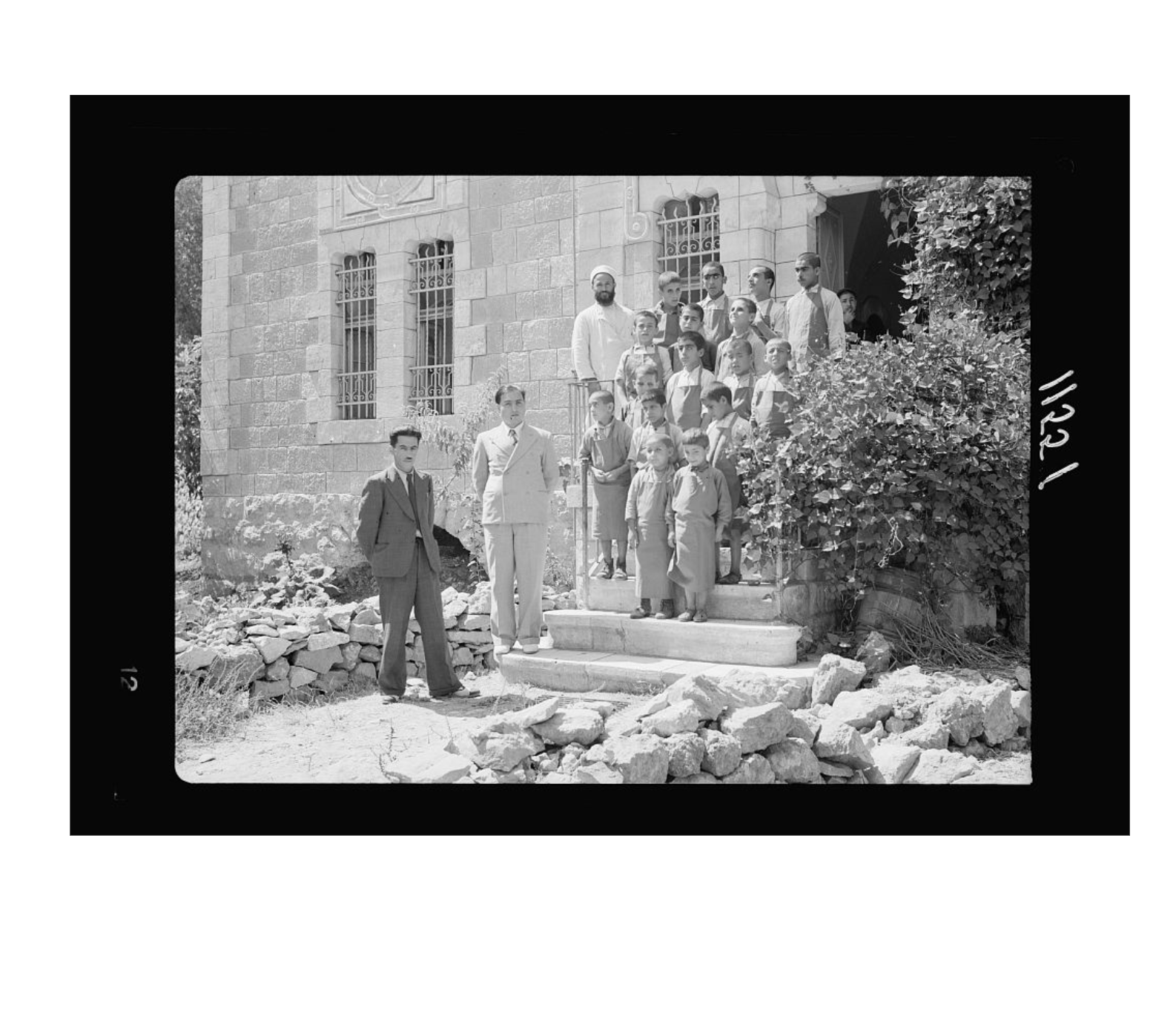
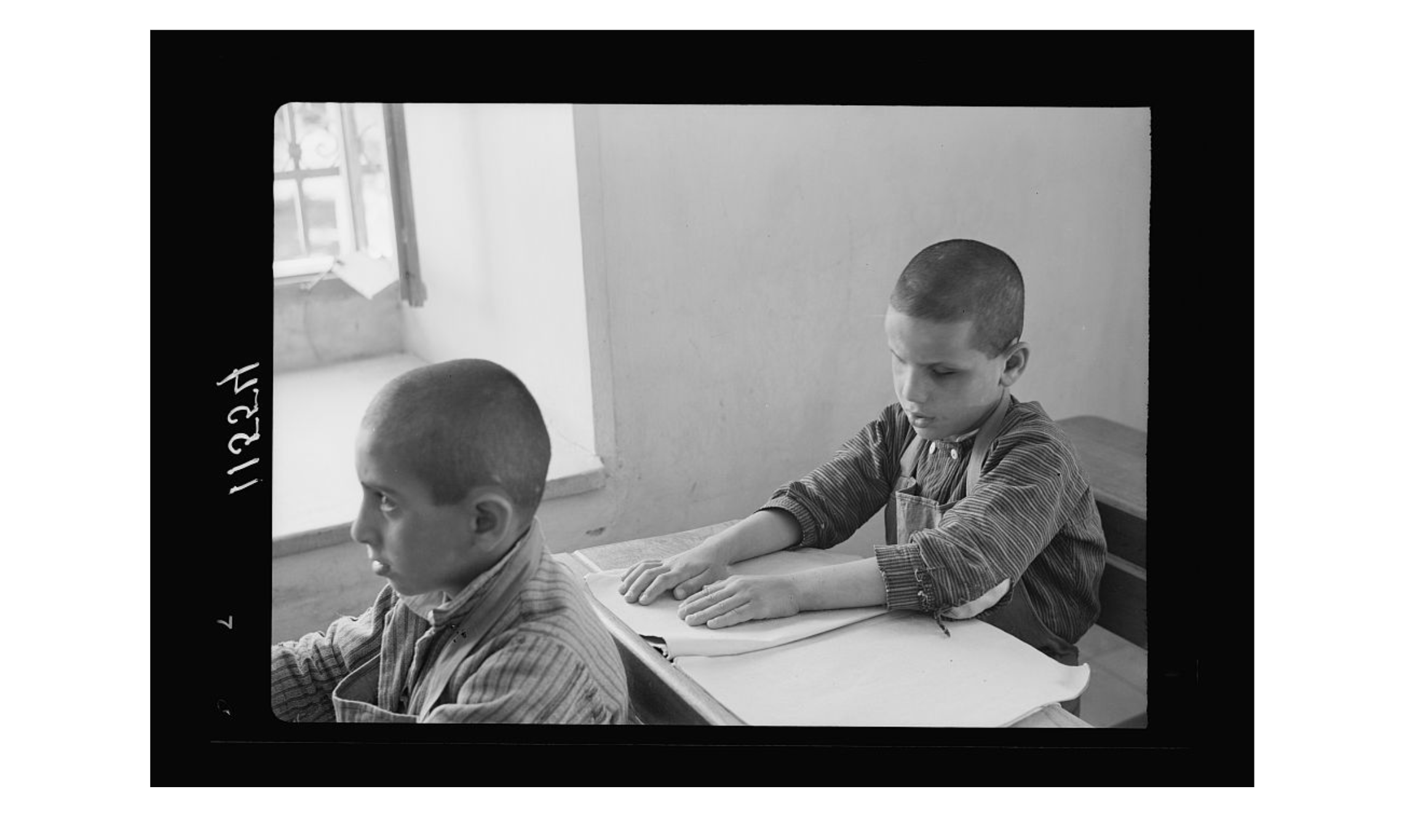
In Jerusalem, the Syrian Orphanage, founded by the German Johann Ludwig Schneller in 1860 and known as the "Schneller School", included a school for the blind. Students learned to read and write, along with crafts that helped them become self-reliant, such as making chairs, baskets and rope.
Although these institutions were few compared with the need, their existence shows that the education of children with disabilities was present in Palestine before 1948, in both a government school and a private institution.
Bedouin Tribal Schools in Palestine
Education was not limited to cities and settled villages. In the Beersheba district, the number of tribal schools rose from 8 in 1932 to 26 at the beginning of 1948, and the number of their students rose from 196 to 1,390.
| Date | Schools | Students | Teachers |
|---|---|---|---|
| 1 July 1932 | 8 | 196 | 8 |
| 1 July 1938 | 5 | 216 | 5 |
| 1 January 1948 | 26 | 1,390 | 29 |
Remarkably, 15 of these schools were founded by the tribes at their own expense, and the tribes paid their teachers' salaries. In 1946, the tribes spent more than 8,000 Palestinian pounds on educating their children.
A boarding house for Bedouin students was also set up at the Beersheba school, and it grew over time to take in more students coming from distant areas.
Palestinian Education Between Expansion and Constraint
School figures show a clear expansion, but they also reveal its limits.
In 1945/1946, Arab government and non-government schools had about 124,000 students (81,042 in government schools and 43,885 in non-government schools), while the number of Arab school-age children was estimated at about 317,000. Based on these figures, only about 40% of children were in school, meaning nearly 60% remained outside the education system. The ratios vary depending on the definition of school age, the type of school and the region in the original tables.
In his book Before Their Diaspora, the historian Walid Khalidi gives a similar picture on the eve of the Nakba: about 120,000 students in elementary and secondary schools, out of an Arab population of 1,238,000. His figures reveal the scale of the gap between city and countryside, and between boys and girls:
| Cities | Countryside | |
|---|---|---|
| Boys | 85% | 63% |
| Girls | 60% | 7.5% |
Source: Walid Khalidi, Before Their Diaspora: A Photographic History of the Palestinians, 1876–1948.
In other words, fewer than one in ten rural girls made it to school. Even so, Khalidi notes that these rates, for all their shortcomings, were among the highest in the Arab world at the time. He also observes that government schools existed in only about half of the Arab villages, roughly 400 out of 800, shutting the door to education for tens of thousands of children.
Admission was also a clear problem. In 1946, 12,992 children applied to government schools in the cities, and only 49% were accepted. In the villages, 19,064 children applied and 79% were accepted. This means that in a single year, schools turned away more than ten thousand children seeking an education in cities and villages combined.
The secondary stage was even more limited than the elementary stage. In 1946/1947, only four Arab government schools had reached full secondary grades, rising to 12 in 1947/1948.
The education budget also remained limited compared with growing needs: the Department of Education's budget generally did not exceed 4–5% of the Mandate government's total budget. This made local communities an important source of school funding, especially in villages and towns that wanted to expand secondary education or build new buildings. Dr. Khalil Totah expressed this before the Royal Commission in 1937 when he spoke of:
"the shamefully meager sum spent on education"
Yet these constraints could not drain the Arab school of its spirit. The teachers were Arabs, from the village teacher to the principal of the Arab College, and schools closed their doors during the 1936 strike. The Royal Commission concluded in its report that:
"the schools have become seminaries of Arab nationalism"
The history of Palestinian education should not be reduced to the number of schools alone. The more important questions are: who could reach a school, who was left outside it, and who paid to build it?
This is where the complex picture emerges: there was a real expansion in the number of schools and students, and at the same time large gaps remained between cities and villages, between boys and girls, and between elementary and secondary education.
Were There Palestinian Universities Before 1948?
Here we need to distinguish between higher education and a university in the modern sense.
Before the Nakba, Palestine had no Palestinian Arab university in the modern institutional sense we know today. The Hebrew University in Jerusalem had opened in 1925, while Palestinians wishing to pursue university studies relied largely on institutions outside Palestine, alongside a few institutions of advanced education within the country.
The Arab College in Jerusalem was one of the most important institutions of advanced education, especially in teacher training, while al-Rashidiyya College in Jerusalem developed an advanced level of instruction.
Palestinian students who wanted to study medicine, engineering and other university subjects traveled to institutions such as the American University of Beirut and universities in Egypt and Britain, and the Department of Education sent a limited number of students abroad on scholarships.
From Birzeit School to University Education
The roots of Birzeit University go back to 1924, when the educator Nabiha Nasir founded an elementary school for girls in the town of Birzeit to educate girls from the town and surrounding villages. The institution then developed gradually.
In 1930 it became a secondary school for boys and girls, and in 1932 it became Birzeit Higher School. In 1942 its name changed to Birzeit College, but it remained a secondary school at that stage. University teaching did not begin there until 1953, when the first university-level class was added, and it became a bachelor's-degree-granting university in 1972.
This is why Birzeit should not be called a university before 1948. It is more accurate to say that Birzeit University's roots go back to an educational institution founded before the Nakba, while university education there began after the Nakba, in 1953.
Al-Najah College in Nablus
Similarly, the al-Najah National School was founded in Nablus in 1918 and developed into an important secondary institution with students from Palestine and neighboring Arab countries. It was one of the institutions that later formed the historical root of An-Najah National University.
So the accurate answer to the question "Were there Palestinian universities before 1948?" is: there was no Palestinian Arab university in the modern sense, but there were institutions of advanced education and strong secondary schools that formed the roots of several Palestinian universities founded later.
What Happened to Palestinian Education After the Nakba?
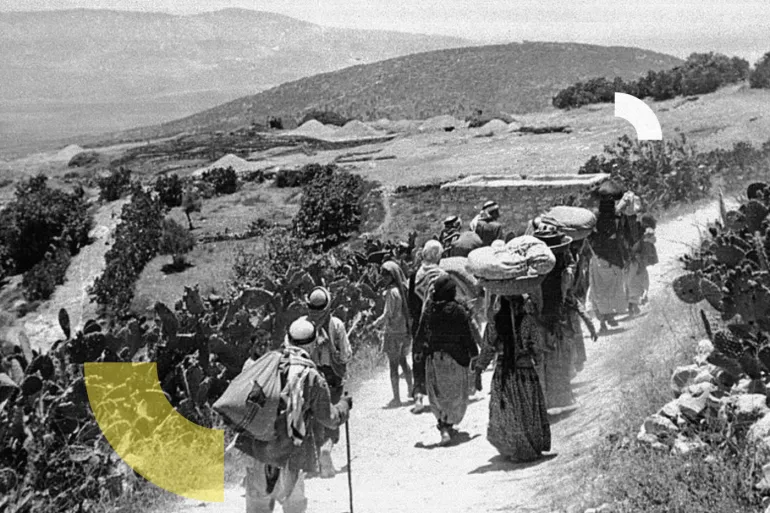
The Nakba of 1948 caused a deep rupture in Palestinian educational life. Hundreds of thousands of Palestinians were displaced, many students lost their schools, and teachers were scattered across the West Bank, the Gaza Strip, Arab countries and refugee camps.
Before the High Commissioner left in May 1948, the Arab College building and Government House were placed at the disposal of the Red Cross, ending the institution's life at its original site.
The loss was not limited to schools. According to Nur Masalha, Palestinian libraries and archival collections were systematically looted in 1948, and the Israeli army set up a special unit to collect books and manuscripts from Palestinian homes in West Jerusalem, Jaffa, Haifa and elsewhere. Tens of thousands of these books ended up in the Hebrew University library. Among the libraries looted was that of the Jerusalem writer Khalil Beidas, with its manuscripts and rare books; Beidas died in Lebanon in 1949.
But education did not stop. In late 1948 and 1949, refugees began setting up temporary classes and schools wherever they found refuge, in tents, homes and public spaces, and a number of teachers who had worked in Palestine before the Nakba resumed teaching in new circumstances.
In the following years, education in the refugee camps became a core part of UNRWA's work, and part of Palestinian educational experience moved from the cities and villages its people had been driven from into the space of exile. By the 1980s, about 95% of refugee children attended the agency's schools across its five fields of operation.
Palestinian teachers also carried their experience to Arab countries. They filled schools and universities in the Gulf, and in the 1960s it was estimated that 60% of women teachers in the Saudi education system were Palestinian. Palestinian academics also made a wide contribution to developing higher education in Jordan, Lebanon and the Gulf.
The Nakba, then, was not merely the loss of school buildings. It was also the uprooting of a whole network of students, teachers, institutions, books, libraries and educational memory tied to place.
Frequently Asked Questions About Palestinian Education Before 1948
What was education like in Palestine before the Nakba?
Palestinian education before 1948 was made up of government, private, religious and municipal schools, along with schools founded by local communities. Education spread across cities and villages but remained uneven in access and in the grades offered, and secondary education was far less widespread than elementary education.
How many Arab schools were there before 1948?
There were 514 Arab government schools in the 1945/1946 school year, with 81,042 students. Alongside them were 313 non-government Arab schools with 43,885 students in the same year, for a total of about 124,000 students.
What was education like in Palestinian villages before 1948?
Education in the villages was less widespread and less complete than in the cities, but villagers took part in founding and funding schools. Some schools reached the end of the elementary stage, while others stopped at the fourth or fifth grade.
Was there education for girls in Palestine before 1948?
Yes. Girls' education expanded during the Mandate, with government and private schools for girls, as well as the Women's Teacher Training College in Jerusalem and the Rural Women's Teacher Training College in Ramallah. Even so, girls' enrollment remained lower than boys', especially in the countryside.
What was the Arab College in Jerusalem?
It was one of the most important Palestinian Arab educational institutions of the Mandate period, focused mainly on teacher training. It grew out of the Teachers' Training College into an advanced institution that drew students from across Palestine and had a major influence on Palestinian education and culture.
Was there a Palestinian university before 1948?
There was no Palestinian Arab university in the modern sense before the Nakba. There were institutions of advanced education and strong secondary schools, while university education at Birzeit began in 1953, after the Nakba.
When did Birzeit University begin?
The institution's roots go back to 1924, when it began as a girls' school in Birzeit. It then developed into a secondary school and a college in name, began university-level teaching in 1953, and became a bachelor's-degree-granting university in 1972.
What were the best-known Palestinian schools before the Nakba?
Among the most prominent educational institutions in Palestine before 1948 were the Arab College in Jerusalem, the Rashidiyya School, Rawdat al-Ma'arif, the al-Najah National School in Nablus, the national schools of Jaffa, the Birzeit schools, and many government and private schools in cities and villages across the country.
What Do the Schools Reveal About Palestine Before the Nakba?
Palestinian education before 1948 was broader and richer than the brief picture of pre-Nakba Palestine suggests. A network of government, private, religious and municipal schools took shape, rural schools expanded, the number of girls in school grew, and specialized institutions emerged for teacher training, vocational education and advanced study.
At the same time, large gaps remained. Many children stayed out of school, secondary education was limited, and the gap between boys and girls was clear, especially in the countryside.
What closed part of this gap was not government spending alone, but the contributions of municipalities, societies, religious institutions, individuals, farmers and tribes. The history of the Palestinian school is therefore also a history of Palestinian social initiative.
Read alongside the records of Palestinian villages and cities, education becomes an essential part of documenting the society that existed before 1948.
The Palestinian village was not just a number of people, houses and lands; it had a school, students, teachers, a library and an educational memory. The city was not just a market or a port; it had its schools, teachers, students and cultural institutions. When the Nakba came, Palestinians did not only lose the place itself; entire social and educational networks built over decades were cut off.
The Palestinian school thus stands as one of the important witnesses to the Palestinian society that existed before the Nakba, and to the daily life and institutions that Palestinian generations built before 1948.
Sources and References
- Palestinian National Information Center (WAFA) – Education under the British Mandate (in Arabic)
- Institute for Palestine Studies – The Arab College in Jerusalem: Historical Background and Future Outlook (in Arabic)
- Institute for Palestine Studies – The Arab College in Jerusalem, 1918–1948 (in Arabic)
- Institute for Palestine Studies – Educational Institutions in Jerusalem in 1945 (in Arabic)
- Interactive Encyclopedia of the Palestine Question – Khalil al-Sakakini (in Arabic)
- Birzeit University – Chronology of the University's History (in Arabic)
- Birzeit University – The Story of a University (in Arabic)
- Interactive Encyclopedia of the Palestine Question – The UNRWA Education System (in Arabic)
- British Government, Report of the Palestine Royal Commission (Arabic translation), Jerusalem, 1937.
- Mustafa Murad al-Dabbagh, Biladuna Filastin (Our Country, Palestine), Beirut: Dar al-Tali'a, 1966–1976.
- Nur Masalha, Palestine Across Millennia: A History of Literacy, Learning and Educational Revolutions, Arabic translation by Victor Sahhab, Beirut: Centre for Arab Unity Studies.
- Ahmad al-Shuraiqi, "'Four Thousand Years of Education': Palestine's Deep-Rooted Educational Heritage", Al Jazeera Net, 1 May 2024 (in Arabic).
- Walid Khalidi, Before Their Diaspora: A Photographic History of the Palestinians, 1876–1948, Institute for Palestine Studies.
- Government of Palestine, Department of Education, Education in Palestine: General Survey, 1936–1946.
- Palestinian Museum Digital Archive – source of the photographs and archival documents used in this article.
Photo gallery
More from the archive

 Download Our Palestine App
The whole archive in the palm of your hand: depopulated villages, the Nakba, the massacres and Al-Aqsa — free, with no ads to erase the story.
Download Our Palestine App
The whole archive in the palm of your hand: depopulated villages, the Nakba, the massacres and Al-Aqsa — free, with no ads to erase the story.
Comments
No comments yet — be the first to write one.
Add your comment
Name and email are optional. Comments appear after review.