
Cinema and Theatre in Palestine Before the Nakba and Radio Jerusalem
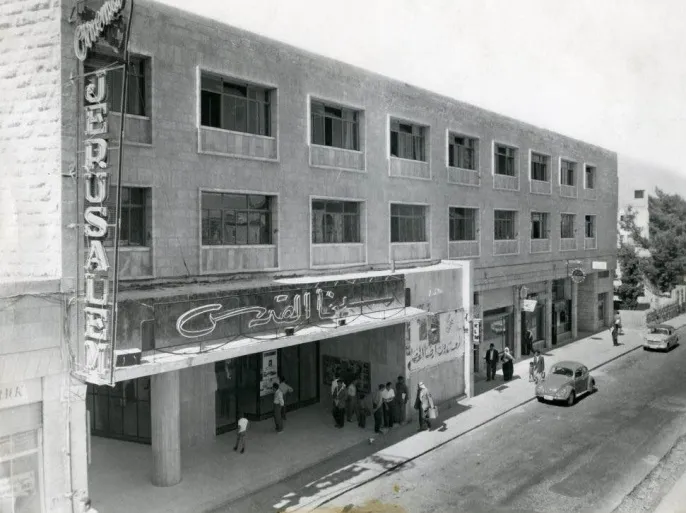
Before the Nakba, Palestine had a rich artistic life: cinemas in its major cities from the early twentieth century, the first Palestinian film in 1935, theatre troupes in Jerusalem, Haifa and Jaffa, and the radio station known as "This Is Jerusalem" (Huna al-Quds), which went on the air on March 30, 1936, and became a platform for Palestine's poets and musicians. The great singers of the Arab world, from Umm Kulthum to Mohammed Abdel Wahab, performed on its stages. [1] [6] [9]
Then the Nakba came: cinemas closed, films were lost, and actors and musicians were scattered across the Arab world. This article tells the story of Palestinian art before 1948: the screen, the stage and the radio.
Art in Palestine Before 1948: A Timeline
| Year | Event |
|---|---|
| 1908 | The Oracle cinema opens in Jerusalem, by some accounts the first cinema in Palestine [1] [3] |
| 1913 | Egyptian theatre troupes begin touring Palestine [7] |
| 1921 | Jamil al-Bahri launches his literary magazine in Haifa [8] |
| 1929 | The Arts and Acting Society stages Antar in Jerusalem [7] |
| 1935 | The first Palestinian film: a documentary on the visit of Prince Saud bin Abdulaziz [2] [3] |
| 1936 | "This Is Jerusalem" goes on the air on March 30, with Ibrahim Tuqan heading the Arabic section [5] [6] |
| 1938 | The Carmel theatre troupe is founded in Haifa [7] |
| 1939 | Al-Ahli cinema opens in Acre [1] |
| 1944 | Dunia cinema, Ramallah's first, opens [4] |
| 1945 | The Arab Film Company and Studio Palestine are founded [2] |
| 1946 | The film Hilm Layla (A Night's Dream) is screened in Jerusalem and Jaffa [2] [3] |
| 1948 | Israeli forces seize the radio building in Jerusalem, and the pioneers' films are lost in Jaffa [2] [6] |
Cinemas in Palestinian Cities
Accounts differ on Palestine's first cinema. Some name the Oracle cinema in Jerusalem, opened by Egyptians in 1908, while the Acre film distributor Michel Saiqali said the first was the Ein Dor cinema in Haifa. [1] [3] After the 1927 film law was issued, the number of cinemas grew markedly. [3]
Cinemas spread across Palestinian cities: [1] [4]
- Jerusalem: the Rex cinema, leased from the Greek Orthodox Patriarchate by the Nile Films company, which distributed Egyptian films in Palestine.
- Jaffa: the city with the most cinemas, the best known being the Alhambra, where many people saw the first film of their lives. Read more in our article Jaffa Before the Nakba.
- Acre: the Al-Ahli cinema, which Michel Saiqali leased in 1939 from Hajj Mohammed al-Lababidi. He and his partner Mahmoud Mamish opened it on September 2, 1939, with the film Michel Strogoff.
- Ramallah: the Dunia cinema, founded in 1944 by the Ramallah Summer Resorts Company. Its audiences came from Ramallah, al-Bireh, Jerusalem and nearby villages, by bus and on donkeys.
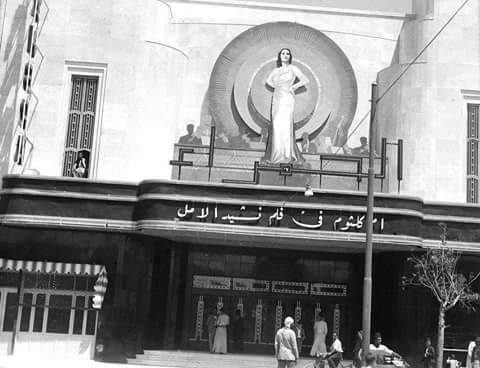
American films were the most popular, but Egyptian films gradually won their audience. In 1942 Saiqali began buying Egyptian films in Cairo, starting with Ibn al-Sahra (Son of the Desert), starring Badr Lama. He bought two prints of each film: one for Palestine and one for Transjordan. The historian Ahmad Sidqi al-Dajani recalled seeing the first film of his life, Mohammed Abdel Wahab's al-Warda al-Bayda (The White Rose), at the Alhambra in Jaffa. [1]
Pioneers of Palestinian Cinema and the First Film
Critics date the beginning of Palestinian cinema to 1935, when Ibrahim Hassan Sirhan of Jaffa shot a silent documentary of about 20 minutes on the visit of Prince Saud bin Abdulaziz to Palestine, accompanied by Hajj Amin al-Husseini. He followed the visit with his camera from Lydda to Jaffa, and the film was screened at the Nabi Rubin festival. [2] [3] Read about the Nabi Rubin festival.
Sirhan bought a hand-cranked camera for 50 Palestinian pounds, taught himself to shoot and develop film, and built his own editing machine and laboratory. He went on to make other films, including: [2]
- Ahlam Tahaqqaqat (Dreams Come True): a film about orphans in support of their cause, which ran for two weeks at the Farouk cinema in Jaffa.
- A film about Ahmad Hilmi Pasha, a member of the Arab Higher Committee, screened at the Alhambra.
- A newsreel showing Hajj Amin al-Husseini with the Palestinian flag, made with the journalist Zuhair al-Saqqa.
In 1945 Sirhan founded Studio Palestine, and together with Ahmad Hilmi al-Kilani, a graduate of the film institute in Cairo, he founded the Arab Film Company, which began shooting a feature film titled Laylat al-Eid (The Night of the Feast). [2]
But the accounts conflict. Al-Kilani said it was Jamal al-Asfar who filmed the 1935 documentary, with Sirhan as his assistant, and that Khamis Shablaq directed Dreams Come True. No documents or surviving films can settle the dispute, because most of this heritage was lost in the Nakba. [2]
Another pioneer was Mohammed Saleh al-Kayyali, who opened a photography studio in Jaffa and later studied directing in Italy. Some historians consider Hilm Layla (A Night's Dream, 1946), directed by Salah al-Din Badrakhan, the first Palestinian feature-length fiction film; it was screened in Jerusalem, Jaffa and Amman. [2] [3] The brothers Badr and Ibrahim Lama, of Bethlehem origin, are also credited with producing one of the first Arab feature films, in Egypt in the late 1920s. [3]
Palestinian Theatre
In the Ottoman era, the hakawati (storyteller) was the main form of popular theatre, and shadow puppetry (Karagoz and Iwaz) reached Palestine on a limited scale. From 1913, Egyptian theatre troupes began touring Palestine, and their activity peaked between 1920 and 1942. [7] The Egyptian actor Youssef Wahbi was one of Jaffa's best-known visitors. [10]
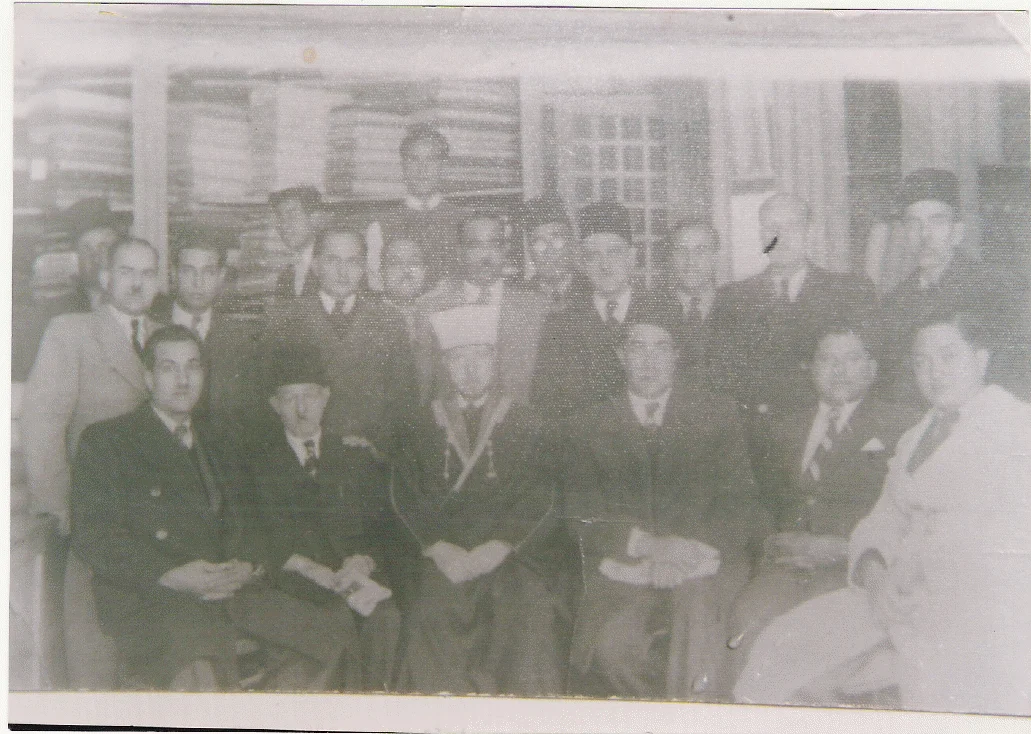
Schools, missions, charitable societies and clubs were the main homes of Palestinian theatre, and amateur teachers often ran school theatre. In Jerusalem in 1929, the Arts and Acting Society staged Antar (The Knight of Abs), translated from French by the poet Elias Abu Shabaka. [7]
Jamil al-Bahri: Haifa's Theatre Pioneer
Jamil al-Bahri was one of the leading pioneers of Palestinian theatre. In 1921 he launched a literary magazine in Haifa, later known as al-Zuhur, which appeared until 1930. He wrote about 12 plays, including al-Watan al-Mahbub (The Beloved Homeland, 1923), al-Kha'in (The Traitor, 1924), Fi Sabil al-Sharaf (For the Sake of Honor, 1926) and Hisar Tabariya (The Siege of Tiberias). He helped found the Literary League theatre in Haifa and organized playwriting and short-story competitions. He was killed in 1930 in a dispute over a plot of land in a Haifa cemetery. [8]
Theatre Troupes
In the 1930s and 1940s many theatre troupes were founded. Women performed alongside men, and the radio broadcast some of their plays: [7] [8]
- The al-Jawzi troupes in Jerusalem: founded by the brothers Nasri, Jamil and Emil al-Jawzi, who helped create radio programming in the mid-1930s. Nasri al-Jawzi became well known as a playwright through the radio.
- The Carmel troupe in Haifa (1938): led by Iskandar Ayoub, the first president of the Haifa acting club.
- Other troupes: the Arts Club troupe, the Palestinian Drama troupe and the Haifa Drama troupe, most founded between 1944 and 1947. The actors' union in Jerusalem had about 120 members.
The writer Asma Tubi wrote the play Shajarat al-Milad (The Christmas Tree) in 1942, and Archimandrite Istifan Salim of Nazareth wrote for the stage in the 1930s. [8] Jaffa had several theatres, including the Zarafiyya and the Parisiana, which are covered in detail in our article on Jaffa before the Nakba.
"This Is Jerusalem" Radio
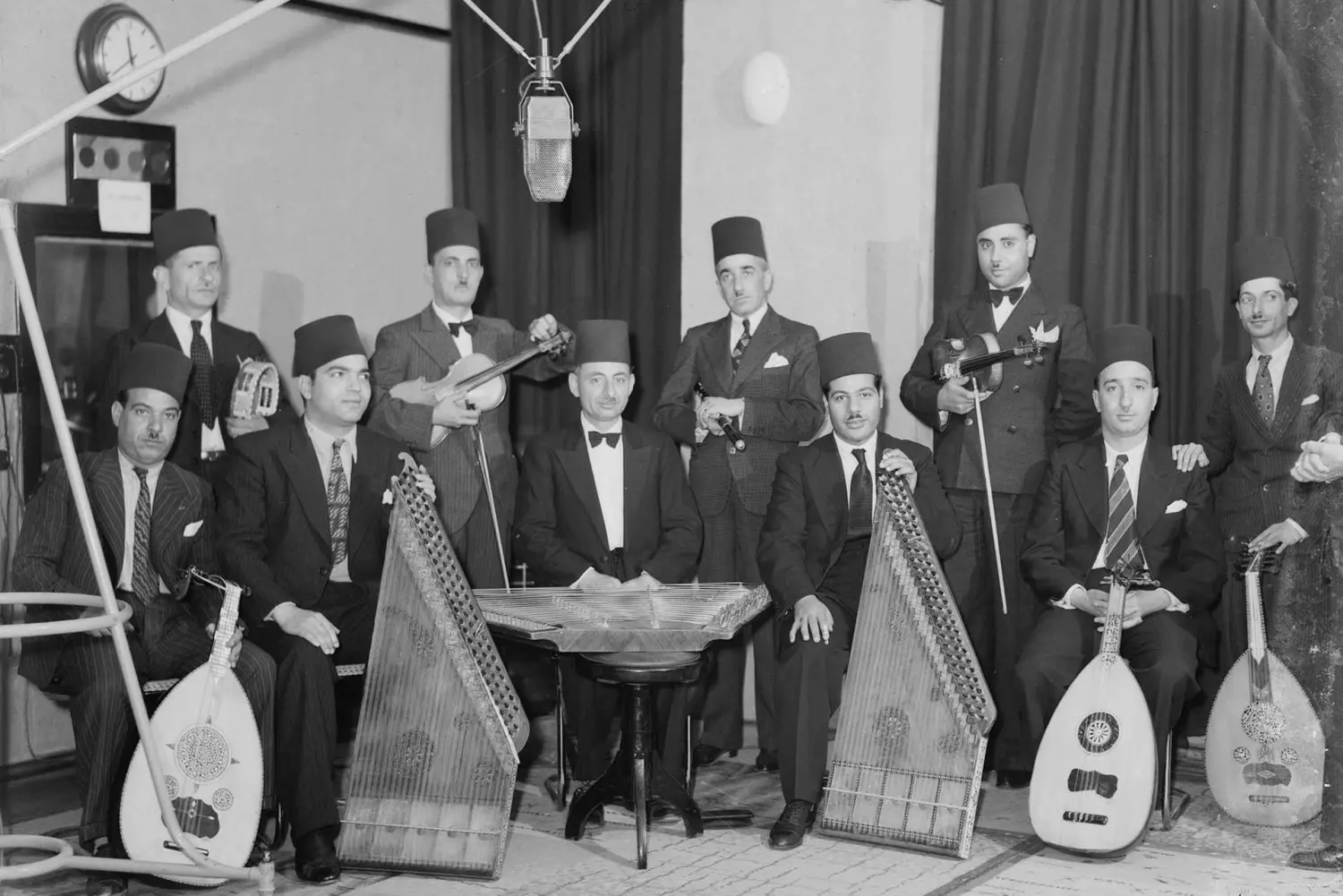
On March 30, 1936, the Palestine Broadcasting Service went on the air. People knew it by its call sign, "Huna al-Quds" (This Is Jerusalem). The Mandate government set it up with technical help from the BBC. Its offices were in the Palace Hotel in Jerusalem, and its transmitter was in Ramallah. It broadcast in Arabic, English and Hebrew, with Arabic getting the largest share of airtime. [5] [6]
In 1939 the station moved to the palace of the Queen of Abyssinia on the Street of the Prophets in Jerusalem. There were about 5,900 licensed radio sets in Palestine by mid-1935, so the government installed loudspeakers in about 100 villages and towns on a trial basis. [5] [6]
Heads of the Arabic Section
- Ibrahim Tuqan (1936–1940): appointed in February 1936, he presented the program "Literary Talks" and gave the Arabic section a national line. The Zionist press accused him of spreading hatred, the British authorities put him under surveillance, and he was dismissed in 1940. [5] [6]
- Ajaj Nuwayhid (1940–1944): took the post on condition that the government not interfere in the Arabic section's work. [6]
- Azmi Nashashibi (1944–1948): the first to broadcast religious ceremonies live from Muslim and Christian holy sites, he ran the station through the crisis of 1948. [6]
Programs and Voices
The government tightly controlled the news bulletins, but the Arab staff had wide freedom over cultural, musical and dramatic programs, which filled 70 to 80% of airtime. [5] Among its programs and voices: [6]
- Morning Quran recitation by a reciter from al-Aqsa Mosque.
- History talks by the historian Abdul Latif Tibawi, and literary talks by the poet Abdul Karim al-Karmi (Abu Salma).
- A weekly women's program presented by the writer Asma Tubi, and programs for women and girls presented by the journalist Qudsiyya Khurshid.
- The takht ensemble led by the Syrian musician Jamil Uwais, with the brothers Wasif and Tawfiq Jawhariyyeh.
- A children's choir from Rawdat al-Ma'arif school, formed by the teacher Fawzi Nashashibi, which began singing on the radio in 1936. [12]
Alongside "This Is Jerusalem," the Near East Radio broadcast from Jaffa between 1941 and 1948 (see our article Jaffa Before the Nakba). Its music department was headed in the early 1940s by Sabri al-Sharif, who brought the composers Medhat Assem and Abdel Halim Nuwaira from Egypt. [9]
Music and Arab Singers in Palestine
Before the Nakba, Palestine was a key stop for Arab singers. Mounira al-Mahdiyya, Mohammed Abdel Wahab and Umm Kulthum visited Jaffa, Jerusalem and Haifa many times and recorded many of their songs in studios in Jaffa and Jerusalem. [9] Umm Kulthum visited Jaffa in 1929 [1], and it is said that the people of Haifa were the first to call her "Kawkab al-Sharq" (Star of the East). [9]
Palestine also played a part in launching some stars of Arab song: [9]
- Farid al-Atrash: his song "Ya Retni Tair," which set him on the road to stardom, was composed by the Palestinian musician Yahya al-Lababidi.
- Mohammed Abdel Muttalib: began his career in Palestine in Abdel Wahab's chorus, and said his artistic beginnings were there.
- Laure Daccache: recorded her famous song "Amantu Billah" in Jaffa's studios.
The Jerusalem and Near East radio stations sent Palestinian musicians to study at the Fouad I Institute of Music in Cairo, among them Rawhi al-Khammash, Halim al-Roumi, Riad al-Bandak, Yahya al-Saudi, Yahya al-Lababidi and Mohammed Ghazi. Jerusalem had three orchestras, alongside Arab and Western ensembles. [9] Many Syrian musicians also worked in Palestine, from the late nineteenth century through the radio years. [11]
The Nakba: Lost Films and Scattered Artists
In 1948 Israeli forces seized the radio building in Jerusalem. Arabic broadcasting continued from Ramallah as "Jerusalem Arab Radio" until the occupation of the West Bank in 1967. [6]
Ibrahim Hassan Sirhan lost his films when he fled Jaffa under bombardment. [2] In Jordan he later made Sira' fi Jarash (Struggle in Jerash, 1957), considered the first Jordanian feature film. He died poor in Shatila camp in Beirut in 1976, working as a tinsmith. [2]
Screenings at Ramallah's Dunia cinema stopped for about six months during the war [4], and the cinemas in the occupied cities closed. The musicians of the two radio stations were scattered across the Arab world and Europe [9], and many settled in Damascus, among them Rawhi al-Khammash, Mohammed Ghazi, Yahya al-Saudi and Basil Sarwa. [11] So ended an era that, in the words of the musician Ahmad Abu Ghannam, could have made Palestinians pioneers of art in the region. [12]
Read more on our site: Jaffa Before the Nakba, Sports in Palestine Before the Nakba, Education in Palestine Before the Nakba and Libraries and the Press in Palestine.
Conclusion
In forty years, Palestine moved from the storyteller and the shadow play to cinemas, theatre troupes and radio. Its people made films with cameras they bought with their own money, and its radio launched voices that became stars across the Arab world. Much of this heritage was lost in the Nakba, but what survives, whether a photograph, a song or a memory, bears witness to a living society that was making its own culture.
Frequently Asked Questions About Cinema, Theatre and Radio in Palestine Before the Nakba
What was the first Palestinian film?
The documentary that Ibrahim Hassan Sirhan filmed in 1935 on the visit of Prince Saud bin Abdulaziz to Palestine is considered the first Palestinian film. It ran about 20 minutes. Some accounts credit Jamal al-Asfar with filming it.
When was "This Is Jerusalem" radio founded?
"This Is Jerusalem" (the Palestine Broadcasting Service) went on the air on March 30, 1936. It broadcast in Arabic, English and Hebrew, and the poet Ibrahim Tuqan headed its Arabic section until 1940.
What was the first cinema in Palestine?
Accounts differ. Some name the Oracle cinema in Jerusalem in 1908, while others name the Ein Dor cinema in Haifa.
Who were the pioneers of Palestinian theatre before 1948?
Among the most prominent were Jamil al-Bahri of Haifa, who wrote about 12 plays; the brothers Nasri, Jamil and Emil al-Jawzi of Jerusalem; Iskandar Ayoub, founder of the Carmel troupe; and the writer Asma Tubi.
Did Umm Kulthum sing in Palestine?
Yes. Umm Kulthum visited Jaffa, Jerusalem and Haifa several times before 1948, including a visit to Jaffa in 1929, and recorded songs in studios in Jaffa and Jerusalem.
What happened to Radio Jerusalem after the Nakba?
Israeli forces seized the radio building in Jerusalem in 1948. Arabic broadcasting continued from Ramallah until 1967, and many of its musicians were scattered across the Arab world.
Sources and References
Arabic-language sources are listed with translated titles.
- "The Beginnings of Film Screenings in Palestine," Al Jazeera Documentary, Al Jazeera Net, February 24, 2011 (Arabic).
- "Accounts of the Pioneers of Palestinian Cinema," Al Jazeera Documentary, Al Jazeera Net, August 21, 2011 (Arabic).
- Ali Saada, "Palestine, 100 Years of Cinema: From Arab Pioneer to the Challenge of Survival," Arabi21, July 25, 2020 (Arabic).
- Inass Yassin, "Projection: Three Cinemas in Ramallah & Al-Bireh," Jerusalem Quarterly, no. 42.
- "This Is Jerusalem: The Birth of Palestinian Radio," Institute for Palestine Studies (Arabic).
- "'This Is Jerusalem': A Radio Station the Mandate Launched From a Hotel to Counter Arab 'Hatred'," Encyclopedia, Al Jazeera Net, October 16, 2025 (Arabic).
- Radi Shehadeh, "Theatre in Palestine Before the Nakba and Shortly After," Diwan al-Arab, January 4, 2026 (Arabic).
- Ahmad Marwat, "Jamil al-Bahri," Diwan al-Arab, December 2, 2007 (Arabic).
- Yousef al-Shayeb, "Palestinian Cities Drew Arab Singers... and Haifa Named Umm Kulthum 'Star of the East'," Asharq Al-Awsat, May 4, 2015 (Arabic).
- Palestine Remembered, "Youssef Wahbi in Jaffa," testimony of Azmi al-Bawwab.
- Mohammed Hussein al-Sheikh, "Palestine in Syrian Song: Memory of Pain and a Shared Destiny," Noon Post, September 18, 2025, citing the Sahhab brothers' book Music and Singing in Palestine Before 1948 (Arabic).
- "The Smithsonian Jerusalem Project: Palestinian Music," Institute for Palestine Studies (Arabic).
More from the archive
 Download Our Palestine App
The whole archive in the palm of your hand: depopulated villages, the Nakba, the massacres and Al-Aqsa — free, with no ads to erase the story.



Comments
No comments yet — be the first to write one.
Add your comment
Name and email are optional. Comments appear after review.