
Ibrahimi & Bilal Mosques: How Israel Rewrites Holy Sites
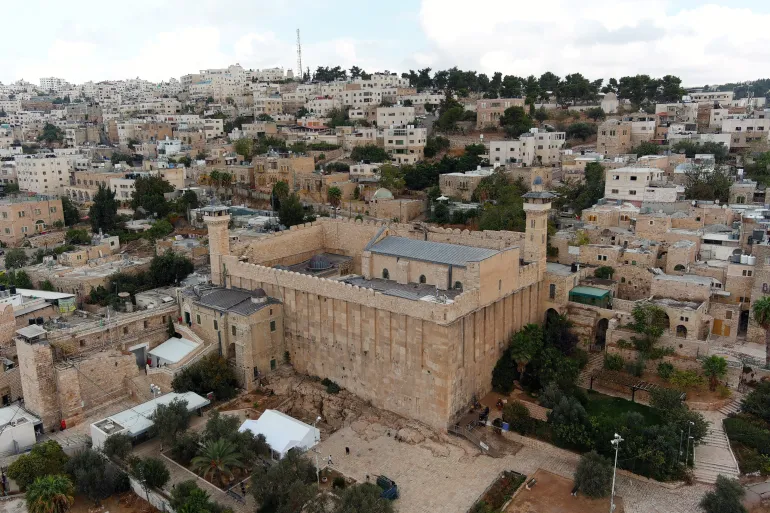
In Hebron stands a centuries-old mosque that Muslims call al-Haram al-Ibrahimi, the Ibrahimi Mosque. At the northern entrance to Bethlehem stands another mosque named after the Prophet's companion Bilal bin Rabah. Search for them today on the maps and road signs of the Israeli occupation, and you will not find these names: the first has become the "Cave of the Patriarchs" (Me'arat HaMachpela), the second "Rachel's Tomb."
Changing the name was only the beginning. In Hebron, the mosque was divided after a massacre, then added to a list of "Jewish heritage," then had its powers handed to a settlement council. In Bethlehem, the mosque was enclosed by a concrete wall and annexed to Jerusalem. This is the story of how the Zionist occupation rewrites the history of Palestinian holy sites, step by step, since it occupied the West Bank in 1967.

The Ibrahimi Mosque: a mosque at the heart of Hebron
The Ibrahimi Mosque stands at the heart of Hebron's Old City, within a stone enclosure dating to the first century CE, built to protect the tombs of the Prophet Abraham (Ibrahim) and his family. Over the centuries the site became a pilgrimage destination for followers of all three faiths, according to UNESCO.
The whole city is bound to the mosque, even in its name: al-Khalil, after Ibrahim, "Khalil al-Rahman," the Friend of God. The Old City took shape around the mosque in the Mamluk period (1250–1517), with its local limestone and tightly packed quarters, and expanded under the Ottomans.
The 1994 massacre: from bloodshed to partition
At dawn on Friday 25 February 1994, during Ramadan, some 400 to 500 worshippers were performing the dawn prayer in the Ibrahimi Mosque. Settler Baruch Goldstein, a doctor and reserve officer in the occupation army from the Kiryat Arba settlement and a member of the racist Kach movement, walked in and opened fire on the worshippers as they prostrated.
29 worshippers were killed and about 150 wounded. Occupation soldiers then killed more than 20 other Palestinians in the unrest that followed, according to the Institute for Middle East Understanding.
Punishing the victims
The irony is that the punishment fell not on the settlers but on Hebron's people:
- A total curfew was imposed on Palestinians in the city, not on settlers.
- Shuhada Street, the Old City's main artery, was closed, its shop doors welded shut, and Palestinians banned from walking on it.
- The Israeli commission of inquiry, known as the Shamgar Commission, found that Goldstein acted alone, absolving the Israeli establishment of responsibility.
Dividing the mosque: 63% versus 37%
The gravest result of the massacre was the partition of the mosque itself. The Shamgar Commission recommended allocating 63% of the site to settlers, including the call-to-prayer area, and leaving only 37% to Muslims, according to The New Arab. The mosque is also closed entirely to Muslims ten days a year during Jewish holidays.
The massacre thus became a "gain" for those who committed it: the worshippers were killed, and more than half their mosque was taken. Today about 400 settlers live in Hebron's Old City, guarded by about 1,500 occupation soldiers.

2010: both mosques on Israel's "national heritage" list
In February 2010, the occupation's prime minister Benjamin Netanyahu announced the inclusion of the Ibrahimi Mosque and the Bilal bin Rabah Mosque in Israel's list of "national heritage" sites, as part of a plan worth about $106 million to restore 150 heritage sites over six years, according to writer Stanley Meisler.
The problem is that both mosques are in the occupied West Bank, not within the 1948 lines. The occupation state added to its "national heritage" sites on land the United Nations recognises as occupied. Journalist Austen Ivereigh wrote that such "restorations" are a means of annexing Palestinian land and consolidating settlements, according to America Magazine.
UNESCO's response: "an integral part of the occupied Palestinian territories"
The 2010 decision
In October 2010 UNESCO's Executive Board adopted a decision urging the occupation state to remove the two sites from its national heritage list. It described them as of religious significance for Judaism, Christianity and Islam, and affirmed that they are "an integral part of the occupied Palestinian territories."
44 states voted in favour, one, the United States, voted against, and 12 abstained. Netanyahu called the decision "absurd" and an attempt to detach the Jewish people from their heritage, even though the decision itself recognised the sites' religious significance for Jews.
The 2017 decision: Hebron, Palestinian heritage in danger
On 7 July 2017, at the 41st session of the World Heritage Committee in Kraków, Poland, UNESCO inscribed "Hebron/Al-Khalil Old Town" on the World Heritage List under Palestine, and at the same time on the List of World Heritage in Danger, according to UNESCO. The inscription includes the Ibrahimi Mosque at the heart of the Old City.
2025–2026: the mosque's powers handed to a settlement council
The 1994 partition stayed in place for more than thirty years. Then in 2025 a new phase began, the most dangerous since the massacre:
- February 2025: planning powers over the mosque were transferred from the Palestinian Ministry of Awqaf to the planning authority of the occupation's "Civil Administration."
- July 2025: the Civil Administration stripped powers from the Palestinian Hebron Municipality and handed them to the religious council of the Kiryat Arba settlement, to facilitate "structural changes" at the site. The newspaper Israel Hayom called the move "historic and unprecedented," according to Middle East Monitor.
- 20 May 2026: Israel's Supreme Court rejected a petition by the Hebron Municipality, the Awqaf and the Hebron Rehabilitation Committee against an order seizing the roof of the mosque's inner courtyard, an area of 288 square metres, to cover it with a permanent structure, according to WAFA.
The Palestinian Ministry of Awqaf said the ruling "legalises the appropriation of the mosque's airspace," and warned that the project could damage archaeological remains and alter the character of a World Heritage site. It called on Palestinians to increase their presence at the mosque, and on UNESCO and the international community to intervene.
In three decades, the Ibrahimi Mosque has gone from a mosque, to a divided mosque, to "Jewish heritage," to a site run by a settlement. Each step was built on the one before.
The Bilal bin Rabah Mosque: from a roadside dome to a fortress behind the wall
A shared site across the centuries
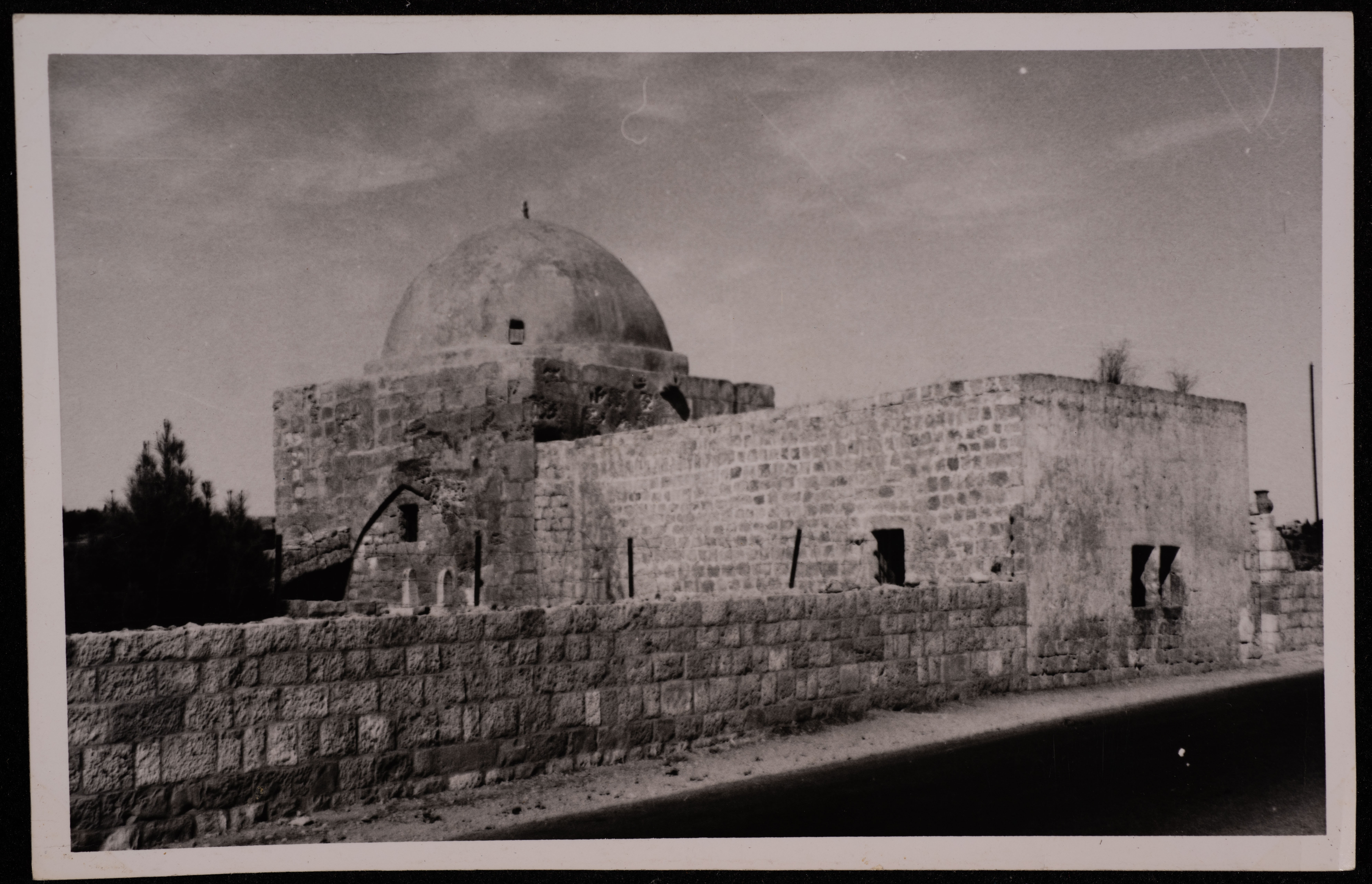
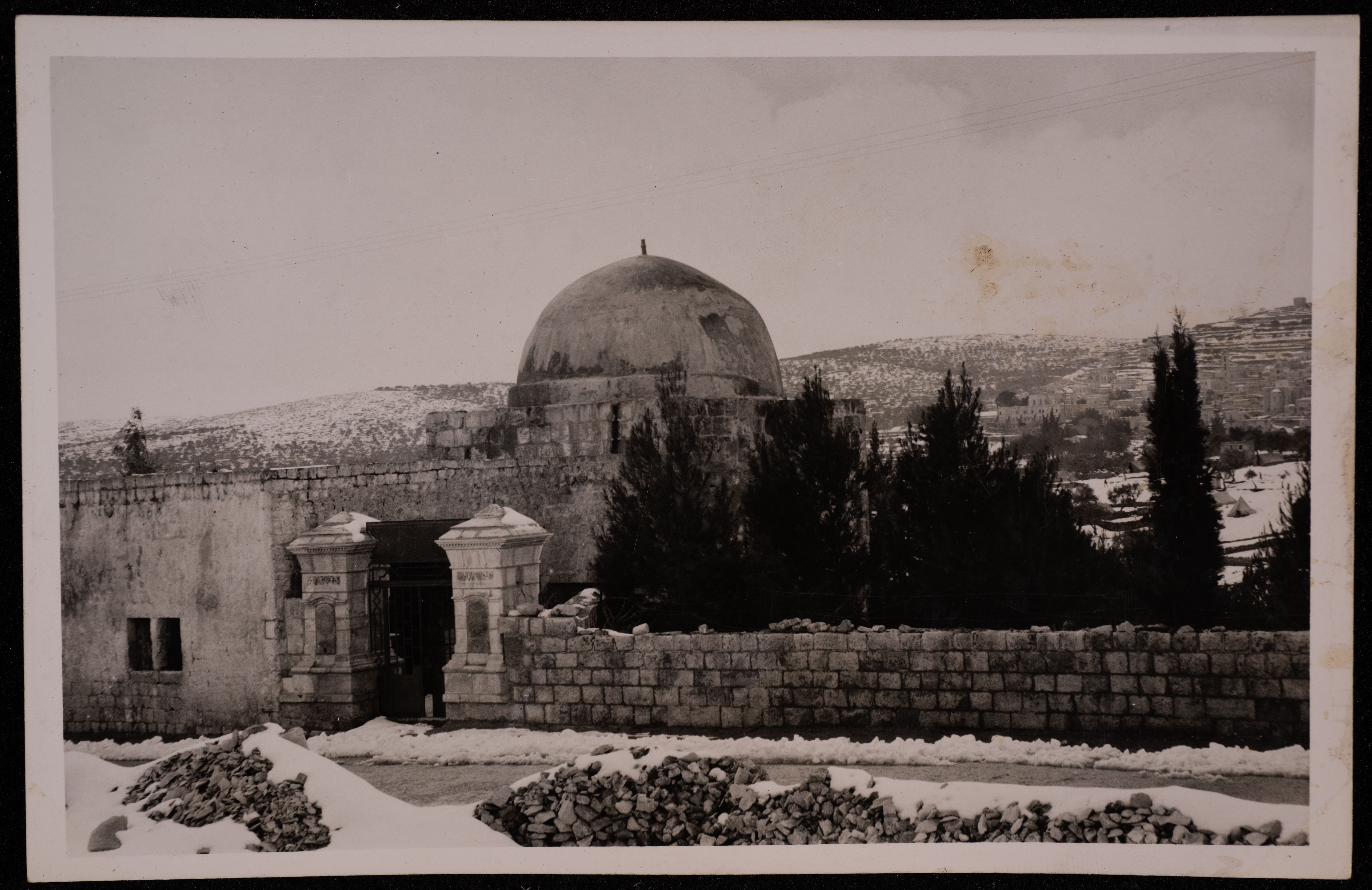
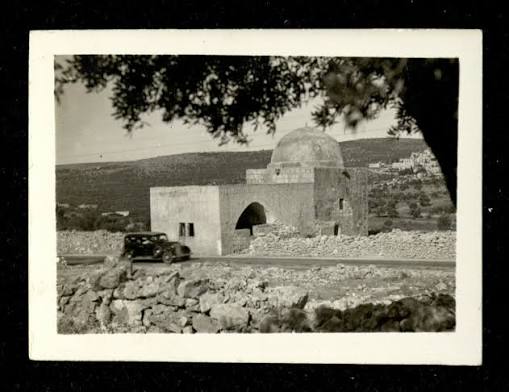
At Bethlehem's northern entrance, on the Jerusalem–Hebron road, stands a dome Muslims call "Qubbat Rahil" or the Bilal bin Rabah Mosque. The Ottoman-era Mohammed Pasha built the existing dome over the shrine in 1560. In the 19th century, British Jewish philanthropist Moses Montefiore added two rooms and a passageway containing a mihrab for Muslim prayer, according to Enjoy Bethlehem.
An old Muslim cemetery lies beside the site. Under the British Mandate the site remained under Palestinian administration, open to followers of all three faiths, according to America Magazine.
After 1967: closure, then fortification
- After the 1967 occupation: the occupation seized the site; Muslims were banned from praying there and from burying their dead in the adjacent cemetery, and the crescent was removed from the dome's doors.
- From 1994: military fortification of the site began, on the pretext of protection.
- After the Second Intifada: a military checkpoint was placed at Bethlehem's entrance, crippling local commerce.
11 September 2002: annexation to Jerusalem
On 11 September 2002, the occupation government's security cabinet decided to keep the site under its control by placing it behind the separation wall. The plan included a road about one kilometre long and 20 metres wide between two 10-metre walls, and the confiscation of about 20 dunams, according to the POICA settlement monitoring project.
The plan threatened the evacuation or demolition of 12 to 15 residential buildings, workshops and a factory, the uprooting of 400 to 500 olive trees, and the Muslim cemetery and Armenian Church property. Today the mosque sits behind the wall, surrounded by fences and watchtowers, in a corridor reachable by Israelis from Jerusalem but not by the people of Bethlehem who live metres away.

How the history of holy sites is rewritten: five steps
Put the two mosques' stories side by side and a repeated pattern followed by the Israeli occupation emerges:
| Step | Ibrahimi Mosque | Bilal bin Rabah Mosque |
|---|---|---|
| 1. Rename | "Cave of the Patriarchs" | "Rachel's Tomb" |
| 2. Restrict access | Closed to Muslims ten days a year | Prayer and burial banned after 1967 |
| 3. Partition or isolate | 63% to settlers after the 1994 massacre | Walled off since 2002 |
| 4. Symbolic annexation | "National heritage" list, 2010 | "National heritage" list, 2010 |
| 5. Transfer administrative control | Powers to the Kiryat Arba settlement council, 2025 | De facto annexation into Jerusalem |
At each step the change is presented as "protection," "restoration" or "management," never as seizure. The occupation does not need to deny that Muslims prayed here for centuries; it only needs to change the name first, then divide, then manage, until the new present becomes the only narrative.
The holy sites are not an exception but part of a wider policy that began with the Nakba: erasing names, looting books, seizing land. The difference is that the battle over holy sites is still being fought now, every day, in Hebron and Bethlehem, before the eyes of the world.
Frequently asked questions about the Ibrahimi and Bilal mosques
What does the occupation call the Ibrahimi Mosque?
It calls it the "Cave of the Patriarchs" or "Me'arat HaMachpela" and presents it as a Jewish site, even though it has been an Islamic mosque for centuries.
When did the Ibrahimi Mosque massacre happen?
At dawn on Friday 25 February 1994, during Ramadan, when settler Baruch Goldstein killed 29 worshippers and wounded about 150 during the dawn prayer.
How was the Ibrahimi Mosque divided?
After the massacre, Israel's Shamgar Commission recommended allocating 63% of the site to settlers and only 37% to Muslims, and the mosque is closed to Muslims ten days a year.
What is the Bilal bin Rabah Mosque?
A mosque and dome at Bethlehem's northern entrance, called "Rachel's Tomb" by the occupation. The occupation walled it off behind the separation wall by a decision of 11 September 2002, and Bethlehem's people are barred from reaching it.
What did UNESCO say about the Ibrahimi and Bilal mosques?
In 2010 UNESCO's Executive Board affirmed that the two sites are "an integral part of the occupied Palestinian territories" and urged the occupation state to remove them from its heritage list. In 2017 it inscribed Hebron's Old City on the World Heritage List under Palestine and on the List of World Heritage in Danger.
What are the occupation's latest measures at the Ibrahimi Mosque?
In July 2025 the occupation transferred powers over the mosque from the Hebron Municipality to the religious council of the Kiryat Arba settlement. In May 2026 its Supreme Court rejected a petition against the seizure of the roof of the mosque's inner courtyard for roofing.
Read more on Our Palestine
- Zionist massacres
- Archaeological sites in Palestine
- Al-Aqsa Mosque
- All Palestinian heritage articles on Our Palestine
Sources
- Hebron/Al-Khalil Old Town inscribed on World Heritage List and List of World Heritage in Danger, UNESCO, 7 July 2017
- Fact Sheet: The Ibrahimi Mosque Massacre, Institute for Middle East Understanding (IMEU)
- Israel quietly hands Ibrahimi Mosque control to settler council, The New Arab, 16 July 2025
- Israel strips Hebron municipality of authority over Ibrahimi Mosque, Middle East Monitor, 16 July 2025
- Supreme Court of Israel rejects appeal against seizure of roof of inner courtyard of Ibrahimi Mosque, WAFA, May 2026
- The Cave of the Patriarchs and the Tomb of Rachel, Stanley Meisler, 22 April 2011
- When restoring a tomb is not an innocent act, Austen Ivereigh, America Magazine, 24 February 2010
- Rachel's Tomb and the Mosque of Bilal Bin Rabah, Enjoy Bethlehem
- Israeli actions to annex Bethlehem's Rachel Tomb to Israel, POICA, 28 September 2002
Photo gallery
More from the archive
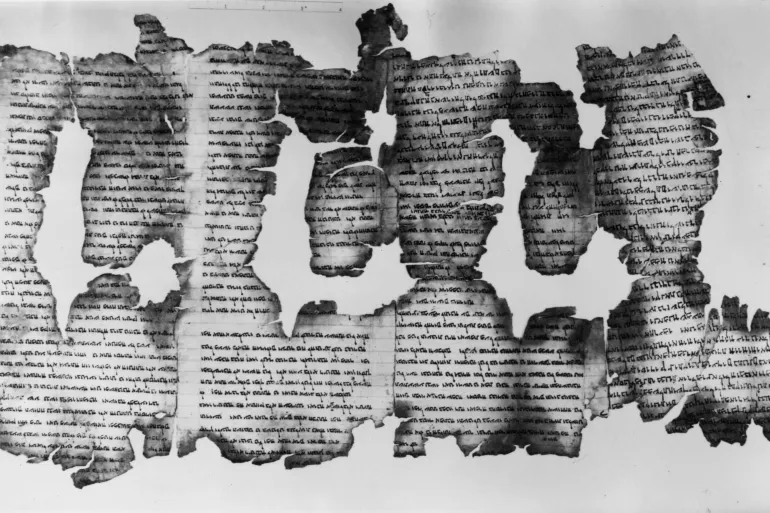 Palestinian heritage
The Dead Sea Scrolls: How the Israeli Occupation Seized a Palestinian Treasure Found on the Eve of the Nakba
 Palestinian heritage
The Jaffa Orange: How Palestine's Orange Became an Israeli "Jaffa" Brand
 Palestinian heritage
The Great Book Robbery: How the Zionist Occupation Looted 70,000 Palestinian Books in the Nakba
 Download Our Palestine App
The whole archive in the palm of your hand: depopulated villages, the Nakba, the massacres and Al-Aqsa — free, with no ads to erase the story.



Comments
No comments yet — be the first to write one.
Add your comment
Name and email are optional. Comments appear after review.