
Battle of Dhahr al-Hijja 1948: When Surif's Villagers Wiped Out "the Thirty-Five"
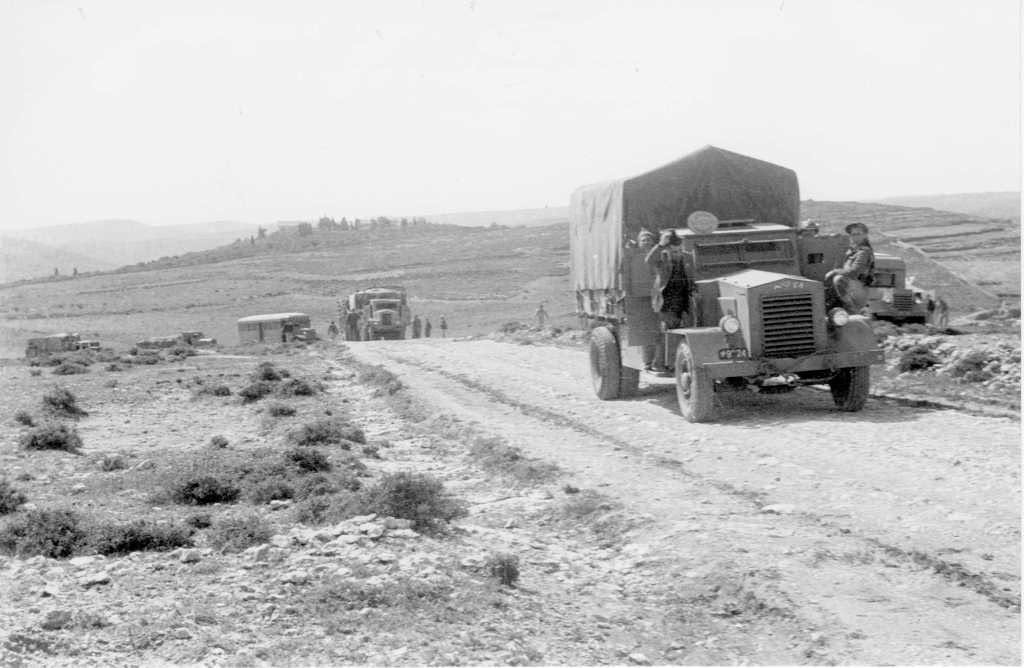
The Battle of Dhahr al-Hijja, also known as the Battle of Surif, was one of the most prominent battles of the Nakba in the Hebron hills. It was fought between 13 and 18 January 1948 around the settlement of Kfar Etzion and the mountain of Dhahr al-Hijja north of the village of Surif. The people of Surif and the neighbouring villages surrounded a Zionist force heading to reinforce the settlement, wiped it out to the last man, and then drove back the convoy sent to recover its dead. [1][2]
It was a painful blow to the Zionist command: the unit known on their side as “the Thirty-Five” was killed, and opinion in their ranks split over whether the remote settlements were worth holding. [1][2]
Contents
- At a glance
- Background: settlements cutting the road
- 13 January: the attack on Kfar Etzion
- 16 January: the destruction of “the Thirty-Five”
- 18 January: driving back the relief convoy
- The villagers in the battle
- Results and significance
- Differences between the accounts
- Timeline
- Frequently asked questions about the Battle of Dhahr al-Hijja
At a glance
| Item | Details |
|---|---|
| Dates | 13–18 January 1948 |
| Place | Dhahr al-Hijja mountain north of Surif, between Surif and Beit Nattif, near the Kfar Etzion settlement, Hebron district |
| Arab participants | People of Hebron, Surif and nearby villages, with volunteers from Jerusalem and Beersheba |
| Prominent commander | Ibrahim Abu Dayyeh |
| Enemy | Kfar Etzion’s settlers, a Zionist force of 35 fighters, then a convoy sent to recover the dead |
| Zionist losses | 35 killed on 16 January and 13 on 18 January |
| Arab martyrs | About 22 killed and 24 wounded over the three days |
| Outcome | The Zionist force was wiped out and the relief convoy driven back |
Background: settlements cutting the road
The Kfar Etzion settlement and its satellite settlements were built on the Jerusalem–Hebron road between Bethlehem and Hebron, from where they threatened Arab travellers on this vital route. The settlement overlooked the mountain of Dhahr al-Hijja, north of the village of Surif. [1]
On 13 January 1948 the British withdrew their police posts from the Hebron hills, and that same day the settlers of Kfar Etzion fired on the car of the Iraqi consul as he travelled to Hebron, enraging the people of the area. [1]
13 January: the attack on Kfar Etzion
The people of Hebron and the nearby villages, joined by men from Jerusalem and Beersheba, rose to attack the settlement. But the attack failed because it rested on enthusiasm rather than a considered military plan, and 14 of the attackers were martyred and 24 wounded. [1]
16 January: the destruction of “the Thirty-Five”
After the attack, the Zionist command sent a force of 35 fighters to reinforce Kfar Etzion. The force, as military historians on the other side themselves acknowledge, was under the watch of Palestinian fighters from the moment it set out. [1][2]
On 16 January the people of Surif intercepted the force on its way to the settlement, and it took refuge on Dhahr al-Hijja between Surif and Beit Nattif. The fighters surrounded it from several sides and stormed the mountain until they had wiped it out, killing all thirty-five of its men. Five of the fighters were martyred; another account says four. [1][2]
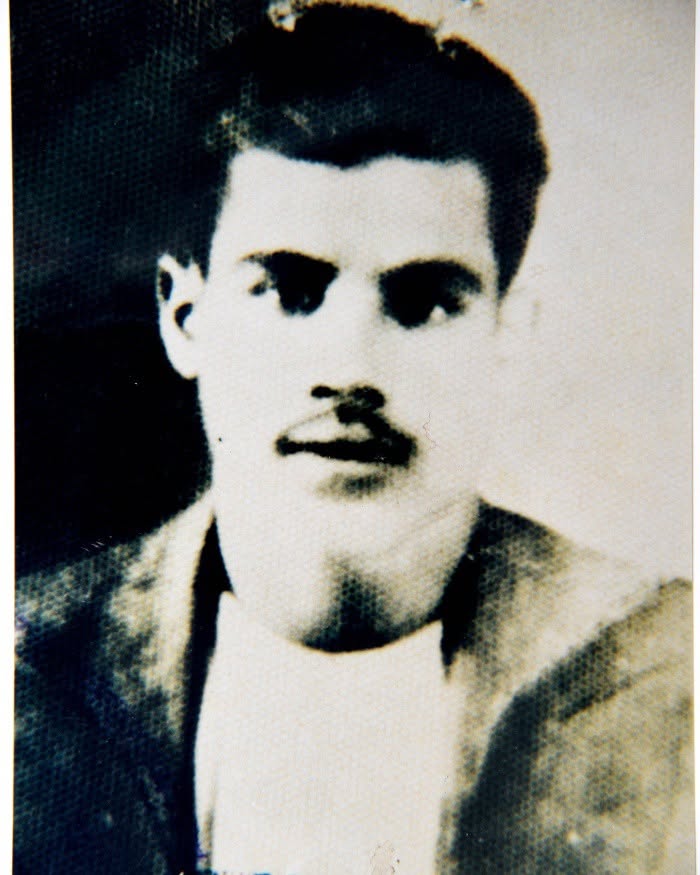
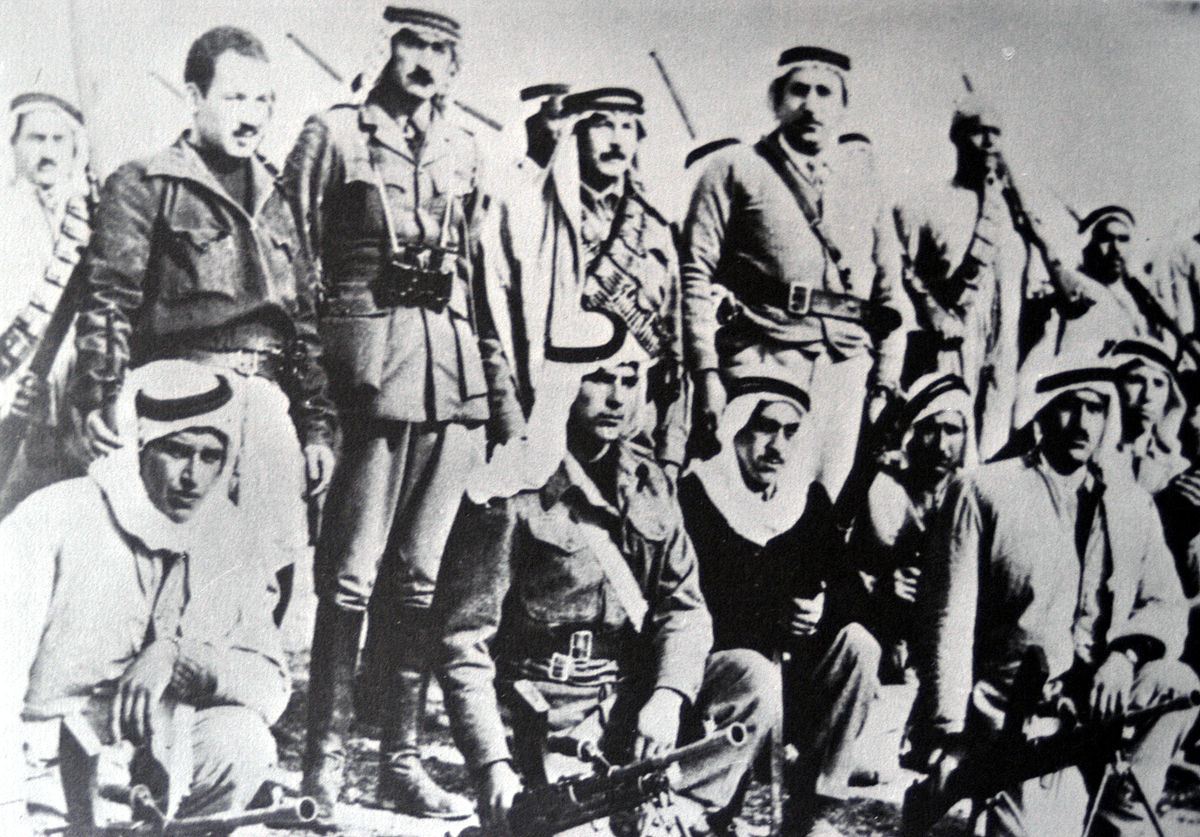
The name of Ibrahim Abu Dayyeh, a son of Surif and one of the founders of the Holy Jihad Army alongside Abd al-Qadir al-Husseini, came to prominence in this battle. [2]
18 January: driving back the relief convoy
On 18 January a Zionist convoy came to recover the bodies. The fighters engaged it for seven straight hours until they forced it back; 13 of its men were killed, and three of the fighters were martyred. The British Mandate authorities then stepped in and removed the bodies themselves. [1]
The villagers in the battle
Dhahr al-Hijja was above all a villagers’ battle. Alongside the sons of Surif fought men from the neighbouring villages, among them, from the town of Tarqumiya, Muhammad Mahmoud Khalil al-Ja’afra, Abd al-Rahman Awwad al-Fatafta, Abd al-Ali Mahmoud Awad, Muhammad Issa al-Ja’afra, Ahmad Mustafa Irtish and Shehadeh Abd al-Muhsin Qabaja. [3]
Results and significance
The battle ended with the Zionist force destroyed and the relief convoy repelled; Zionist losses came to about 48 dead. On the Arab side about 22 were martyred and 24 wounded over the three days. [1]
The battle stirred controversy in the Zionist command: calls grew to pull out of the remote settlements and shorten supply lines, and the “Thirty-Five” unit became a military legend on their side. [2][1]
Kfar Etzion and the neighbouring settlements remained until 10 and 13 May 1948, when the Jordanian army, joined by the people of Hebron, destroyed them. [1]
Read also: The Battle of Kfar Etzion.
Differences between the accounts
The sources agree that the Zionist force was wiped out and that thirty-five of its men were killed, but they differ on the number martyred on 16 January, five or four. The Al Jazeera Encyclopedia dates Tarqumiya’s part in the battle to 1947, whereas the battle took place in January 1948. [1][2][3]
Timeline
| Date | Event |
|---|---|
| 13 January 1948 | British police leave the Hebron hills; the Iraqi consul’s car is fired on; the first attack on Kfar Etzion fails [1] |
| 16 January 1948 | Surif’s people trap “the Thirty-Five” on Dhahr al-Hijja and wipe them out [1] |
| 18 January 1948 | The relief convoy is driven back after seven hours of fighting [1] |
| 10–13 May 1948 | The Jordanian army and the people of Hebron destroy the Etzion bloc settlements [1] |
Frequently asked questions about the Battle of Dhahr al-Hijja
When was the Battle of Dhahr al-Hijja?
Between 13 and 18 January 1948, peaking on 16 January. [1]
Where is Dhahr al-Hijja?
North of the village of Surif in the Hebron district, between Surif and Beit Nattif, near the Kfar Etzion settlement. [1][2]
Who were “the Thirty-Five”?
A Zionist force of 35 fighters sent to reinforce Kfar Etzion, which Surif’s people trapped on Dhahr al-Hijja and wiped out. [1][2]
Who fought at Dhahr al-Hijja?
The people of Surif, Hebron and nearby villages including Tarqumiya, with volunteers from Jerusalem and Beersheba; Ibrahim Abu Dayyeh came to prominence in it. [1][3][2]
How many were martyred?
About 22 martyrs and 24 wounded over the three days: 14 on 13 January, 5 on 16 January and 3 on 18 January. [1]
What was its impact on the Zionist side?
It raised doubts about holding remote settlements and prompted calls to withdraw from them and shorten supply lines. [2]
Read also on Palestinuna
Sources and references
- WAFA – Palestinian National Information Centre, “Battles of the Nakba”: “The Battle of Dhahr al-Hijja” (in Arabic).
- Encyclopedia of Palestinian Camps, “Commander Ibrahim Abu Dayyeh” (in Arabic).
- “Tarqumiya: The Link between the West Bank and the Gaza Strip,” Al Jazeera Encyclopedia, 1 September 2024 (in Arabic).
Photo gallery
More from the archive
 Download Our Palestine App
The whole archive in the palm of your hand: depopulated villages, the Nakba, the massacres and Al-Aqsa — free, with no ads to erase the story.



Comments
No comments yet — be the first to write one.
Add your comment
Name and email are optional. Comments appear after review.