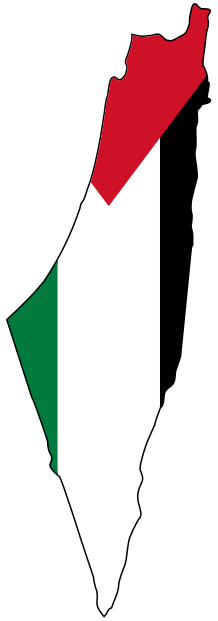
The Nablus Clock Tower

The Nablus Clock Tower: The Ottoman "Manara" at the Heart of Bab al-Saha
The Nablus Clock Tower, or "al-Manara" (the Minaret) as the city's people call it, is a four-storey Ottoman tower standing in Bab al-Saha square at the entrance to the Old City of Nablus. It was built in 1901 to mark the silver jubilee of Sultan Abdul Hamid II's accession; the sultan gave the city a German-made clock that still crowns the tower today. It is one of the few Ottoman clock towers surviving in Palestine and is described as the only one of its kind in the West Bank. Around it the marches of both intifadas set out and dozens of martyrs were bid farewell, and the square remains the beating heart of old Nablus in the face of Israeli army raids. This guide covers the tower and its square.
Quick facts
| Arabic name | برج الساعة – نابلس (المنارة) |
|---|---|
| Other name | Al-Manara |
| Location | Bab al-Saha square, entrance to the Old City of Nablus |
| Built | 1901 CE |
| Occasion | Silver jubilee of Sultan Abdul Hamid II's accession |
| Storeys | Four |
| Clock | German-made clock gifted by the sultan, still in place |
| Restoration | 2012, funded by the Turkish agency TIKA |
| Neighbours | Al-Nasr Mosque, the Ottoman Saraya |
| Condition | Standing and working today |
The name
The people of Nablus call the tower "al-Manara" (the Minaret) because it rises to the height of a minaret, and the square took its name, becoming "Manara Square". The square has other names too: most popularly "Bab al-Saha", and "Sahat al-Hadra", which researchers link to Saladin's entry into the city after liberating it from the Crusaders.
Location: Bab al-Saha
The tower stands in the centre of Bab al-Saha square at the entrance to the Old City of Nablus in the north of the occupied West Bank. It is one of the city's oldest and best-known squares, and visitors compare it to Damascus for its architecture, earning it the name "Little Damascus". Al-Nasr Mosque overlooks it from the west, along with the Ottoman Saraya and the old markets.
The tower: history and architecture
The tower was built in 1901 under Sultan Abdul Hamid II to mark the silver jubilee of his accession, as part of a programme in which the sultan gave clock towers to the cities of the Ottoman Empire; Palestine received seven. The sultan gave Nablus a German-made clock that still crowns the tower today, and the people of the city still set their watches by it. The tower has four storeys. Its lowest floor once housed the guard of the square, and at the top the clock sits in a round frame visible from all four sides. Above the door a stone plaque records the date of construction in abjad numerals. In 2012 the tower was restored with funding from the Turkish Cooperation and Coordination Agency (TIKA).
Bab al-Saha square and its landmarks
- Al-Nasr Mosque: on the western side of the square, in Ottoman style with a green dome, one of the largest and most important mosques in Nablus. A church once stood on the site and became a mosque after the Islamic conquest. An earthquake destroyed it in 1927, and it was rebuilt over four years.
- The Ottoman Saraya: overlooking the square, it housed the administrative offices, the municipality, the governorate and the accounts office, with a prison and horse stables on its ground floor. Today it holds fabric shops, with Palestinian families living above.
- The markets: the square is ringed by the shops and markets of the Old City, and hosts celebrations of the Prophet's birthday and Ramadan events.
Ottoman clock towers in Palestine
The Nablus tower was one of several Ottoman clock towers in the cities of Palestine. Others include the Jaffa tower in Clock Square, the Haifa tower opposite al-Jarina Mosque, the Acre tower above Khan al-Umdan, the Safad tower near the Saraya, and the Jerusalem tower above Bab al-Khalil, which the British Mandate removed in 1922. While the other towers stand in cities most of whose people were expelled in 1948, the Nablus tower stands in a city whose people are still there, and it is the only one of its kind in the West Bank.
Square of intifadas and martyrs
Beneath al-Manara the marches of the First Intifada against the occupation set out in December 1987, followed by those of the al-Aqsa Intifada in September 2000. From the square, as a Nablus writer and researcher puts it, dozens of martyrs were bid farewell. The square still hosts commemorations of martyrs, and the surrounding shops display photographs of young men killed by Israeli army fire during its repeated raids on the Old City.
The tower today (2026)
The clock of al-Manara still turns above Bab al-Saha, and visitors and residents sit on the benches around it. Yet the Old City of Nablus lives under the weight of repeated Israeli army raids, high prices and declining trade. The tower remains the symbol of old Nablus, its "beating heart" as its merchants describe it, and a witness to a city that has endured through every age.
Frequently asked questions
Where is the Nablus Clock Tower?
In Bab al-Saha square at the entrance to the Old City of Nablus, near al-Nasr Mosque and the Ottoman Saraya.
When was the Nablus Clock Tower built?
In 1901, to mark the silver jubilee of the Ottoman Sultan Abdul Hamid II's accession.
Why is the tower called "al-Manara"?
Because it rises to the height of a minaret. It gave its name to the square, also known as Manara Square.
Does the original clock still work?
Yes. The German-made clock gifted by Sultan Abdul Hamid still crowns the tower and keeps time, and the tower was restored in 2012.
Why is Bab al-Saha square important?
It is one of the oldest squares in Nablus, the starting point of marches in both intifadas, and still the heart of the Old City and the place for commemorating martyrs and religious occasions.
Conclusion
For more than a century al-Manara has kept time for old Nablus, a witness to the age of the sultanate, the marches of two intifadas and the funerals of martyrs. Its German clock still turns above Bab al-Saha, as if to say that Nablus, "Little Damascus", endures through its people.
More from the archive
 Download Our Palestine App
The whole archive in the palm of your hand: depopulated villages, the Nakba, the massacres and Al-Aqsa — free, with no ads to erase the story.
Comments
No comments yet — be the first to write one.
Add your comment
Name and email are optional. Comments appear after review.