
Al-Fawwar Refugee Camp
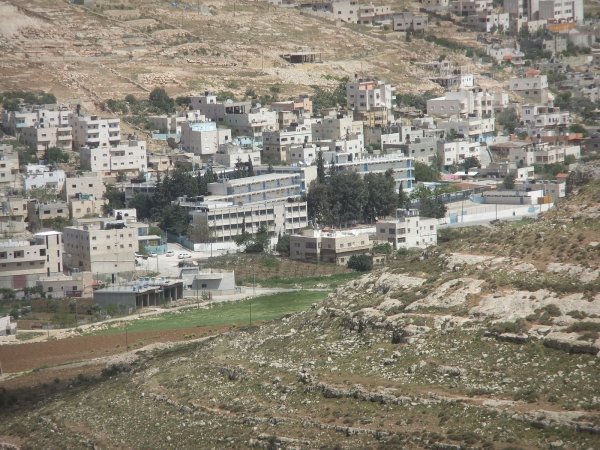
Al-Fawwar Refugee Camp
Al-Fawwar Refugee Camp: History, Population, Villages of Origin and the Right of Return
Al-Fawwar Camp is the southernmost Palestine refugee camp in the West Bank, about 8 km south of Hebron. It was established in for refugees from 18 villages west of Hebron, in the Gaza district and the Beersheba region, among them Bayt Jibrin, Ajjur, Tall al-Safi, Iraq al-Manshiyya and al-Faluja, driven out during the occupation of Palestine in 1948. In 2022, 12,452 refugees were registered in a camp of only 0.27 km². Surrounded by a settlement, a military camp and a watchtower at its entrance, al-Fawwar faces frequent raids, closures and mass arrests, which have intensified in 2025 and 2026. This guide covers its history, origins, population, living conditions and current situation.
Quick Facts About Al-Fawwar Camp
| Arabic name | مخيم الفوار |
|---|---|
| Country / Region | Palestine, southern West Bank |
| Governorate | Hebron |
| Year established | |
| Area | About 0.27 km² (about 273 dunums) |
| Registered refugees | 12,452 (UNRWA, ) |
| UNRWA facilities | 4 schools serving more than 1,779 pupils and 1 health centre |
| Origin of residents | 18 villages west of Hebron, in the Gaza district and the Beersheba region |
| Known for | The southernmost camp in the West Bank |
| Current status | Frequent raids, closures and mass arrests as of 2026 |
Note: UNRWA counts refer to refugees registered in the camp, not necessarily the number of people living there at any given time.
The Nakba: Why Al-Fawwar Camp Exists
Al-Fawwar Camp was born from the Nakba (Arabic for "catastrophe"): the mass expulsion of Palestinians during the occupation of Palestine in . Roughly 750,000 Palestinians were driven from their homes, and hundreds of villages were emptied and destroyed.
Between July and November 1948, the villages of the western Hebron hills and the southern plain, such as Bayt Jibrin, Ajjur, Tall al-Safi, Dayr al-Dubban, Iraq al-Manshiyya and al-Faluja, were occupied and their people expelled. Many of them climbed east into the Hebron mountains, and in 1949 some settled south of Hebron, on the site that became al-Fawwar Camp.
The Right of Return
The right of return is the central demand of al-Fawwar's refugees. It rests on several foundations in international law:
- UN General Assembly Resolution 194 (), paragraph 11, resolved that refugees wishing to return to their homes and live at peace with their neighbours should be permitted to do so at the earliest practicable date, and that compensation should be paid to those choosing not to return and for loss of or damage to property.
- The Universal Declaration of Human Rights (Article 13) affirms everyone's right to leave any country, including their own, and to return to it.
- UN General Assembly Resolution 3236 () reaffirmed the "inalienable right" of Palestinians to return to their homes and property.
The villages of al-Fawwar's families lie only a few dozen kilometres to the west, beyond the 1949 armistice line. For three generations, the camp's people have held onto the right to return to them.
History of the Camp
Founding (1949–1967)
The camp was established in 1949 on land leased for 99 years from a family from the nearby town of Dura. UNRWA took over in 1950 and replaced tents with simple shelters. From 1948 to 1967 the West Bank was under Jordanian administration.
Occupation and the Intifadas (1967–2005)
With the occupation of the West Bank and Gaza Strip in , the camp came under Israeli military rule. The settlement of Beit Haggay and an Israeli military camp were later built only a few kilometres away, and a military watchtower was placed at the entrance to the camp. The camp's people took part in both Intifadas.
Land and livelihoods (2005–2023)
The camp's population has more than tripled since 1949. Residents depended almost entirely on work inside the 1948 territories, and the closure of that labour market sharply increased unemployment and poverty. In 2010 and 2011, the occupation authorities issued demolition and eviction notices against homes, structures and agricultural land in the Jabal al-Qrei' area north of the camp, which refugee families had reclaimed for farming.
Raids, Closures and Arrests (2014–2026)
UNRWA notes that protection is a major concern for residents, with frequent incursions, closures and clashes:
- 2014: a minor from the camp was killed during clashes with Israeli forces.
- 2016: the army closed the camp for 26 days. Weeks later, a raid by three battalions lasting about 20 hours left one young man dead and 32 people wounded by live fire, while the army reported finding only two improvised handguns and some equipment.
- February 2025: Israeli forces stormed the camp, firing live ammunition and stun grenades and searching homes.
- April 2025: a large dawn raid with a military bulldozer led to the arrest of more than 60 Palestinians; a home was turned into a temporary military post, and detainees were interrogated inside homes.
- June 2026: on 20 June, Israeli forces stormed the camp, using heavy live fire and tear gas that caused suffocation among residents inside their homes, and a young man was bound and forced to sit on the ground for hours. On 23 June, dozens of homes were raided and about 25 residents were detained for field interrogation, six of whom were kept under arrest.
These raids take place within a wider escalation across the West Bank since 2025, including the forcible displacement of the entire populations of Jenin, Tulkarm and Nur Shams camps in the north.
Origin of the Name
The camp takes its name from the area of al-Fawwar south of Hebron, next to the village of Hadab al-Fawwar. In Arabic, fawwar describes gushing water, and the name is commonly linked to a spring in the area. It is also spelled Fawwar or al-Fuwwar.
Location and Geography
Al-Fawwar Camp lies in the Hebron Governorate in the southern West Bank, about 8 to 10 km south of the city of Hebron. It is bordered by:
- North: the city of Hebron
- East: the village of al-Rihiyya
- West: the town of Dura and the village of Hadab al-Fawwar
It sits in the southern Hebron hills, with relatively mild temperatures. An Israeli settlement and military camp lie only a few kilometres away.
Area and Land
The camp covers about 273 dunums (0.27 km²), with roughly 30 people per dunum, one of the highest densities in the area. The land was leased for 99 years from a family from Dura.
Villages of Origin
According to UNRWA, al-Fawwar's refugees come from 18 villages in the area west of Hebron, the Gaza district and the Beersheba region. Other sources speak of up to 24 villages. They include:
Population and Demographics
| Period | Population | Source |
|---|---|---|
| 1949 | Founding population; has more than tripled since | UNRWA |
| 2010–2011 | About 7,500 residents | POICA |
| 2016 | About 10,000 residents | Press reports |
| 2022 | 12,452 registered refugees | UNRWA |
Housing and Infrastructure
With about 30 people per dunum, the camp is densely built, and families have added floors to their homes as they have grown. Expansion beyond the camp's boundaries is restricted, and homes and structures on reclaimed land nearby have received demolition notices. Raids regularly damage homes, doors and walls.
Health Situation
One UNRWA health centre provides primary health care, including reproductive health, child care, immunisation, screening and treatment. Frequent raids, live fire and tear gas cause injuries and suffocation, and have a deep psychological impact on children and families.
Economic Situation
Al-Fawwar's residents once depended almost entirely on work inside the 1948 territories. The closure of that labour market has severely affected employment and the economic situation, contributing to the camp's high unemployment and poverty. Some families farm small plots of reclaimed land near the camp, which have themselves been targeted with eviction notices.
Education
UNRWA runs four schools in the camp, serving more than 1,779 pupils. Raids and closures regularly disrupt schooling and affect children's wellbeing.
Frequently Asked Questions About Al-Fawwar Camp
Where is al-Fawwar refugee camp located?
It lies in the Hebron Governorate, about 8 km south of Hebron, and is the southernmost refugee camp in the West Bank.
How many refugees live in al-Fawwar camp?
UNRWA reported 12,452 registered refugees in 2022, on an area of about 0.27 square kilometres.
When was al-Fawwar camp established?
It was established in 1949, on land leased for 99 years, for refugees expelled in 1948.
Where do al-Fawwar's refugees come from?
From 18 villages west of Hebron, in the Gaza district and the Beersheba region, including Bayt Jibrin, Ajjur, Tall al-Safi, Dayr al-Dubban, Dayr Nakhkhas, Iraq al-Manshiyya, al-Faluja and Summil.
What is the situation in al-Fawwar camp in 2026?
The camp faces frequent Israeli raids, closures and mass arrests. In June 2026, raids involved heavy live fire and tear gas, and about 25 residents were detained in a single raid.
Conclusion
Al-Fawwar Camp, at the southern edge of the West Bank, was built by refugees from Bayt Jibrin, Ajjur, Iraq al-Manshiyya, al-Faluja and the villages of the western Hebron hills. For more than seventy years, it has lived under a watchtower, through closures, raids and arrests. Its people continue to hold onto the right to return to the villages their families lost in 1948, only a short distance to the west.
More from the archive


 Download Our Palestine App
The whole archive in the palm of your hand: depopulated villages, the Nakba, the massacres and Al-Aqsa — free, with no ads to erase the story.
Download Our Palestine App
The whole archive in the palm of your hand: depopulated villages, the Nakba, the massacres and Al-Aqsa — free, with no ads to erase the story.



Comments
No comments yet — be the first to write one.
Add your comment
Name and email are optional. Comments appear after review.
Social Situation
Al-Fawwar is a close-knit community, organised around family and village ties from the western Hebron hills and the southern plain. The camp is twinned with a city in France. Repeated raids and arrests, especially of young men, place heavy pressure on families.