UN General Assembly Resolution 181 and the Partition of Palestine
UN General Assembly Resolution 181 and the Partition of Palestine
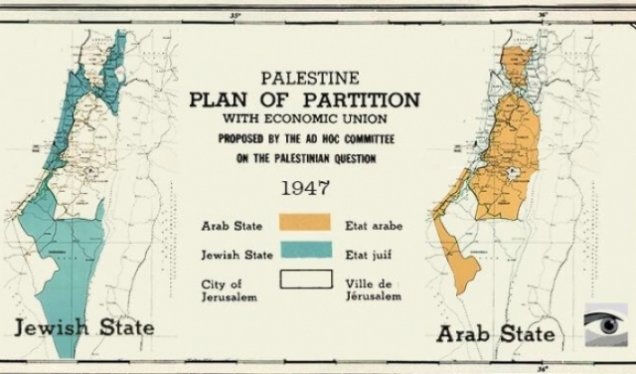
On November 29, 1947, the United Nations General Assembly adopted Resolution 181 (II), recommending the partition of Mandatory Palestine into an Arab state and a Jewish state, while Jerusalem and its surrounding area, including Bethlehem, would be placed under a special international regime administered by the United Nations.
The resolution became one of the most consequential decisions in modern Palestinian history.
The proposed Jewish state was allocated approximately 55.5 to 56 percent of Mandatory Palestine, even though Jews constituted roughly one-third of the country’s population, while Jewish landownership, according to estimates and statistics used at the time, amounted to approximately 6 to 7 percent of Palestine’s total area.
From a Palestinian perspective, one of the most controversial aspects of the partition proposal was that an international organization recommended dividing the country and allocating more than half of its territory to a state intended for a population that was still a demographic minority, without the consent of the Palestinian Arab majority.
From a legal standpoint, Resolution 181 was a recommendation adopted by the United Nations General Assembly for a plan of partition with economic union. It did not authorize the forcible seizure of additional territory, the expulsion of inhabitants, or the destruction of communities. Politically, however, it represented a major turning point, as the principle of establishing a Jewish state in Palestine received the support of a majority of the United Nations General Assembly for the first time.
The Origins of the Partition of Palestine
The idea of dividing Palestine into separate Arab and Jewish states did not originate with the United Nations.
In 1937, the British Peel Royal Commission presented the first official British proposal for the territorial partition of Palestine, after concluding that the Mandate system and the competing political objectives in the country had become increasingly difficult to reconcile.
The Jewish state proposed by the Peel Commission was considerably smaller than the territory later allocated to the proposed Jewish state under the United Nations plan ten years later.
The Palestinian political leadership rejected the Peel proposal, maintaining that Palestine was an indivisible country and that its Palestinian Arab majority possessed the right to national independence and self-determination.
The Zionist leadership, meanwhile, was divided over the proposed boundaries. The Jewish Agency and a number of Mapai leaders accepted the principle of partition as a possible basis for negotiations, while other Zionist currents opposed the limited territory allocated to the proposed Jewish state.
The Zionist Congress did not approve every detail of the Peel map, but it authorized the Zionist leadership to continue negotiations on the basis of the principle of partition and the possibility of establishing a Jewish state.
In 1938, Britain established the Woodhead Commission to examine whether partition could be implemented in practice. The Commission concluded that the proposed schemes faced major practical difficulties, and Britain temporarily abandoned partition as an immediate policy.
Britain Refers the Palestine Question to the United Nations
After the Second World War, Britain’s ability to continue administering Palestine declined amid an escalating political and military crisis.
Palestinian demands for independence and for an end to Zionist immigration and settlement remained unresolved, while Zionist armed organizations intensified their operations against British rule and demanded the removal of immigration restrictions and the establishment of a Jewish state.
In February 1947, Britain announced that it would refer the Palestine question to the United Nations.
The United Nations subsequently established the United Nations Special Committee on Palestine (UNSCOP), composed of representatives from eleven states.
After visiting Palestine and examining the competing political proposals, the members of the committee divided over the proposed solution.
The majority recommended partitioning Palestine into two states with an economic union between them, while a minority consisting of India, Iran, and Yugoslavia proposed the establishment of a single federal state containing Arab and Jewish constituent units.
The majority proposal became the basis for the partition plan eventually adopted by the General Assembly in Resolution 181.
The Demographic Reality of Palestine
The relationship between population, landownership, and the territory allocated to each proposed state was among the most controversial aspects of the partition plan.
In 1947, Palestinian Arabs still constituted approximately two-thirds of Palestine’s population, while Jews represented roughly one-third.
Figures used in United Nations documents at the time indicated a population of approximately:
- 1.2 million Palestinian Arabs, representing around 66 percent of the population.
- 600,000 Jews, representing around 33 percent of the population.
In terms of landownership, the disparity was even greater. Statistics and estimates used during the period placed Jewish landownership at only about 6 to 7 percent of Palestine’s total area, while the overwhelming majority of privately owned land belonged to Palestinian Arabs, alongside state lands, waqf property, and other land classifications.
Nevertheless, the proposed Jewish state was allocated more than half of Mandatory Palestine.
The Population of the Proposed Jewish State
The Jewish state proposed under the partition plan would not initially have contained an overwhelming Jewish majority.
UNSCOP estimated the settled population within the territory proposed for the Jewish state at approximately:
- 498,000 Jews.
- 407,000 Arabs and others.
The committee also estimated that approximately 90,000 Arab Bedouins would live within the boundaries of the proposed Jewish state, most of them in the Beersheba and Naqab regions.
Palestinians would therefore have constituted close to half of the inhabitants of the territory assigned to the proposed Jewish state.
From a Palestinian perspective, this reality highlighted one of the central contradictions of the partition plan: it proposed establishing a Jewish state over a territory containing a very large indigenous Palestinian Arab population.
The Territory Allocated to the Proposed Jewish State
Resolution 181 divided Palestine into a complex arrangement of interconnected territorial units.
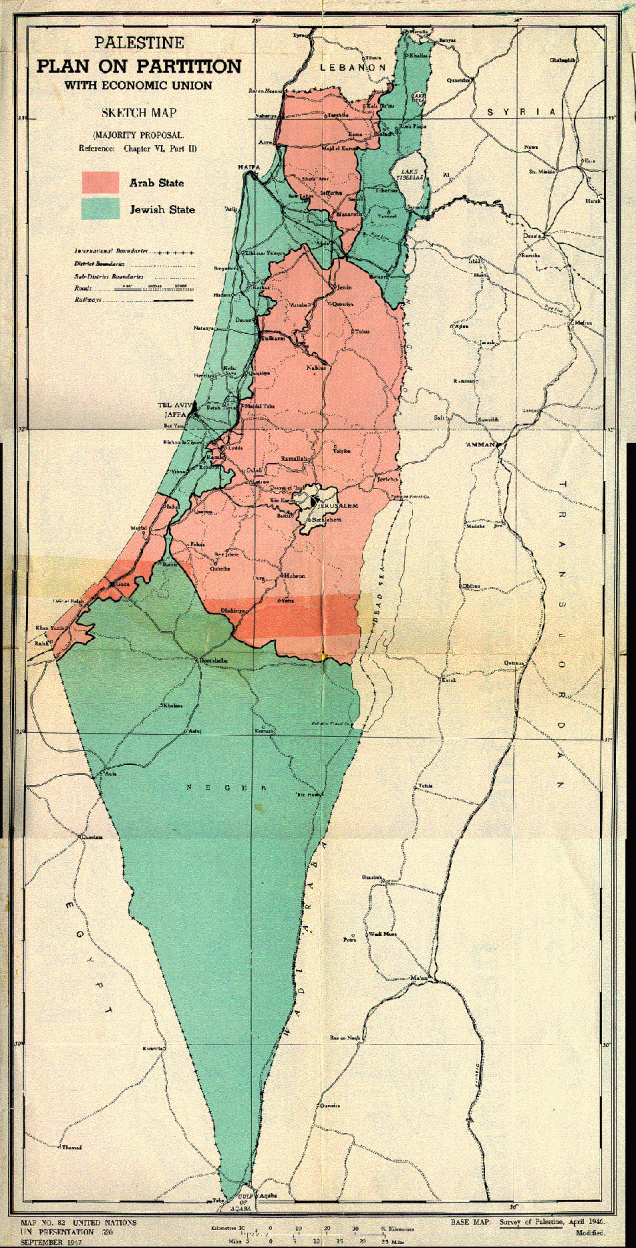
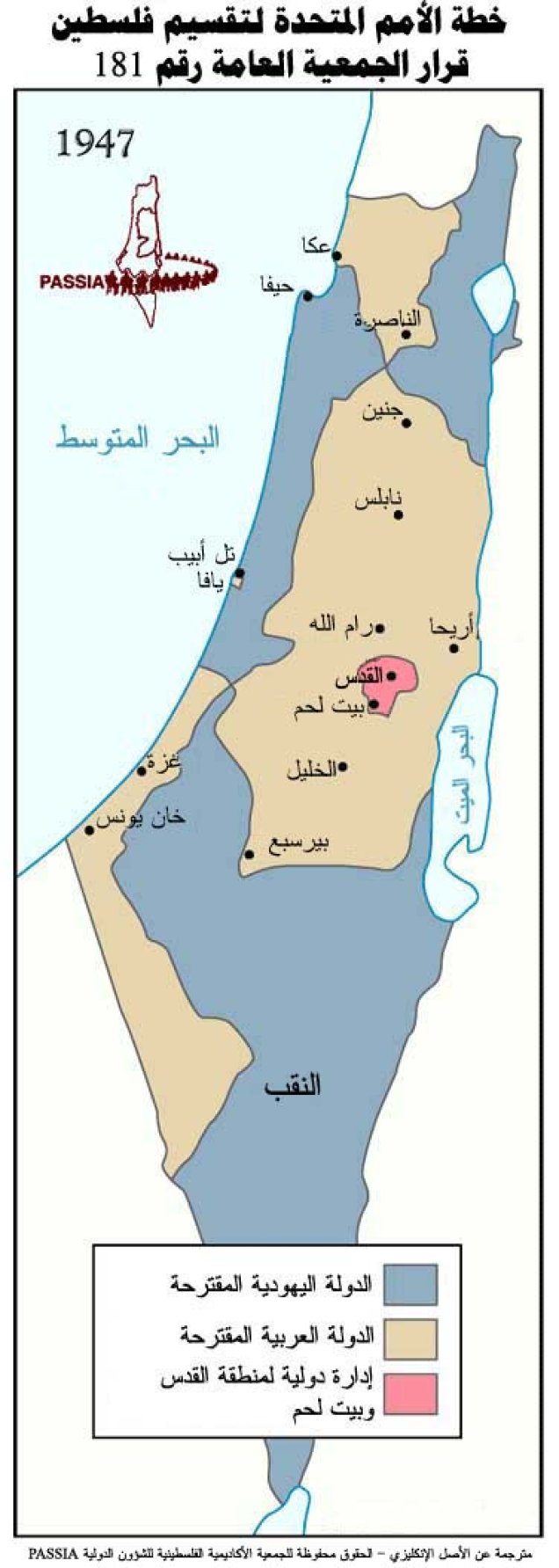
The proposed Jewish state, allocated approximately 56 percent of Palestine, consisted primarily of three areas:
- Eastern Galilee, including areas around Safad, Tiberias, and Lake Tiberias.
- Large parts of the Mediterranean coastal plain, including Haifa, Tel Aviv, and other coastal areas.
- Most of the Naqab in southern Palestine, extending toward the Gulf of Aqaba.
The separate sections of the proposed Jewish state were connected through narrow territorial junctions and corridors.
The Proposed Arab State
The proposed Arab state was allocated approximately 43 percent of Mandatory Palestine.
It generally included:
- Western Galilee, including Acre and Nazareth.
- The central Palestinian highlands, including areas around Jenin, Nablus, Ramallah, and Hebron.
- A southern coastal strip extending through Gaza toward the Egyptian border.
- Jaffa, which was to become an Arab enclave surrounded by territory allocated to the proposed Jewish state.
The plan also provided for an economic union between the Arab and Jewish states covering customs, currency, transportation networks, and certain shared services and economic interests.
Jerusalem and Bethlehem
Jerusalem was not to be incorporated into either of the proposed states.
Resolution 181 designated Jerusalem as a Corpus Separatum, a separate entity placed under a special international regime administered by the United Nations through the Trusteeship Council.
The proposed international zone included Jerusalem and surrounding towns and villages, extending eastward to Abu Dis, southward to Bethlehem, westward to Ein Karim, and northward to Shu’fat.
The international regime was to be reviewed after ten years, at which point the inhabitants would be allowed to express their wishes regarding possible changes through a referendum.
Arabs constituted a slight majority of the population within the proposed international zone. UNSCOP estimated approximately 105,000 Arabs and 100,000 Jews in Jerusalem and the surrounding area designated for international administration.
The Palestinian Rejection of Partition
Palestinian Arabs rejected the partition plan.
Their position was based on a fundamental principle: the political future of Palestine should be determined by the will of its inhabitants and their right to self-determination, rather than by dividing the country through a decision taken by an international body without the consent of the majority of its population.
From their perspective, accepting partition would have meant surrendering more than half of their homeland for the establishment of a state intended for a population that remained a demographic minority, a substantial part of which had arrived through successive waves of immigration during the preceding decades, while Palestinians remained the majority and owned most of the privately held land.
Palestinian and Arab representatives also challenged the authority of the United Nations General Assembly to partition Palestine against the wishes of the majority of its population.
They instead called for an independent Palestinian state in which Jews living in the country would enjoy civil and political rights as citizens, while rejecting the establishment of a separate sovereign Jewish state on part of Palestine.
The Zionist Response to Partition
The Jewish Agency formally accepted the partition recommendation, despite objections within the Zionist leadership to some of the proposed boundaries.
For the mainstream Zionist movement, Resolution 181 represented a major diplomatic achievement: for the first time, an international organization had recommended the establishment of an independent Jewish state in Palestine.
A number of Zionist leaders regarded international recognition of the principle of Jewish statehood as more important at that stage than accepting every boundary contained in the plan.
Some Zionist factions nevertheless rejected partition because they opposed abandoning claims to parts of Palestine outside the boundaries of the proposed Jewish state.
The mainstream Zionist leadership’s acceptance of Resolution 181 therefore did not mean that there was a Zionist consensus that the boundaries proposed by the United Nations should constitute the permanent and final borders of the future state.
The Vote at the United Nations
The partition proposal came before the United Nations General Assembly during the final days of November 1947.
After weeks of debate and negotiations, the final vote took place on November 29, 1947.
The vote was preceded by an intensive diplomatic campaign by both supporters and opponents of partition, with the United States and other supporters of the plan seeking to secure the two-thirds majority required for adoption.
The result of the vote on Resolution 181 was:
- 33 states voted in favor.
- 13 states voted against.
- 10 states abstained.
Britain, the Mandatory Power that still controlled Palestine, abstained.
Both the United States and the Soviet Union voted in favor of partition.
What Did Resolution 181 Actually Do?
Resolution 181 is sometimes described as though the United Nations itself immediately created the State of Israel and an Arab Palestinian state.
That is not historically or legally accurate.
The General Assembly recommended a Plan of Partition with Economic Union and proposed a transitional mechanism through which the British Mandate would end and the two states would subsequently become independent.
The resolution did not grant either side the right to seize territory beyond the proposed boundaries by force, nor did it authorize the expulsion of civilians or the destruction of towns and villages.
It instead called upon governments and peoples to refrain from actions that might obstruct the implementation of the plan and proposed that the Security Council consider attempts to alter the settlement by force as matters affecting peace and security.
Ultimately, the two states envisioned by the resolution were not established according to the plan itself.
The proposed Arab Palestinian state did not come into existence, while the territory that came under Israeli control following the occupation of large parts of Palestine in 1948 extended far beyond the area that Resolution 181 had allocated to the proposed Jewish state.
The Immediate Aftermath of the Partition Resolution
The vote prompted widespread celebrations among the Zionist Jewish community in Palestine, while Palestinian cities witnessed strikes, demonstrations, and protests rejecting the plan.
During the following days and weeks, armed confrontations escalated rapidly between Zionist armed organizations and local Palestinian forces, beginning a new stage in the struggle over Palestine before the British Mandate had formally ended.
Britain remained officially the governing power, but announced that it would not impose the partition plan by force and continued preparations for its withdrawal from Palestine.
During the following months, military operations and attacks on roads, towns, and villages expanded. A growing number of Palestinian communities were subjected to siege, attack, and displacement, and these operations intensified significantly during the spring of 1948.
From the Partition Resolution to the Palestinian Nakba
Resolution 181 was not an authorization for the Nakba, and the Palestinian displacement of 1948 cannot be reduced to the United Nations resolution alone. Nevertheless, the resolution transformed the political framework surrounding the future of Palestine by granting international support to the principle of establishing a Jewish state over a substantial part of the country.
As the end of the British Mandate approached, military operations by Zionist armed organizations—including the Haganah, Palmach, Irgun, and Lehi—expanded. These organizations seized Palestinian towns, villages, and territories, including areas lying beyond the boundaries allocated to the proposed Jewish state under the partition plan.
On May 14, 1948, the Zionist leadership proclaimed the establishment of the State of Israel, several hours before the British Mandate formally ended.
By that point, the Palestinian Nakba was already underway. Hundreds of thousands of Palestinians were being displaced from their towns and villages, and the forced displacement continued as the occupation of Palestine expanded during 1948 and afterward.
By the end of the principal military operations associated with the occupation of Palestine and the Nakba, Israel controlled approximately 77 percent of Mandatory Palestine, considerably more than the roughly 56 percent allocated to the proposed Jewish state under the United Nations plan.
The Arab Palestinian state proposed by Resolution 181 was never established. The West Bank, including East Jerusalem, came under Jordanian rule, while the Gaza Strip came under Egyptian administration.
Meanwhile, approximately three-quarters of a million Palestinians were displaced, hundreds of Palestinian villages and towns were destroyed or depopulated, and the questions of Palestinian refugees and the right of return became central to the Palestinian cause.
Resolution 181 in Palestinian Historical Memory
The partition resolution occupies a central place in Palestinian history because it marked the moment when the United Nations formally recommended the division of Palestine despite the rejection of the plan by the majority of its Palestinian Arab population.
From a Palestinian perspective, the significance of the resolution lies in the disparity between the demographic reality and patterns of landownership on the one hand, and the territories allocated to the two proposed states on the other. It also lies in the Palestinian conviction that their right to self-determination was not the principle upon which the proposed settlement was built.
For the Zionist movement, by contrast, the resolution represented a major political and diplomatic achievement because it gave broad international recognition to the principle of establishing a Jewish state in Palestine.
However, the map drawn by Resolution 181 did not become the political map that emerged from the occupation of Palestine in 1948 and the Palestinian Nakba. Israel ultimately controlled an area substantially larger than that allocated to the proposed Jewish state, the proposed Arab Palestinian state was not established, and the Palestinian Nakba resulted in mass displacement, dispossession, loss of land, and the transformation of the majority of Palestinians who had lived in the areas that became Israel into refugees and displaced persons.
Photo gallery
More from the archive


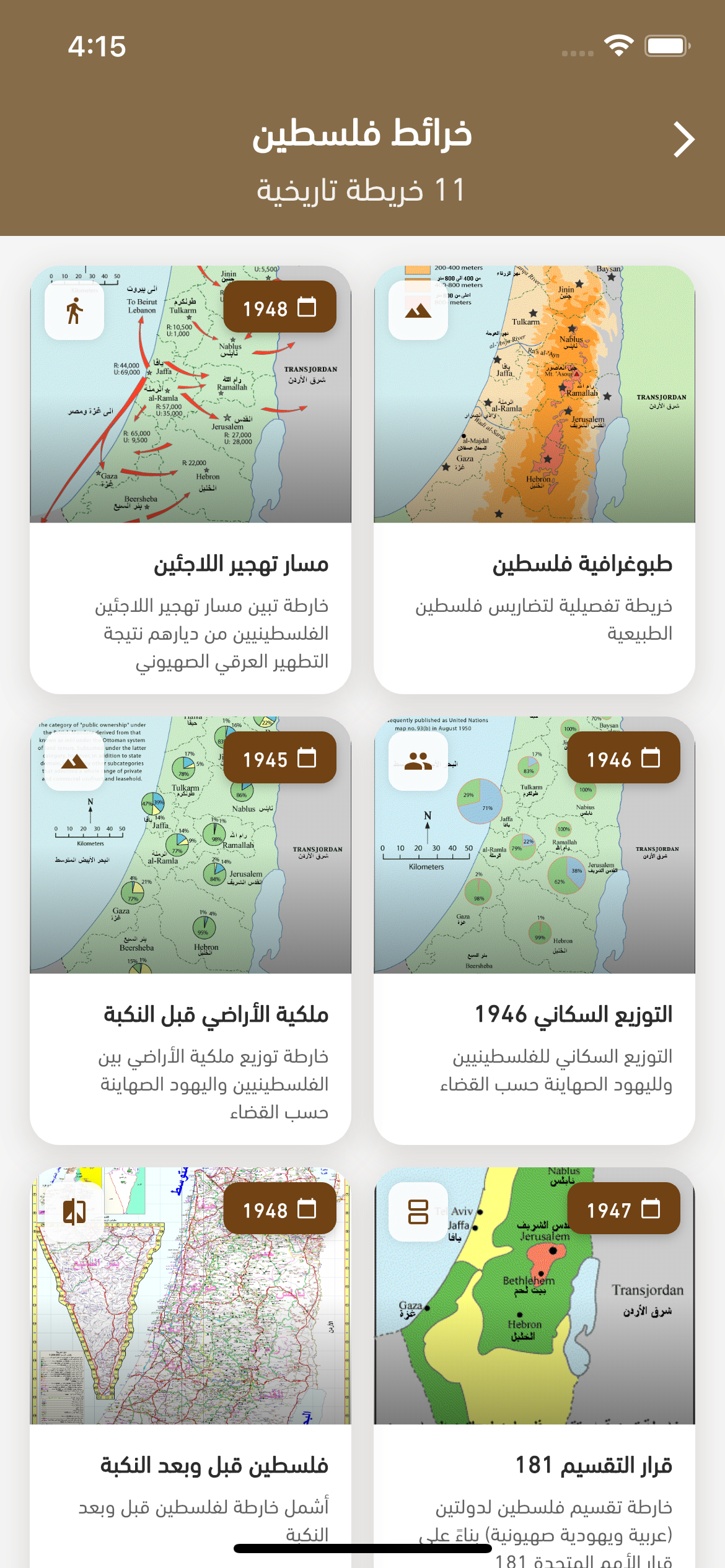
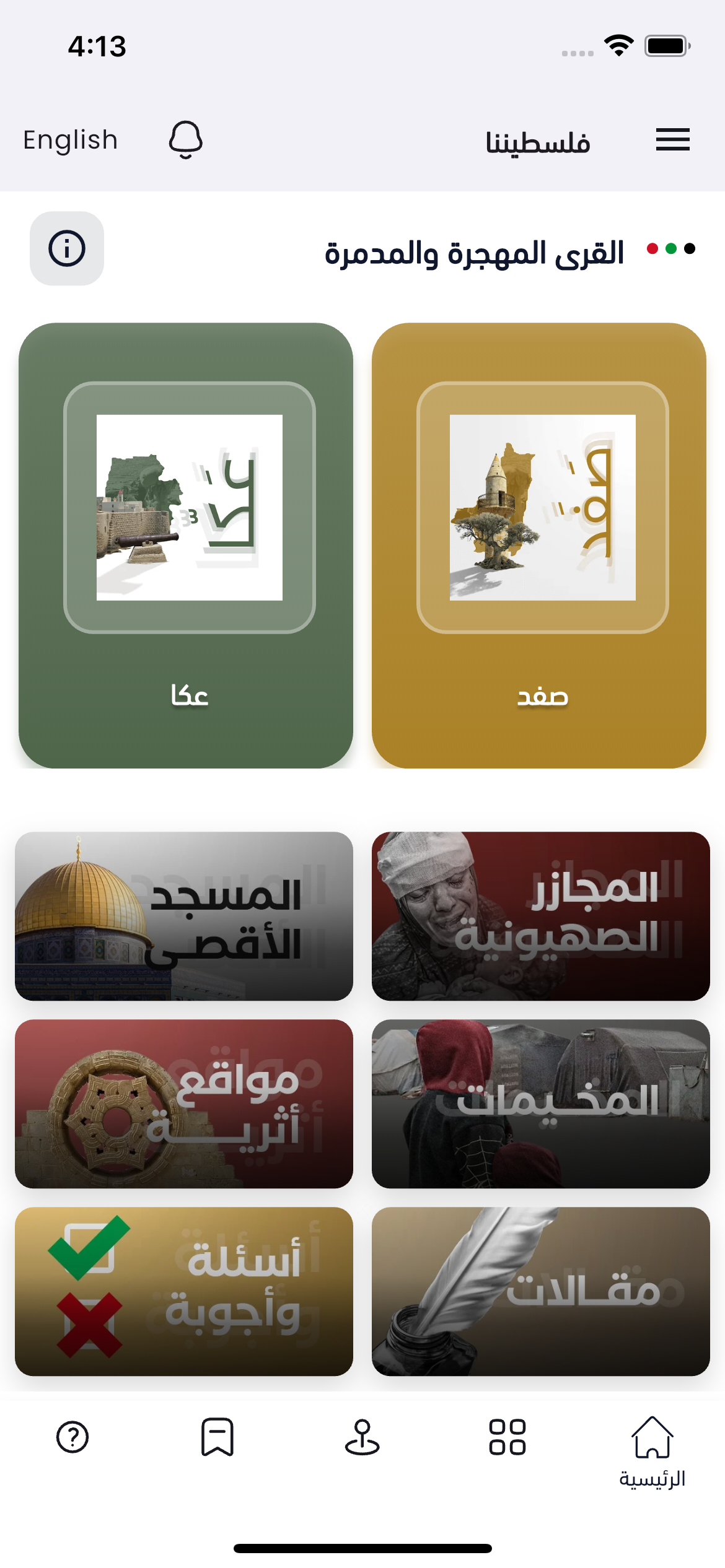
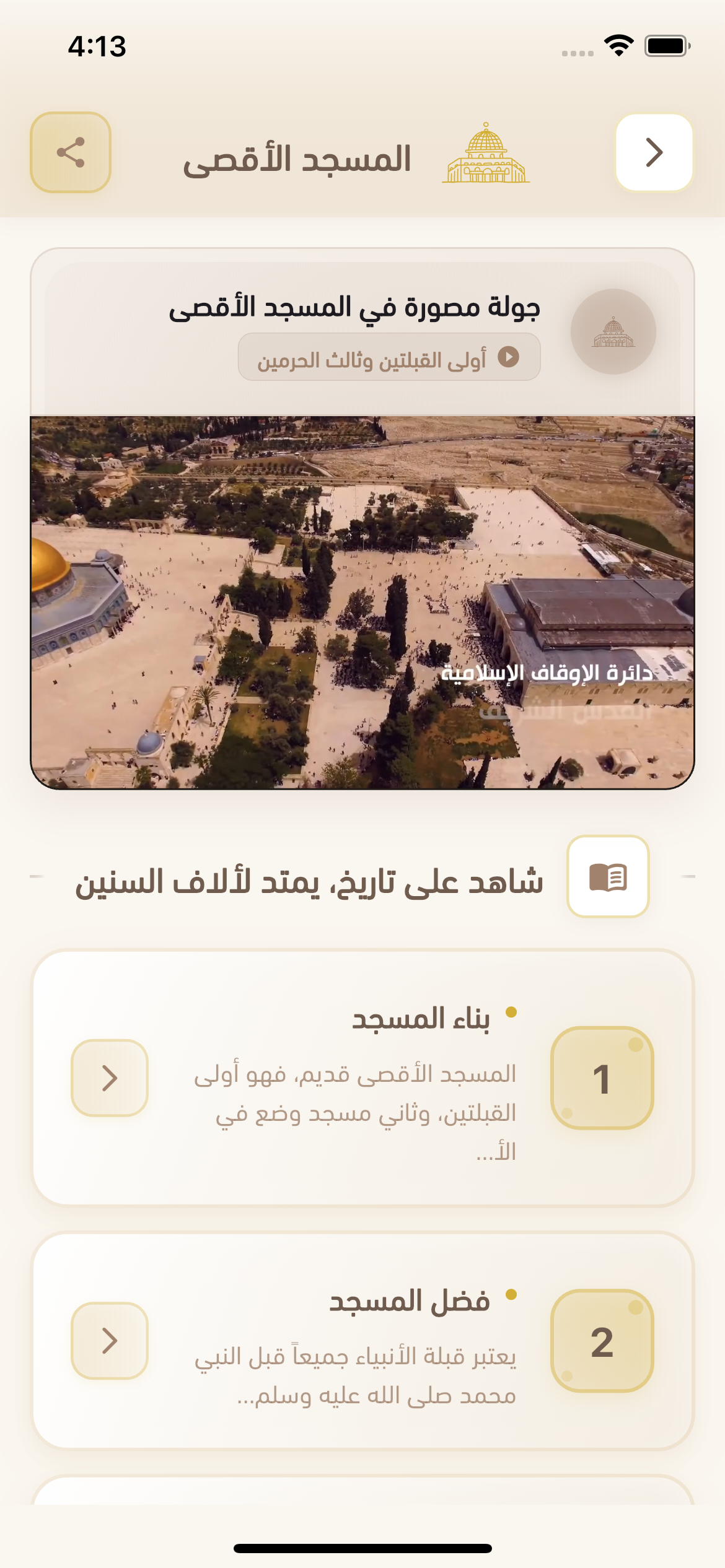
 Download Our Palestine App
The whole archive in the palm of your hand: depopulated villages, the Nakba, the massacres and Al-Aqsa — free, with no ads to erase the story.
Download Our Palestine App
The whole archive in the palm of your hand: depopulated villages, the Nakba, the massacres and Al-Aqsa — free, with no ads to erase the story.
Comments
No comments yet — be the first to write one.
Add your comment
Name and email are optional. Comments appear after review.