
1936 Revolt Folk Poetry: Nuh Ibrahim and Village Songs
Folk Poetry of the 1936 Revolt: Nuh Ibrahim and the Songs of the Villages
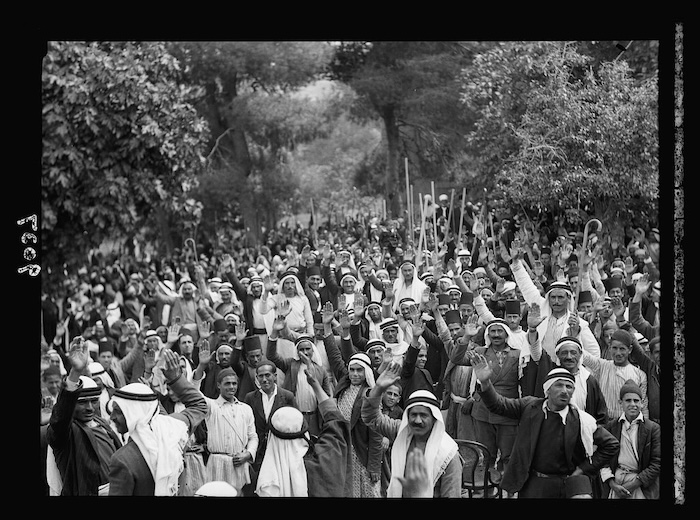
In Palestine's Great Revolt of 1936–1939, Palestinians did not fight with rifles alone; they fought with songs too. While classical poetry was read in cities, schools and newspapers, folk poetry spread through villages, weddings, prisons and rebel camps, in a language the peasant, the worker, the woman and the child understood. One of its most memorable voices was Nuh Ibrahim, the young man from Haifa known as “the disciple of al-Qassam”, who sang for the revolt until he was martyred in 1938, at the age of twenty-five.
The 1936 Revolt: From the General Strike to the Mountains
The Great Revolt grew out of years of anger at British colonial rule, which facilitated Jewish immigration to Palestine and the transfer of land to Zionist institutions. In November 1935, Sheikh Izz al-Din al-Qassam was killed in the woods of Ya'bad in a clash with British forces. His death left a deep impression on Palestinians and became one of the events that preceded the revolt by a few months.
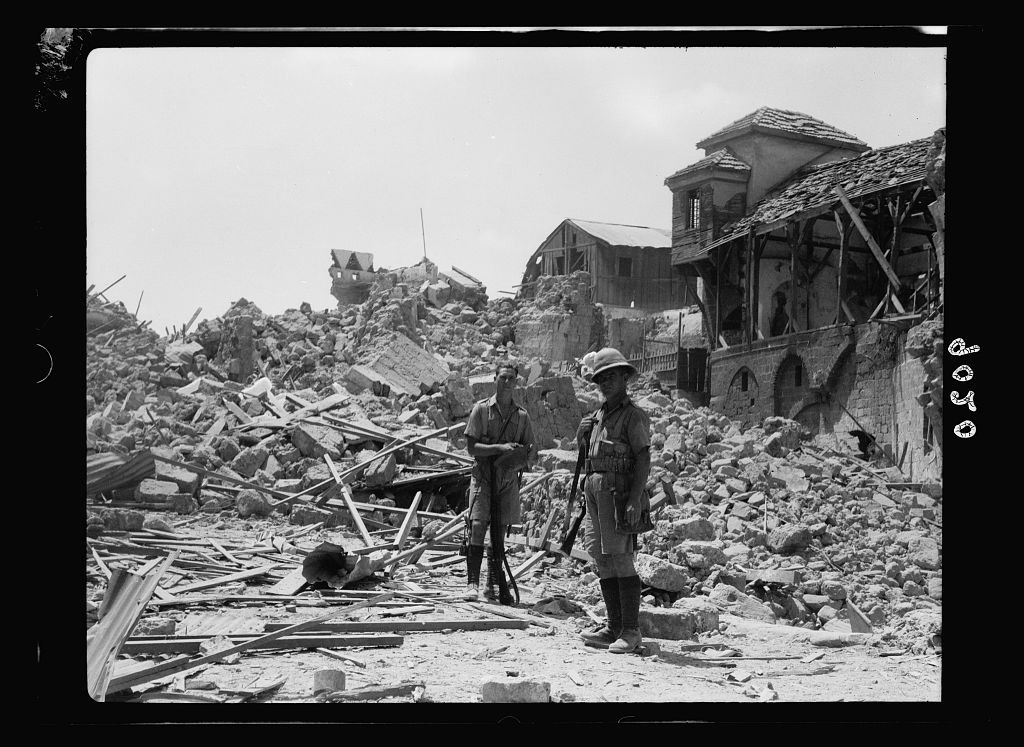
In April 1936, the general strike began and lasted about six months. Shops closed, work stopped, Palestinians refused to pay taxes, and the confrontation with the Mandate authorities widened. The British response included mass arrests, executions, collective punishment and the demolition of homes, including large areas of Jaffa's Old City in the summer of 1936.
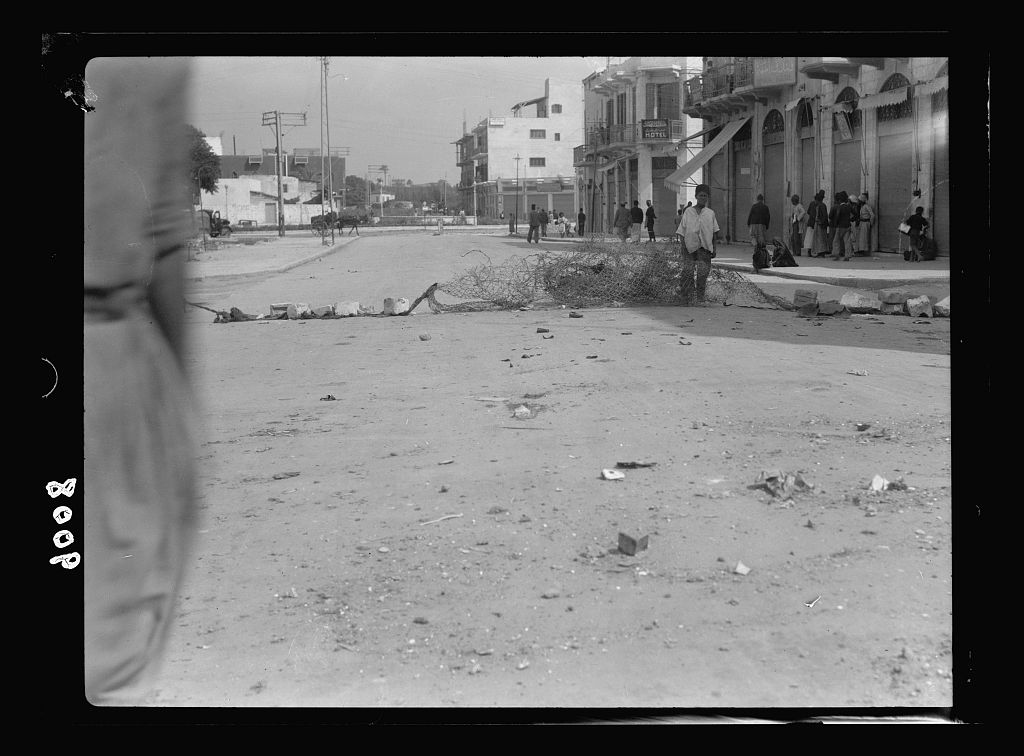
In July 1937, the British Royal Commission, known as the Peel Commission, recommended the partition of Palestine. Palestinians rejected the proposal, and the revolt entered a second phase in which rebel activity spread across the countryside and into towns until 1939.
Why Folk Poetry Was the Revolt's Weapon
In the 1930s, folk songs travelled from voice to voice and from village to village. People learned them by ear and sang them at weddings, on threshing floors and at evening gatherings. In this way, they reached people who had not had the opportunity to learn to read and write.
During the revolt, familiar melodies carried news of the country. A folk poet could take the story of a battle or the death of a rebel, put it into the dialect people knew, and set it to a tune that a whole gathering could remember and repeat.
Folk song served the revolt in many ways:
- Spreading news: songs recalled battles, places and the names of those killed.
- Mobilization: they praised courage and endurance and encouraged people to support the revolt.
- Political satire: they addressed British commanders and officials and criticized their policies.
- National unity: they presented Muslims and Christians as partners in one homeland.
- Elegy: they preserved the memory of those killed in battle or executed in prison.
The Mandate authorities paid attention to the spread of such poetry. Nuh Ibrahim was arrested, and a collection of his poems printed outside Palestine was prohibited from publication and circulation in the country.
Read also: The Palestinian Village Before the Nakba .
From Ataba to Dal'ona: The Forms of Village Song
The poets of the revolt drew on melodies and forms that village communities had known for generations, giving them new meanings connected to the land, the rebels and the dead.
- Ataba: a folk-poetry form usually consisting of four lines, with similar-sounding endings in the first three lines carrying different meanings.
- Mijana: a popular singing form built around a well-known refrain and performed on different occasions.
- Dal'ona: a folk melody sung at celebrations and during dabke; some songs set to it carried national themes.
- Zajal: metred colloquial poetry performed at gatherings and in sung debates.
- Hida' and sahja: group singing led by a singer and answered by participants, especially at weddings and other celebrations.
- Zaghareed and mahahah: women's short ululations and chants expressing joy, pride or grief, depending on the occasion.
The wedding and the evening gathering could thus become places where news of the country was remembered in a familiar melody.
Nuh Ibrahim: Disciple of al-Qassam and Poet of the Revolt
From Haifa to Singing for Palestine
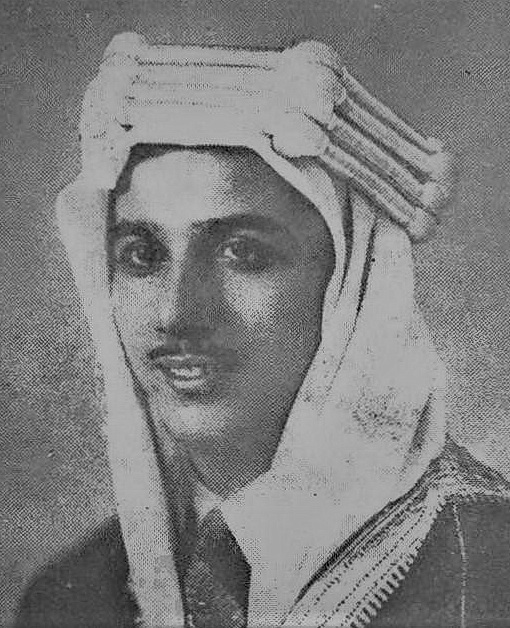
Nuh Ibrahim was born in Haifa in 1913 and grew up in a family of modest means. He left school young and worked in printing. His interest in poetry and song appeared early, and he performed at clubs and youth and workers' gatherings.
His name became associated with Sheikh Izz al-Din al-Qassam and his movement, and he became known as “the disciple of al-Qassam”. After al-Qassam's death, Nuh sang an elegy for him that became one of his best-known poems.
Prison and Censorship
The Mandate authorities arrested Nuh Ibrahim in 1937. He spent about five months in al-Mazra'a detention camp and Acre prison. After his release, he continued his activities and joined the rebels. The British authorities also prohibited the publication in Palestine of a collection of his poems printed abroad.
Nuh wrote about the events people lived through: the death of al-Qassam, the strike, the Royal Commission, battles and political imprisonment. He composed melodies for a number of his poems and sang them himself.
The Poems of Nuh Ibrahim and Their Occasions
Nuh Ibrahim's poems were closely connected to the events and people of his time. The following poems are presented in their original Arabic, with the occasion of each explained in English. Their texts are reproduced from the material supplied for this article and are attributed to Nuh Ibrahim by Palestine Remembered .
1. The Youth of Hebron: Jura Bahlas and Wadi al-Tuffah
Occasion: Nuh Ibrahim sang for the young men of Hebron and named the battles of Jura Bahlas and Wadi al-Tuffah. The account published by Palestine Remembered presents the poem as a tribute to the fighters and states that Ibrahim took part in the battles.
تحيا شباب الخليل
أصحاب الباع الطويل
كل الأمة بتعرفهم
همتهم ما إلها مثيل
كل الأمة بتعرفهم
ودايمًا تفتخر فيهم
يا ما جاهدوا في الجبال
حتى ينصروا أمتهم
«جورة بحلص» مشهورة
همتهم فيها مشكورة
لكن وقعة «وادي التفاح»
كانت ساعة منظورة
بالشهامة منظوين
بالبسالة مشهورين
الله يكتر أمثالهم
حتى يعينوا فلسطين
2. An Elegy for Sheikh Izz al-Din al-Qassam
Occasion: Ibrahim wrote this song after Sheikh Izz al-Din al-Qassam was killed in a confrontation with British forces in the woods of Ya'bad in November 1935. The poem mourns al-Qassam and recalls his courage and his commitment to the independence of the country.
عز الدين يا خسارتك
رحت فدا لأمتك
مين بينكر شهامتك
يا شهيد فلسطين
عز الدين يا مرحوم
موتك درس للعموم
أه لو كنت تدوم
يا رئيس المجاهدين
ضحيت بروحك ومالك
لأجل استقلال بلادك
العدو لما جالك
قاومته بعزم متين
أسست عصبة للجهاد
حتى تحرر البلاد
غايتها نصر أو استشهاد
وجمعت رجال غيورين
جمعت رجال من الملاح
من مالك شريت سلاح
وقلت هيا للكفاح
لنصر الوطن والدين
جمعت نخبة رجال
وكنت معقد الآمال
لكن الغدر يا خال!
لعب دوره بالتمكين
لعبت الخيانة لعبة
وقامت وقعت النكبة
وسال الدم للركبة
وما كنت تسلم وتلين
كنت تصيح الله أكبر
كالأسد الغضنفر
لكن حكم المقدر
مشيئة رب العالمين
ما أحلى الموت والجهاد
ولا عيشة الاستعباد
جاوبه رجاله الأمجاد
نموت وتحيا فلسطين
الجسم مات والمبدأ حي
والدما ما تصير ميّ
منعاهد الله يا خيّ
نموت موتة عز الدين
اقروا الفاتحة يا إخوان
على روح شهدا الأوطان
وسجل عندك يا زمان
كل واحد منّا عز الدين
3. Dabbirha ya Mister Dill: Addressing the British Commander
Occasion: In this famous song, Nuh Ibrahim addressed the British military commander John Dill during the revolt. Using direct colloquial language and political irony, he spoke of Palestinian demands for freedom and independence and criticized attempts to suppress the revolt.
يا حضرة القائد «دل»
لا تظن الأمة بتمل
لكن إنت سايرها
بلكي على يدك بتحل
ما دمت رجل خطير
وقائد عسكري كبير
وقضيتنا كلها فهمتها
ما بلزم إلك تفسير
فهّم لندن باللي صار
واللي بعده راح يصير
العرب أمة إصرار
صداقتها لازمتكو كتير
دبرها يا مستر «دل»
بلكي على يدك بتحل
إن كنت عاوز يا جنرال
بالقوة تغيّر هالحال
لازم تعتقد أكيد
طلبك صعب من المحال
لكن خذها بالحكمة
واعطينا الثمن يا خال
ونفذ شرط الأمة
من حرية واستقلال
دبرها يا مستر «دل»
يمكن على يدك بتحل
جيت فلسطين الحرة
حتى تقمع الثورة
ولما درست الحالة
لقيت المسألة خطرة
بدنا تفهّم بريطانيا
حتى تكفينا شرها
وتصافي الأمة العربية
بمنع البيع والهجرة
ودبرها يا مستر «دل»
يمكن على يدك بتحل
ما دمت صاحب السلطة
حل هالمشكلة وهالورطة
ونفذ وعود الشرف
حتى تمحي هالغلطة
للدولة هذا أشرف
وأحسن مشروح وخطة
ودبرها يا مستر «دل»
بلكي على يدك بتحل
4. A Poem to the British High Commissioner
Occasion: Ibrahim addressed the British High Commissioner for Palestine, Arthur Grenfell Wauchope. In the poem he criticized Mandate policies, immigration, the condition of farmers and what he saw as the denial of Palestinian rights.
يا فخامة المندوب
السير «غرينفل وكهوب»
إنت عارفنا مظلومين
وبدك تسكتنا بالطوب
يا فخامة المندوب
السير «غرينفل وكهوب»
في مدة هالخمس سنين
فوضوك ع فلسطين
طارت حقوق العرب
وقويت الصهيونيين
انفتحت أبواب الهجرة
حتى صرنا مهددين
أُجبر خاطرنا مرة
واعطينا بعض المطلوب
يا فخامة المندوب
السير «غرينفل وكهوب»
باعك طويل بالسياسة
وسلموك الرياسة
وإنت صديق الفلاح
وهو ما بملك نحاسة
ارفع عنا هالقوانين
وهالظلم وهالتعاسة
ولا تزيد البلة طين
وخذها بلطف وكياسة
يا فخامة المندوب
السير «غرينفل وكهوب»
دولتك إسلامية
أكثر منها انجليزية
حيث رعاياها بالملايين
بكل الكرة الأرضية
إن كان بدك مصلحتها
خليها تحل القضية
حتى تحفظ سمعتها
وهادي فرصة ذهبية
يا فخامة المندوب
السير «غرينفل وكهوب»
فلسطين أرض الإسلام
مهد المسيح والإسلام
بعصر المدنية والنور
صارت في شدة وظلام
وإنت فهمك كفاية
حيث ملينا من الكلام
غايتنا رفع الراية
مع الاستقلال التام
يا فخامة المندوب
السير «غرينفل وكهوب»
5. A Song Addressed to the Royal Commission
Occasion: The British Royal Commission, known as the Peel Commission, arrived in Palestine in November 1936 after the general strike. Palestinians initially boycotted it, then agreed to cooperate after appeals by Arab rulers. Ibrahim addressed the commission in song, referring to Palestinian demands and earlier commissions of inquiry.
يا جناب اللجنة الملكية
خلي عندك نظرية
بلكي تفضي هالمشكل
وتحلي هالقضية
بالأول قاطعناكِ
حتى نحفظ شرفنا
رجعنا تعاونا معاك
حيث ملوكنا أمرتنا
ولما نزيهة شفناك
عرضنا لك القضية
فضي بقى هالمشكل
وحلي لنا هالقضية
يا ما شفنا لجان تحقيق
وقلنا مننول المطلوب
كثرت يا لورد الخوازيق
واشتغل فينا ضرب الطوب
ومشينا بقى في طريق
حتى نوصل للمرغوب
وفضوا بقى هالمشكل
وحلوا لنا هالقضية
فلسطين قضيتها
زي الشمس مفهومة
الصهيونية اغتصبتها
وبدها تعمل حكومة
والعرب بدها حقوقها
ومطاليبها المهضومة
وفضوا بقى هالمشكل
وحلوا لنا هالقضية
العرب أمة أشراف
بكل الدنيا معروفين
غير المولى ما بتخاف
تفدي بروحها فلسطين
فضي بقى هالمشكل
وحلي لنا هالقضية
يا جناب الملكية
خلي عندك نظرية
6. A Tribute to Prisoners and Exiled Leaders
Occasion: In this song, Nuh Ibrahim paid tribute to prisoners, exiled leaders, fighters and those who had died for Palestine. He also referred to Muslims and Christians together and called for support for people who had lost their livelihoods.
الله يحيي المعتقلين
والزعماء المنفيين
نياله اللي تعذب
في سبيل فلسطين
نياله اللي تعذب
وذاق الألم والتعب
مش هين ابن العرب
هذا نسل المشهورين
هذا نسل الأماجيد
حمية وعزم شديد
والحرية هيك تريد
رجال غيرة وطنيين
اللي تعذب نياله
النيشان يحلا له
كل الغالي يرخص له
من مسيحية ومسلمين
واللي حارب وجاهد
واللي مات واستشهد
ذكره للأبد مخلّد
في سجل المؤمنين
واللي خسر راسماله
وما بملك قوت عياله
الأمة لازم تقدم له
تعوّض له قده مرتين
7. Bahriyyet Yafa: A Tribute to the Sailors of Jaffa
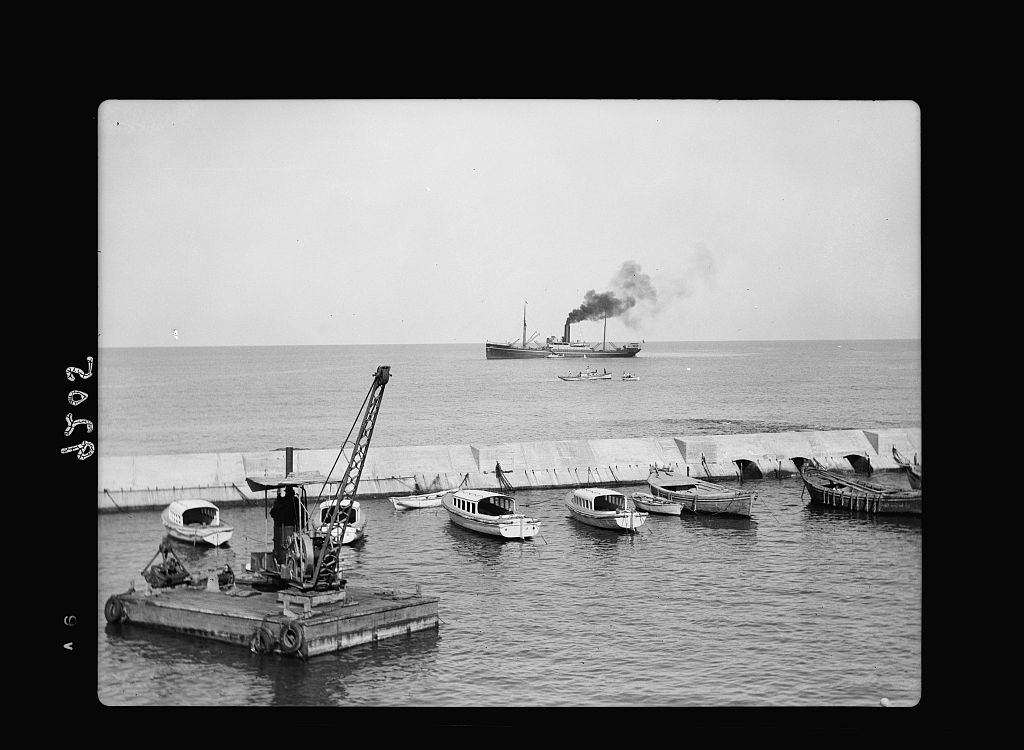
Occasion: Nuh Ibrahim sang for Jaffa's port workers and sailors, praising their role in the strike and their endurance through hardship. The poem addresses Muslim and Christian sailors together and remembers the sacrifices made by them and their families.
تحيا رجال البحرية
من إسلام ومسيحية
بحرية يافا البواسل
أصحاب الهمة العلية
تحيا بحرية يافا
رجال النخوة المعروفة
أظهروا مدة الإضراب
شهامة عظيمة موصوفة
وعطلوا كل الأعمال
وأعطوا مثل لحيفا
رفعوا رأس الأمة يا خال
ومشيوا بأول صفوفها
في الإضراب ضحوا كتير
واجهوا الأمر العسير
وكانوا مثل للجميع
من كبير مع صغير
ست أشهر صبروا عالجوع
رفضوا الربح الوفير
والمثل بحكي وبقول
الشرف عند الفقير
رأسمالهم الشهامة
مبداهم الكرامة
معروفين بالشجاعة
والبسالة والهمة
لازم الكل يكافيهم
والشعب يشجع ميناهم
وفي وقت الشدة يعينهم
مثل ما أعانوا الأمة
بيوتهم نسفوها
رجالهم حبسوها
ما خلوا حيلتهم شي
أطفالهم شتتوها
كل هذا وهم صابرين
عالعهود محافظين
وإن نادتهم فلسطين
بالأرواح يفدوها
What About “Min Sijn Akka”?
The song “Min Sijn Akka” is associated in Palestinian memory with Fuad Hijazi, Muhammad Jamjoum and Ata al-Zeer, who were executed by the British Mandate on 17 June 1930. Some sources attribute the song to Nuh Ibrahim, but accounts of its authorship differ.
Martyrdom Near Tamra
In October 1938, Nuh Ibrahim was killed in the area of al-Sunaib'a near Tamra in the Galilee during a confrontation with British forces. Accounts differ over some details and the exact date, but agree that he died at approximately twenty-five years of age.
He was buried in Tamra, while his songs continued to be passed from one generation to another. In 1990, the Palestine Liberation Organization awarded his name the Jerusalem Medal for Culture and Arts.
Women's Songs: Tarweedeh and Mawlalah
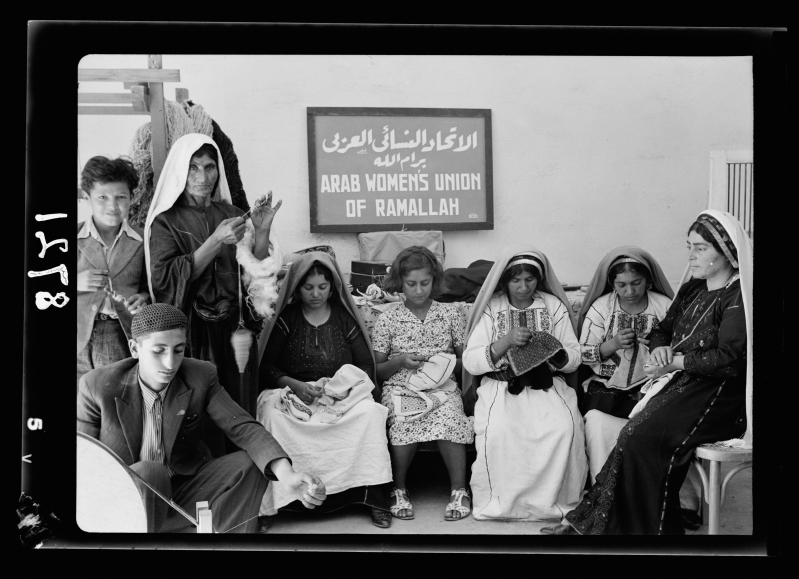
Men were not the only ones who preserved the country's stories in song. Palestinian women contributed to oral tradition through songs of celebration, work and mourning, and through songs expressing longing for absent relatives and prisoners.
Among these traditions are tarweedeh and mawlalah. Accounts of Palestinian folklore describe forms in which the Arabic letter lam is inserted into words, making the meaning less clear to outsiders. Some oral accounts connect this practice with conveying messages to prisoners or rebels; details differ between accounts.
Read also: Palestinian Women Before the Nakba .
From the 1936 Revolt to After the Nakba
British forces suppressed the revolt by 1939 after years of fighting, arrests, executions and home demolitions. Then came the Nakba of 1948, when the inhabitants of hundreds of Palestinian villages and towns were displaced and scattered across refugee camps and places of exile.
The songs travelled with the people who had learned them. They continued to be sung in homes and at gatherings, passing to generations that had not lived through the revolt but came to know the names of its fighters, martyrs and places.
After the Nakba, Palestinian folk poets continued to sing about their homeland, displacement and return. Among them was Abu Arab (Ibrahim Muhammad Saleh), from the depopulated village of al-Shajara in the Tiberias district. Folk poetry remained a record in which personal stories and the memory of the country met.
Frequently Asked Questions About the Folk Poetry of the 1936 Revolt
Who was Nuh Ibrahim?
Nuh Ibrahim was a Palestinian folk poet and singer born in Haifa in 1913. Known as “the disciple of al-Qassam”, he wrote and sang about the Great Palestinian Revolt and was killed near Tamra in 1938.
What are some of Nuh Ibrahim's best-known poems?
His known works include “Dabbirha ya Mister Dill”, his elegy for Izz al-Din al-Qassam, his song addressed to the Royal Commission, and “Bahriyyet Yafa”, as well as poems about battles and prisoners.
Who wrote “Min Sijn Akka”?
Some sources attribute the song to Nuh Ibrahim, but its authorship is disputed. It is associated with Fuad Hijazi, Muhammad Jamjoum and Ata al-Zeer, who were executed by the British Mandate in Acre in 1930.
What was the occasion of “Bahriyyet Yafa”?
Nuh Ibrahim sang it as a tribute to Jaffa's sailors and port workers and their role in the strike, praising their endurance and the unity of Muslims and Christians among them.
Why did Nuh Ibrahim write an elegy for al-Qassam?
He wrote the song after Sheikh Izz al-Din al-Qassam was killed in the woods of Ya'bad in 1935. It remembers his courage and the ideas that survived him.
What is mawlalah?
Mawlalah is associated with Palestinian women's singing traditions. Some forms use the repeated insertion of the Arabic letter lam, and oral accounts connect the practice with making messages less clear to outsiders.
Where is Nuh Ibrahim buried?
He was buried in Tamra in the Galilee after he was killed in the area in 1938.
More from the archive
 Palestine before the Nakba
West Jerusalem Before the Nakba: Qatamon, Talbiyeh and Baq’a
 Palestine before the Nakba
Cafés in Palestine Before the Nakba: From the Vagabonds’ Café to Kawkab al-Sharq
 Palestine before the Nakba
Palestinian Women Before the Nakba: From the Threshing Floor to the Women’s Congress
 Download Our Palestine App
The whole archive in the palm of your hand: depopulated villages, the Nakba, the massacres and Al-Aqsa — free, with no ads to erase the story.



Comments
No comments yet — be the first to write one.
Add your comment
Name and email are optional. Comments appear after review.