
Battle of Beit Imrin 1936: "Nablus Never Saw a Battle Like It"
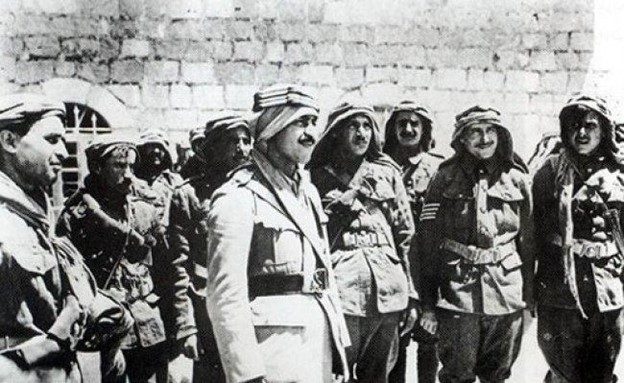
The Battle of Beit Imrin was one of the most important battles of the first phase of the Great Palestinian Revolt. It was fought on 29 September 1936 in the hills north of Nablus, along a line of about 13 kilometres between the Burqa mountains and the village of Beit Imrin. Palestinian rebels, joined by volunteers from Syria, Iraq and Transjordan, faced the largest force the British occupation had yet thrown onto Palestine’s battlefields, with troops, armoured cars and aircraft. [1][2][3]
The rebels held out until nightfall and, according to villagers in the area, shot down two British aircraft; it was said that “Nablus never saw a battle like it,” and people kept its memory alive in their folk songs. [2][4]
Contents
- The battle at a glance
- Background: a September of fire
- The course of the battle
- Results
- Beit Imrin in memory and folk song
- Aftermath
- Differences between the accounts
- Timeline
- Frequently asked questions about the Battle of Beit Imrin
The battle at a glance
| Item | Details |
|---|---|
| Date | 29 September 1936 |
| Place | Between the Burqa mountains and the village of Beit Imrin, north of Nablus, along about 13 km |
| General command | The revolt’s command under Fawzi al-Qawuqji |
| Palestinian and Arab force | Palestinian rebels and volunteers from Syria, Iraq and Transjordan |
| British force | Hundreds of soldiers with armoured cars and warplanes, described in the revolt’s communiqué as the largest force yet seen on Palestine’s battlefields |
| Duration | Until about 7 p.m., between 8 and 10 hours by different accounts |
| Martyrs | 6 rebels (3 in the battle and 3 who later died of wounds) and 9 wounded, according to the revolt’s communiqué |
| British losses | Two aircraft shot down, and more than 150 killed and wounded according to the revolt’s communiqué |
| Context | The first phase of the Great Palestinian Revolt, 1936–1939 |
Background: a September of fire
By summer 1936 the general strike Palestinians had declared against the British occupation and Zionist immigration had become an armed revolt in the hills. With the arrival of Fawzi al-Qawuqji and the Arab volunteers in late August, the revolt’s command began organising large battles and issuing numbered military communiqués about them. [5][3]
September 1936 saw a series of such battles in the hills of Nablus, Tulkarm and Jenin, chief among them Bal’a on 3 September and then Jaba’ on 24 September, where the rebels faced two large British columns backed by artillery, tanks and aircraft. Just five days later came the Battle of Beit Imrin. [1][3]
Read also: The 1936 Revolt.
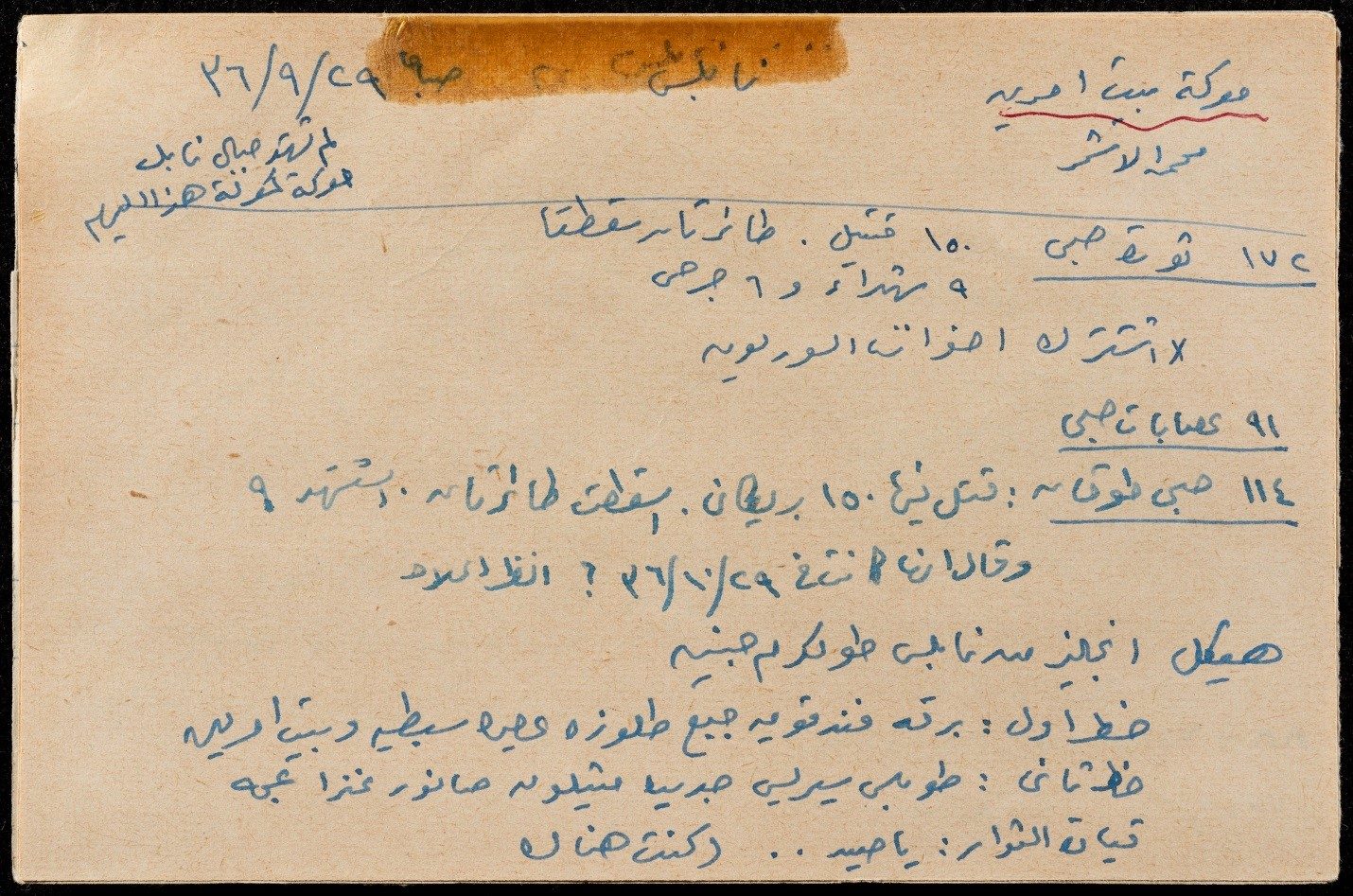
The course of the battle
The rebels deployed along some 13 kilometres between the Burqa mountains and Beit Imrin, while British forces encircled the Nablus area with hundreds of armed soldiers backed by armoured cars and warplanes. [2][4]
The fighting with rifles and artillery went on for many hours, and the rebels held their positions until nightfall, around seven in the evening. The revolt command’s communiqué described the battle as organised and said the ululations of women accompanied the fighters, spurring their zeal and daring. [4][2][3]
Villagers in the area said they saw two British aircraft fall after the rebels hit them. As the British troops pulled back, they left behind rifles and large quantities of equipment. [2][3]
Results
According to the revolt command’s communiqué, three rebels were martyred in the battle and nine wounded, three of whom later died of their wounds. The communiqué put British losses at more than 150 killed and wounded, and the rebels seized a number of rifles and a large quantity of the soldiers’ equipment. [3]
Another account says a farmer from the area was killed during the fighting, and counts the battle a victory for the rebels. [4]
Beit Imrin in memory and folk song
The Battle of Beit Imrin carved out a place in Palestinian popular memory, inspiring songs and poems still sung today. The best known is “Hizz al-Rumh” (“Shake the Spear”), a wedding song to which people added verses about resistance and arms after the battle; citing Ghassan Kanafani’s book The 1936–39 Revolt in Palestine, sources say the rebels sang it during the fighting. [4][2]
Aftermath
Less than two weeks later, on 11 October 1936, the Arab Higher Committee accepted the Arab kings’ and princes’ appeal to end the strike. On 22 October the revolt command announced that its army would leave the field while remaining ready to return if the occupation denied Arab rights, and al-Qawuqji left Palestine on 25 October under British military pressure. But the revolt returned with greater force in 1937. [5][3]
Differences between the accounts
The Arab sources available on Beit Imrin are few and rest mainly on the revolt command’s communiqué and villagers’ accounts. Researcher Muhammad Aql acknowledges that the revolt’s military communiqués “are not free of exaggeration,” especially on enemy losses, and no official British figure for the battle has been found. Accounts also differ on its length, from eight to ten hours, and on the spelling of the village’s name. [3][2][4][1]
Timeline
| Date | Event |
|---|---|
| April 1936 | The general strike and Great Revolt begin [5] |
| 3 September 1936 | The Battle of Bal’a [1] |
| 24 September 1936 | The Battle of Jaba’ [3] |
| 29 September 1936 | The Battle of Beit Imrin [1] |
| 11 October 1936 | The Arab Higher Committee ends the strike [5] |
| 25 October 1936 | Al-Qawuqji leaves Palestine [3] |
Frequently asked questions about the Battle of Beit Imrin
When was the Battle of Beit Imrin?
On 29 September 1936, during the first phase of the Great Palestinian Revolt. [1][2]
Where is Beit Imrin?
A Palestinian village north of Nablus; the battle stretched about 13 km between it and the Burqa mountains. [2]
Who fought at Beit Imrin?
Palestinian rebels and volunteers from Syria, Iraq and Transjordan, under the revolt’s general command led by Fawzi al-Qawuqji. [2][3]
How many aircraft were downed?
Two British aircraft, according to villagers in the area. [2][4]
How many were martyred?
Six rebels according to the revolt’s communiqué: three in the battle and three who later died of wounds, plus nine wounded. [3]
What is the link between “Hizz al-Rumh” and Beit Imrin?
A folk wedding song to which verses about resistance were added after the battle; the rebels are said to have sung it during the fighting. [4]
Read also on Palestinuna
Sources and references
- “The Great Palestinian Revolt,” Al Jazeera Encyclopedia, 9 March 2025 (in Arabic).
- “‘A Battle Like No Other’: The Battle of Beit Imrin,” Metras, 5 October 2021 (in Arabic).
- Dr Muhammad Aql, “Fawzi al-Qawuqji, General Commander of the 1936 Revolt,” Knooz Net, 8 August 2019 (in Arabic).
- Mahmoud al-Attar, “‘Hizz al-Rumh’: The Palestinian Wedding Song the Rebels Sang in a Fierce Battle with the British,” Arabi Post, 9 October 2021 (in Arabic).
- “The 1936 Palestinian Revolt (2/3),” al-Jarida (Kuwait), 18 August 2011 (in Arabic).
More from the archive
 Download Our Palestine App
The whole archive in the palm of your hand: depopulated villages, the Nakba, the massacres and Al-Aqsa — free, with no ads to erase the story.



Comments
No comments yet — be the first to write one.
Add your comment
Name and email are optional. Comments appear after review.