
Zahrat al-Uqhuwan: The First Armed Palestinian Women's Group in Jaffa

In Jaffa in 1947, sisters Moheeba and Nariman Khurshid founded a secret women’s organisation they named Zahrat al-Uqhuwan (the anemone). It began with nursing and helping the poor and students, then turned to armed resistance against the Zionist gangs, becoming the first armed Palestinian women’s organisation. [1] [2]
The organisation lasted about a year, from 1947 to the Nakba, yet played “a distinguished military and political role.” [2]
Zahrat al-Uqhuwan at a glance
| Item | Details |
|---|---|
| Name | Zahrat al-Uqhuwan (the anemone), after a Palestinian wildflower that became its emblem [1] |
| Founded | 1947 in Jaffa; members took the secret oath on 20 February 1947 [1] [2] |
| Founders | Sisters Moheeba and Nariman Khurshid, of a well-off Jaffa family [1] [3] |
| Beginnings | Nursing, helping the poor and supporting students [1] [3] |
| Turning point | To armed resistance against the Zionist gangs [1] [2] |
| Activities | Armed operations, surveillance and intelligence, fundraising and buying weapons [2] [1] |
| Lifespan | From 1947 to the Nakba of 1948 [2] [1] |
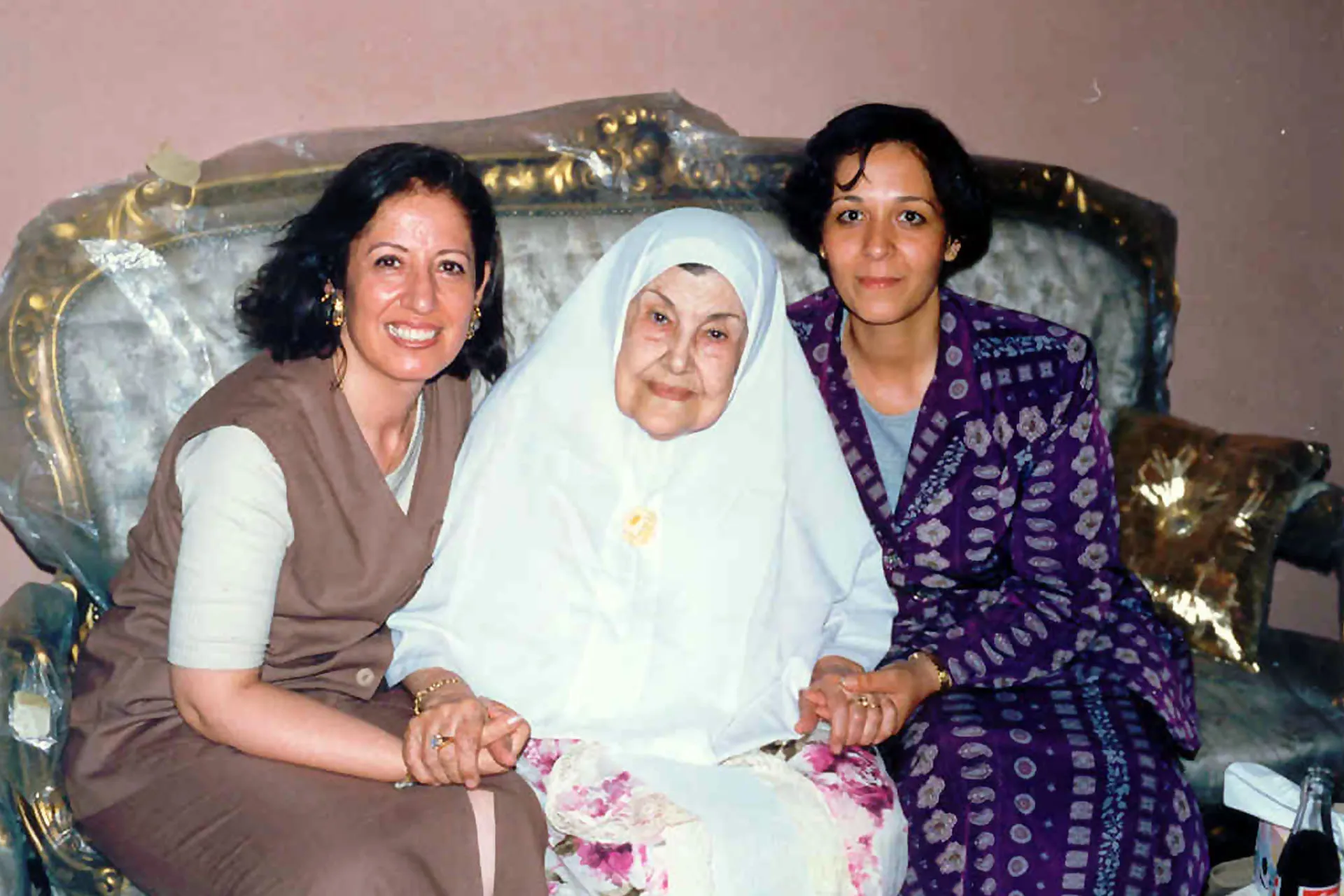
Moheeba Khurshid: a teacher from Jaffa
Moheeba Khurshid was born in Jaffa, in 1925 according to Al Jazeera Net [1] and in 1921 according to Al-Quds Al-Arabi. [3] She studied at the Higher Teachers’ Institute in Jerusalem, then returned to Jaffa to teach girls in secondary schools, instilling national feeling in them. [3]
Her sister Nariman, six years younger and about twenty at the time, joined her and became the organisation’s public voice, delivering rousing speeches that Moheeba wrote. [3] Moheeba’s fiery speeches at demonstrations against settlement and displacement led the British Mandate authorities, at the Zionist movement’s urging, to summon her for interrogation. [2]
The founding and the secret oath
The organisation was founded in 1947, and its members took a secret oath dated 20 February 1947, pledging to “sacrifice everything precious for the sake of good and to help everyone in need and weak.” [1] About 12 young women in Jaffa joined the sisters, along with some Arab and foreign men. [1] [2]
Names in the oath document include Sobhiya Awad, Khadija Kilani, Madiha al-Batta, Najma Akasha, Maysar Daher, Saniya Irani, Fayza Shalon and Mabarra Khaled. But most of the women researchers reached decades later refused to speak or denied membership. [1]
The organisation took its name and emblem from the anemone, one of Palestine’s best-known wildflowers. For decades Moheeba wore a mother-of-pearl brooch in the shape of the flower, which she said Gandhi had sent her. [1]
From charity to arms
The turning point came when Moheeba saw a boy of about six shot dead by Zionist fire at his mother’s door in Jaffa. “I saw with my own eyes how a child received...” she later recalled, and that day she decided on revenge and turned to military action. [1] [3]
In those months Jaffa was a repeated target of Zionist gang bombings, among them the Saraya massacre of January 1948. Moheeba said she corresponded with commander Abd al-Qadir al-Husseini, who was killed at the battle of al-Qastal in April 1948. [1]
Rifles, telescopes and men’s clothing
The organisation obtained machine guns and rifles and carried out surprise attacks on Haganah positions and hideouts. Its members used a military telescope for surveillance, disguised themselves in men’s clothing and covered their faces; Nariman’s family still keeps the trousers she wore on operations. [1]
Moheeba led the group: she organised and carried out operations, drew up plans, gathered intelligence and donations, and bought weapons, with her activity centred in Jaffa. [2] When ammunition ran short she sent her sister to seek outside support, and months before the Nakba Nariman travelled to Egypt to learn to fly, hoping to use the skill in the resistance. [1]
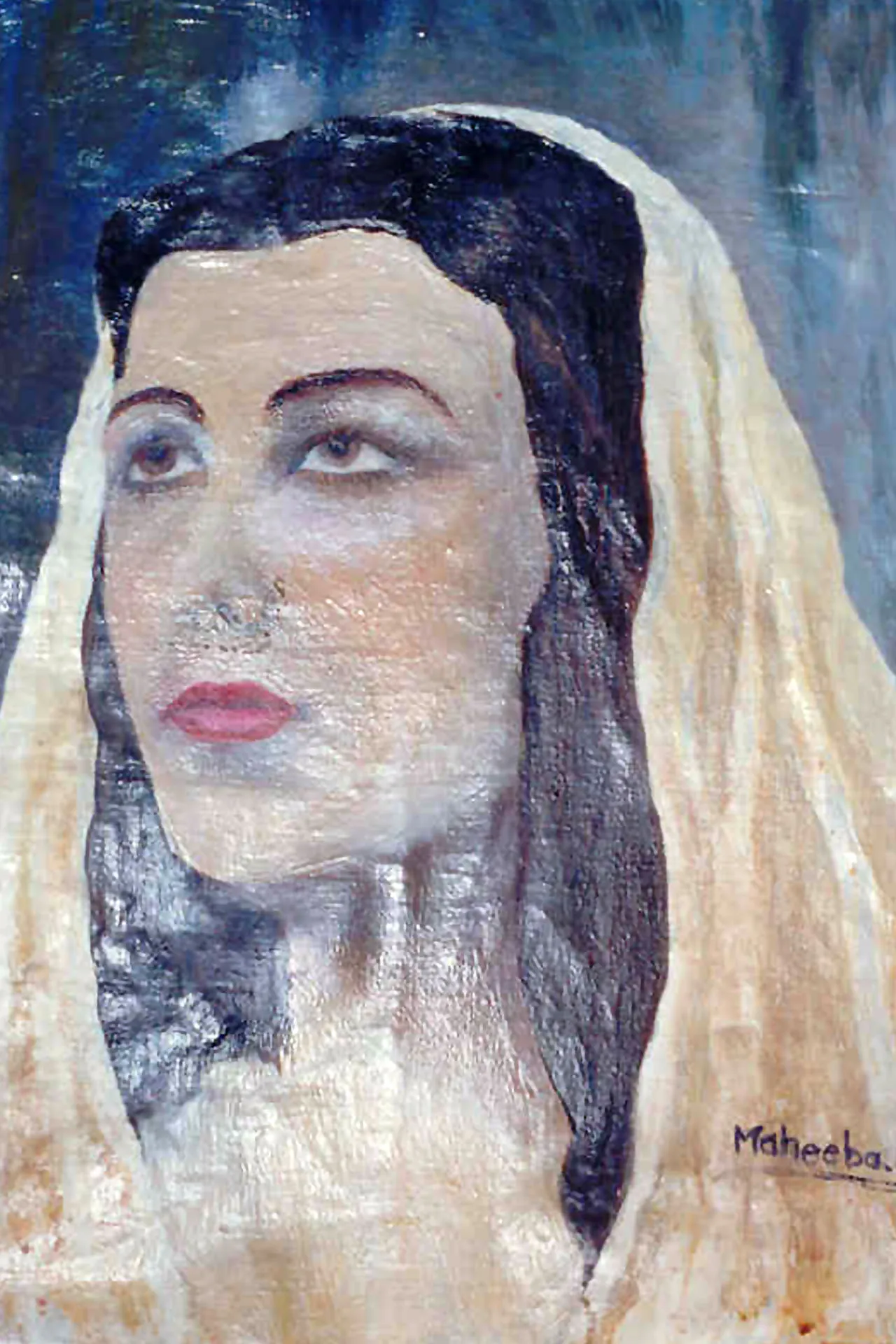
After the Nakba
The organisation’s work ended with the Nakba and the expulsion of most of Jaffa’s people, [1] as more than 50,000 of the city’s roughly 70,000 inhabitants were driven out. [3] Moheeba took refuge in Egypt, married and worked as a teacher, and was never allowed to return to Jaffa. She followed the cause until the First Intifada, repeating: “We will return, O Jaffa.” [3]
In 1998 researchers Amal al-Agha and Faiha Abdel Hadi met her in Cairo, and her testimony was published in 2006 in a book on Palestinian women’s roles in the 1940s. She died in Cairo in 1999 according to Al Jazeera Net, [1] or in 2000 according to Al-Quds Al-Arabi. [3] Read also: Jaffa before the Nakba.
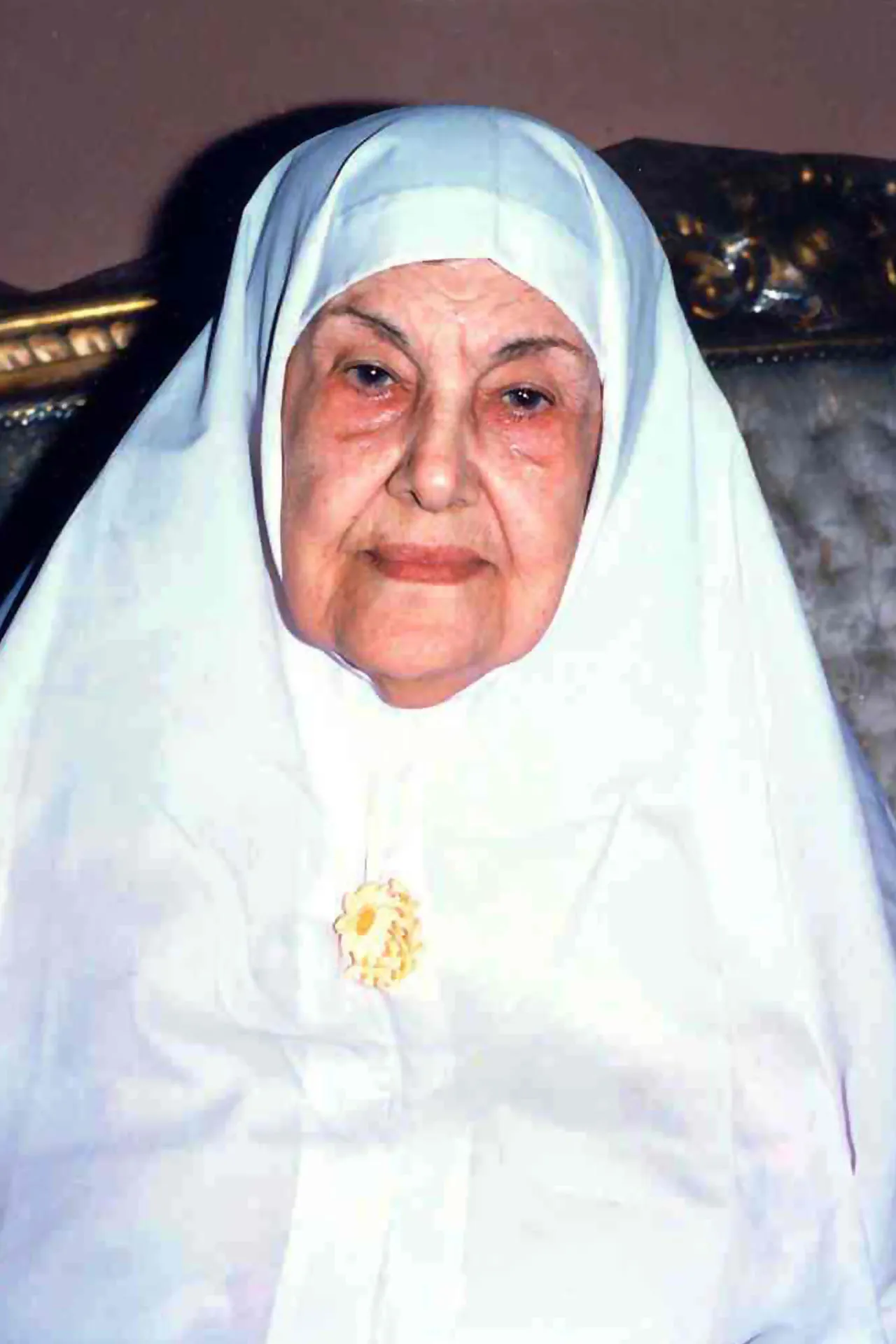
Conclusion
Zahrat al-Uqhuwan began as a charity of Jaffa’s young women; when its founder saw a child killed at his mother’s door, she took up arms. In a single year before the Nakba, Moheeba and Nariman Khurshid and their comrades created Palestine’s first armed women’s resistance, and the anemone stayed on Moheeba’s chest in exile until the end of her life.
Frequently asked questions about Zahrat al-Uqhuwan
What was Zahrat al-Uqhuwan?
A secret women’s organisation founded in Jaffa in 1947 that turned from charity to armed resistance; it is considered the first armed Palestinian women’s organisation.
Who founded Zahrat al-Uqhuwan?
Sisters Moheeba and Nariman Khurshid of Jaffa.
Why did the organisation take up arms?
After Moheeba Khurshid saw a boy of about six shot dead by Zionist fire at his mother’s door in Jaffa.
What did its members do?
They attacked Haganah positions, watched its movements through a military telescope, raised funds and bought weapons, disguised in men’s clothing.
What happened to Moheeba Khurshid after the Nakba?
She took refuge in Egypt and worked as a teacher, was never allowed to return to Jaffa, and died in Cairo.
Sources and references
Arabic-language sources are listed with translated titles.
- Merfat Sadiq, “Palestine’s ‘Zahrat al-Uqhuwan’: A Secret Women’s Organisation on the Eve of the Nakba,” Al Jazeera Net, 15 May 2021.
- Maha Shahwan, “How Did Palestinian Women Fighters Face the Catastrophe of the Nakba?” Noon Post, 5 May 2023.
- Nabil al-Sahli, “Moheeba Khurshid: On Identity and Life in the Shadow of Palestine,” Al-Quds Al-Arabi, 16 August 2021.
More from the archive
 Download Our Palestine App
The whole archive in the palm of your hand: depopulated villages, the Nakba, the massacres and Al-Aqsa — free, with no ads to erase the story.



Comments
No comments yet — be the first to write one.
Add your comment
Name and email are optional. Comments appear after review.