
Ali Fouda: The Poet Who Read His Own Obituary, Beirut 1982

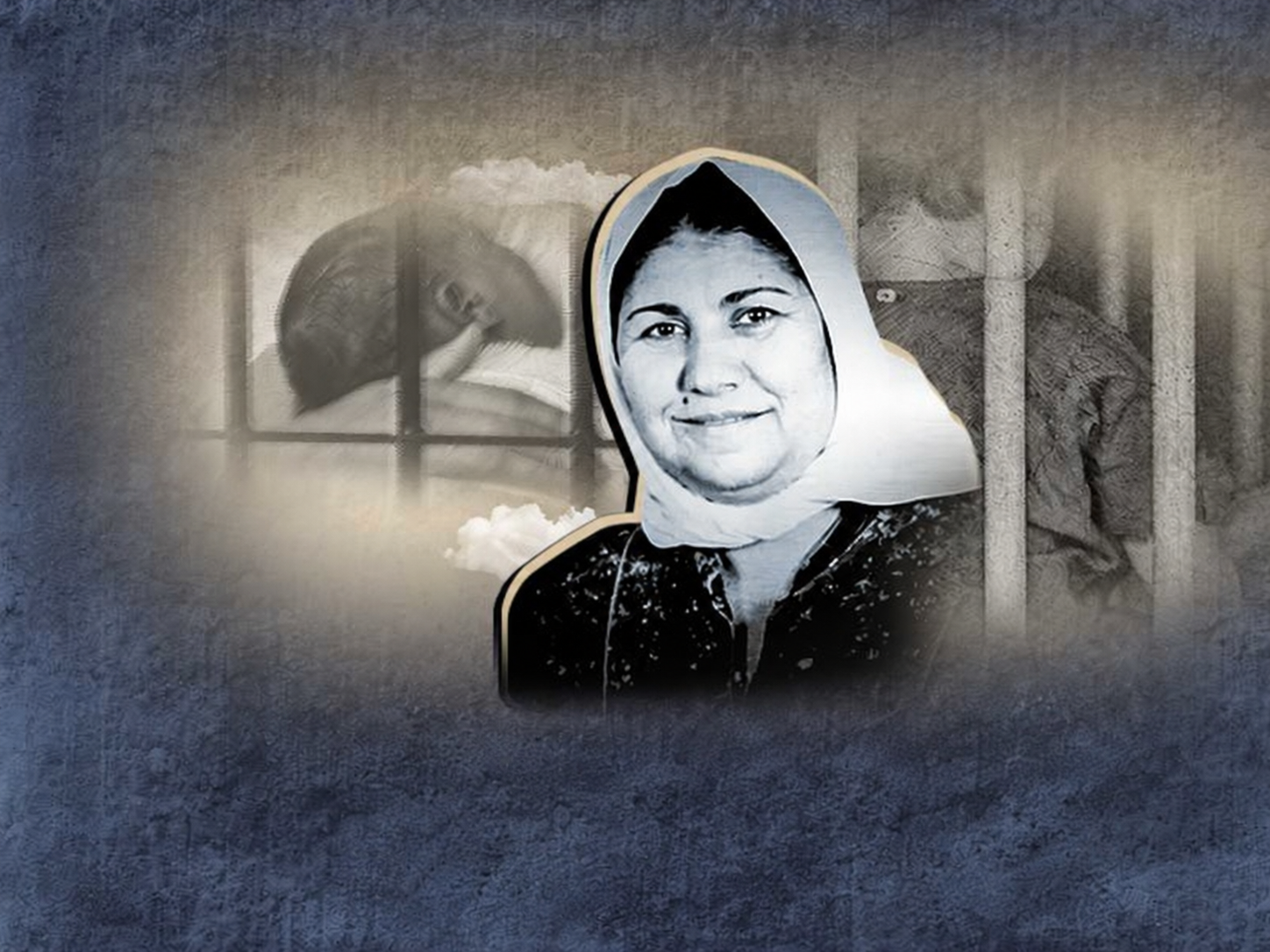
Ali Fouda (1946–1982) was a Palestinian poet and novelist from the village of Qannir in the Haifa district, a poet of the resistance in exile and author of “I Have Chosen You, My Homeland,” sung by Marcel Khalife. During the 1982 siege of Beirut an Israeli shell wounded him as he distributed al-Rasif, the newspaper he published with his comrades, to the fighters; his death was wrongly announced while he was still alive, he read the elegies written for him, and he died of his wounds on 20 August 1982. [1] [2] [3]
Who was Ali Fouda?
Ali Fouda was a poet committed to his people’s cause and bound to the popular forces calling for revolution and liberation; writer Shaker Farid Hassan calls him the rebellious Palestinian poet, the poet of the poor, the crushed and the marginalised [4]. He spent most of his life in refugee camps, which he saw as a lasting symbol of displacement and of the struggle with the enemy [3] [5].
Ali Fouda at a glance
| Item | Details |
|---|---|
| Name | Ali Yousef Fouda [1] |
| Born | 1946, Qannir, Haifa district [1] [2] [3] |
| Refuge | Jenzur camp near Jenin, then Nur Shams camp in Tulkarm [2] [3] [6] |
| Education | Nur Shams boys’ school, then the teachers’ institute in Huwwara and Irbid [6] [1] [2] |
| Work | Teacher in Umm Abhara and Marj al-Hamam near Amman, then poet and journalist in Beirut [1] [3] |
| Best-known poem | “I Have Chosen You, My Homeland,” sung by Marcel Khalife [2] [3] |
| Wounded | Mid-August 1982, by an Israeli shell in Ain al-Mreisseh, Beirut [1] [2] [3] |
| Died | 20 August 1982, Beirut [1] |
Timeline
| Year | Event |
|---|---|
| 1946 | Born in Qannir, Haifa district [1] [2] |
| 1948 | Qannir falls to Zionist militias; the family flees to Jenzur camp [3] [2] |
| 1951 | Moves to Nur Shams camp in Tulkarm [3] |
| c. 1953 | Loses his mother at the age of seven [2] [1] |
| 1969 | Publishes A Palestinian Like the Edge of a Sword [1] |
| 1975–1976 | Moves to Kuwait, then Baghdad, then settles in Beirut [3] [1] |
| 1977 | Marcel Khalife sets a passage of his poem from The Howl of the Wolf to music [2] |
| 1981–1982 | Publishes the newspaper al-Rasif with Rasmi Abu Ali [1] |
| August 1982 | Wounded by an Israeli shell during the siege of Beirut; obituaries published before his death [1] [2] |
| 20 August 1982 | Dies in Beirut [1] |
From Qannir to the camp
Ali Yousef Fouda was born in 1946 in the village of Qannir in the Haifa district [1] [2]. Two years later his village fell to the Zionist militias and his family was driven to the temporary Jenzur camp near Jenin, then moved to Nur Shams camp in Tulkarm, founded in 1951 [3] [2]. He lost his mother at seven, and her absence stayed with him in his life and his poetry [2] [1].
He attended primary and preparatory school at the Nur Shams boys’ school [6].
Teacher and poet
Ali Fouda studied at the teachers’ institute in Huwwara and then in Irbid, and after graduating taught in Umm Abhara, Marj al-Hamam and several villages around Amman [1] [2] [3]. In 1975 he moved to Kuwait, then to Baghdad about a year later, before settling in Beirut [3] [1].
Beirut and al-Rasif
In Beirut Ali Fouda founded the newspaper al-Rasif (“The Pavement”) with his friend the writer Rasmi Abu Ali, the Iraqi poets Adam Hatem and Ghaylan and two Kurdish writers; its editorial office was the Umm Nabil café opposite Beirut Arab University [3] [1]. The paper appeared in 1981–1982, combining social criticism with a call to resistance [1] [3].
When Israel invaded Lebanon and besieged Beirut in the summer of 1982, most of the founders withdrew, but Ali Fouda kept carrying copies of al-Rasif himself, moving between neighbourhoods, alleys and barricades to hand them to the fighters at the front [3] [4].
“I Have Chosen You, My Homeland”
Ali Fouda’s best-known work is “I Have Chosen You, My Homeland,” a passage Marcel Khalife chose from the poem “Anger, the Leopard” in The Howl of the Wolf and set to music in 1977, making it one of the best-known Palestinian patriotic songs [2] [3]. The poem is often wrongly attributed to Mahmoud Darwish, because of Darwish’s towering presence and his long collaboration with Khalife; it is Ali Fouda’s [2].
Marcel Khalife sings “I Have Chosen You, My Homeland,” to words by Ali Fouda (in Arabic) [7]
His death: the poet who read his own elegies
In mid-August 1982, at the height of Israel’s bombardment of Beirut by land, sea and air, Ali Fouda was carrying copies of al-Rasif towards Ain al-Mreisseh to distribute to the fighters when shrapnel from an Israeli shell gravely wounded him [3] [1] [2].
News of his death spread before he died; his colleagues at the newspaper al-Ma’raka wrote and published elegies for him, which he read while still alive, making him one of the few people to read their own obituaries [1] [2]. Days later, on 20 August 1982, he died of his wounds in Beirut, aged 36 [1] [3]. He had wished to die and be buried in Palestine [3].
Shaker Farid Hassan writes that his blood mingled with the streets, pavements and alleys he knew [4].
Works
| Title | Genre | Year |
|---|---|---|
| A Palestinian Like the Edge of a Sword | Poetry | 1969 |
| Secret Leaflets for the Grass | Poetry | 1972 according to Al-Kofiya |
| Poems from a Woman’s Eyes | Poetry | 1973 (some sources say 1976) |
| The Howl of the Wolf | Poetry | 1977 |
| The Good Palestinian | Novel | 1979 |
| The Gypsy | Poetry | 1981 |
| Gallows Planks | Novel | Published posthumously (1983) |
Legacy
A book about him, Ali Fouda: Poet of Revolution and Life, a critical study edited and introduced by Nidal al-Qasim and Salim al-Najjar, has been published [1]. His memory lives on in Nur Shams and Tulkarm: in November 2024 Palestine Technical University – Kadoorie commemorated him at a cultural seminar [6]. His voice returns whenever Palestinians sing “I Have Chosen You, My Homeland.”
Read also: Ghassan Kanafani, Samih al-Qasim.
Video
Frequently asked questions about Ali Fouda
Who was Ali Fouda?
A Palestinian poet and novelist from Qannir in the Haifa district, a poet of the resistance in exile, killed during the 1982 siege of Beirut.
Who wrote “I Have Chosen You, My Homeland”?
Ali Fouda; Marcel Khalife sang it, and it is often wrongly attributed to Mahmoud Darwish.
How was Ali Fouda killed?
An Israeli shell wounded him in Ain al-Mreisseh, Beirut, as he distributed al-Rasif to fighters; he died days later.
When did Ali Fouda die?
On 20 August 1982.
Why is it said that Ali Fouda read his own elegies?
Because news of his death spread while he lay wounded, and his colleagues published elegies that he read before he died.
What was al-Rasif?
A newspaper Ali Fouda founded with Rasmi Abu Ali and other comrades in Beirut, published in 1981–1982.
What are Ali Fouda’s best-known works?
A Palestinian Like the Edge of a Sword, The Howl of the Wolf and The Gypsy, and the novels The Good Palestinian and Gallows Planks.
Sources and references
Arabic-language sources are listed with translated titles.
- “Ali Fouda: Poet of Revolution and Life and Hero of the Siege of Beirut,” Al-Kofiya TV, 20 August 2026.
- Mohammad Hjeiri, “Ali Fouda and the Sway of Mahmoud Darwish,” Al-Modon, 10 July 2019.
- Aed Omeira, “Ali Fouda: Poems on the Ghost of Exile and the Stolen Homeland,” Noon Post, 31 March 2024.
- Shaker Farid Hassan, “Beirut, the Poem and the Immortal Epic,” Diwan al-Arab, 2 June 2011.
- Ali Badwan, “Ali Fouda: Creativity Until Martyrdom,” Palestinian Camps Encyclopedia (Mokhayyam).
- “Kadoorie Commemorates the Martyred Poet Ali Fouda at a Cultural Seminar,” Palestine Technical University – Kadoorie, 19 November 2024.
- Marcel Khalife, “I Have Chosen You, My Homeland,” YouTube.
Photo gallery

More from the archive
 Download Our Palestine App
The whole archive in the palm of your hand: depopulated villages, the Nakba, the massacres and Al-Aqsa — free, with no ads to erase the story.



Comments
No comments yet — be the first to write one.
Add your comment
Name and email are optional. Comments appear after review.