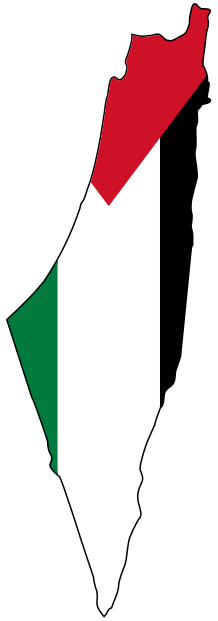
Gani Huga (Ein al-Sawda Park) in Beisan

Gani Huga (Ein al-Sawda Park) in Beisan: Springs of the Valley Whose People Were Expelled
Gani Huga, known in Arabic as Ein al-Sawda Park, is a natural springs park in the Beisan valley in the northern Jordan Valley, where water gushes strongly from three springs of differing depths, surrounded by green lawns and shade trees. "Gani Huga" is a Hebrew name given to the place by the occupation authorities after the Nakba, while the name "Ein al-Sawda" preserves its Arab memory. The park lies in the fertile Beisan valley, whose springs once watered thriving Palestinian villages, all of whose people were expelled with the fall of Beisan in May 1948. This guide covers the park, its springs and its context in the history of the Beisan valley.
Quick facts
| Arabic name | جاني حوجا (حديقة عين السوداء) – بيسان |
|---|---|
| Arabic name of the site | Ein al-Sawda Park |
| Location | Beisan valley, northern Jordan Valley |
| Nature | Natural springs park |
| Springs | Three springs of differing depths |
| Elevation | Below sea level |
| Activities | Swimming, picnicking, barbecues, camping |
| Fall of Beisan | 12 May 1948 |
| Population of Beisan district (1945) | About 23,590 |
| Management today | A recreation park run by Israeli bodies |
The name
The place is known today as "Gani Huga", a Hebrew name given to it after the Nakba as part of the policy of replacing the Arabic names of Palestine's landmarks. Its Arabic name is "Ein al-Sawda", in keeping with local custom of naming springs by their features, and it is the name Palestinian sources preserve for the place.
Location
The park lies in the Beisan valley in the northern Jordan Valley, east of the town of Beisan, in a low-lying area below sea level between Marj Ibn Amer to the west and the Jordan River to the east. The valley is known for its fertile soil, abundant springs and hot climate, which made it rich farmland since ancient times.
The three springs
The park holds three springs whose water flows strongly, each of a different depth: children's playgrounds stand beside the shallow spring, while a water slide leads straight into the deep spring. Around the springs are green lawns and shade trees where visitors come to swim, picnic, barbecue and camp, especially in the Jordan Valley's hot summer.
The Beisan valley: a land of springs
The springs of the Beisan valley were the lifeblood of the district's Palestinian villages, watering the fields of wheat and barley and the citrus and palm groves planted by Arab farmers. Palestinian sources record many springs on the lands of the district's villages, such as Arab al-Safa and Arab al-Arida, whose people planted palms near their springs. Beisan itself was a thriving town on the Jalud River, leader of the Decapolis in Roman times, surrounded by villages that lived from water and land.
Beisan, its villages and the Nakba
Beisan's population grew to 5,180 in 1945, only 20 of them Jews, while its district had about 23,590 inhabitants. On 12 May 1948 Zionist militias occupied the town and expelled its Arab people, and the district's villages fell one after another in May 1948 under "Plan Dalet", among them al-Hamidiyya on 12 May and Arab al-Safa and Arab al-Arida on 20 May, with all their people expelled. Most villages were destroyed, leaving only rubble, cemeteries and a few palm trees, while settlements seized their lands and springs, and some of these springs were turned into parks.
The park today (2026)
"Gani Huga" operates today as a recreation park run under the occupation, presented to visitors by its Hebrew name and stripped of its context, though its springs are part of the Beisan valley whose people were expelled in 1948. The expelled people of Beisan and its villages and their descendants live in refugee camps in Jordan, Syria and Lebanon and in the diaspora, denied return to their land and springs, while the name "Ein al-Sawda" remains a witness to the place's Arab identity.
Frequently asked questions
What is Gani Huga?
A natural springs park in the Beisan valley with three springs of differing depths; its Arabic name is Ein al-Sawda Park.
Where is Gani Huga?
In the Beisan valley in the northern Jordan Valley, east of the town of Beisan, in an area below sea level.
Where does the name Gani Huga come from?
It is a Hebrew name given to the place after the Nakba; its Arabic name is Ein al-Sawda.
What can visitors do in the park?
Swim in the springs, use the water slide, and picnic, barbecue and camp under the trees.
What happened to the people of the Beisan valley in 1948?
They were all expelled after Beisan was occupied on 12 May 1948 and the district's villages fell one after another; most villages were destroyed and their lands and springs seized.
Conclusion
The waters of Ein al-Sawda flow today in a park bearing a Hebrew name, just as they flowed before the Nakba through a valley owned by Arab farmers who planted wheat and palms beside its springs. Between the noise of visitors and the silence of the destroyed villages around it, the springs of Beisan remain a witness to Palestinian land whose people await their return.
More from the archive
 Download Our Palestine App
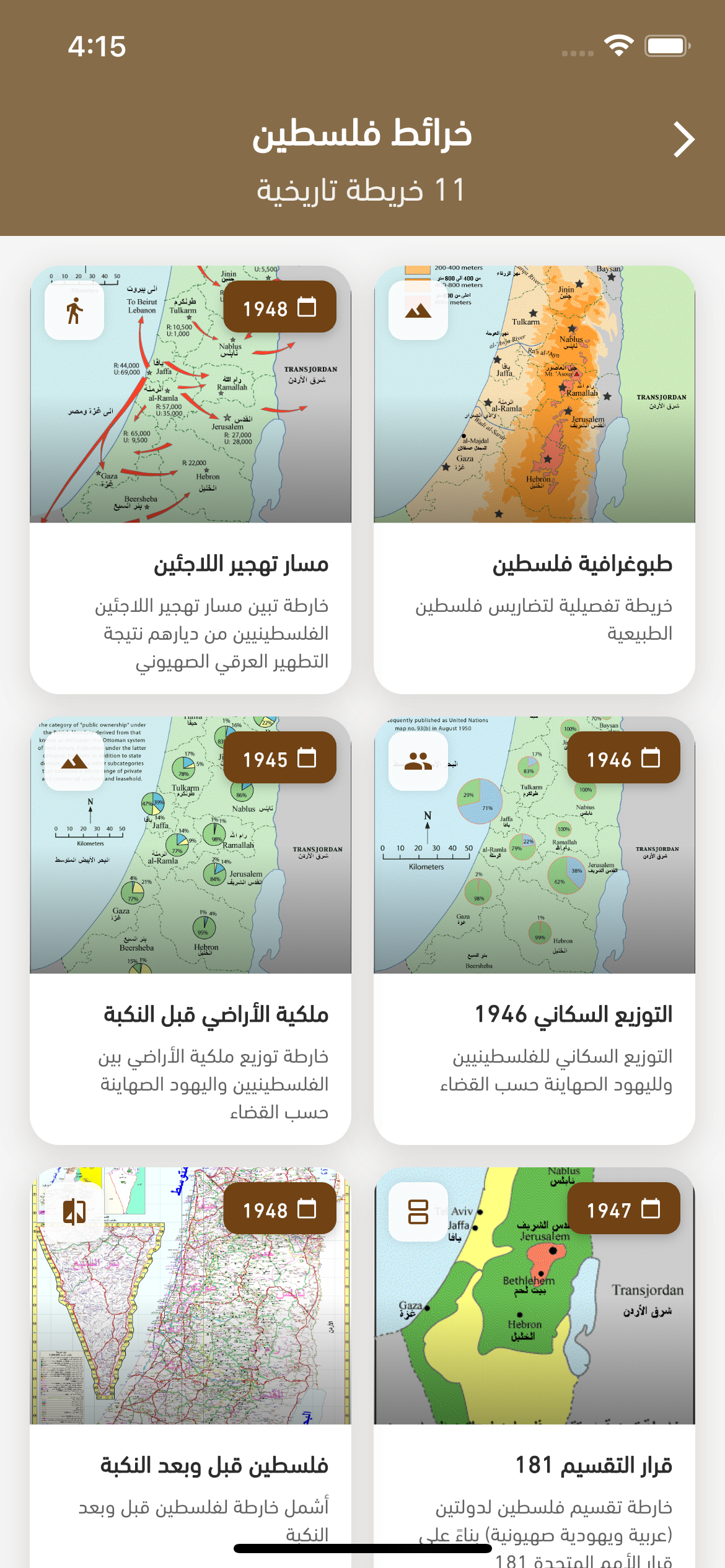
The whole archive in the palm of your hand: depopulated villages, the Nakba, the massacres and Al-Aqsa — free, with no ads to erase the story.
Comments
No comments yet — be the first to write one.
Add your comment
Name and email are optional. Comments appear after review.