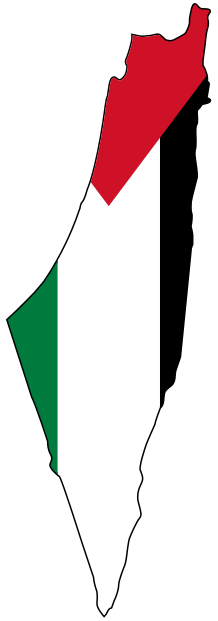
The depopulated village of Eilabun / District of Tiberias
About the depopulated village of Eilabun
- District
- Tiberias
- Date Eilabun was occupied
- 30 October 1948
- Population in 1948
- 550
- Military operation
- Operation Hiram
- Brigade that carried it out
- The Seventh Brigade، Golani Brigade، The Carmeli Brigade، The Oded Brigade
- Elevation above sea level
- 200 m
Hover a dot to read the village name, or click to open its card.
Borders of the depopulated village of Eilabun
Eilabun: A Palestinian Village in the Tiberias District
Eilabun is a Palestinian village in the former Tiberias District, located in the eastern Lower Galilee near the northeastern edge of the Battuf Valley, west of the Sea of Galilee, at an elevation of approximately 200 metres above sea level. Eilabun differs from most of the depopulated villages covered in this series: Israeli occupation forces captured the village in late October 1948, committed a massacre, and expelled most of its inhabitants toward Lebanon, but many of the displaced villagers subsequently succeeded in returning. Eilabun therefore remains an inhabited Palestinian village today.
Location of Eilabun
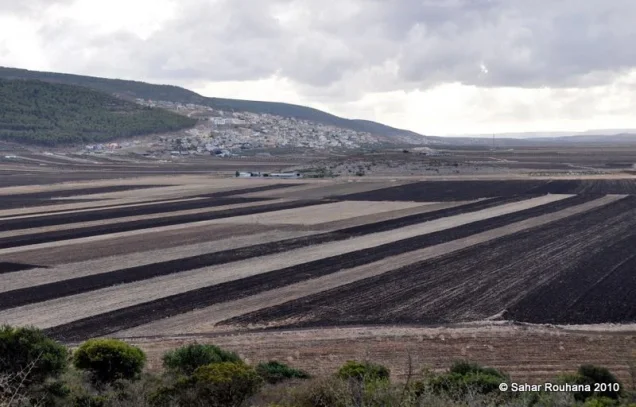
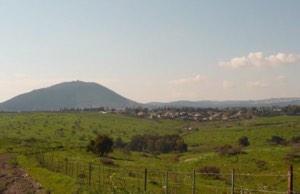
Eilabun is situated in the eastern Lower Galilee near the northeastern edge of the Battuf Valley and west of the Sea of Galilee.
Its lands bordered or lay near several Palestinian communities, including Maghar, Dayr Hanna, Nimrin, Hittin, Khirbat al-Wa'ra al-Sawda', and al-Bu'ayna.
Palestine Remembered records the village's elevation as approximately 200 metres above sea level.
Eilabun before the Nakba
Before the Nakba, Eilabun was a relatively small agricultural village in the Tiberias District. During the final decades of the British Mandate, its population was predominantly Christian, with a smaller Muslim community.
Agriculture was a principal source of livelihood, particularly olive cultivation, cereals, and orchards associated with the fertile lands surrounding the Battuf Valley.
The built-up area was small compared with the village's agricultural lands, covering only about 18 dunums in the 1945 statistics.
Religious and Social Life in Eilabun
Eilabun had a predominantly Christian Palestinian population before the Nakba, alongside a smaller Muslim population.
The 1931 census recorded 404 inhabitants: 372 Christians and 32 Muslims. In the 1945 statistics, the population was 550, consisting of 530 Christians and 20 Muslims.
The churches formed important religious and communal centres in the village. They also became places of refuge for villagers as Israeli occupation forces entered Eilabun in October 1948.
Education in Eilabun
Local historical material concerning Eilabun traces organized education in the village to the late nineteenth century. A classroom for boys was reportedly established in 1899 with support from Catholic clergy, followed by a similar classroom for girls in 1905.
During the British Mandate, an official elementary school was established in 1943. These educational details derive mainly from local historical accounts and should be distinguished from the official Mandate population and land statistics.
Economic Life in Eilabun
The village economy depended mainly on agriculture and livestock raising.
Olive cultivation was particularly important, alongside cereals and orchard agriculture on the lands surrounding the village and the Battuf Valley.
According to the 1945 figures presented by Palestine Remembered, 1,209 dunums were irrigated or used for plantations, including approximately 1,164 dunums planted with olive trees. Another 2,187 dunums were devoted to cereals.
The olive-grove figure is a component of the plantation and agricultural figures and should not be added again when calculating the total cultivable area.
Land Ownership in Eilabun
Eilabun had a total registered land area of approximately 14,712 dunums in the 1945 figures.
Land ownership in Eilabun, 1945, using the terminology of Palestine Remembered
- Palestinian11,190 dunums76%
- Transferred to Zionists0 dunums0%
- Communal3,522 dunums24%
According to these figures, no land was recorded in the category “Transferred to Zionists” before the Nakba.
Land Use in Eilabun, 1945
Land use in Eilabun according to Palestine Remembered
- Plantations and irrigable land1,209 dunums6%
- Olive groves, included within the agricultural land above1,164 dunums6%
- Cereals2,187 dunums11%
- Built-up area18 dunums<1%
- Arable land3,396 dunums18%
- Non-arable land11,298 dunums59%
Palestine Remembered presents the land-use figures in a single column and does not separate Palestinian and communal land in this table as it does in its land-ownership table. The figures are therefore reproduced according to the source without reclassifying ownership categories.
Population of Eilabun
Population of Eilabun in selected years
- 1922319Official British Mandate census; the recorded inhabitants were Christian
- 1931404372 Christians and 32 Muslims
- 1945550530 Christians and 20 Muslims
- 1950675After the return of displaced villagers had begun
- 19611,100Later figure published by Palestine Remembered
- 20024,040Later figure published by Palestine Remembered
- 20074,374Latest structured population figure in the source table used here
The post-1948 population figures reflect the survival and repopulation of Eilabun rather than permanent depopulation. Palestinian families displaced from other localities also settled in the village after the Nakba.
Number of Houses in Eilabun
| Year | Occupied houses |
|---|---|
| 1931 | 85 |
This figure comes from the 1931 Census of Palestine. No unverified estimate for the number of houses in 1948 is used here.
Occupation of Eilabun during Operation Hiram
Eilabun came under Israeli occupation during the final days of October 1948 in the course of Operation Hiram, the large-scale offensive conducted in Galilee between 28 and 31 October.
Several brigades participated in Operation Hiram, including Golani, Carmeli, Sheva', and Oded. The occupation of Eilabun itself is associated with Golani Brigade forces following fighting with elements of the Arab Liberation Army in the area.
There is a limited discrepancy over the precise date. Palestine Remembered's statistical summary gives 29 October 1948, while detailed narratives of the occupation, massacre, and expulsion place the central events on 30 October. This article therefore uses 30 October for the entry into the village and massacre while preserving the discrepancy.
The Eilabun Massacre – 30 October 1948
The Eilabun massacre is one of the documented atrocities associated with the occupation of Galilee during Operation Hiram.
As Israeli occupation forces approached, large numbers of villagers gathered in the village churches. Clergy communicated the village's surrender, and white flags were displayed.
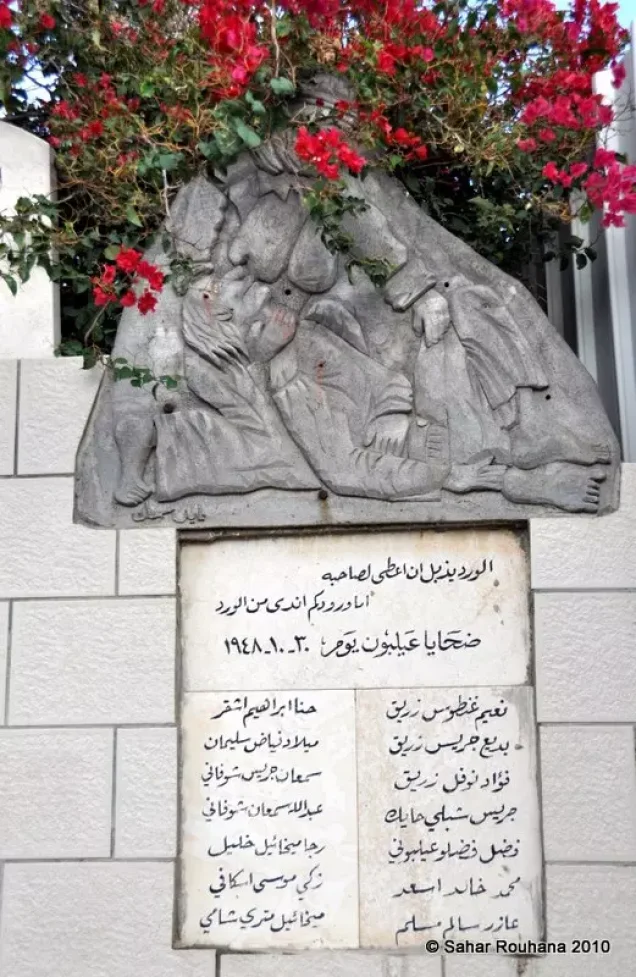
After entering Eilabun, the forces removed villagers from the churches and assembled them in the village square. Accounts preserved by the Eilabun community record the deaths of fourteen men from the village during the events of that day, including executions carried out after the village had surrendered.
Detailed accounts commonly identify twelve of the victims as having been executed, with two additional men killed during the assembly and forced expulsion, bringing the Eilabun death toll to fourteen.
This event should not be confused with a separate massacre involving Arab al-Mawasi. PalQuest's entry on Khirbat al-Wa'ra al-Sawda' records an oral account in which a group of Arab al-Mawasi men were taken toward Eilabun in late October or early November 1948 and fourteen were killed. This was a separate incident from the massacre of Eilabun's own villagers on 30 October.
Expulsion of Eilabun's Inhabitants to Lebanon
Following the massacre, Israeli occupation forces expelled most of Eilabun's inhabitants from the village and forced them northward through Galilee toward Lebanon.
Local accounts describe the displaced villagers passing through the Maghar area, Kafr 'Inan, al-Farradiyya, and Mirun before reaching the Lebanese border. A number of village men were also detained.
A limited number of inhabitants remained in or near Eilabun, including elderly residents, while most of those expelled spent a period as refugees in Lebanon.
- Occupation and massacre date used in the detailed narrative: 30 October 1948.
- Date in Palestine Remembered's summary table: 29 October 1948.
- Military operation: Operation Hiram.
- Unit associated with the occupation of the village: Golani Brigade.
- Arab military force in the area: Arab Liberation Army.
- Victims of the Eilabun massacre: 14 men according to documented village accounts.
- Fate of most inhabitants: forced expulsion toward Lebanon.
- Fate of the village: it was not permanently destroyed and depopulated; many of its displaced inhabitants subsequently returned.
The Return to Eilabun
Eilabun represents a relatively exceptional case among Palestinian communities whose populations were expelled in 1948. The villagers organized sustained efforts to secure permission to return.
Village clergy and residents sent protests and appeals to various authorities, including United Nations representatives and church institutions, demanding that the displaced inhabitants be allowed home.
Local accounts differ over the exact length of the first period of exile, with some describing the beginning of the return after approximately fifty days and others giving a somewhat longer period. The broader return from Lebanon continued during 1949.
The population figure of 675 recorded for 1950 reflects the substantial restoration of the village community following the expulsion.
Eilabun's Lands after the Nakba
Although the inhabitants returned and Eilabun survived as an inhabited Palestinian village, it lost control over a large portion of its historical lands after 1948.
Palestine Remembered records approximately 10,940 dunums as having been confiscated or otherwise removed from the villagers' control by 1962, out of a total historical land area of 14,712 dunums.
The principal approved sources used for this article do not provide a sufficiently documented list allowing specific settlements to be attributed with confidence to Eilabun's historical lands. No settlement names are therefore added without clear documentation.
Eilabun Today
Eilabun is not an abandoned village site. It remains an inhabited Palestinian community whose society continued after the return of many of the villagers expelled in 1948, alongside Palestinian families who settled there from other displaced communities.
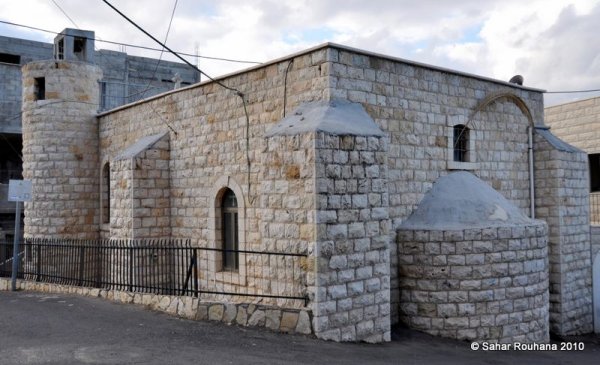
The massacre, expulsion, and return remain central elements of the village's collective memory. Memorials and historical landmarks associated with the victims of October 1948 remain part of local commemoration, while elements of the old village continue within the modern built environment.
Palestine Remembered records a population of 4,374 in 2007. Later user-contributed material on the site describes the village in the 2020s as having more than five thousand inhabitants, but such contributions are not an independent official census and are therefore not used here to establish a precise 2026 population.
Unlike destroyed village sites whose present condition is often known mainly through older field surveys, Eilabun's continued existence as an inhabited Palestinian village is well established. Precise 2026 population and land-use figures, however, require a current statistical source within the approved source set before they can be presented as contemporary data.
Sources
- Palestine RememberedPalestine Remembered – Eilabun, Tiberias District
- Palestine RememberedPalestine Remembered – The Nakba in Eilabun
- Palestine RememberedPalestine Remembered – Later community material and tour of Eilabun
- PalQuestPalQuest – Operation Hiram
- PalQuestPalQuest – Khirbat al-Wa'ra al-Sawda' and the separate Arab al-Mawasi massacre account
- PalQuestPalQuest – Land Transfers Regulations, 1940, listing Eilabun in the Tiberias Subdistrict
Photo gallery


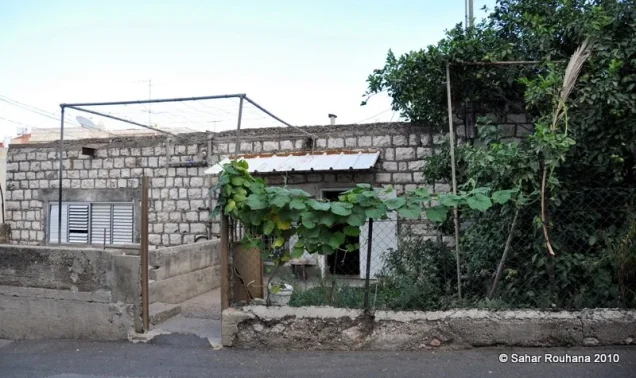
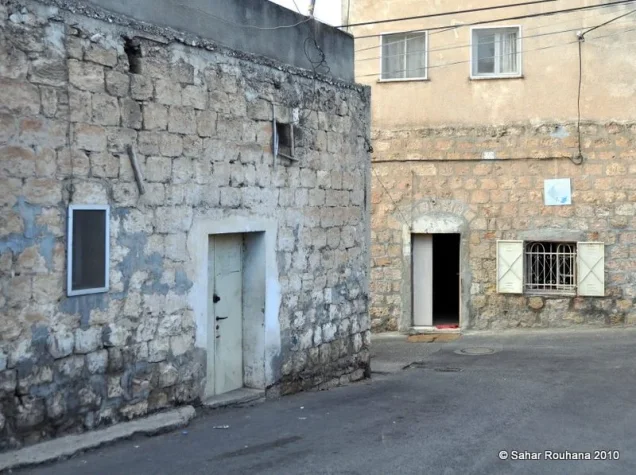
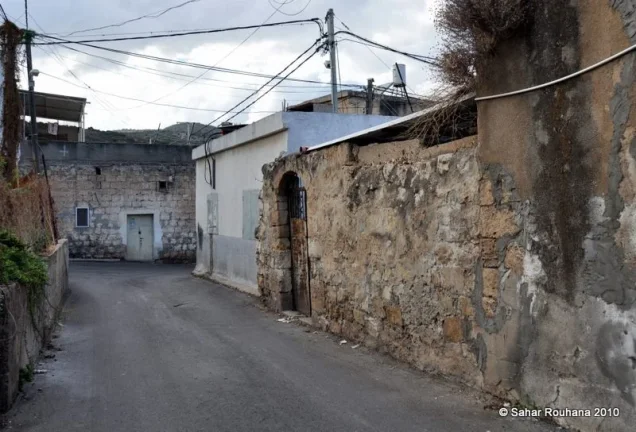
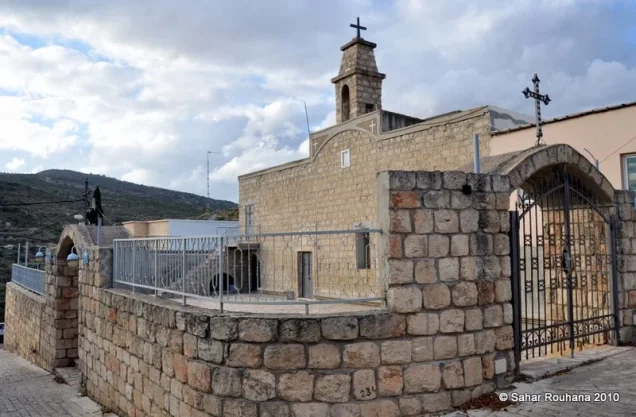
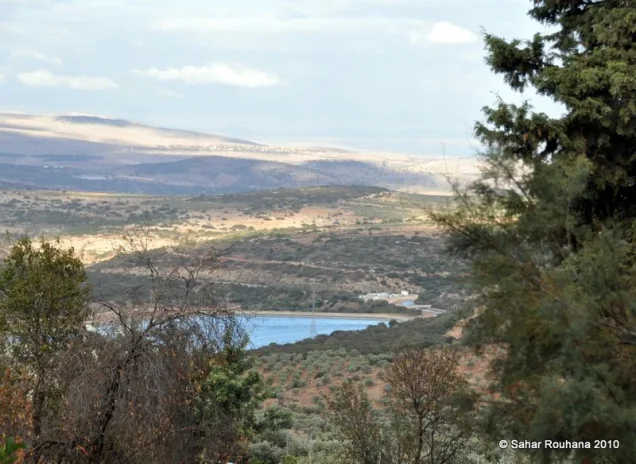
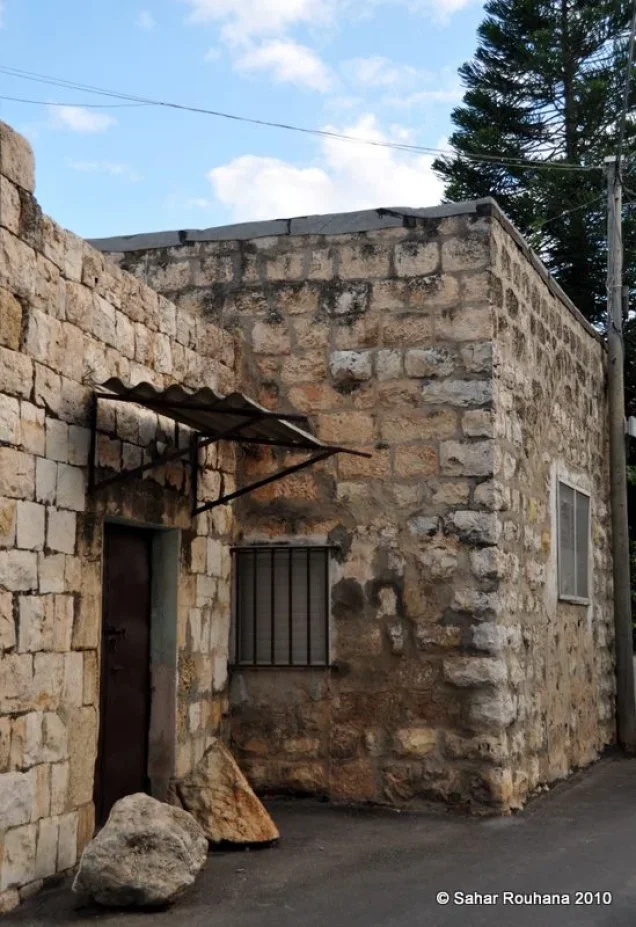
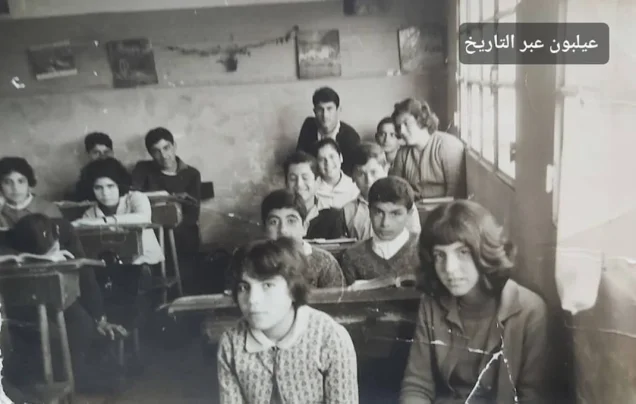
Photos from the village's people
Photos sent in by visitors and published after review.
Add a photo of this village
Log in to add photos of this village.
Other villages from Tiberias
More from the archive
 Download Our Palestine App
The whole archive in the palm of your hand: depopulated villages, the Nakba, the massacres and Al-Aqsa — free, with no ads to erase the story.
Download Our Palestine App
The whole archive in the palm of your hand: depopulated villages, the Nakba, the massacres and Al-Aqsa — free, with no ads to erase the story.
Comments
No comments yet — be the first to write one.
Add your comment
Name and email are optional. Comments appear after review.